Cancún has long been the crown jewel of Mexican Caribbean tourism. For decades, travelers from around the world poured into this resort city, drawn by promises of pristine beaches, turquoise waters, and endless entertainment. Yet something profound is shifting in travel preferences across 2024 and 2025.
Playa del Carmen is attracting a more chilled-out, curious crowd looking for a more authentic experience of Mexico, with the town being smaller, more walkable, and blending right into the downtown area. This coastal gem, just an hour’s drive south of Cancún, is capturing hearts and bookings at an accelerating rate. Let’s explore why savvy travelers are making this switch.
Escaping the Overcrowding Crisis
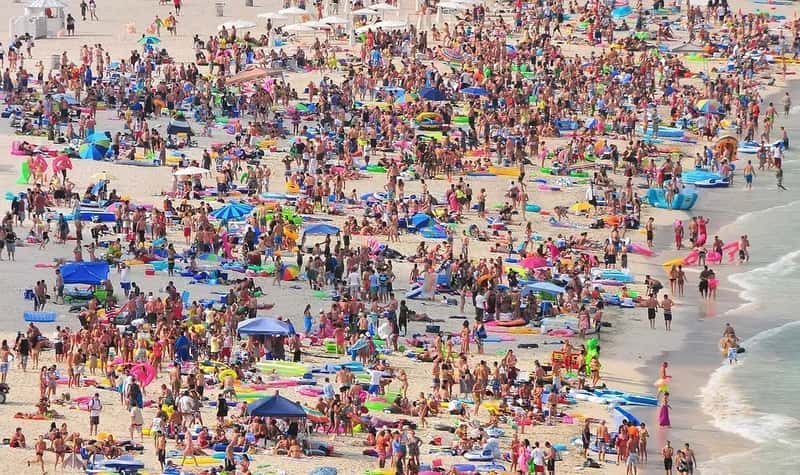
According to SECTUR data, there were over 9.7 million international arrivals in Cancún in 2024. That’s roughly the same number as visiting Mexico City, except Cancún crams them into a far smaller geographic area. The huge influx of tourists can make for overcrowded beaches and an overburdened city. Walking along Cancún’s hotel zone increasingly feels like navigating an amusement park during peak season.
Playa del Carmen itself receives over 15 million visitors every year, yet the experience feels dramatically different. The crowds disperse more naturally across the town’s length, and you can still find quieter stretches of beach if you walk a bit north or south from the central area. The difference in atmosphere is striking.
Authenticity That Cancún Lost Decades Ago
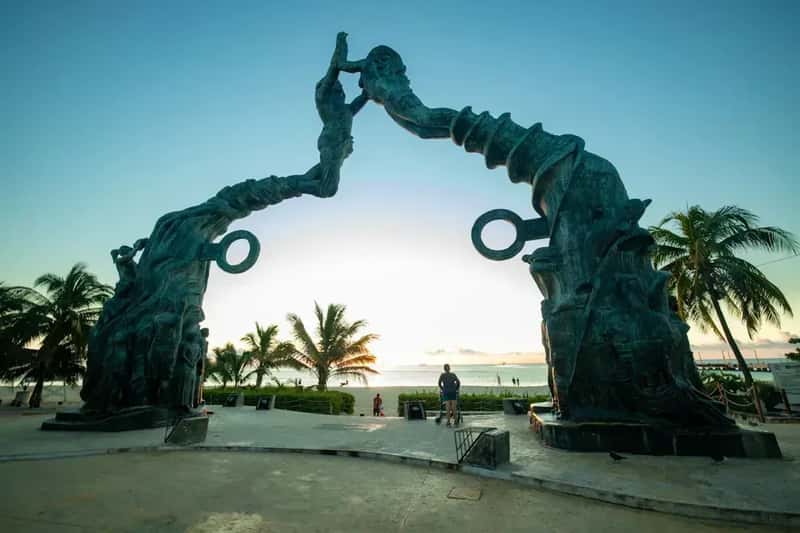
Here’s the thing: Cancún is not the place for an authentic Mexican experience, with the Hotel Zone filled with American chain restaurants, shopping malls, and bars catering primarily to North American tourists. You’ll hear more English than Spanish in many areas, and prices are often displayed in US dollars.
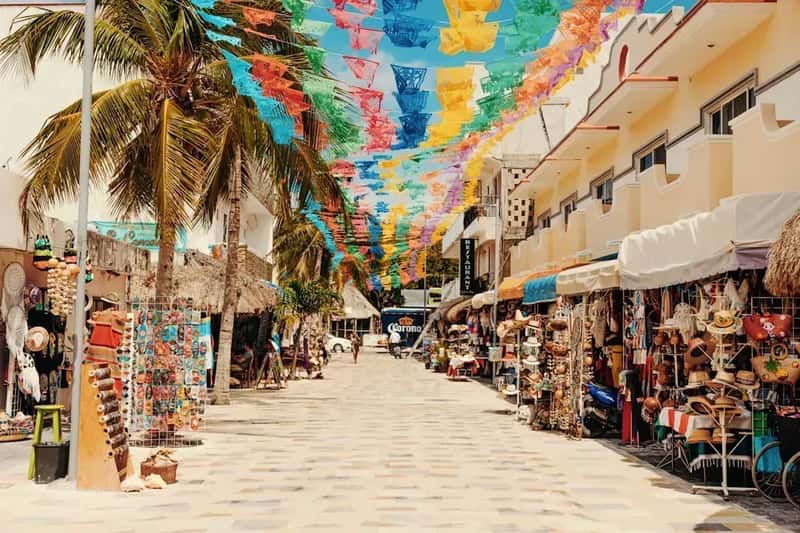
Playa del Carmen was once a small fishing village, but unlike Cancún, Playa’s tourist area isn’t separate from the downtown – everything is blended together, giving a much more authentic feel of Mexico just by walking around. Local restaurants serve genuine regional cuisine alongside international options. Street vendors sell handmade crafts instead of mass-produced souvenirs. It’s hard to say for sure, but this blending of tourism with local life creates a richness that Cancún’s segregated zones simply cannot match.
Better Value for Your Vacation Budget
Mexico’s reputation as a budget-friendly destination is diminishing, with inflation and demand driving up hotel rates, especially in Cancún, Tulum, and Riviera Maya, with flights increasing in price due to reduced capacity on key routes, and dining costs in tourist-focused areas now rivaling prices in major U.S. cities.
While Playa del Carmen isn’t exactly cheap anymore either, the range of options remains broader. Playa is super walkable, and since the tourist spots are mixed right into the local neighborhoods, you’ll come across tons of locally-owned restaurants, street food stands, and small shops. This diversity in pricing means travelers can choose their budget level on any given day, mixing upscale dining with affordable local eats.
Walkability Changes Everything
Cancún is split into two main areas by a large lagoon called Laguna Nichupté. Getting around requires taxis, buses, or rental cars because distances are substantial. The hotel zone stretches for miles along a narrow strip, making spontaneous exploration challenging.
Roughly everything you need in Playa del Carmen sits within comfortable walking distance. The beach runs parallel to Quinta Avenida (Fifth Avenue), just one block inland. The town revolves around the popular Quinta Avenida which stretches along the 10 km beach only one block apart, making it a pleasant place to stroll in the evening while looking for a nice restaurant, do some shopping, get ice cream, or enjoy the laidback vibes. You’re never more than a few minutes from either the ocean or the town’s main artery.
Perfect Gateway Location for Adventures
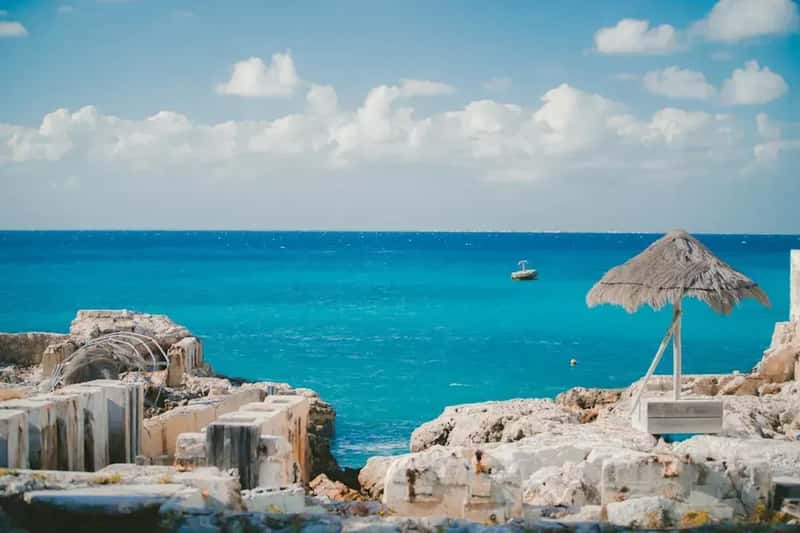
If you’re coming to the Riviera Maya to explore – like visiting the islands (Isla Mujeres or Cozumel), checking out cenotes, or spending time at the Xcaret parks – then Playa del Carmen is the better base. Geography matters when you’re planning day trips.
Playa del Carmen is situated a 45-minute drive from Cancún International Airport, located almost in the center of the Riviera Maya with Tulum an hour further south and the island of Cozumel just a 40-minute ferry ride off the coast. This central positioning cuts travel time to major attractions significantly. Visiting Mayan ruins, swimming in cenotes, or catching a ferry to Cozumel becomes far less exhausting when you’re not starting from Cancún’s northern extreme.
Avoiding the Spring Break Reputation
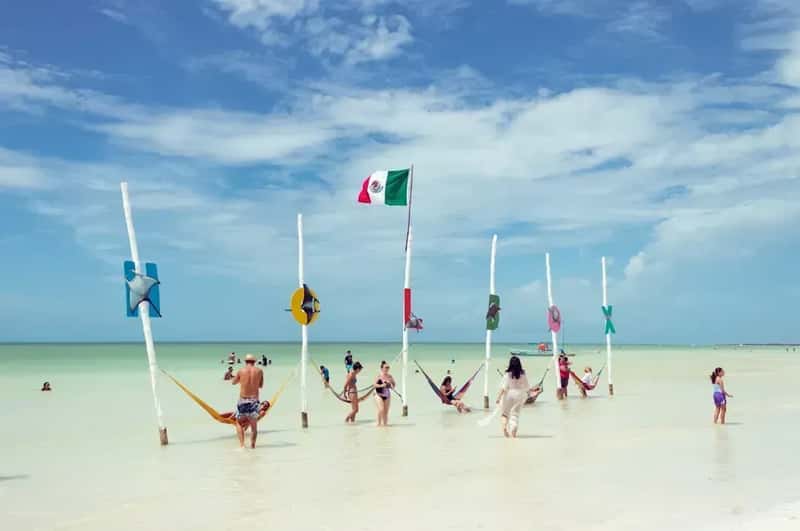
Cancún’s identity crisis centers partly around its spring break association, with yes, spring break bringing massive revenue, but also creating a lasting image problem, with families with young children actively avoiding March and early April, yet the reputation extends beyond those specific weeks, carrying a party-town stigma that makes it less attractive to travelers seeking authentic cultural experiences or romantic getaways.
Sure, Playa del Carmen has nightlife. Playa del Carmen still has great nightlife – it’s just a little different. The scene feels more distributed and less concentrated than Cancún’s massive club district. Couples and families can enjoy evenings without navigating through party chaos, though those seeking nightlife can certainly find it. Honestly, the balance works better for most travelers who want options rather than a single overwhelming identity.
Fewer Aggressive Sales Tactics
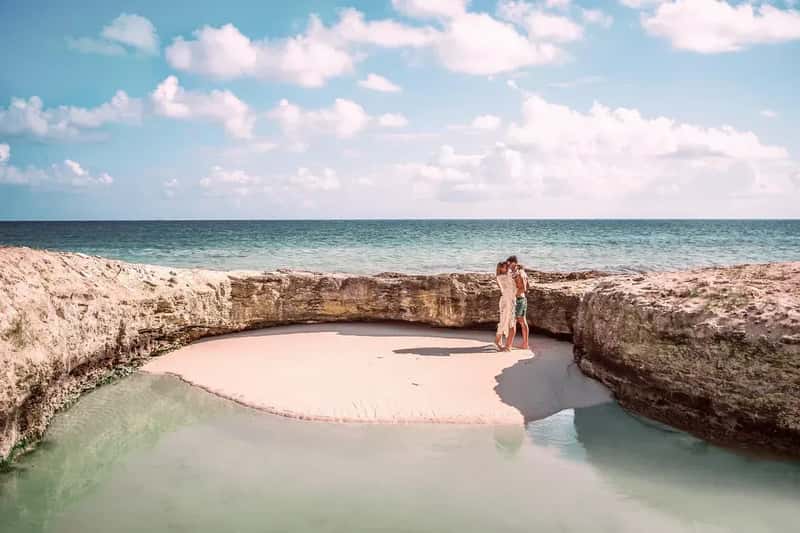
If you’ve been to Cancún or Playa del Carmen recently, you know what I’m talking about – the timeshare hustlers are relentless, and you can’t walk down the street without being stopped multiple times by people pretending to be friendly locals offering information, only to pivot into a high-pressure sales pitch.
Let’s be real – this happens in Playa too. Some travelers have said they won’t return to certain Mexican destinations specifically because of this harassment, with the local governments making some efforts to crack down, but it’s clearly not enough, and the problem persists. The difference is scale and intensity. Cancún’s sheer concentration of resorts means sales teams work in tighter spaces with more aggressive quotas. Playa’s more dispersed layout somehow makes the pressure slightly less suffocating.
Easier Access to Cozumel
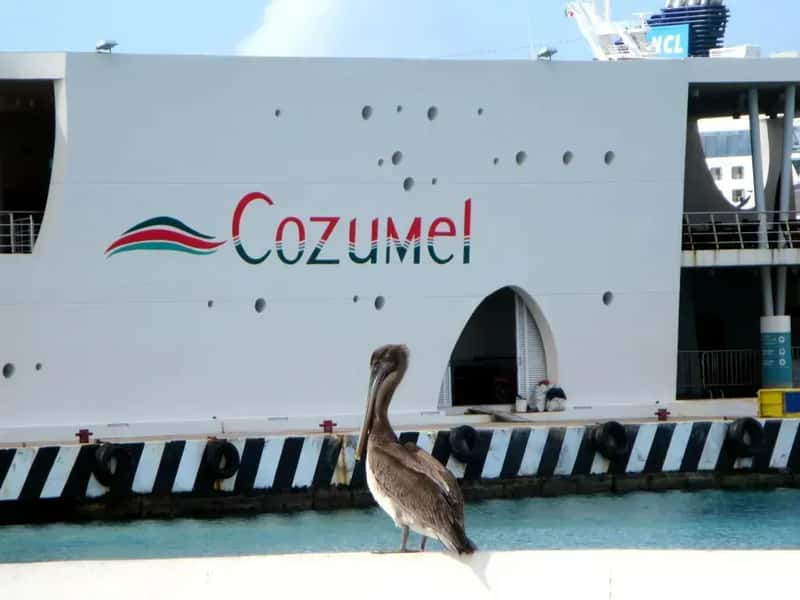
The island of Cozumel is just a 40-minute ferry ride off the coast from Playa del Carmen. The ferry terminal sits right in the center of town, making day trips to this diving paradise incredibly simple. You can have breakfast in Playa, spend the day diving or snorkeling Cozumel’s world-famous reefs, and return for dinner without the logistics feeling like an expedition.
From Cancún, reaching Cozumel requires either driving south to Playa del Carmen first or arranging more expensive private transfers. The added complexity and cost discourage many travelers from making what should be an easy excursion. Proximity matters when you’re trying to maximize your vacation experiences without exhausting yourself.
Growing Restaurant and Culinary Scene

Playa is super walkable, and since the tourist spots are mixed right into the local neighborhoods, you’ll come across tons of locally-owned restaurants, street food stands, and small shops, bringing a fun mix of cultures and plenty of variety when it comes to food. The immigrant community from various countries has created an unexpectedly diverse food landscape.
You’ll find everything from traditional Mexican street tacos to Argentine steakhouses, Italian trattorias, and vegetarian cafes. Playa del Carmen’s smaller size and emphasis on local culture make it easier to find unique, plant-based dining options, with constantly discovering new fantastic vegan restaurants offering delicious Mexican-inspired dishes. Cancún certainly has good restaurants, yet many hide inside resort compounds or cluster in expensive zones. Playa’s culinary treasures reveal themselves organically as you explore.
The shift from Cancún to Playa del Carmen reflects broader changes in how travelers approach vacations in 2025. Mass tourism destinations are losing appeal to places that balance accessibility with authenticity, convenience with character. Cancún experienced the most significant decrease, with American arrivals falling by 6.5%, with figures changing from approximately 3.09 million visitors during the first half of 2024 to about 2.89 million in the same timeframe of 2025.
Meanwhile, alternative destinations like Playa del Carmen are capturing the travelers who want something different. Not necessarily better in every way, just different in the ways that matter most to a growing segment of vacation seekers. Have you noticed this trend yourself? What would make you choose one over the other?