Picking a destination with a clean conscience is harder than it sounds. Plenty of places advertise themselves as green, but only some back that up with data, policy, or visitor rules that actually change how a trip works.
The twelve countries below were chosen because there’s something concrete behind their reputations. Some rank well on respected environmental indexes, others have unusual tourism policies, and a few simply make low impact travel easy. Where numbers are cited, they come from published sources, and I’ve tried to be clear about what they do and don’t measure.
Estonia: The Surprise Leader
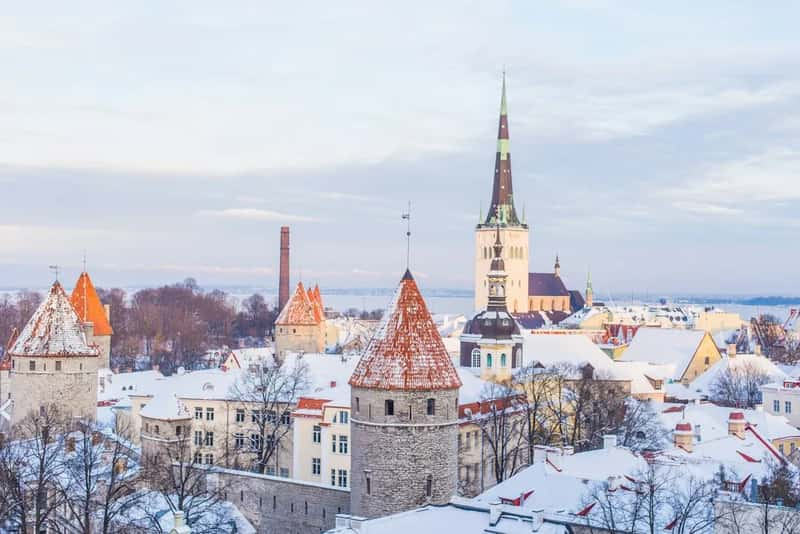
The 2024 Environmental Performance Index, produced by Yale and Columbia universities, ranks Estonia first, with a score of 75.7.[1] That index covers 180 countries and weighs 58 indicators[2], so the result isn’t a single flashy statistic. It reflects air quality, ecosystem health, and climate policy together.
Part of the story is energy. Estonia cut its greenhouse gas emissions by roughly forty percent by moving away from oil shale toward renewables.[3] For travelers, the payoff is quieter and more practical: forested coastlines, bogs you can walk across on boardwalks, and Lahemaa National Park, the country’s oldest and largest, which sits within easy reach of Tallinn.
Luxembourg: Small Country, Big Protected Spaces
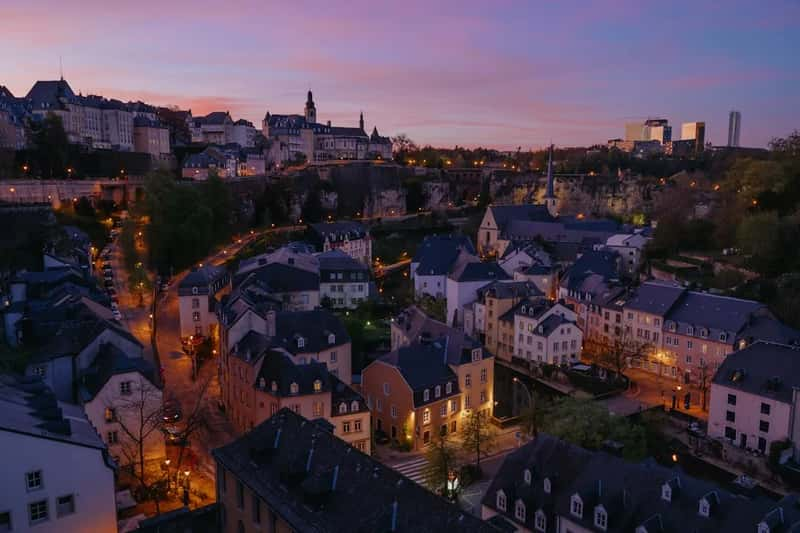
Luxembourg placed second in the 2024 index with a score of 75.1.[1] It earned the world’s second highest score for biodiversity and habitat, with over half its land protected.[3] That’s a notable figure for a country most people only know as a banking hub.
Getting around responsibly is simple here. Public transport across the whole country has been free since 2020, and that includes visitors, not just residents. Pair a few days in the capital with hiking in the Mullerthal region and you can skip the rental car entirely.
Germany: Rail Travel Done Properly
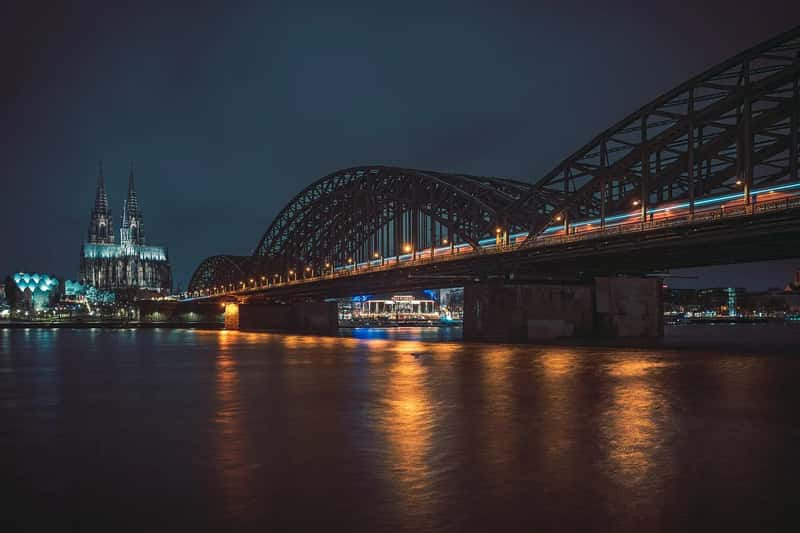
Germany came third in the 2024 index with a score of 74.5.[1] The country is still working through its energy transition, and about fifty six percent of its electricity came from renewables in 2025.[4] That’s a solid share, though not a finished job.
What makes Germany useful for mindful travelers is infrastructure. A dense rail network, a nationwide monthly pass for regional and local transport, and well marked cycling routes along rivers like the Rhine and the Elbe make car free itineraries realistic. Slow travel here feels like the default rather than a compromise.
Finland: Forests, Lakes, and Clean Power
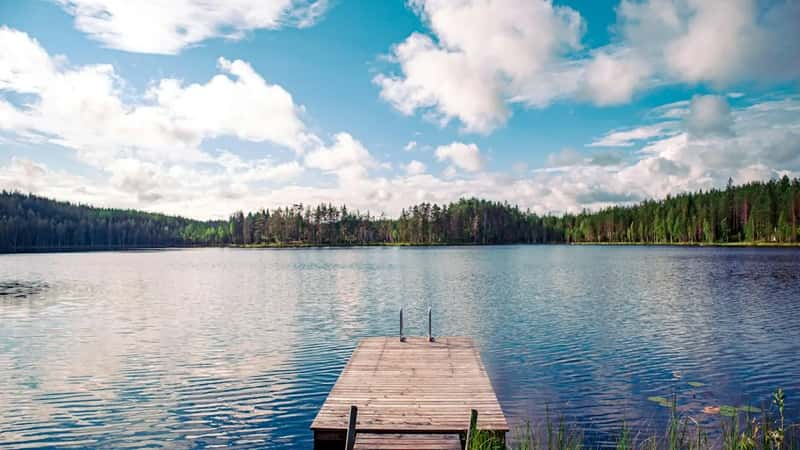
Finland ranked fourth in the 2024 index with a score of 73.8.[1] More than ninety percent of its electricity comes from low carbon sources such as wind, water, and biofuels.[3] It also placed third in the index’s environmental health category, behind Iceland and Norway.
Visitors benefit from a long tradition of public access to nature, often called everyman’s rights. In practice, that means you can hike, pick berries, and camp responsibly on much of the land, provided you respect the usual rules. Lakeside saunas and national park huts make it easy to stay close to the landscape without a heavy footprint.
Denmark: A Reminder That Rankings Move
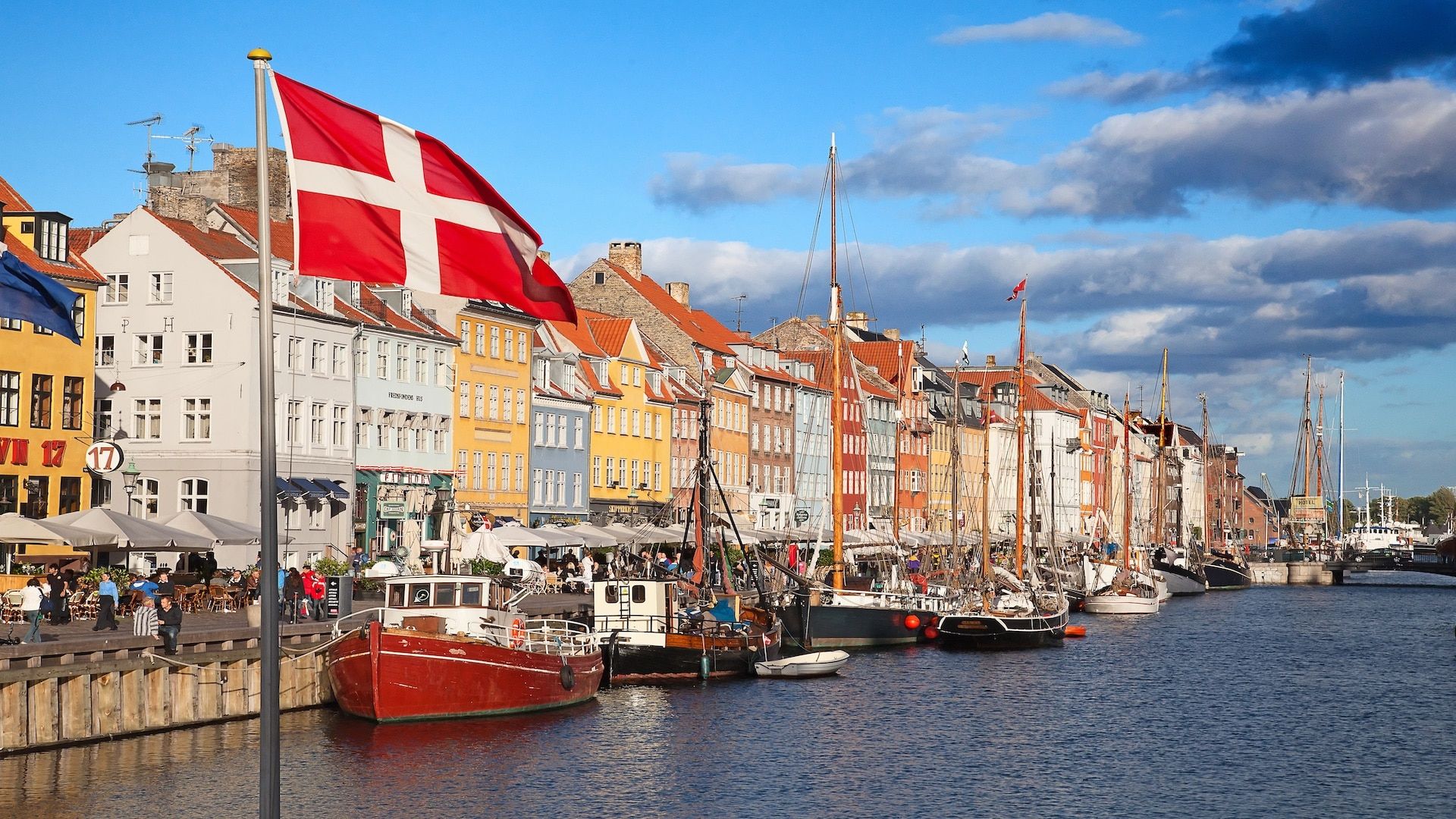
Denmark offers an honest lesson in how environmental progress works. It was one of the top ranked countries in the 2022 index but dropped to tenth place in 2024, which highlights how hard it is to cut emissions in sectors that are tough to decarbonize.[2] Tenth in the world is still a strong showing.
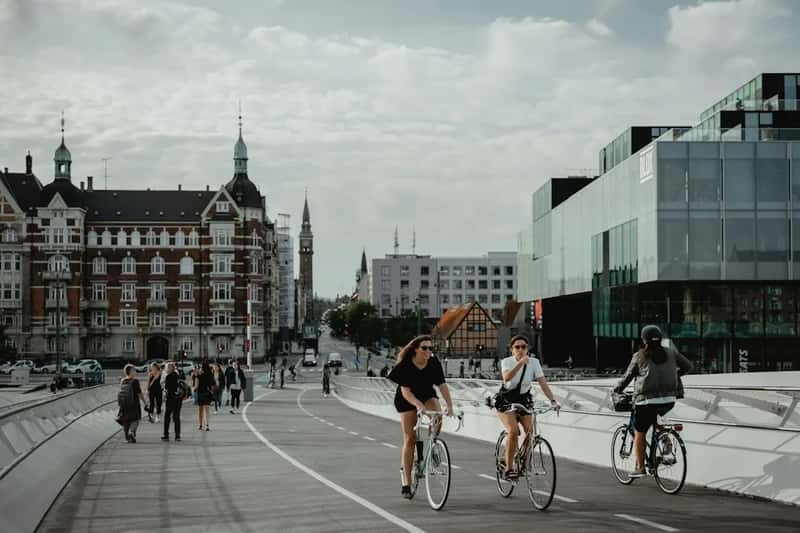
For travelers, Copenhagen remains one of the easiest cities to explore by bike. The city has also experimented with rewarding visitors for green behavior, through a scheme called CopenPay that ran in recent summers. Check whether it’s running before you go, since it was a time limited trial.
Iceland: Geothermal Heat and Spotless Environmental Health
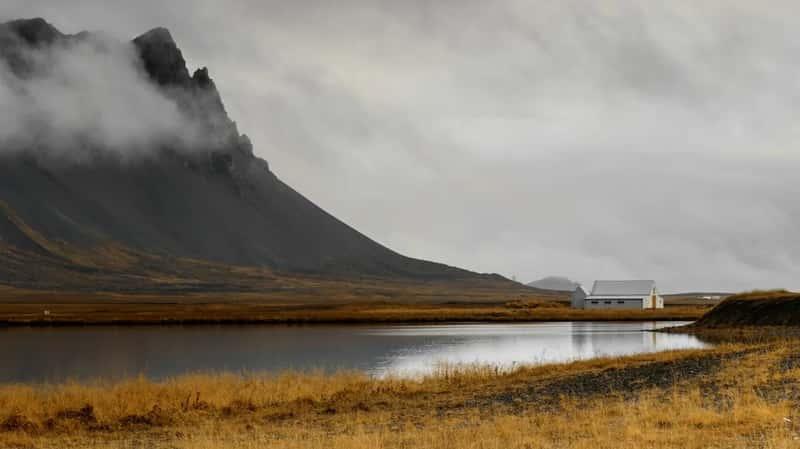
Iceland ranked first for environmental health in the 2024 index, with a score of 90.2.[5] The country’s electricity comes almost entirely from hydropower and geothermal sources, and geothermal water heats most of its homes. That’s a very different energy picture from most of Europe.
Tourism is the pressure point. Visitor numbers are large compared with Iceland’s small population, and fragile moss and highland tracks recover slowly. Staying on marked trails, avoiding off road driving, and spreading trips beyond the most photographed sites are the habits that matter most.
Norway: Fjords With Cleaner Rules
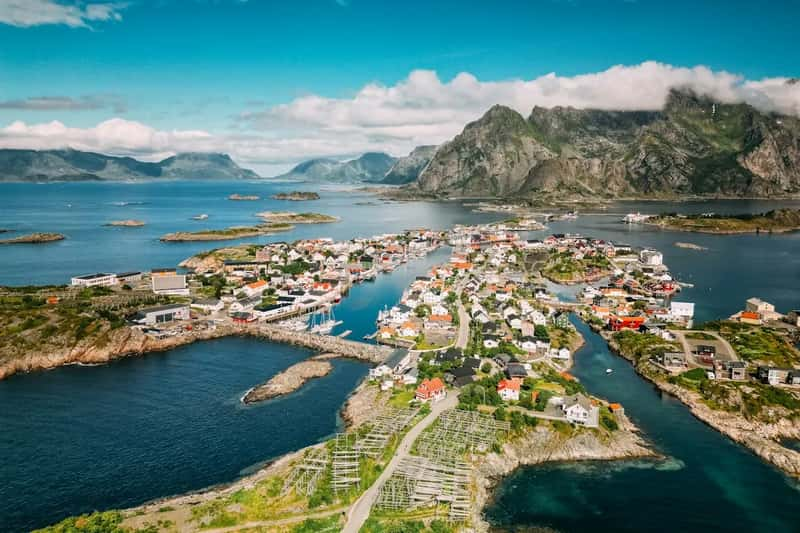
Norway came second in the 2024 index for environmental health, right behind Iceland.[5] It’s also known for electric cars, which have made up the vast majority of new car sales in recent years. As a visitor, you’ll notice quiet streets and plenty of charging points.
Sweden: Right of Access and Green City Credentials
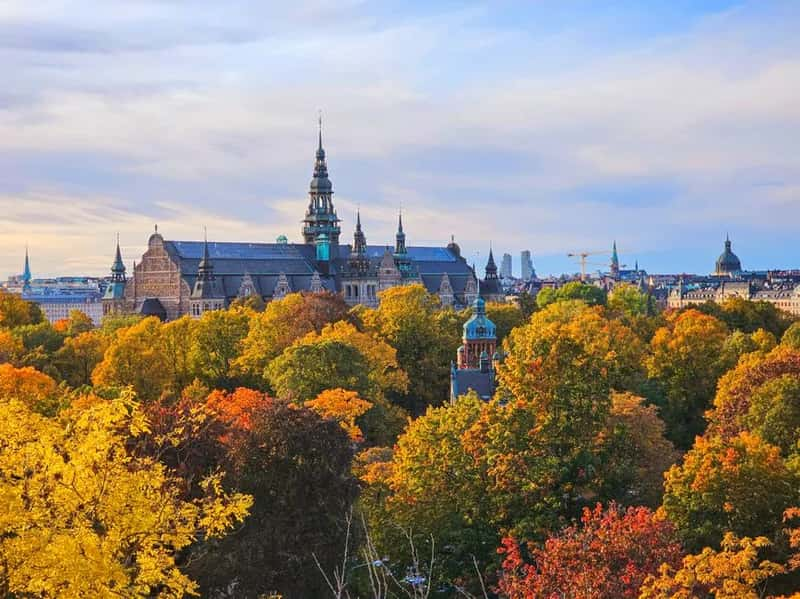
Sweden placed fourth for environmental health in the 2024 index, after Iceland, Norway, and Finland.[5] Together, the Nordic countries dominate that category. It’s a pattern that points to long term investment in clean air, water, and sanitation.
Sweden’s right of public access lets visitors walk, swim, and camp for a night or two on most land, as long as they leave no trace and respect privacy. Stockholm was the first city to hold the European Green Capital title, back in 2010. Trains between Stockholm, Gothenburg, and Malmö make an overland trip easy.
Slovenia: A National Green Scheme
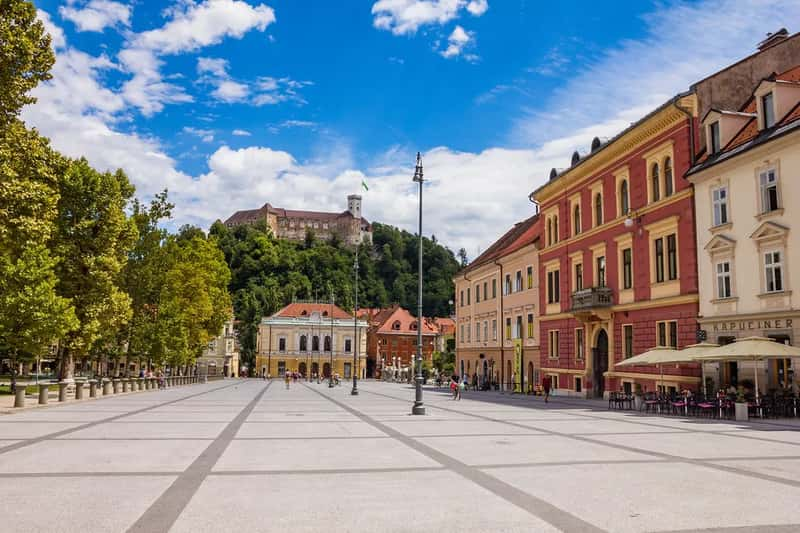
Few countries have organized sustainable tourism as systematically as Slovenia. In 2016, Green Destinations declared it the first green country in the world, with a ninety six percent compliance rate across one hundred sustainability indicators.[6] Eight Slovenian destinations also made the Green Destinations Top 100 Stories list for 2025.[7]
The national Green Scheme now reaches deep into the industry. It includes 58 destinations that account for more than ninety percent of all overnight stays in the country.[8] Ljubljana ranked 39th in the Global Destination Sustainability Movement’s international ranking.[9] Lake Bohinj, a quieter alternative to Lake Bled, is a good base for hiking and swimming.
Costa Rica: Renewable Power and Protected Rainforest
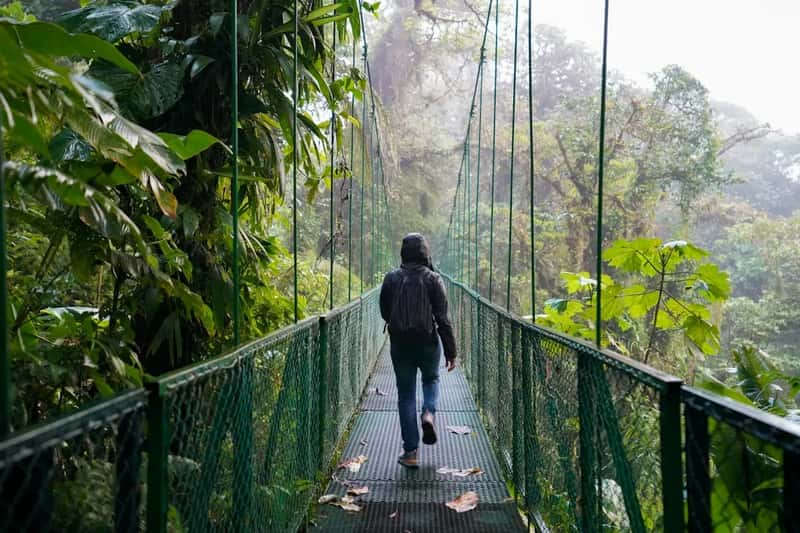
Costa Rica has long been the poster child for ecotourism, and the energy data supports some of that reputation. The country generated roughly ninety eight point six percent of its electricity from renewable sources in 2025.[4] That recovery followed a rough patch, because drought linked to El Niño in 2024 dragged the renewable share down to somewhere between eighty six and ninety one percent.[4]
It’s a useful reminder that hydropower heavy grids depend on rainfall. On the ground, about a quarter of the land is protected as national parks and reserves.[10] Choose locally owned lodges, certified tours, and slower itineraries in places like the Osa Peninsula, and your money tends to stay closer to the communities that protect these areas.
Bhutan: High Value, Low Volume

Bhutan takes a very different approach to tourism. It focuses on maintaining its status as one of the few carbon negative countries in the world.[11] To keep visitor numbers manageable, the Sustainable Development Fee is currently one hundred US dollars per person per night for most visitors, while Indian nationals pay a lower rate.[11]
Children aged six to twelve get a half price discount, and those aged five and under are exempt.[11] The reduced rate is valid until the end of August 2027,[12] so it’s worth checking current terms before booking. The fee funds conservation, culture, and public services, which makes it more than an entry charge.
Palau: A Pledge Before You Land

Palau is a small Pacific island nation with an unusual arrival ritual. Since 2017, visitors have been asked to sign the Palau Pledge, a promise to act in an ecologically responsible way, which is stamped into their passports. It’s symbolic, but it sets expectations before anyone gets near a reef.
The protections go further than the pledge. Palau has set aside about eighty percent of its waters as a national marine sanctuary, and it banned sunscreens containing certain reef harming chemicals in 2020. Dive operators and local guides are used to briefing visitors on how to behave around coral, so ask about their practices when you book.