When you turn on a tap somewhere in the world, the quality of what flows out can literally be a matter of life and death. While billions of people enjoy crystal-clear, safe drinking water straight from their faucets, others face contaminated supplies that threaten their health daily. Over 2 billion people globally lack access to safe water, creating a stark divide between nations that have mastered water treatment and those still struggling with basic sanitation infrastructure.
Estonia: Europe’s Water Quality Champion
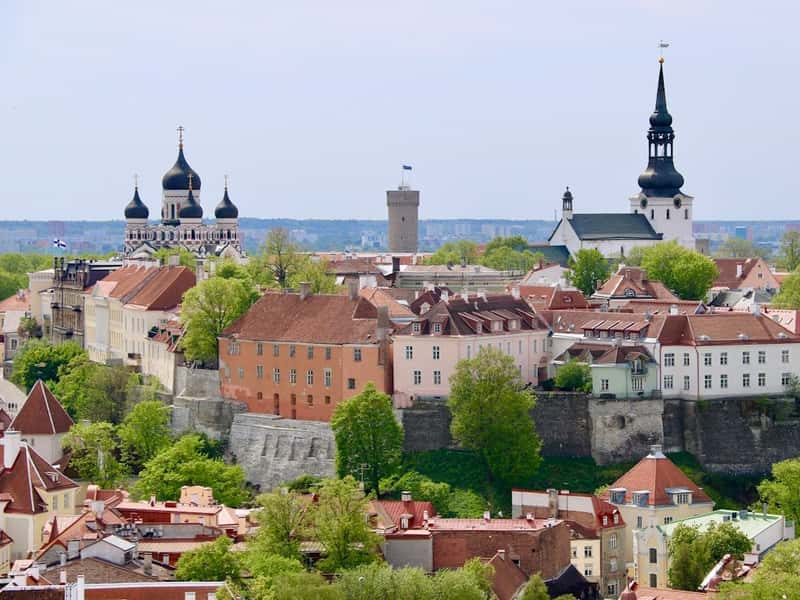
The small Baltic nation draws its pristine water supply from multiple sources, with the capital city, Tallinn, sourcing directly from Lake Ülemiste. What makes Estonia’s achievement even more remarkable is how its water remains exceptionally pure despite environmental challenges.
Estonia’s water treatment processes mean that the supply remains among the purest in the world, despite environmental challenges such as a plane crash that occurred in the lake in recent years. The country’s success stems from combining natural advantages with cutting-edge technology and strict environmental policies.
Luxembourg: Spring Water Paradise
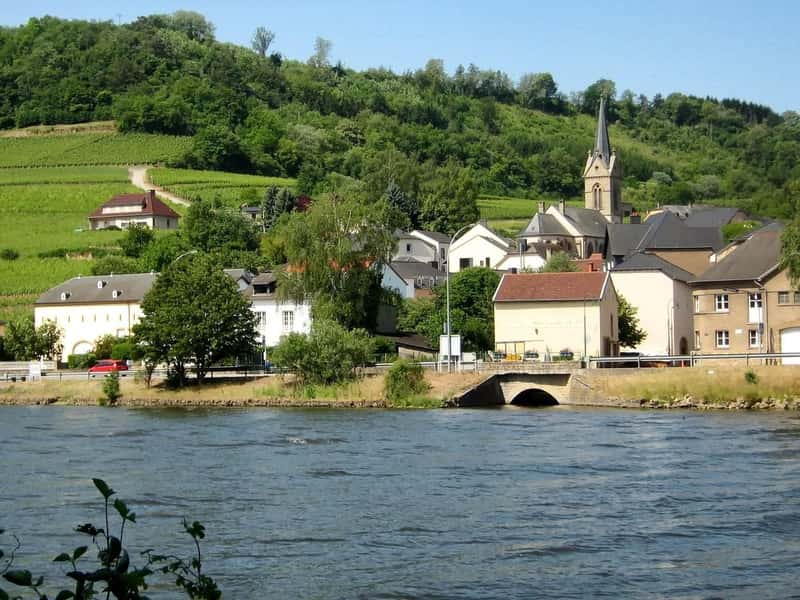
Luxembourg is one of those rare countries that provides water to its citizens directly from springs. These springs comprise 60% of the country’s water supply, with the remaining 40% sourced from the Upper Sûre Lake. This European microstate has built its reputation on accessing some of the continent’s most naturally pure water sources.
Despite containing some natural nitrates, the spring water found in Luxembourg has a nitrate level of 13 – 43 mg/L, these levels are well within the 50 mg/L threshold set by the European Environment Agency. Luxembourg’s commitment to protecting these natural sources ensures residents enjoy consistently excellent water quality year-round.
Germany: Advanced Treatment Excellence
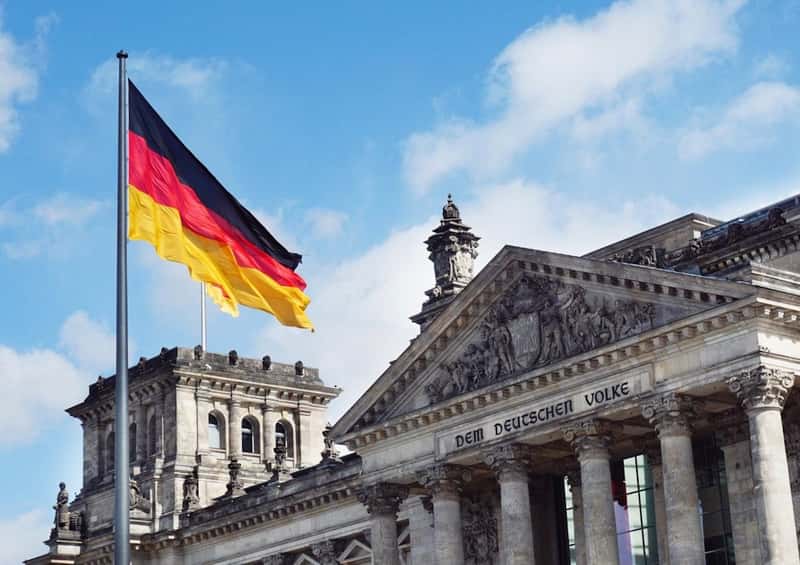
Germany ranks third in the 2024 Environmental Performance Index overall rankings, demonstrating how sophisticated infrastructure can transform water quality. Germany’s tap water quality is also strictly regulated by the government and is one of the cleanest in the world.
Germany’s tap water is sourced primarily from groundwater and natural springs. The nation’s success comes from decades of investment in water treatment technology, combined with some of the world’s most stringent water quality regulations.
Afghanistan: A Water Crisis Deepens
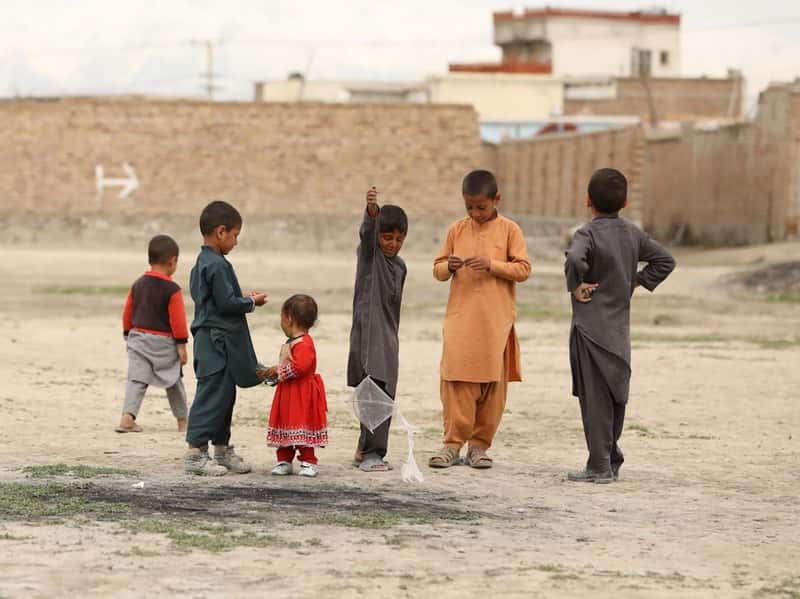
Afghanistan is facing significant challenges in providing clean drinking water. The country’s groundwater quality is poor due to natural and anthropogenic factors, including contamination from agricultural runoff and untreated sewage. Years of conflict have severely damaged the nation’s already limited water infrastructure.
Most drinking water is sourced from wells, rivers, and springs, which are often polluted. Afghanistan’s infrastructure for water treatment is underdeveloped, leading to widespread issues with waterborne diseases. Rural areas face particularly severe challenges, with many communities relying entirely on contaminated sources.
Pakistan: Eighty Percent Without Safe Water

Pakistan faces one of the most dire water pollution crises, with around 80% of the population lacking access to clean drinking water. This South Asian nation struggles with both quantity and quality issues, as rapid industrialization has contaminated many traditional water sources.
Pakistan is a South Asian nation where 50.6% of the people were capable of using safe drinking water in 2022. The country recorded a low EPI score of 15.30 in 2022. Urbanization and inadequate sewage treatment have created a perfect storm for water contamination.
Central African Republic: Six Percent Access Rate

In the Central African Republic and Chad, only six percent of the population has access to safely managed drinking water, making them the countries in the world where the lowest share of the population has access to clean drinking water. This landlocked African nation faces multiple challenges that compound its water crisis.
Political instability and extreme poverty have prevented investment in basic water infrastructure. Most residents rely on contaminated surface water sources, leading to frequent outbreaks of waterborne diseases that claim thousands of lives annually.
Myanmar: Infrastructure Lagging Behind
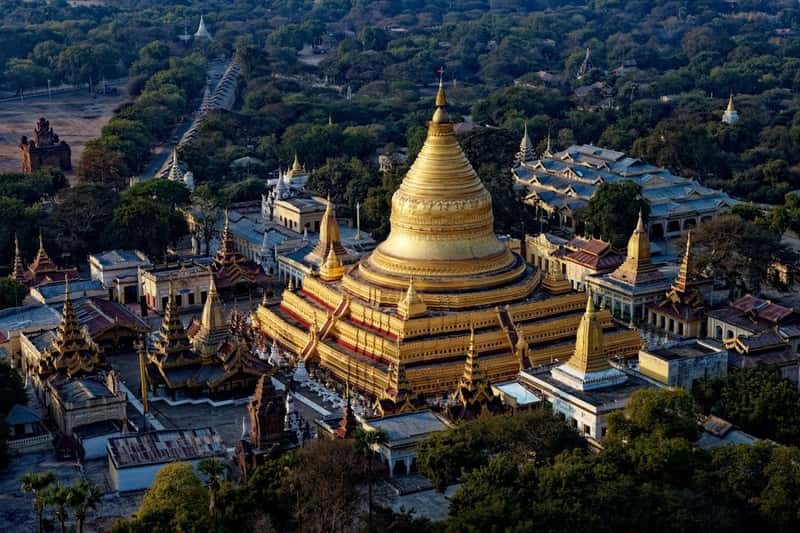
In rural areas, water quality assessments are rare, leaving many unaware of the contamination levels of the groundwater. This, coupled with a lack of reliable water treatment infrastructure, is why waterborne diseases are so widespread in Myanmar. Political upheaval has further complicated efforts to improve water systems.
Myanmar ranks among the lowest five countries in the Environmental Performance Index, reflecting the urgent need for international assistance and infrastructure development to address this humanitarian crisis.
Laos: Mekong River Disruption
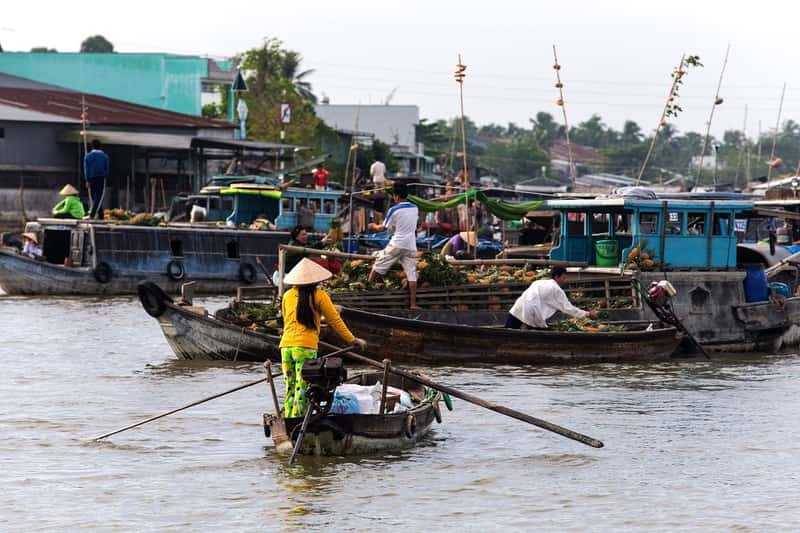
Hydropower development along the Mekong River disrupts water flow and increases contamination. Rural communities face extreme water scarcity, relying on polluted sources for daily needs. The country’s ambitious dam-building projects have created unintended consequences for water quality downstream.
The 2021 Lao National WASH Survey revealed that only 18% of the population has access to safe water, and sanitation services are inadequate in healthcare facilities. This lack of infrastructure leaves residents incredibly vulnerable to waterborne diseases.
The Science Behind Water Quality Rankings
The EPI measures water quality in terms of “age-standardized disability-adjusted life-years lost per 100,000 persons (DALY rate) due to exposure to unsafe drinking water”. According to the DALY scale, a score of 100 indicates countries with the purest and least-contaminated water, and a score of 0 indicates the 5% of countries with the most contaminated water on the planet.
This scientific approach provides objective measurements that go beyond simple safety assessments. The methodology considers long-term health impacts and disease burden, offering a comprehensive picture of how water quality affects entire populations over time.
The stark contrast between nations like Estonia and Afghanistan reveals how geography, economics, and political stability all play crucial roles in water quality. While technological solutions exist to treat almost any water source, the resources and political will to implement them remain unevenly distributed across our planet. What will it take for every person to have access to the same quality tap water that flows freely in Luxembourg’s springs or Estonia’s treatment facilities?