is one of those places that rewards curiosity. It’s sprawling, loud, layered with history, and packed with enough color and flavor to fill a dozen trips rather than one. Whether you have three days or three weeks, a handful of experiences stand out as genuinely essential, the kind of things locals will insist you don’t skip. Here are seven that consistently earn their place on every serious itinerary.
1. Explore the Pyramids of Teotihuacan
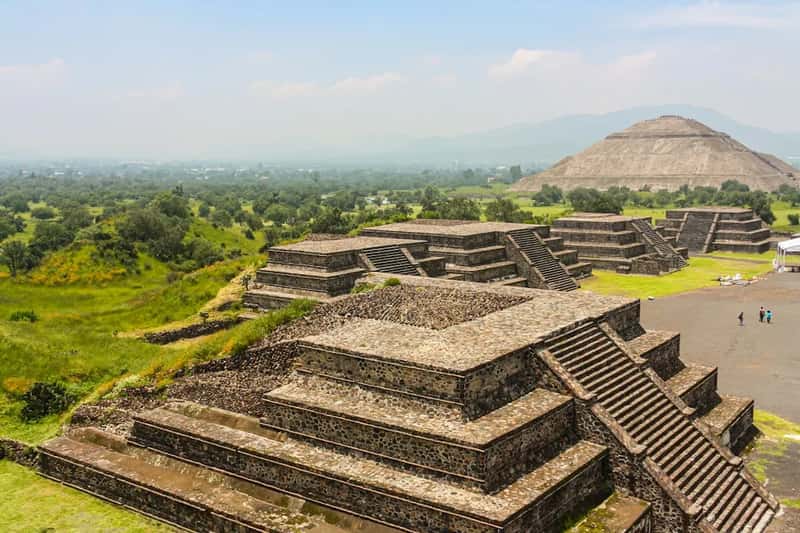
No trip to Mexico City feels complete without a day trip to Teotihuacan, the ancient city that predates the Aztecs entirely. This UNESCO World Heritage site, often called the ‘City of the Gods,’ predates the Aztecs and reveals a sophisticated pre-Columbian civilization that flourished between 100 BCE and 650 CE. The site sits about 50 kilometers (31 miles) northeast of the capital, making it an unforgettable day trip that you can accomplish with a public bus, an Uber ride, or an organized tour.
The highlight for most visitors is the chance to actually climb. You can still climb the pyramids at Teotihuacan, as the Pyramid of the Moon reopened for climbing in May 2025 after a five-year closure, and the Pyramid of the Sun has been climbable throughout. The Pyramid of the Sun stands 65 meters tall with 248 steps, and the climb takes most visitors 15 to 20 minutes at a steady pace. Give yourself enough time to wander, since most visitors spend two to four hours at the site, though a more comprehensive visit including the museum and multiple complexes can take up to six hours.
2. Step Into Frida Kahlo’s Casa Azul

Few museums anywhere offer as intimate a window into an artist’s life as the Frida Kahlo Museum, better known as La Casa Azul. La Casa Azul was Frida Kahlo’s home for 36 of her 47 years, a place that accompanied her throughout her life. Walking through the rooms feels less like touring a museum and more like stepping into someone’s actual home, complete with her personal belongings, artwork, and the garden she loved.
This is one attraction where planning ahead genuinely matters. Tickets to the museum are only available online and tend to sell out weeks in advance, so it’s worth grabbing them early on the museum’s official website. For general admission, an adult ticket runs around 320 Mexican pesos, roughly 15 to 18 US dollars, and includes access to the nearby Diego Rivera Anahuacalli Museum. Pair the visit with a wander through Coyoacán’s cobblestone streets and markets afterward for the full experience.
3. Glide Through the Canals of Xochimilco
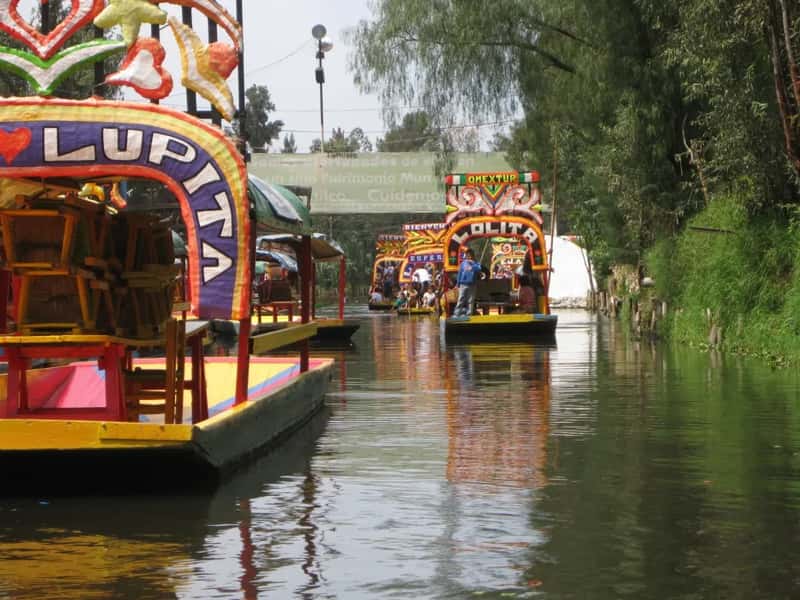
Xochimilco offers a rare glimpse of what Mexico City’s valley looked like before it was drained and paved over centuries ago. Dubbed the “Venice of Mexico,” it is home to a system of canals that preserves a pre-Hispanic method of agriculture and farming, and Xochimilco became a UNESCO World Heritage site in 1987, alongside the Templo Mayor in downtown Mexico City. The colorful flat-bottomed boats, called trajineras, are the whole point of the visit.
Weekends bring the biggest crowds and liveliest atmosphere, with mariachi bands and food vendors drifting between boats. On a Sunday afternoon, you’ll find yourself floating on a brightly painted trajinera while mariachi bands serenade you from passing boats and vendors paddle up selling corn on the cob and cold beers. Beyond the party scene, the canals also matter ecologically, since Xochimilco is the last natural habitat of the critically endangered axolotl, with pre-Hispanic agricultural techniques still practiced on artificial islands dating back centuries.
4. Explore Chapultepec Castle and Its Park
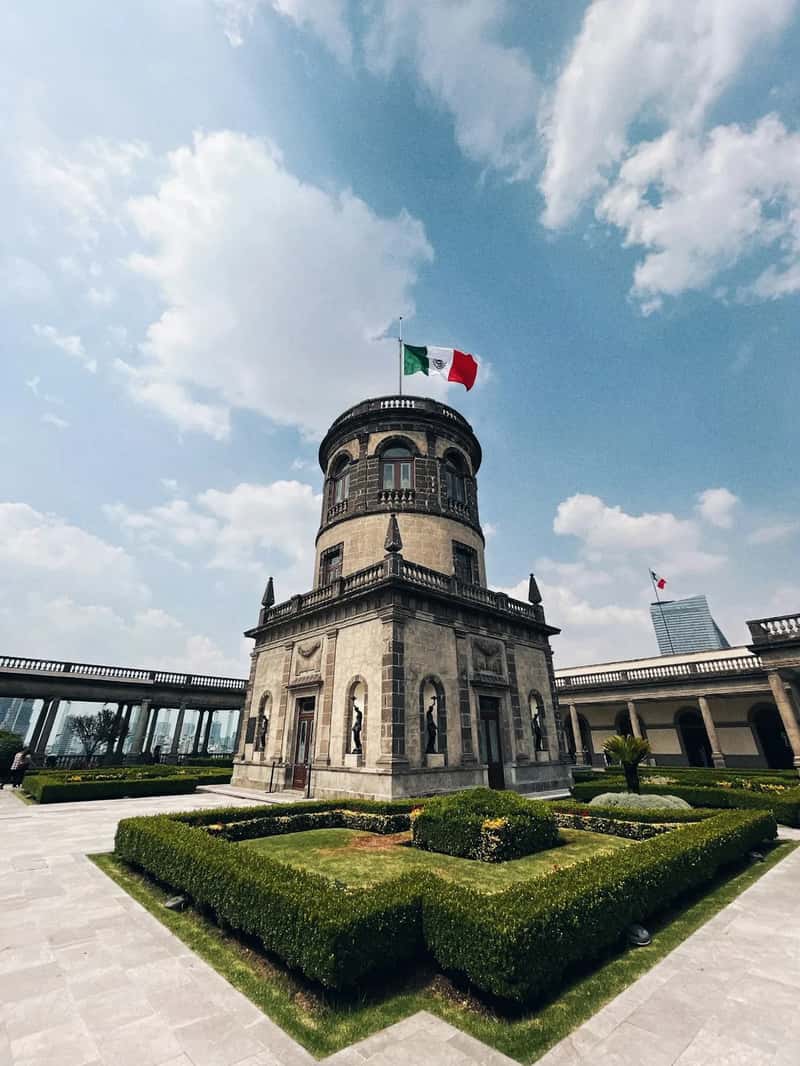
Perched above one of the largest urban parks in Latin America, Chapultepec Castle has served as everything from a military academy to an imperial residence. In 1864, Emperor Maximilian transformed Chapultepec Castle into an imperial residence, and since 1944, it has been home to the Museo Nacional de Historia. The castle also carries heavy historical weight tied to the Mexican-American War, when six young cadets, ages 13 to 19, known as Los Niños Héroes, lost their lives defending the military academy against American forces.
Beyond the history, the castle rewards visitors with sweeping city views and elegant interiors. The palace houses the National Museum of History, which showcases impressive murals and stunning stained glass galleries, and visitors can also stroll through the castle’s manicured gardens while enjoying panoramic views of downtown. Arrive early, since crowds build quickly on weekends and the walk uphill is more pleasant before the midday sun sets in.
5. Watch a Lucha Libre Match at Arena México
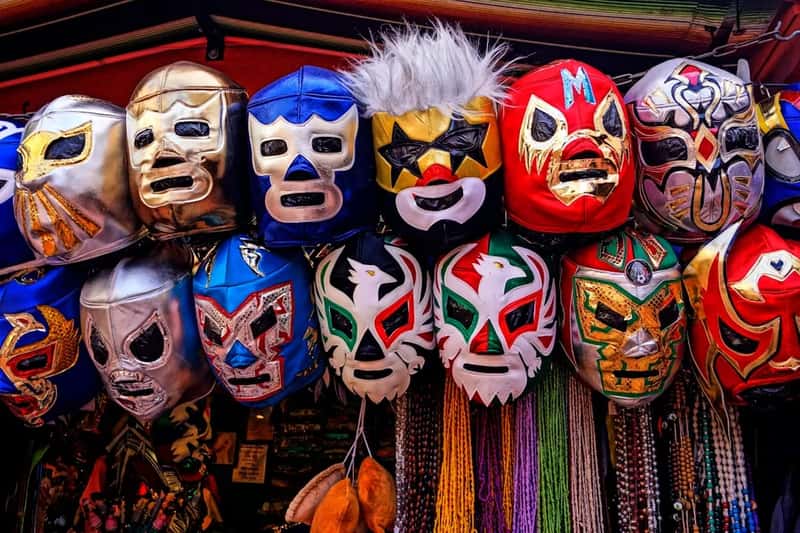
Mexican wrestling is theater as much as sport, and there’s no better place to see it than Arena México, the sport’s spiritual home. The most famous venue is Arena México, located in Colonia Doctores, just east of Roma Norte. Fans there don’t hold back, and all of the fans are either cheering the heroes or booing the villains, while the acrobatics and sheer strength of the wrestlers are honestly jaw dropping.
The tradition runs deep, tracing back nearly a century. Lucha libre translates to freestyle wrestling, a uniquely Mexican form of professional wrestling that dates back to the early 1930s, beginning when a former colonel from the Mexican Revolution invited an American wrestler to Mexico to stage exhibition matches. Shows run on a regular schedule, with Arena México hosting matches on Tuesday, Friday, and Sunday nights, with Friday being the biggest event of the week. Grab a mask outside the arena before heading in, since wearing one is practically expected.
6. Wander the Zócalo and the Templo Mayor Ruins
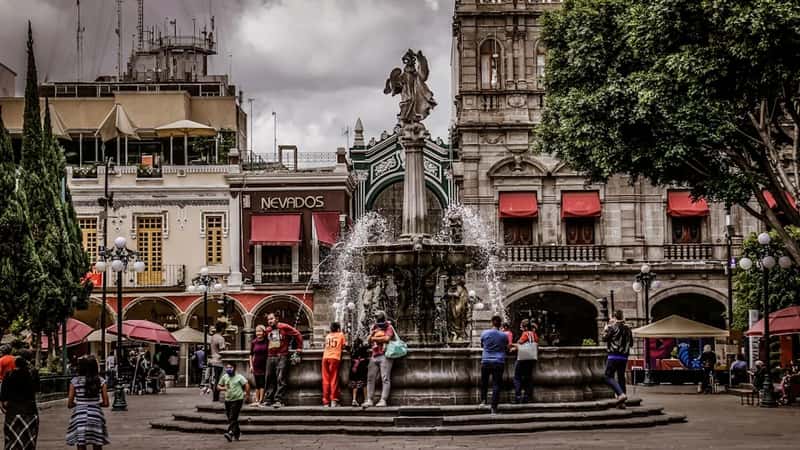
The heart of Mexico City is its main square, the Zócalo, flanked by the Metropolitan Cathedral and the National Palace. Just steps away sit the excavated ruins of the Templo Mayor, the primary temple of the Aztec capital Tenochtitlan, which was rediscovered by utility workers in the late 1970s and has been under careful excavation ever since. Standing among the stone platforms, you’re looking at the literal foundation of the city that once dominated Mesoamerica before Spanish colonization reshaped it entirely.
The surrounding Centro Histórico rewards slow wandering, from the ornate Palacio de Bellas Artes to the narrow streets lined with cantinas and colonial-era buildings. It’s easy to spend half a day simply moving between the square, the ruins, and the small museum attached to the Templo Mayor site, which houses artifacts uncovered during the excavation. Evenings here bring a different energy, with the cathedral illuminated and street vendors setting up along the plaza’s edges.
7. Feast on Mexico City’s Street Food and Markets
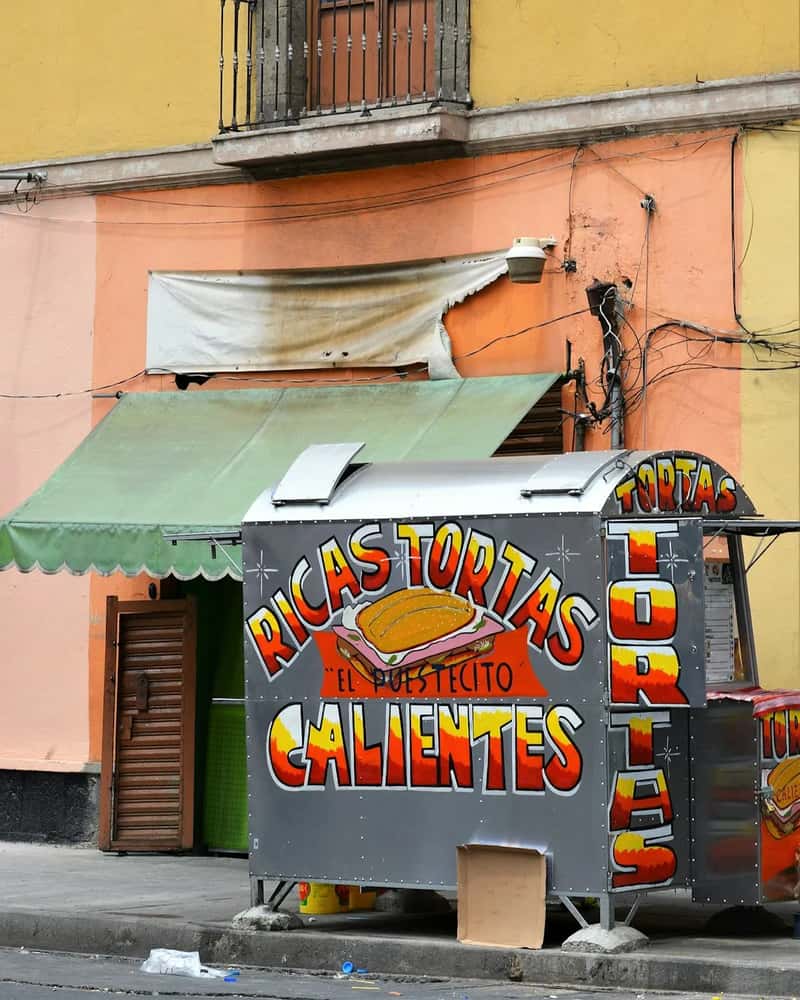
No list of essential Mexico City experiences would be honest without mentioning the food, and specifically the street food. Tacos al pastor, carved straight from a vertical spit, are the obvious starting point, but the city’s markets go far beyond that single dish, offering everything from tlacoyos and quesadillas to fresh fruit dusted with chili and lime. Wandering a market like Mercado de San Juan or a neighborhood tianguis gives you a far more textured sense of daily life than any restaurant meal could.
What makes the food scene here special isn’t just the variety, it’s the sheer accessibility of it. Street stalls operate on nearly every corner in neighborhoods like Roma, Condesa, and the Centro Histórico, and prices remain low enough that trying several dishes in one outing is easy on the wallet. Pair a few street food stops with a sit-down meal at a traditional fonda, and you’ll leave with a far better understanding of why Mexico City’s culinary reputation keeps growing internationally.
Mexico City rewards travelers who mix the grand and the everyday, ancient pyramids one day and a plate of tacos from a corner stall the next. These seven experiences only scratch the surface of what the city offers, yet together they capture its layered identity better than almost anything else you could do here. Plan a little, stay flexible, and let the city’s rhythm carry you the rest of the way.