You’ve booked the flights, researched the hotels, and mapped out the museums. Your bags are packed, your camera charged, and you’re ready to immerse yourself in a new culture. Yet even seasoned travelers stumble into awkward situations that could have been easily avoided with a bit of preparation. Let’s be real, no one wants to be the clueless tourist who accidentally offends locals or worse, breaks the law. Here’s the thing: some of the most common mistakes happen because travelers simply don’t know what they don’t know. So before you board that plane, take a moment to understand what you might be getting wrong.
Wearing the Wrong Clothes at Religious Sites

Inappropriate dress at religious and cultural sites is one of the most common faux pas Western tourists commit. It’s shocking how often this happens. Visitors show up to ancient temples, mosques, and cathedrals in tank tops, short shorts, and flip-flops, completely unaware they’re violating sacred dress codes.
Vatican City enforces strict dress codes for entry into St. Peter’s Basilica, museums, and other religious sites, requiring shoulders, knees, and midriffs to be covered for both men and women, with security staff potentially denying entry. Similarly, visitors to temples in Thailand must cover their shoulders and knees, remove their shoes, and avoid revealing clothing, with failure to comply potentially leading to fines or denied entry. In India, temples and other religious sites require modest dress with covered shoulders and knees being the norm, where tourists in shorts, sleeveless tops, or revealing outfits risk offending worshippers and may be denied entry.
The solution is simple but requires advanced thought. Pack a lightweight scarf or shawl that can quickly transform your outfit from beach casual to temple appropriate. Loose linen pants work better in hot climates anyway.
Getting Tipping All Wrong

Honestly, tipping confusion creates some of the most cringe-worthy travel moments. Americans especially struggle because they’re accustomed to leaving substantial tips everywhere. Survey respondents admitted that tipping inappropriately was a top 10 mistake they have made while traveling internationally, as tipping practices in the top 20 international countries visited by Americans expose key differences among destinations.
In some countries, like Japan, South Korea, Sweden, Norway,y and Iceland, tipping is not customary or outright discouraged, and being aware of these places will help travelers avoid awkward situations. In fact, in South Korea, tipping is not customary and can even be seen as awkward or insulting, as service charges are typically included in the bill, and handing over extra money may confuse or embarrass staff. In China, tipping can be interpreted as insulting, and if you dotipi,p you may find that your tip is refused by your waiter.
Meanwhile, cultural differences play a significant role in tipping etiquette across Europe, with some countries, es such as France or Italy,y where tipping is more customary, while in others, like Germany or Switzerland,d it may be less common. The best approach? Do your homework before you travel, and when in doubt, ask locals or hotel staff about expectations.
Ignoring Cultural Body Language and Gestures
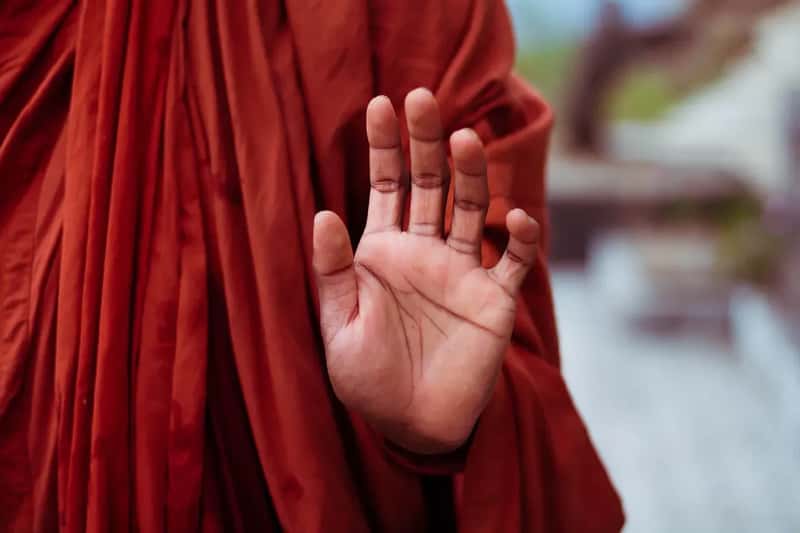
What seems like a harmless gesture at home can be deeply offensive elsewhere. In Thailand, pointing with your index finger is considered impolite, especially toward people or sacred objects, as locals often use their whole hand or chin gestures instead. Tourists unaware of this convention may inadvertently come across as rude when simply asking for directions.
In Iran and Iraq, giving a thumbs-up gesture is one of the worst non-verbal insults you can make. In many Middle Eastern countries, the left hand is traditionally considered unclean and should not be used for eating, offering gifts, or shaking hands, with tourists unaware of this potentially offending unintentionally during meals or interactions. Personal space norms vary widely,y too. Etiquette around personal space can vary greatly by culture, and if you notice that everyone is comfortable cramming into a subway car like sardines, es then by all means join them, but if you’re in a country where people keep their distance, be sure to follow suit.
Cultural awareness means paying attention to how locals interact with each other and following their lead rather than assuming your home customs apply everywhere.
Expecting Everyone to Speak English

I know it sounds crazy, but walking into a foreign country and demanding everyone speak your language is remarkably common. The second most frequent mistake, according to a survey,y was “expecting everyone to speak English” at 67%. This attitude doesn’t just create communication barriers; it comes across as entitled and disrespectful.
There’s nothing worse than a traveller who refuses to speak to a native in their mother tongue, which can often come across as entitled. Learning even a handful of basic phrases demonstrates respect and often opens doors that remaining monolingual keeps firmly shut. People genuinely appreciate it when visitors make the effort, even if pronunciation is terrible.
Download a translation app before you leave. Learn to say hello, thank you, excuse me, and where is the bathroom in the local language. These tiny efforts make massive differences in how you’re received. Plus, attempting the local language often leads to warmer interactions and sometimes even helpful insider tips from appreciative locals.
Breaking Local Laws Without Realizing It

CNN published a list of the worst-behaved tourists from 2023, a disturbing collection that includes national park visitors interfering with wildlife, which ultimately led to the animal’s euthanasia, social media influencers disrespectfully disrobing at sacred sites for the sake of a picture, and the destruction of priceless historical monuments. These aren’t just etiquette mistakes; they’re actual crimes.
Amsterdam launched a “Stay Away” campaign in 2023 and “Amsterdam Rules” in 2024, primarily targeting British tourists traveling for stag parties. Reports emerge of inappropriate tourist behavior,r including “chasing geisha down the street, touching their kimono, taking pictures without consent,” and these incidents represent more than isolated bad behavior. According to research, while conducting business abroad,d more than 70% of inexperienced American travelers commit cultural faux pas.
The consequences can be serious. Some destinations now impose hefty fines for dress code violations, public intoxication, or damaging cultural sites. Ignorance isn’t an acceptable defense. Before traveling, check embassy websites and travel advisories for your destination to understand what behaviors might land you in legal trouble.
What do you think about these common mistakes? Have you witnessed tourists making these errors, or perhaps made a few yourself? Share your thoughts in the comments.