Mexico is one of those destinations that seems to live in two completely different realities at the same time. On one hand, it’s all turquoise water, ancient ruins, and street tacos that make you want to cry happy tears. On the other, it shows up in international headlines with stories that make nervous travelers think twice about booking that flight.
Honestly, the truth is neither the paradise the Instagram crowd promises nor the war zone the tabloids love to depict. It’s something more nuanced, more complicated, and – if you do your homework – very much worth visiting. Here’s everything you need to know before you go.
Mexico in 2026: A Travel Giant With a Complex Safety Story
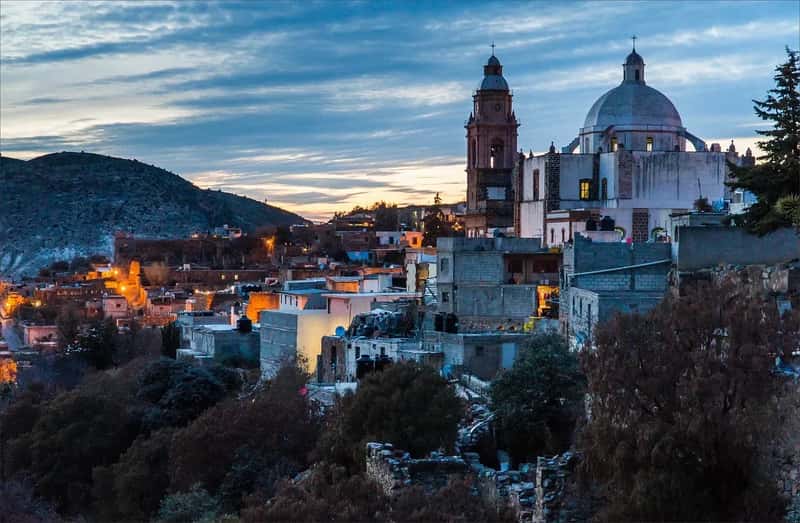
In 2024, a total of 45.04 million international tourists visited Mexico, and that number only kept climbing. Mexico received 47.8 million international tourists in 2025, up from 45 million in 2024, marking a historic year for an industry that contributes approximately 8% of total GDP. That’s more visitors than most countries ever dream of welcoming in a single year.
There were more than 36.8 million visits by Americans to Mexico in 2024, according to the U.S. Commerce Department. Still, Mexico is a paradox – an incredibly popular destination for American tourists that has the most active State Department travel advisories of any country in the world. Think about that for a second. The most visited. The most warned about. Both things are true.
International tourism generated $32.96 billion in 2024, which tells you that travelers aren’t staying away. The money, the foot traffic, the selfies at Chichén Itzá – it’s all still very much happening. The key, as we’re about to unpack, is knowing exactly where you’re going.
How the U.S. State Department Officially Rates Mexico Right Now
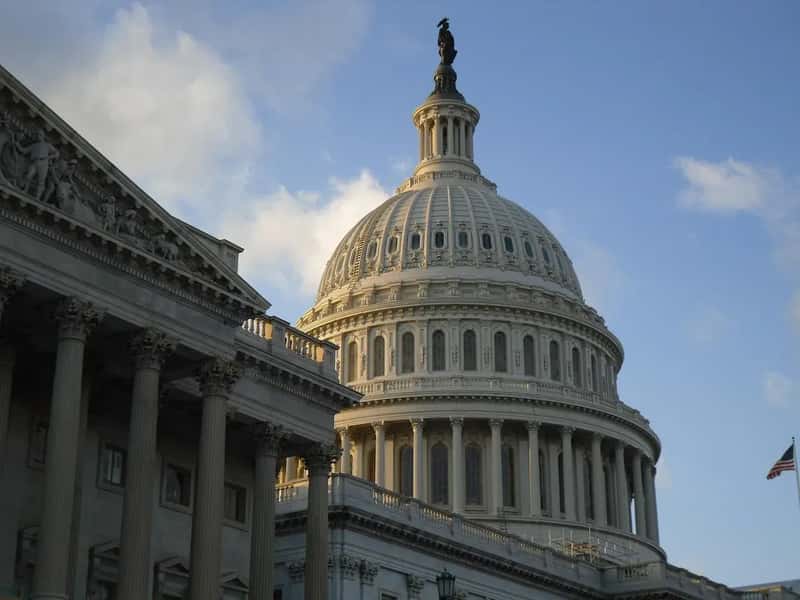
Updated on August 12, the advisory raised Mexico to a Level 2 alert, citing risks tied to violent crime, terrorism, and kidnapping. This is the most sweeping official safety designation Mexico has ever received as a whole country, and it caught a lot of travelers off guard when it dropped.
According to the U.S. State Department’s current travel advisory, many popular tourist destinations remain at Level 2, Exercise Increased Caution. That is the same advisory level assigned to countries like France, Germany, and the United Kingdom. That comparison matters. It puts things into perspective without sugarcoating the real risks that do exist.
Government advisories classify different states by risk level: Level 4 (Do Not Travel) for some border areas and high-risk zones; Level 3 (Reconsider Travel) for states with serious security concerns; Level 2 (Exercise Increased Caution) for popular destinations like Cancun, Tulum, and Mexico City; and Level 1 (Exercise Normal Precautions) for the safest areas. Understanding this hierarchy is genuinely the most important thing you can do before booking your trip.
The Safest States in All of Mexico: Yucatán and Campeche
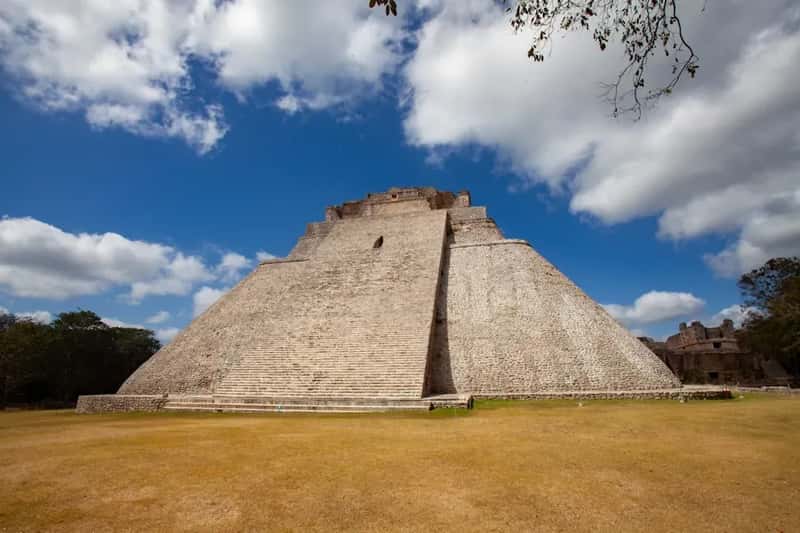
The Yucatán state and the adjacent state of Campeche are the only two Mexican states which have never seen a travel warning issued by the U.S. Department of State. They are widely regarded as being the safest parts of the country by a long shot. That is a remarkable distinction in a country where nearly every other state carries some level of official caution.
The Yucatán state has consistently been ranked as the safest state in Mexico for the last 7 years, with Campeche also consistently featuring in the top ten list. Seven consecutive years at the top is not luck. It reflects something structural and cultural about how these regions operate.
From the colonial streets of Mérida to the coastal charm of Campeche City, travelers can explore the area’s history and beaches with confidence, supported by reliable infrastructure and a welcoming local community. The violent things that have happened in other parts of Mexico simply don’t happen here, and while other states have seen crime waves following the pandemic, these southeastern states have not.
Mérida: Mexico’s Safest City Is Also One of Its Most Beautiful
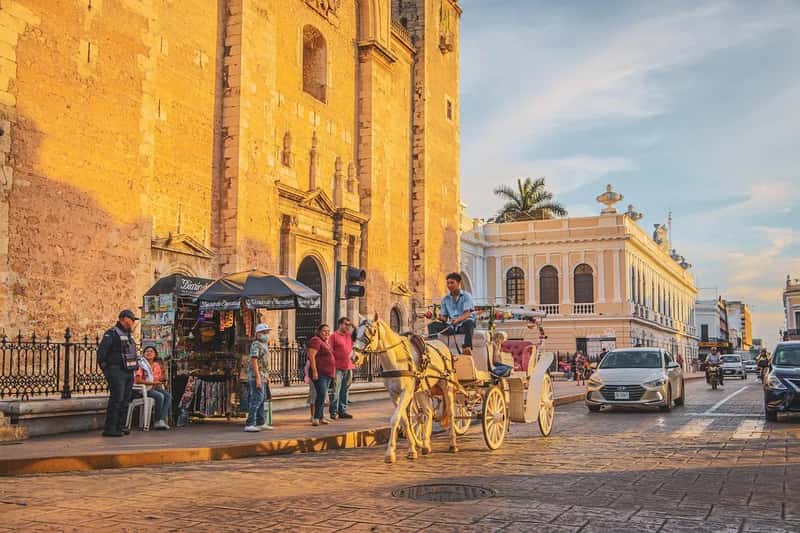
Located in the state of Yucatán, the city of Mérida is often ranked as the safest city in Mexico. Thanks to its low crime rates and welcoming atmosphere, it attracts many visitors and expats seeking peace and security. And it’s not just safe, it’s genuinely stunning in a way that feels unhurried and deeply authentic.
According to La Jornada Maya, Mérida’s International Airport has seen a 3.7 percent increase in arrivals in the first quarter compared to 2024. In numbers, that’s exactly 1,239,442 travelers recorded from January to April 2024, already the highest start-of-year figures Mérida has seen since tracking began. The city is having a major moment, and it’s earned every bit of it.
There were no tourist deaths linked to cartel violence in major resort zones in 2024, and Mérida’s homicide rate stands at 2.0 per 100,000 people, which is comparable to quiet, small-town America. Often topping global safety lists, Mérida is a model for urban security in Latin America, known for its colonial beauty, Mayan heritage, and modern services.
Cancún, Riviera Maya, and Tulum: Popular, Policed, But Not Perfect
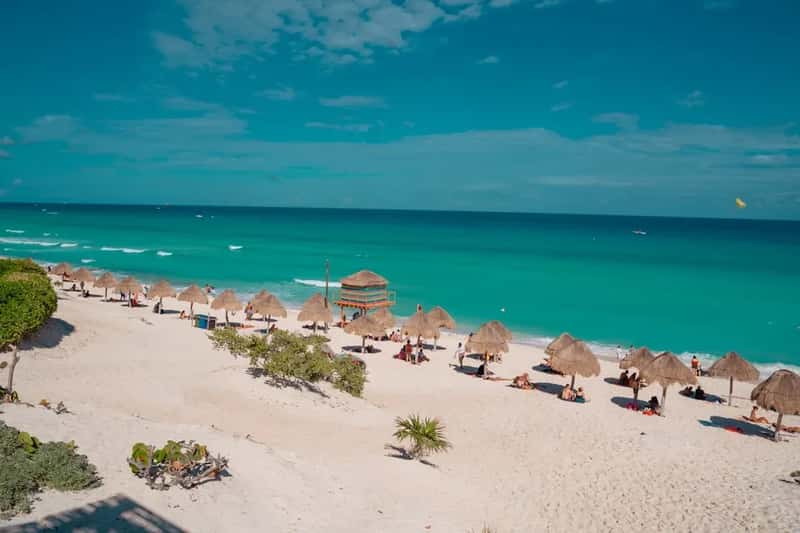
The travel advisory for Cancún and the Riviera Maya sits at “Exercise Increased Caution” (Level 2). The U.S. State Department notes that crime can happen anywhere, and there have been isolated incidents of gang violence that have unfortunately affected public areas. However, these are almost never directed at tourists.
The Riviera Maya has a heavy police presence, with National Guard patrols on beaches. It can feel a bit militarized, but it keeps tourists safe. Meanwhile, Tulum has seen an increase in drug-related violence in party zones. The jungle eco-chic vibe is real, but so is the nightlife risk. Stay in well-lit areas and you’ll be fine.
In February 2025, the U.S. Embassy issued a broader safety message ahead of spring break, warning of crime, drug-related incidents, unregulated alcohol, and sexual assault in downtown areas of Cancun, Playa del Carmen, and Tulum. That warning was specific to party zones and late-night venues, not the beach itself. Context is everything here.
Los Cabos and Baja California Sur: Luxury Enclaves With Smart Boundaries

While the state of Baja California Sur is at a Level 2: Exercise Increased Caution due to crime, the State Department has no travel restrictions for its own government employees in the main tourist corridors of Cabo San Lucas and San Jose del Cabo. That is the clearest possible signal that the resort zones themselves are considered genuinely safe.
The Los Cabos region draws close to 4.5 million tourists a year, indicating visitor trust based on established safety protocols. That kind of footfall doesn’t happen in places where tourists feel genuinely endangered. The reputation holds up on the ground.
In May 2025, increased security followed cartel threats targeting U.S. citizens in Cabo and Cancun. Resort zones remain heavily policed and widely considered safe. Travelers should stay within established tourist areas and use official transportation. Stick to the tourist corridor and you’re in good shape. Wander far outside it without local guidance, and the story changes fast.
Mexico City: A Metropolis of Contrasts Where Neighborhood Is Everything
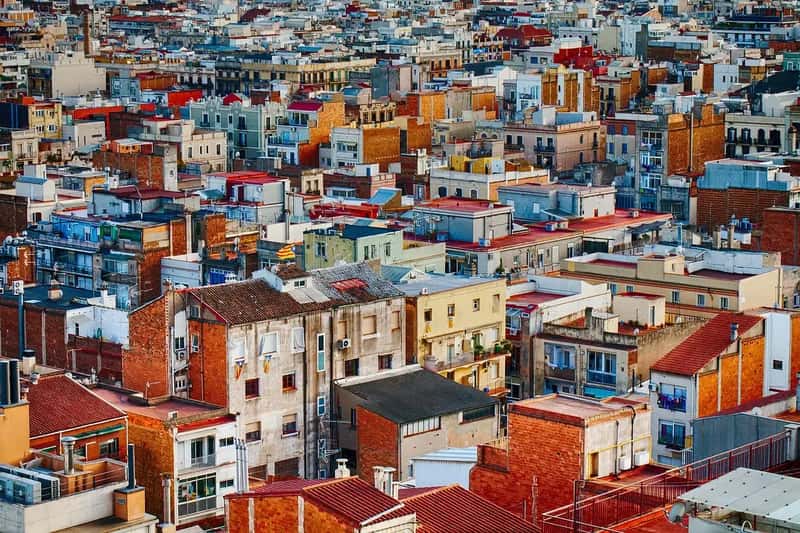
Mexico City offers a mix of ancient history and modern attractions. Tourist-heavy areas such as Polanco, Condesa, Roma, and Coyoacán are generally safe, with an increased police presence in these neighborhoods. It’s best to avoid less-touristy areas after dark. That advice applies to virtually every major city on Earth, and Mexico City is no different.
Mexico City was named the Best Cultural City in the World in 2024 by Time Out magazine. That’s not the kind of recognition a city earns if travelers are fleeing in terror. For a safer stay, it’s best to stick to areas like Roma, Condesa, Nápoles, and Polanco, appreciated for their safety and pleasant atmosphere.
Mexico City has pink buses and subway cars exclusively for women and children. Use them – they are usually at the front of the train. Little infrastructure details like this tell you something real about a city’s commitment to visitor safety. It’s thoughtful, practical, and worth knowing before you arrive.
The Level 4 States You Must Avoid Entirely
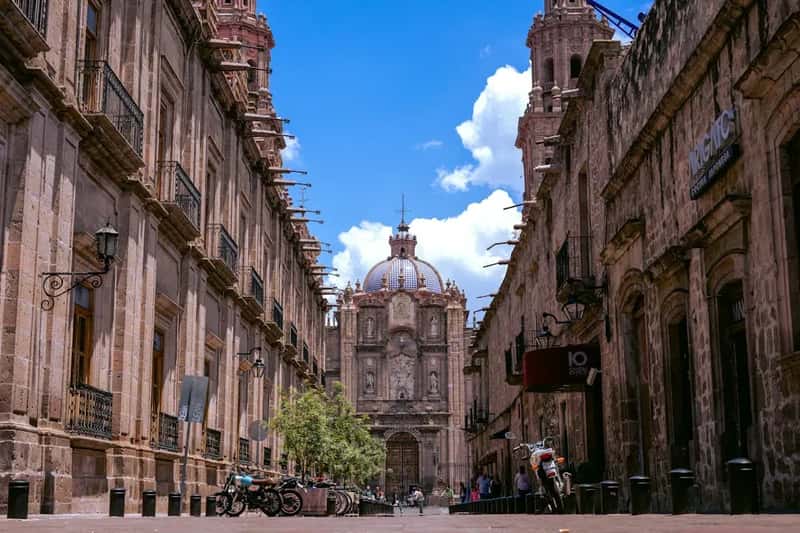
Colima, Guerrero, Michoacán, Sinaloa, Tamaulipas, and Zacatecas are all classified as Level 4 – Do Not Travel states. Colima had the highest per-capita homicide rate in Mexico in 2024, and the other five states are also known for cartel activity and violence. The State Department warns of the risk of terrorism and crime in all six states.
Tamaulipas carries a Level 4 designation because organized crime activity is common along the northern border and in Ciudad Victoria. Criminal groups target public and private passenger buses as well as private automobiles traveling through Tamaulipas, often taking passengers hostage and demanding ransom payments. This is not hyperbole. It is documented, recurring, and dangerous.
Guerrero, a southern state known for its mountainous terrain and vibrant communities, has long been plagued by violence. In 2024, Guerrero’s homicide rate stood at 37.5 per 100,000 people, driven by cartel wars, extortion, and kidnapping. The state has been a battleground for cartel operations, with groups vying for control of lucrative drug production areas. U.S. government employees may not travel to any area in the state of Guerrero, including tourist areas Acapulco, Zihuatanejo, Taxco, and Ixtapa.
The Level 3 Warning States: Caution Without Full Avoidance
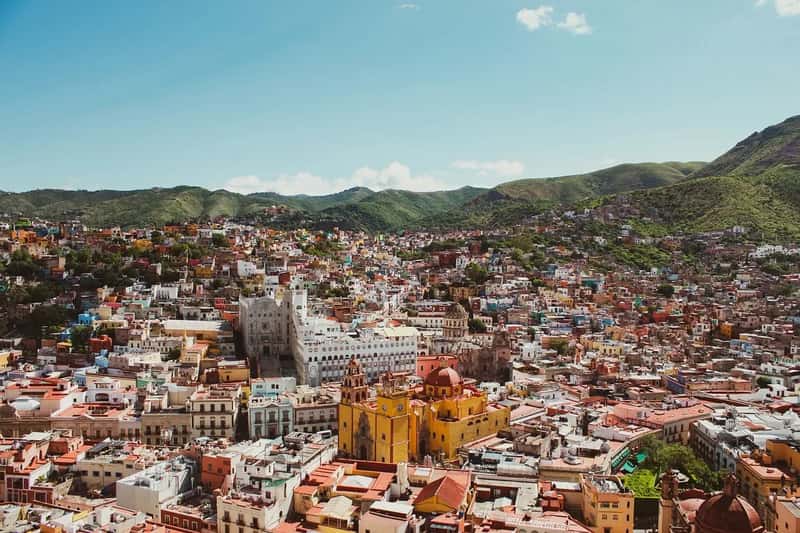
The Level 3 states, meaning Reconsider Travel, are: Baja California, Chihuahua, Durango, Guanajuato, Jalisco, Morelos, and Sonora. These are not blanket no-go zones, but they require real situational awareness and careful route planning.
The state of Jalisco is marked as somewhere that you should reconsider traveling to. However, Puerto Vallarta is one of the most popular travel destinations in the country, while Lake Chapala and Ajijic are home to some of Mexico’s largest expat and retiree communities. This is why state-level advisories can be misleading. A Level 3 state can still contain Level 1 pockets of calm. The trick is knowing which pocket you’re in.
Baja California, situated on Mexico’s border with the U.S., is one of the country’s most violent states, with a homicide rate of 46.5 per 100,000 people in 2024. As a key entry point for drugs and illicit goods into the U.S., the state has long been a hotspot for cartel activity. Tijuana specifically carries a reputation that the data fully backs up, and both the U.S. and UK governments have issued strong warnings to avoid non-essential travel there.
Practical Safety Tips for Every Traveler Heading to Mexico in 2026
Travelers should watch for wristband scams, where scammers impersonate hotel staff by spotting guests’ wristbands and lead them to overpriced shops. ATM skimming is also common, with criminals installing card readers on machines to steal banking data – always use ATMs in hotel lobbies or bank branches. These are the kind of low-level threats that are far more likely to affect you than any cartel confrontation.
Use Uber, DiDi, or official taxis – avoid unmarked cabs, especially at night. Withdraw cash only from bank ATMs or inside malls, and use official exchange counters. These habits alone will protect you from the vast majority of tourist-targeted crime in Mexico’s cities and resort areas.
No matter what road you’re on in Mexico, avoid driving at night. Environmental factors from late 2025, including severe flooding and landslides in central and eastern Mexico, especially Veracruz, Hidalgo, and Puebla, have led to ongoing infrastructure repairs in 2026. While major tourist hubs like Cancún, Los Cabos, and Mexico City remain largely unaffected, travelers should check local updates if visiting rural or mountainous regions. One last thing: always purchase travel insurance that includes medical evacuation, because no matter how safe your destination, emergencies don’t care about your itinerary.
Conclusion: Mexico Is Worth It – If You Travel Smart
Here’s the honest truth: millions of people visit Mexico every single year and come back with nothing but glowing memories. The country’s safety picture is complicated, uneven, and deeply geographic. A trip to Mérida feels as calm as a weekend in the countryside. A road trip through Tamaulipas is a genuinely different story.
The travel advisories exist for real reasons, and you should read every single one specific to your destination before you book. Much of the high-profile violent crime reported in Mexico is related to organized criminal groups and often occurs away from primary tourist areas. However, incidents can and sometimes do affect bystanders, and petty crime remains a concern even in resort areas. Knowing this doesn’t mean you should stay home. It means you should travel informed.
Mexico rewards curious, prepared travelers with some of the most extraordinary experiences on the planet. The food, the ruins, the coastlines, the people – none of that disappears because you chose to check an advisory first. In fact, knowing the landscape makes you a better traveler, not just a safer one. So, where would you choose to go first?