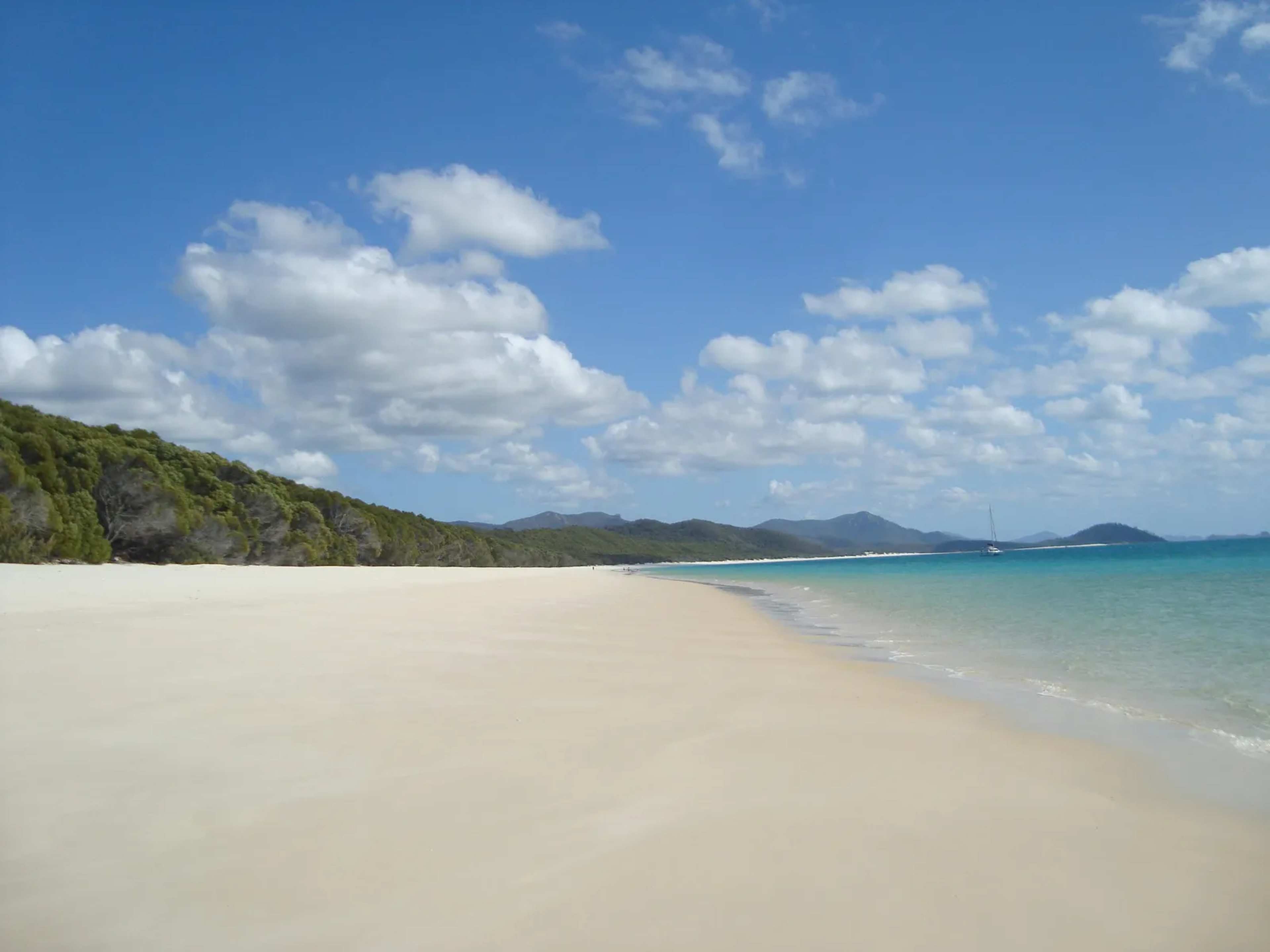
US moves to allow commercial fishing in Pacific marine protected areas – Image for illustrative purposes only (Image credits: Unsplash)
President Donald Trump signed an executive proclamation on June 11 that reopens large sections of remote Pacific marine national monuments to commercial fishing. The move reverses prior protections across roughly 1.3 million square kilometers of ocean. Officials framed the decision as a step to support American fishing fleets and economic activity in distant waters.
Scope of the New Access
The proclamation targets portions of three monuments in addition to earlier changes. Rose Atoll, the Mariana Trench, and Papahānaumokuākea now face reduced restrictions that together span nearly 1.8 million square kilometers. These zones include coral atolls, deep trenches, and isolated islands far from mainland ports.
Industrial methods such as longlines stretching for kilometers and purse seine nets exceeding 2,000 meters will be permitted in the reopened zones. The gear targets tuna but also captures other species as bycatch. The policy applies to areas previously closed to such operations under monument designations.
Timeline and Prior Steps
This action follows a similar proclamation issued in April 2025 that first opened the Pacific Islands Heritage Marine National Monument, formerly known as the Pacific Remote Islands Marine National Monument. That site covers about 1.3 million square kilometers. The June 2026 order expands the footprint of reopened waters by a comparable amount.
Both proclamations cite the goal of restoring fishing opportunities that existed before monument expansions. The combined effect reduces protections across a total area larger than many countries. Implementation details, including exact boundaries and enforcement, remain under development by federal agencies.
Implications for Visitors and Ecosystems
These remote Pacific sites have drawn growing interest from travelers seeking diving, snorkeling, and wildlife viewing in pristine conditions. Reduced protections raise questions about long-term habitat quality for species that support such tourism. Endemic fish, sharks, seabirds, turtles, and marine mammals inhabit the zones and could face added pressure from expanded fleets.
Local communities and conservation organizations have highlighted risks of overfishing and disruption to culturally significant waters. The areas hold value not only for biodiversity but also as destinations where visitors experience intact marine environments. Changes in fishing intensity may alter the appeal of these locations over time.
Competing Perspectives on the Decision
Supporters emphasize potential gains for commercial operators and coastal economies that rely on tuna harvests. They argue the monuments had overly restricted traditional fishing grounds without clear conservation gains. Federal statements note that sustainable management practices will continue under existing fisheries rules.
Critics counter that the scale of reopened waters could undermine recovery efforts for vulnerable populations. They point to the effectiveness of the gear involved and the presence of species found nowhere else. Monitoring programs will track outcomes, though results may take years to assess fully.
Key points for travelers:
- Remote Pacific monuments now allow industrial fishing in large sections.
- Changes affect sites popular for diving and eco-tourism.
- Impacts on marine life will unfold over coming seasons.
The policy shift marks a notable adjustment in how the United States balances resource use and protection in its Pacific territories. Travelers planning visits to these distant waters may encounter evolving conditions in the years ahead.