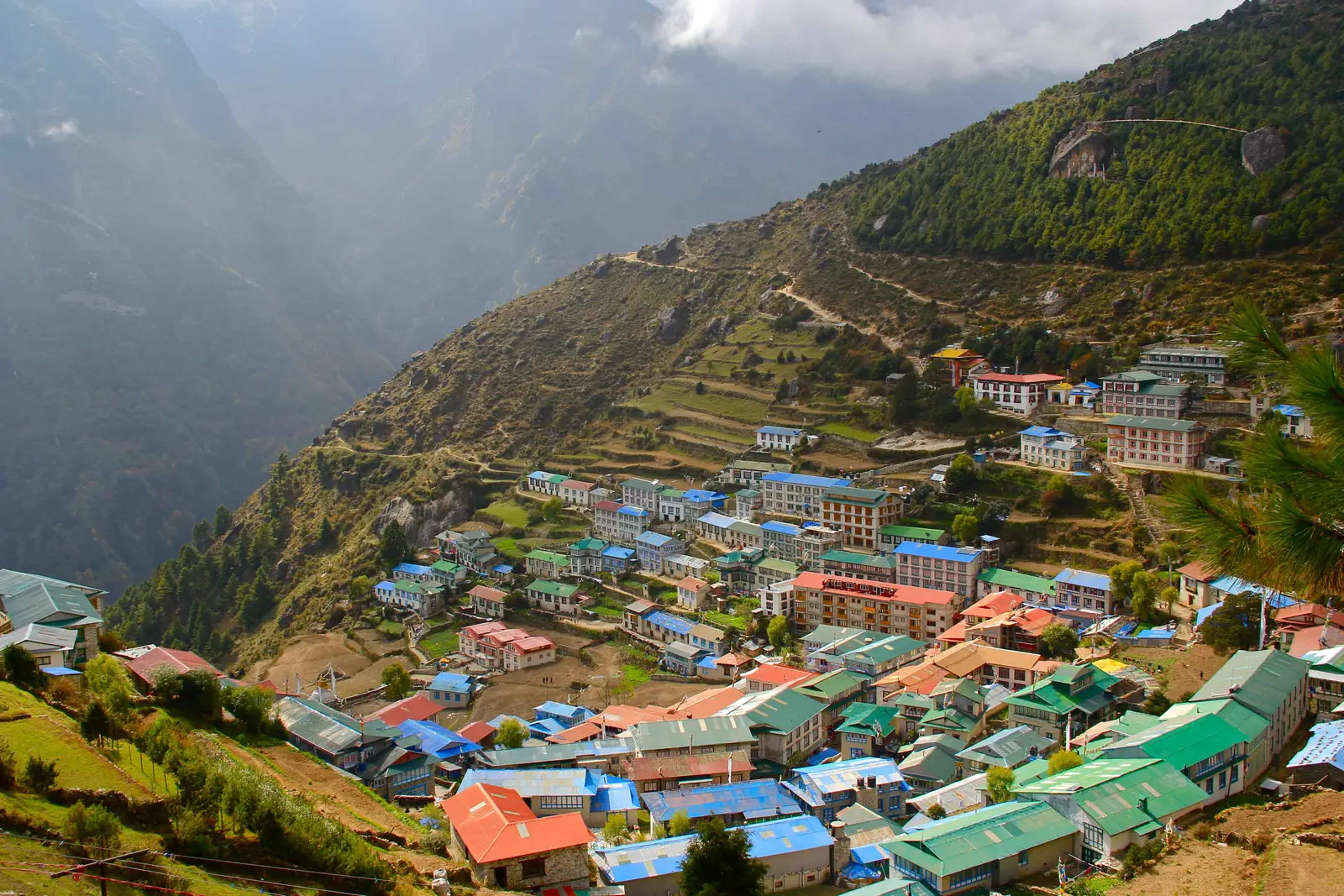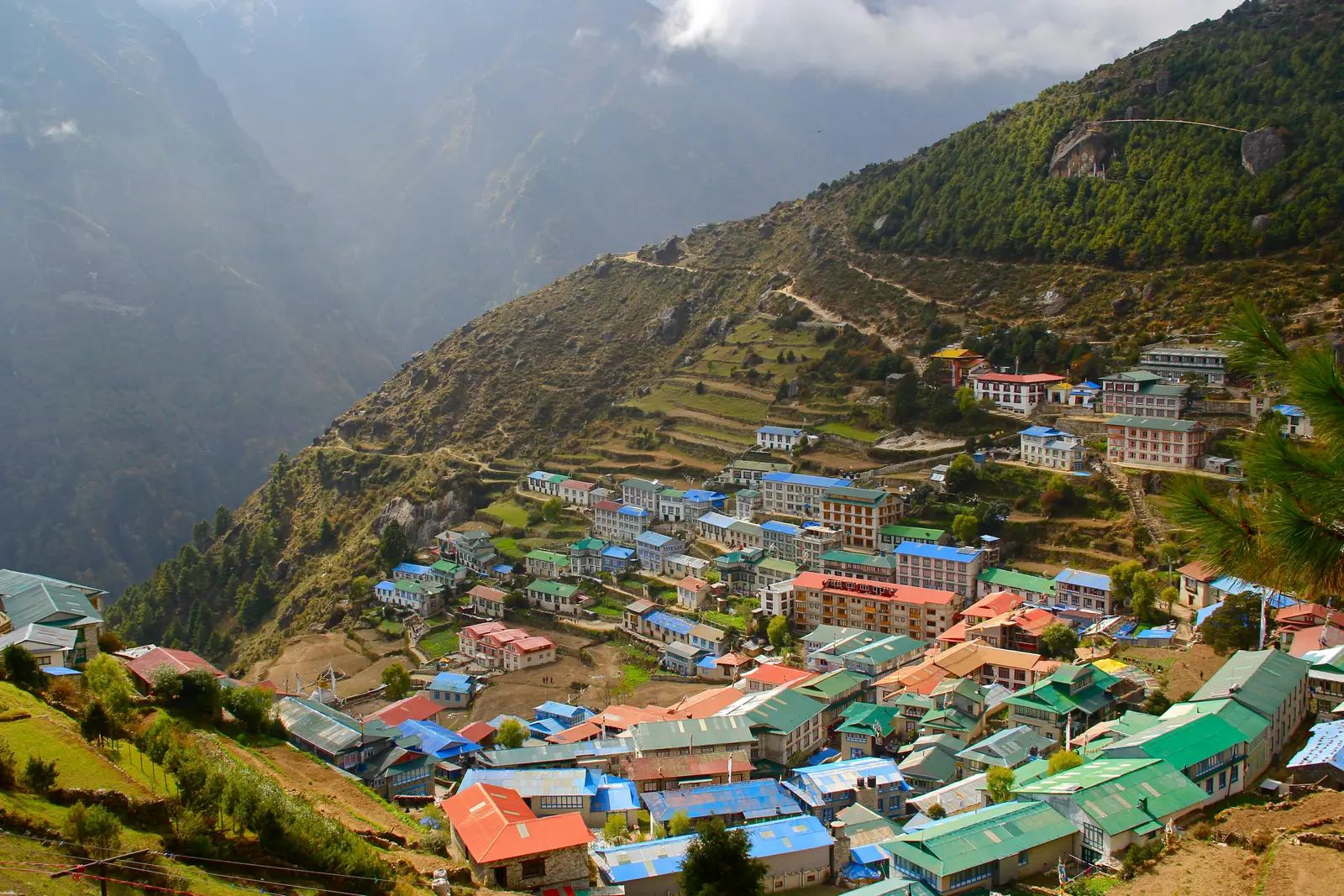
Nepal – A single helicopter crash two decades ago removed an entire cohort of the country’s most experienced conservation figures in one afternoon. On September 23, 2006, the group had just completed the handover of the Kanchenjunga Conservation Area to local communities when their Russian-built Mi-8 aircraft crashed near the mountain village of Ghunsa, killing everyone on board. The loss still shapes how the country approaches its natural heritage today. ([1])
The Human Cost of a Single Flight
The crash claimed twenty passengers and four crew members. Among the dead were the minister of forests and soil conservation, senior government officials, a Finnish diplomat, a USAID representative, and seven staff members from WWF Nepal. Their deaths represented the largest single loss of life in the organization’s history. Those who survived the immediate aftermath described a sudden emptiness in both institutions and personal networks. Colleagues who had worked alongside the victims recalled wondering how the momentum built over years of fieldwork could be sustained without the people who had driven it. The event struck at the heart of a small, tightly connected conservation community.
Names That Defined an Era
Several individuals stood out for the breadth of their contributions. Harka Gurung, Chandra Gurung, and Mingma Norbu Sherpa were among the WWF staff lost. Their combined experience spanned policy, community engagement, and on-the-ground protection of remote ecosystems. Ghana Shyam Gurung, now WWF Nepal’s country representative, noted that the tragedy marked a turning point for the communities involved in the Kanchenjunga handover. What had been intended as a moment of celebration instead became the start of a long period of rebuilding. The absence of those leaders left projects without their most visible champions.
Ecological Gains Alongside Institutional Gaps
Nepal has recorded measurable improvements in forest cover and wildlife populations in the years since the crash. Community-based management models, many of them championed by the generation lost in 2006, continue to operate across protected areas. Yet former colleagues describe a slower pace of innovation and decision-making. Sarita Jnawali, previously with the National Trust for Nature Conservation, observed that the country lost not only individuals but also the forward momentum they carried. Shiv Raj Bhatta, an ecologist with the Department of National Parks and Wildlife Conservation, remembered questioning whether replacements of comparable stature would emerge. The framework of local stewardship they helped establish remains in place. Its continued success now depends on newer voices stepping into roles that once belonged to a tightly knit group of visionaries.
Who Steps Forward Next
Current efforts focus on mentoring younger professionals and strengthening partnerships between government agencies and local groups. The emphasis has shifted toward distributed leadership rather than reliance on a handful of prominent names. Still, the question of who will provide the same combination of technical skill, political access, and field credibility lingers. The conservation sector continues to mark anniversaries of the crash while working to close the gap left behind.