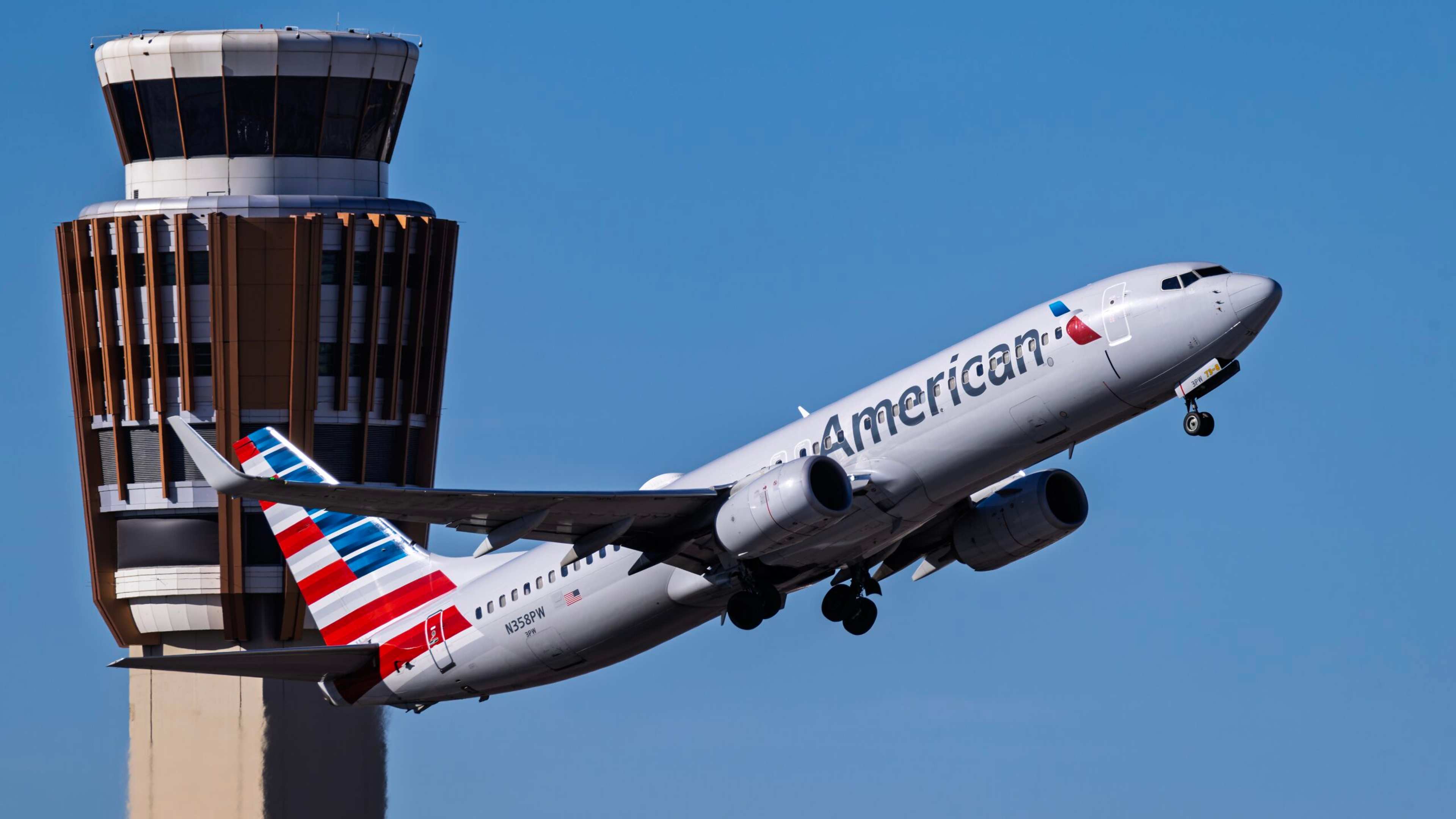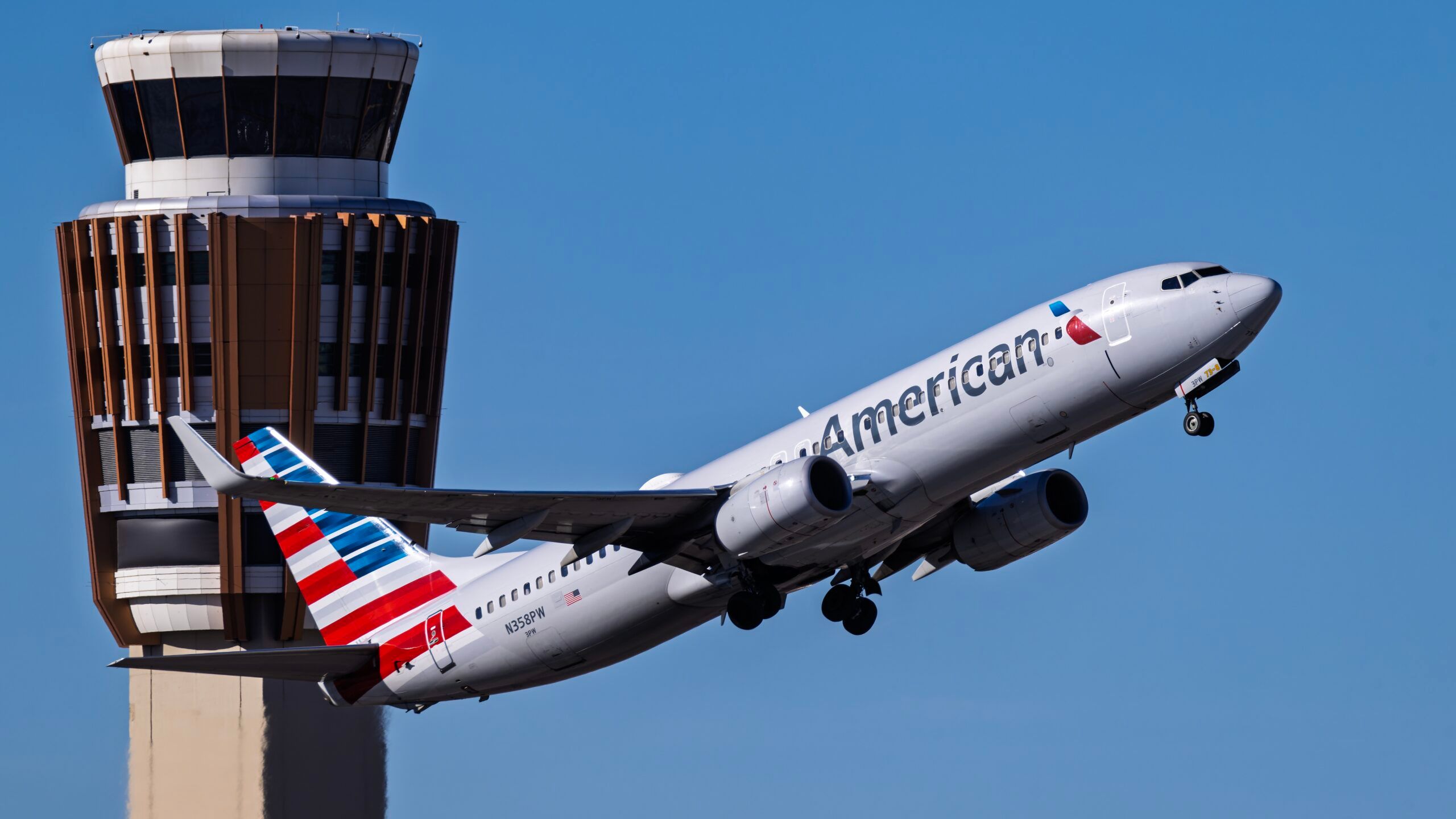
If your plane tickets have felt pricey this year, you’re not imagining it. U.S. air fares rose an average of nearly 23% year on year in the seven months through September, far outpacing the 3.6% average increase in overall consumer prices, according to Labor Department data.[1]
The airlines point to one main cause. Jet fuel prices surged roughly 90% after the US-Israeli war on Iran began in February.[1] Carriers have responded with higher fares, fewer flights and a new willingness to fly with empty seats.
A Fare Jump Far Bigger Than General Inflation
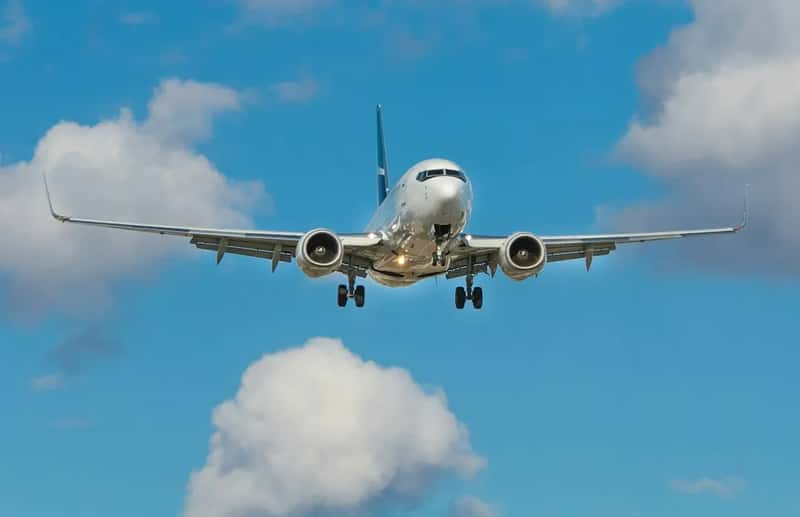
Airfares have been rising much faster than prices in general. CNN, citing Consumer Price Index data, reported that US airfares jumped about 25% this summer compared to 2025.[2] CNBC pointed to a similar reading, noting that U.S. airfares rose 23.4% in August from a year earlier.[3]
The exact figure shifts a little depending on the month and the measure. Another report put the September annual rise at 22.4%, against 3.7% overall consumer inflation.[4] Whichever number you pick, flying has become one of the fastest rising items in the household budget.
What Happened to Jet Fuel Prices

The jump in fuel costs is the root of the problem. According to Reuters, Gulf Coast spot jet fuel rose from $2.43 a gallon before the conflict in the Middle East began in February to $4.63 on October 20.[5] That’s a near doubling in under nine months.
The strain showed up in the airlines’ own accounts. CNN reported that jet fuel costs in the third quarter jumped more than 60% compared to a year ago thanks to the war in Iran.[2] Government figures cited by one trade outlet showed U.S. scheduled airlines paid an average of $3.59 per gallon in June, up 62.1% from $2.22 a year earlier.[6]
How the Latest Fare Hikes Are Rolling Out
Airlines are still pushing prices up. Reuters reported that JetBlue Airways initiated a $10 one-way increase in domestic published fares, following a similar United-led increase the previous week that Southwest subsequently matched.[1] A $10 step looks small on its own. Still, repeated increases of that size across thousands of routes add up quickly.
The companies themselves have said little. Reuters noted that United said it had nothing further to add, while Southwest said it does not publicly discuss pricing.[1] That’s typical of how airlines handle fare moves, which usually show up in published prices before anyone explains them.
Higher Fares Instead of Fuller Planes
The more striking change is in strategy. Reuters reported that U.S. airlines are increasingly willing to fly with empty seats rather than slash fares simply to fill them.[1] The bet is that disciplined pricing and tighter schedules protect profits better than chasing volume.
Airlines have always traded off price against how full their planes are. Reuters observed that elevated fuel costs have made executives more willing to sacrifice occupancy and avoid discounts.[1] Executives at Delta, United, American, Southwest and Alaska have all emphasized protecting margins over boosting passenger volumes.[1]
Cheaper Flights Are Being Cut
Capacity is the other lever. At an investor conference in September, executives from United, American and Southwest said they expect to eliminate cheaper, less profitable flights from their schedule in the final months of the year.[7] Southwest’s CFO described trimming capacity as a natural response if fuel stays high for long.
The cuts vary by carrier. Industry reporting says United has trimmed capacity by roughly 5%, while Delta has trimmed capacity by around 3.5 percentage points.[8] Another report said Southwest has roughly halved its previously planned 2026 capacity growth.[6] Fewer seats on the market tend to support higher prices, which is part of the point.
Profits Are Still Under Pressure
Fare increases haven’t fully covered the fuel bill. Reuters reported that higher ticket prices have helped generate record revenues, but not enough to offset the sharp rise in fuel expenses.[9] As a result, Delta, Southwest and American have lowered their 2026 earnings forecasts, while United expects fourth-quarter profit to fall well below analysts’ expectations.[9]
The fourth quarter looks harder still. Airlines expect fuel prices between US$4.25 and US$4.85 per gallon, up from levels well below US$4 in the third quarter.[9] American’s CFO has said fourth-quarter fuel prices have risen by roughly $1 per gallon from the level the airline assumed in July.[10] American has said the latest fuel increase alone could add about $1 billion to its fourth-quarter costs.
Holiday Travelers Face the Bill

Anyone booking for the holidays should expect to pay more. CNN’s headline put it bluntly, saying not to expect the picture to change this holiday season. CNBC noted that Thanksgiving and Christmas fares are also sharply higher.[3]
Demand hasn’t collapsed so far. CNBC reported that airlines are holding onto those fare gains as customers continue to book.[3] One caveat is that the TSA screened fewer passengers in the third quarter than a year earlier, according to Reuters figures cited by MarketScale. Travelers are paying more but, in aggregate, not flying more.
Why Weaker Airlines and Budget Fliers Feel It Most
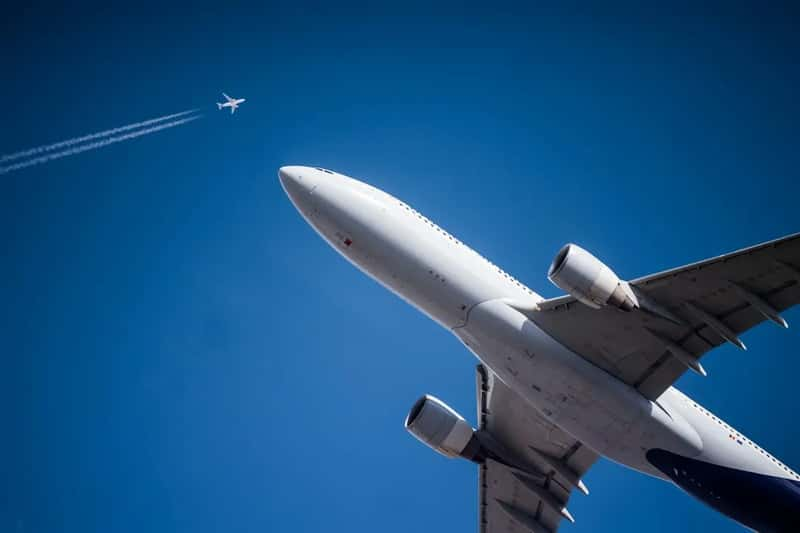
Not every carrier has the same cushion. Reuters reported in April that Spirit Airlines’ bankruptcy exit plan was under renewed pressure after jet fuel prices rose. The turnaround had been built on fuel costs averaging about $2.24 per gallon in 2026, while market prices had moved significantly higher.[11]
Budget travelers may feel the cuts most directly. Executives have said the flights being trimmed are the less profitable ones, and one CNN source summed up the effect with a line that cheap fares are going away. When the lowest priced seats disappear, the average ticket rises even if the headline fare on a popular route barely moves.
What Comes Next for Airfares
The outlook depends heavily on fuel. Raymond James analyst Savanthi Syth told CNBC that carriers are less likely to make broad fare increases now. She added that if jet fuel remains in the $4 to $4.50 a gallon range, they’re likely to cut more flights.[3] That could raise fares for customers facing fewer seats to choose from.
Airlines are also looking at 2027. Delta CEO Ed Bastian has said carriers may need to curb flight growth further next year, while American expects its network growth to slow in 2027.[9] Expect no quick relief, since one analysis cited by Euronews suggested ticket prices could remain elevated for months even if the war de-escalates.[12]
Conclusion
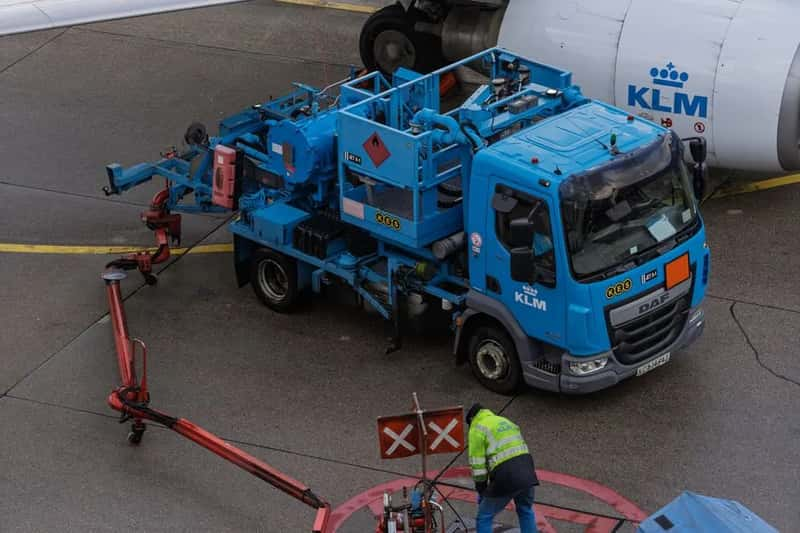
US airlines are leaning on higher fares, trimmed schedules and tighter discounting to absorb a fuel shock that has nearly doubled the price of jet fuel since February. The strategy has lifted revenue, yet it hasn’t fully protected profits, as several forecast cuts show. For travelers, the practical result is more expensive tickets and fewer cheap options.
How long that lasts comes down to fuel prices and whether passengers keep paying. For now, the airlines are betting they will.