
Georgetown on Penang Island is often described as one of the food capitals of Southeast Asia, but my experience there was more layered than just hawker stalls and UNESCO heritage buildings. The city is beautiful, the people are genuinely friendly, and the streets are full of character – but it’s also hotter than I expected and noticeably more expensive than other parts of Malaysia.
In this article, I’ll share what it felt like walking through Georgetown’s historic streets, how the food scene compares to the hype, what surprised me about pricing, and whether this iconic island city is worth visiting despite the heat.
First Impressions of Georgetown

Georgetown is the capital of Penang, located on Penang Island off Malaysia’s northwest coast. It’s known for its colonial architecture, colourful street art, and dense concentration of food stalls, but the first thing I noticed wasn’t the buildings, but the heat.
The air felt heavy and still, especially during midday and walking between streets under direct sunlight quickly becomes draining. Georgetown is compact enough to explore on foot, but you feel every degree of humidity while doing it.
That said, the streets themselves are undeniably charming. Rows of preserved shophouses in pastel colours line narrow roads. Murals appear unexpectedly around corners and old signage hangs above cafés and family-run businesses. It doesn’t feel manufactured for tourism, but feels lived in.
The Food: Good, But Not Cheap
The Reputation
Georgetown’s reputation as a food paradise is well established. Hawker centres, noodle stalls, Indian-Muslim restaurants, Chinese bakeries – everything is within walking distance.
Before arriving, I expected affordable street food everywhere, but that isn’t necessarily the case.
Prices vs Expectations
Compared to mainland Malaysia, food prices in Georgetown are noticeably higher. It’s not extreme, but it’s not budget-level cheap either – especially in areas closer to heritage streets and tourist zones.
You can still find reasonably priced meals, but you’ll need to pay attention to where you sit. Cafés and trendier restaurants quickly push prices upward.
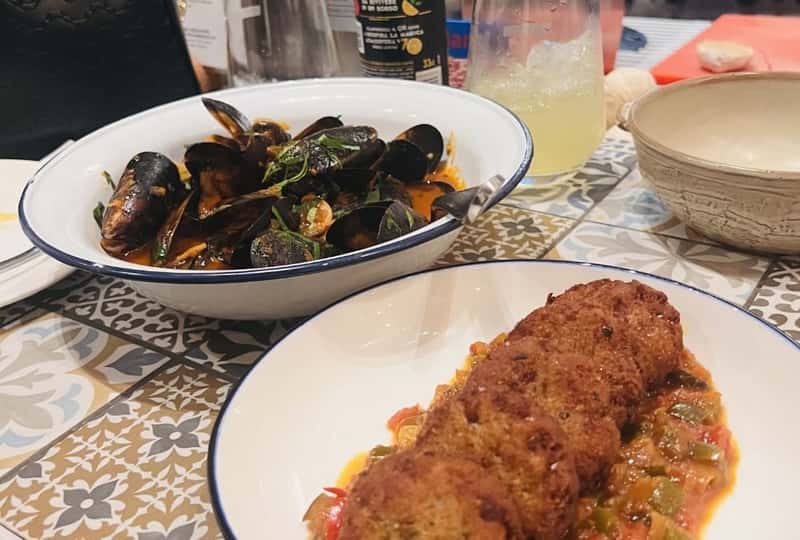
That said, the food quality was consistently good. Noodle dishes were flavorful, seafood fresh, and the mix of Malay, Chinese, and Indian influences makes meals interesting. I didn’t have any bad meals, just had a few that cost more than I expected.
Friendly People, Relaxed Atmosphere

One thing that stood out immediately was how friendly people were. Whether ordering food, asking for directions, or checking into accommodation, interactions felt relaxed and welcoming.
There’s a slower rhythm in Georgetown compared to larger cities like Kuala Lumpur. Even in busier streets, there isn’t the same rush or intensity. Locals don’t feel impatient with tourists, and vendors don’t aggressively push sales, making the atmosphere calm rather than overwhelming.
Walking Through History
Georgetown’s historic centre is a UNESCO World Heritage Site, and the colonial influence is visible everywhere. Wide wooden shutters, detailed facades, decorative tiles, and European-style balconies define entire streets.
Unlike some preserved districts that feel frozen in time, Georgetown’s old buildings are still functional – housing cafés, shops, apartments, and offices. The contrast between heritage architecture and modern businesses gives the city texture.
Street Art and Murals

Georgetown’s street art is well-known, and some murals draw small crowds of visitors waiting to take photos. While some pieces feel slightly overexposed from social media, others remain understated and clever.
The art adds personality without dominating the city. It becomes part of the walk rather than the only reason for it.
The Heat: Something to Prepare For
This deserves its own section. Georgetown is hot. Not just “tropical warm” – but heavy, humid, and persistent.
Midday walking can be uncomfortable if you’re not prepared. Shade helps, but the humidity doesn’t disappear, so hydration becomes essential. If I were to visit again, I’d structure my days differently: early morning walks, midday breaks indoors, and evening exploration once the sun softens. The heat doesn’t ruin the experience, but ignoring it can.
Coffee Culture and Modern Touches

Despite the historic atmosphere, Georgetown has a strong café scene. Modern coffee shops sit inside restored shophouses, offering air-conditioning, ice cream, and other snacks to help beat the heat.
If you’re someone who appreciates good coffee and quiet spaces, you won’t struggle to find them. These cafés also contribute to why prices feel slightly elevated compared to smaller Malaysian towns. Georgetown has clearly positioned itself as both a heritage and lifestyle destination.
Getting Around
Georgetown is walkable, but because of the heat, ride-hailing apps become useful. Short trips are affordable and save energy.
Traffic is manageable compared to major metropolitan cities, but roads can narrow significantly in older areas. Walking remains the best way to absorb the details – just plan around temperature.
Is Georgetown Overhyped?

Not exactly – but expectations matter.
If you arrive expecting ultra-cheap street food and empty historic streets, you might be surprised. Prices are higher than in mainland towns, and tourism is present.
But if you approach Georgetown as a blend of history, culture, and evolving lifestyle, it works. The food is good. The people are friendly, the buildings are beautiful, but the heat is real. And the island setting gives it a slower, more contained feel compared to mainland cities.
Is Georgetown Worth Visiting?
Yes – with realistic expectations.
It isn’t the cheapest destination in Malaysia, but it offers depth. The heritage architecture feels authentic. The street art adds character. The food scene delivers quality even if it’s not always budget-friendly.
The weather demands patience. The prices require awareness. But the friendliness of people and the charm of the streets balance those factors.
For me, Georgetown wasn’t about one standout moment. It was about the steady experience of walking through layered streets, eating well, and adjusting to the heat.
Sometimes travel isn’t about being overwhelmed. It’s about observing carefully.
Georgetown gives you space to do exactly that.