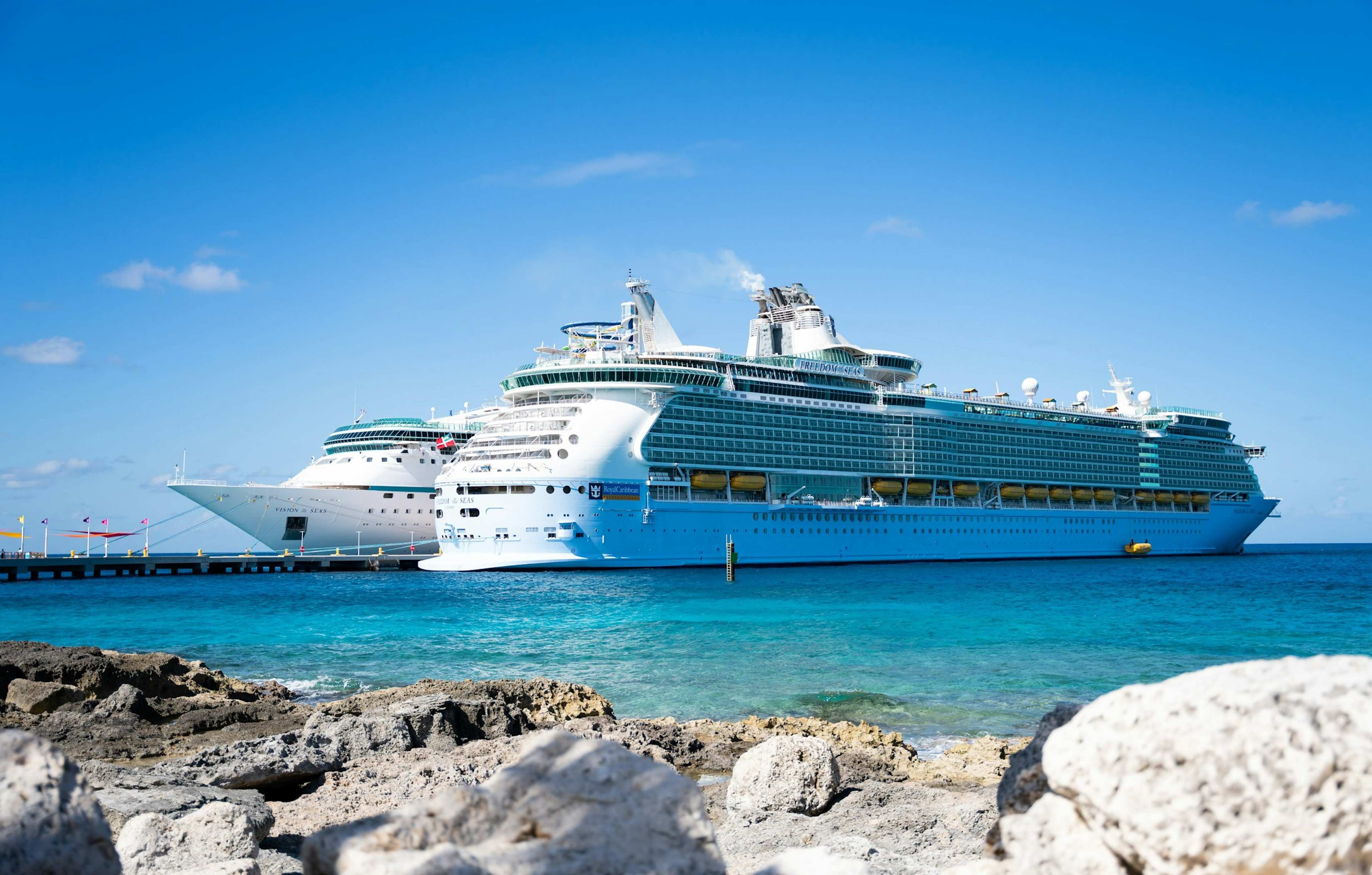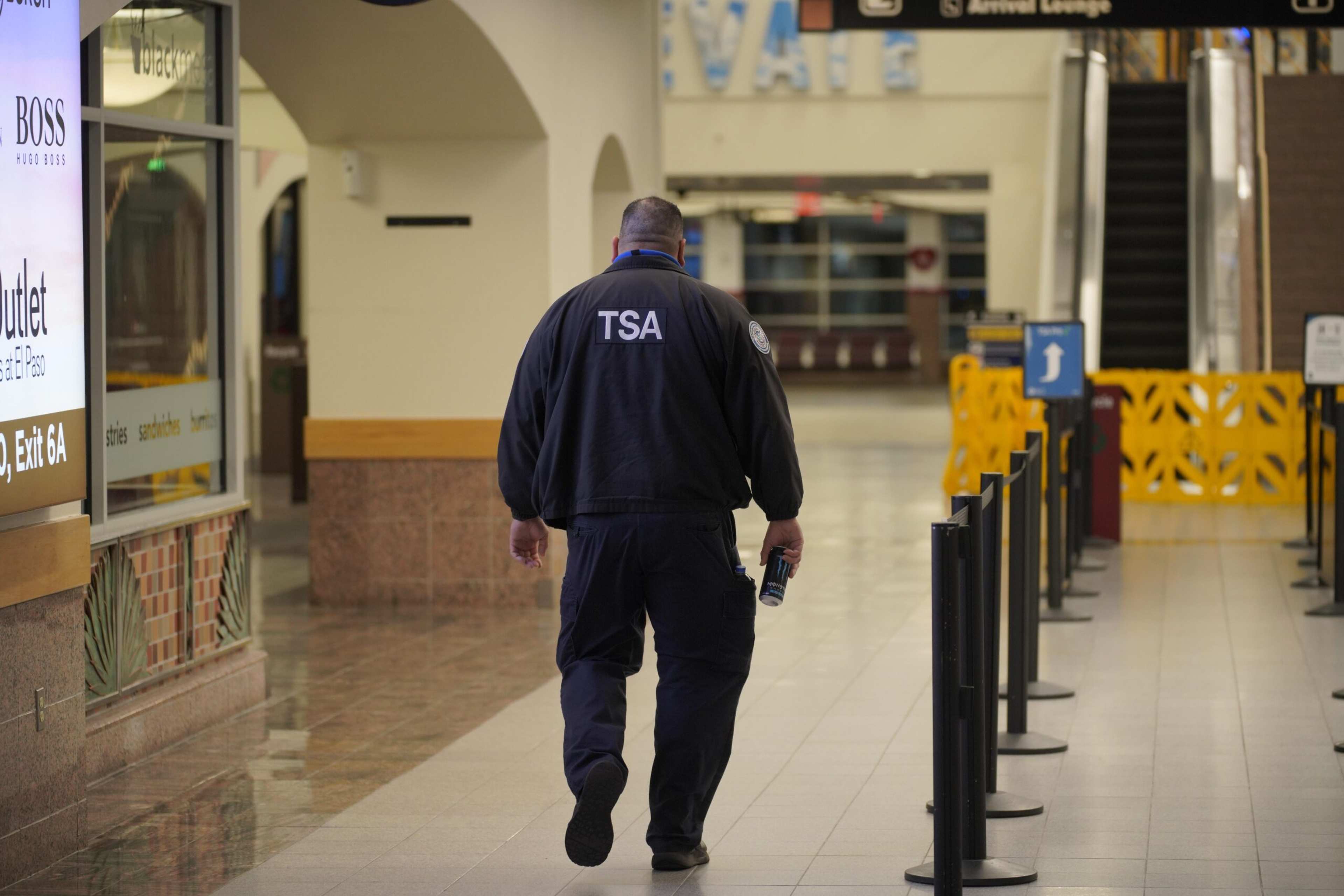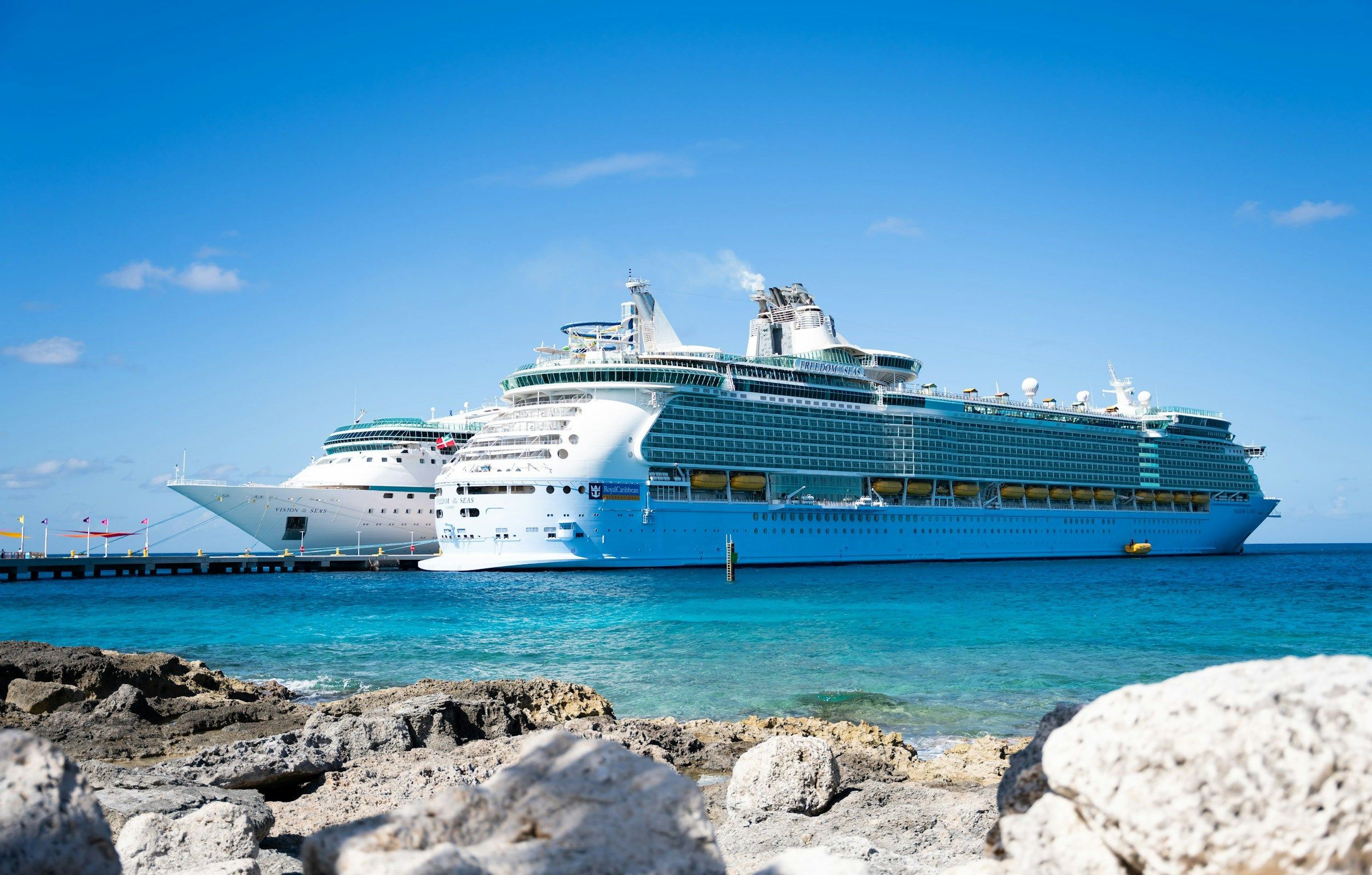
On paper, a cruise still sounds like the easy option. You unpack once, wake up somewhere new, and the logistics are somebody else’s problem. That idea held up for me for a long time.
Then the details started to wear on it, one after another. Nothing dramatic happened. The pieces just stopped adding up, and I started planning trips differently.
The Ships Keep Getting Fuller
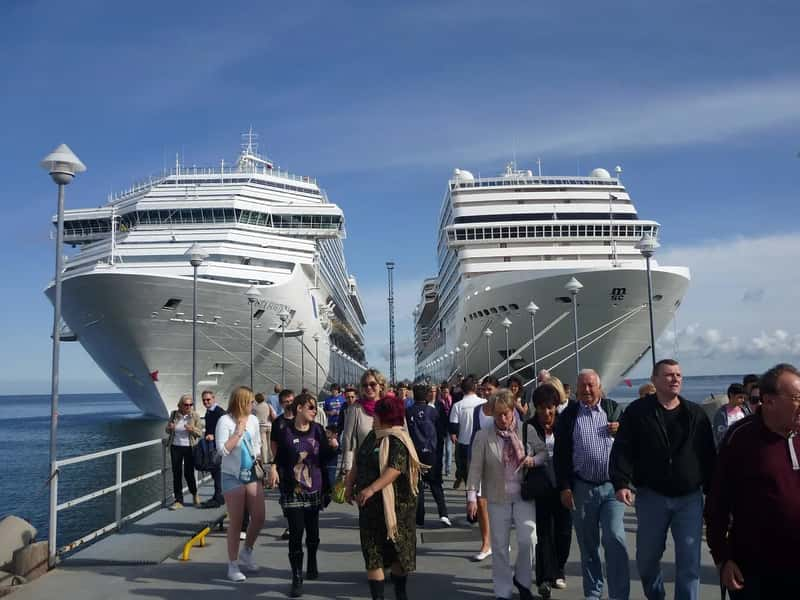
Cruising isn’t a niche anymore. Global cruise passenger volume reached a historic high of 37.2 million in 2025, according to CLIA’s 2026 report.[1] CLIA expects 38.3 million passengers in 2026.[2]
More supply is on the way too. Cruise Industry News counts 13 new ocean ships delivering in 2026, with a global orderbook of 80 ships and 227,504 berths.[3] More berths mean more people sharing the same decks, buffets and gangways. That was the first thing I noticed.
Port Days Started to Feel Like Rush Hour
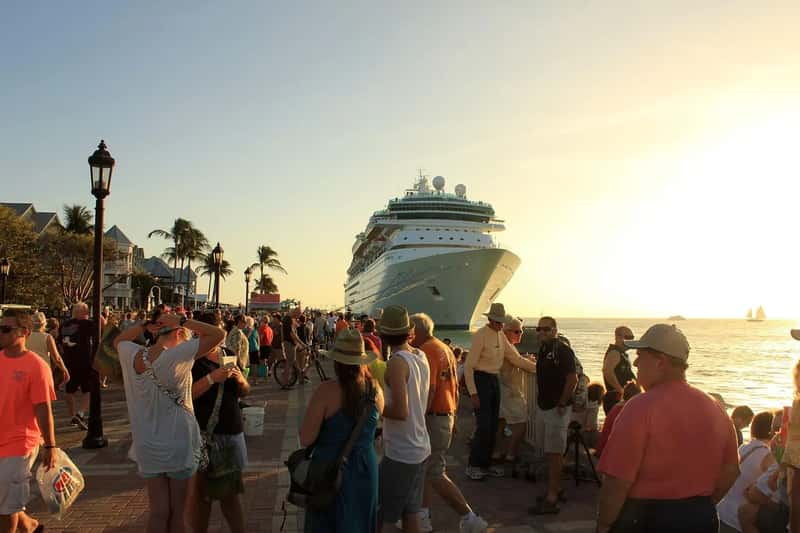
A cruise stop is a few hours, and thousands of other people have the same few hours. Barcelona is a good example. In 2024, nearly 13 million cruise passengers arrived in Spain, with almost four million of them disembarking in Barcelona.[4]
It isn’t only Spain. Palma de Mallorca limits arrivals to three ships a day.[5] Dubrovnik and Santorini have also set daily passenger ceilings of roughly eight thousand people. Those limits exist because the streets were struggling to cope.
More Cities Are Pushing Back
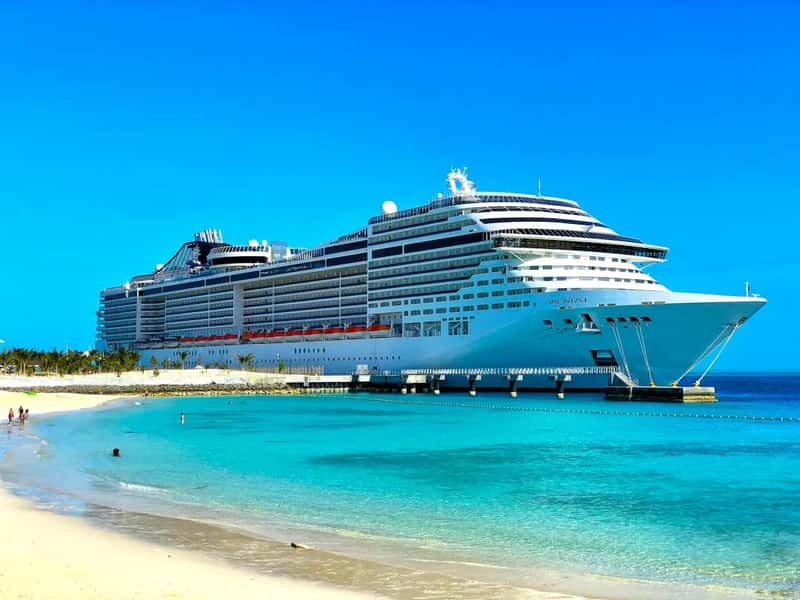
The rules around ports are changing quickly. Amsterdam has set a hard cap of 100 sea cruise calls a year from 2026, down from 190.[5] It plans to ban them altogether by 2035.[6]
Venice acted earlier. Ships above 25,000 gross tons have been excluded from the Giudecca Canal and historic lagoon since August 2021.[5] Cannes now admits only ships carrying under 1,000 passengers, with daily cruise visitors capped at 6,000.[5] I can’t plan a classic itinerary with confidence when the rules shift this often.
The Fare Is Only the Starting Point
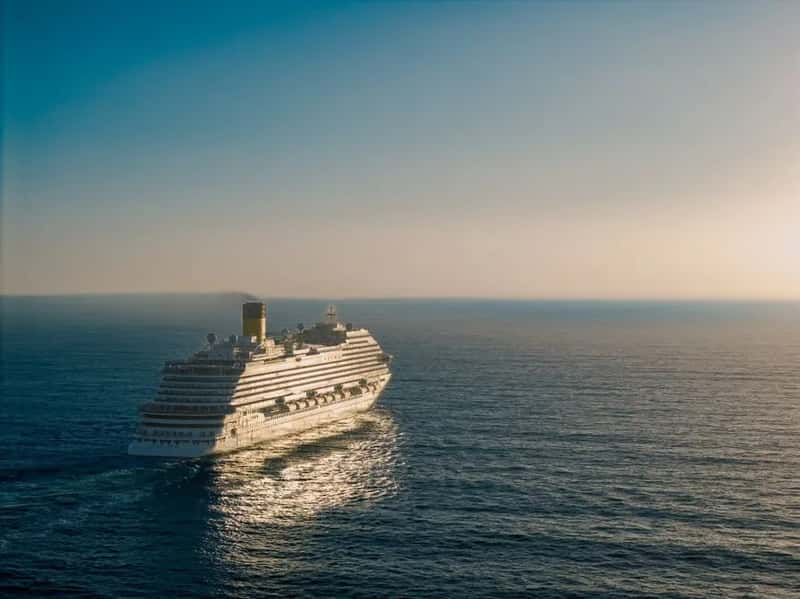
Daily gratuities are the clearest example of how the headline price misleads. Carnival charges 17 dollars per person per day for standard staterooms as of April 2026, and 19 for suites.[7] Royal Caribbean charges 18.50 dollars and Norwegian 20 dollars for standard cabins.[7]
These charges add up. Two people on a seven night Royal Caribbean sailing pay about 259 dollars in gratuities alone.[7] One tracker reported that five lines raised the rate in the first six months of 2026.[8]
Extras Stack Up Faster Than Expected
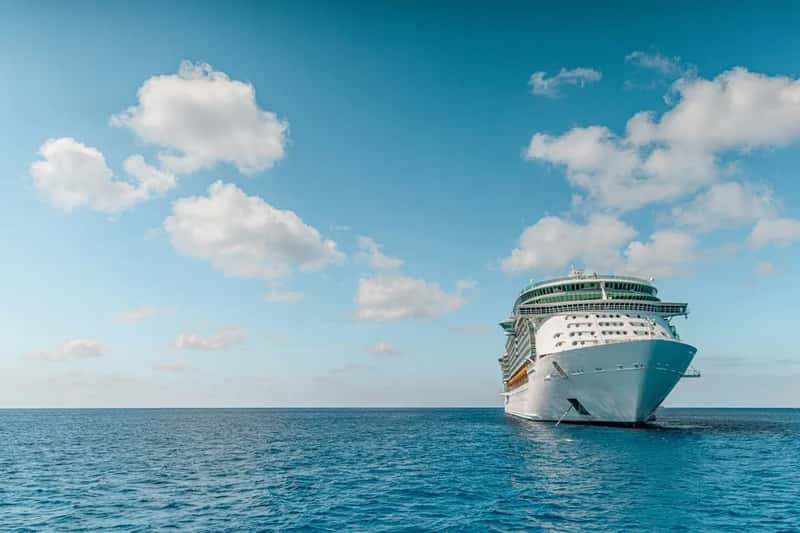
Drinks, Wi-Fi and excursions come on top. Carnival’s Cheers package costs 82.54 dollars a day if bought before you sail.[7] Norwegian raised the gratuity attached to its drink package on two to five night sailings to as much as 32 dollars a person a day.[9]
One 2026 cost breakdown walks through a seven night example for two people. It puts the running total before the fare at comfortably over 2,000 dollars.[7] That’s an estimate with a lot of assumptions, and your own spending could be far lower. Still, I got tired of doing this math.
The Carbon Math Is Hard to Ignore
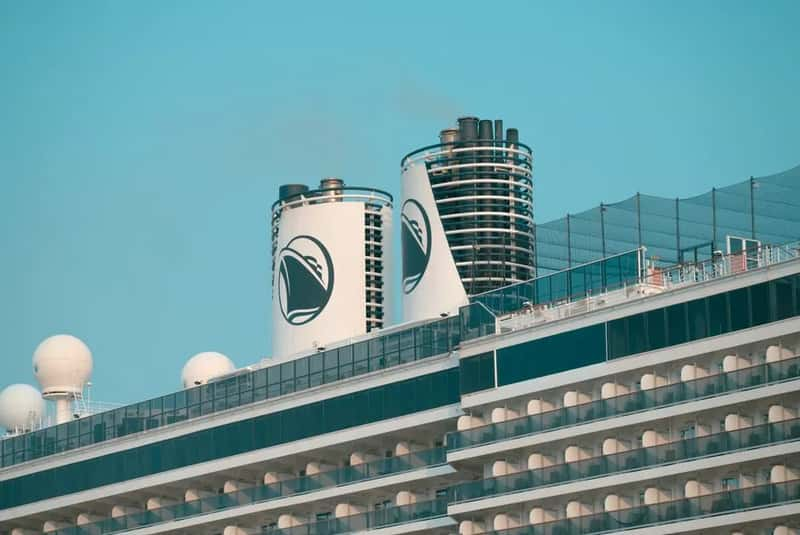
Cruise ships are a small part of global shipping, so I want to be fair about this. They account for just one percent of the world’s fleet and less than two percent of EU shipping CO₂ emissions in 2024.[10] Per passenger, though, the picture changes.
A study in the journal Applied Sciences estimates a cruise passenger emits around 421 kg of CO₂ per day, over eight times more than a typical land based vacation.[11] It also estimates a seven day cruise from London to Barcelona at about 2,100 kg of CO₂ equivalent per person, against around 425 kg for flying there and staying in a hotel.[11] Estimates vary by ship and method, but the gap is wide enough to give me pause.
Port Towns Breathe the Exhaust
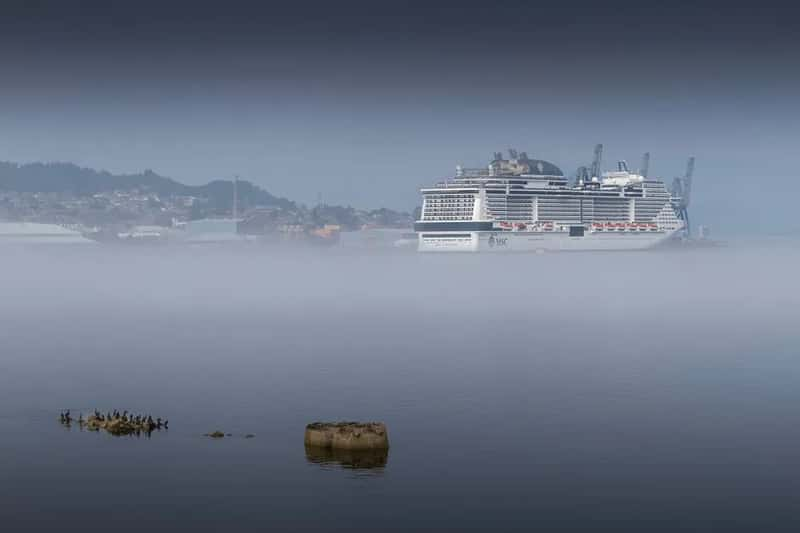
Air quality is the part that rarely shows up in the brochure. Despite the sulphur cap introduced in 2020, Europe’s 218 cruise ships emitted as much sulphur oxide as one billion cars in 2024, according to Transport & Environment.[12] That’s an advocacy group’s analysis, so it’s worth reading with that in mind.
The local effects are easier to picture. In Southampton, just 46 cruise ships are responsible for over half of nitrogen oxide and fine particulate emissions, because of the long time they spend docked.[13] In the western Mediterranean alone, the external costs of cruise ships reached between 557 million and 930 million euros in 2025.[10]
Plenty of People Still Love It
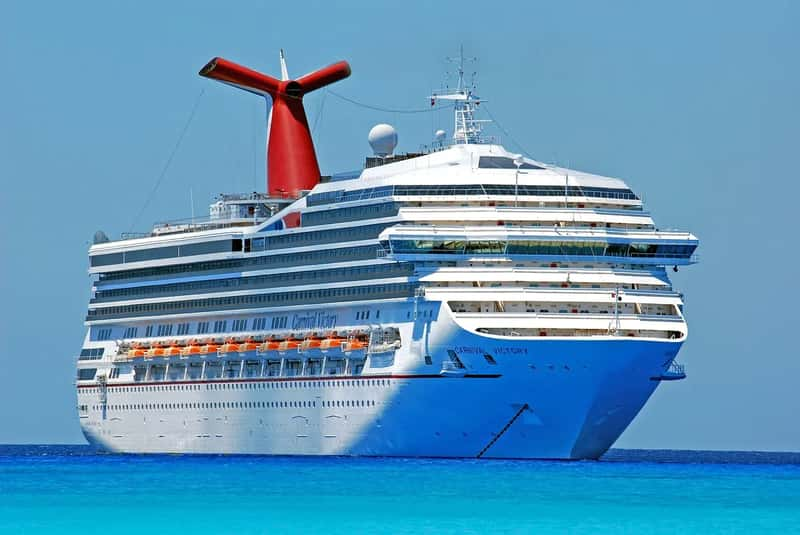
None of this means cruising is in trouble. Nearly 90 percent of passengers surveyed said they intend to sail again, the highest level CLIA has recorded.[14] Roughly 31 percent of cruisers are first timers.[14]
So my change of heart is a personal one. For many travelers, the convenience and the value still win. I just found that my own priorities, which are quiet, time on the ground and fewer surprises on the bill, pointed somewhere else.
What I Do Now: Trains and a Single Base
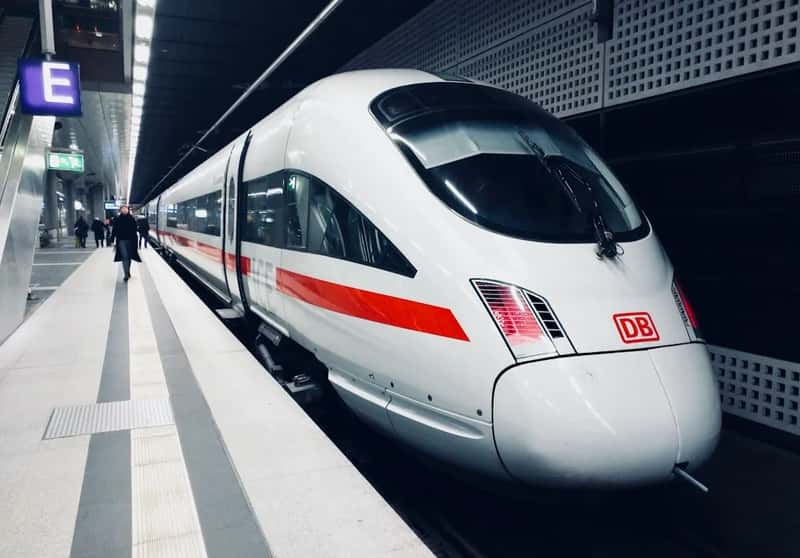
These days I pick one place and stay a while. Trains are my default for getting around, partly because the emissions are low. Electric trains emit below 10 grams of CO₂ per kilometre per passenger, according to figures cited in the Applied Sciences paper.[11]
From a single base I take day trips, which gives me more time in each place than a port call ever did. I choose neighborhoods over landmarks and go outside peak hours. It’s slower, and I like that.
If I Ever Sail Again
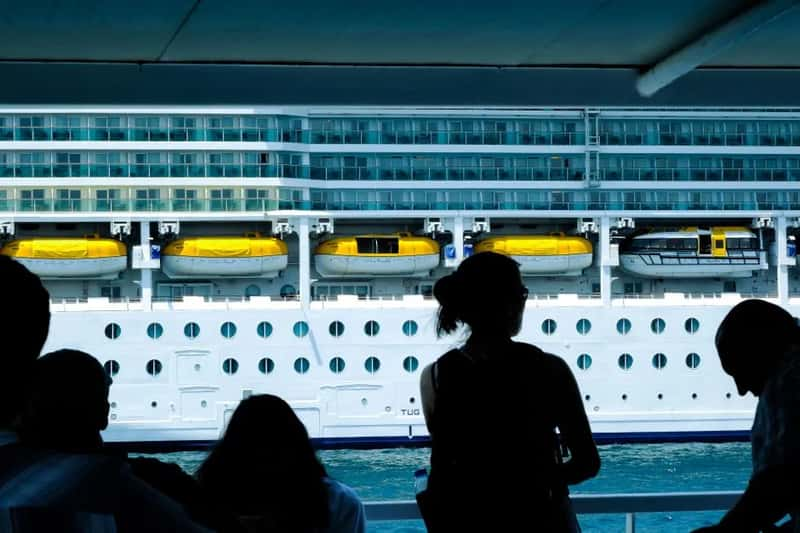
I haven’t ruled ships out completely. If I did book one, I’d go smaller and look closely at what’s included. Viking, Regent, Silversea, Seabourn, Oceania and Explora Journeys charge no gratuities.[15] Their fares are higher.[15]
I’d also check each port’s rules before choosing an itinerary, since caps and bans now shape where ships can actually go. Another option is a ferry or a short coastal hop, which gives you the sea without the scale.
Where This Leaves Me
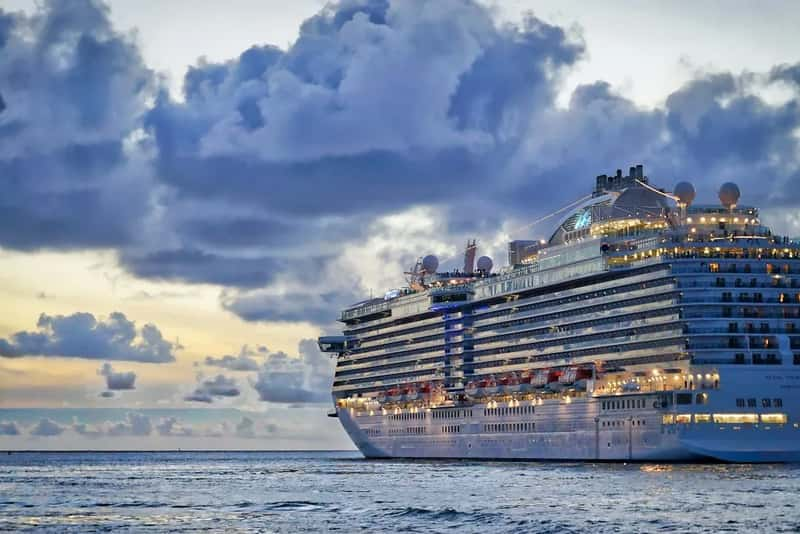
Cruising is bigger than ever, with passenger numbers expected to keep climbing through 2028. Ports are setting limits, extras are getting pricier, and the environmental costs are better documented than they were a few years ago.
My own travel now centers on trains, longer stays and fewer moving parts. Fares, fees and port rules change often, so anyone weighing a cruise should check current figures with the cruise line before booking.