Europe used to be the easy yes on my travel list. The flights were simple, the cafés were everywhere, and a passport got you through with a stamp and a nod.
Over the past two years that ease has eroded. It wasn’t one big event. It was a pile of small changes at the border, in hotel bills and in the summer weather, and together they made me rethink the whole idea of a trip. Here’s what changed, and where the evidence is solid or still unsettled.
The Border Is Now Part of the Trip
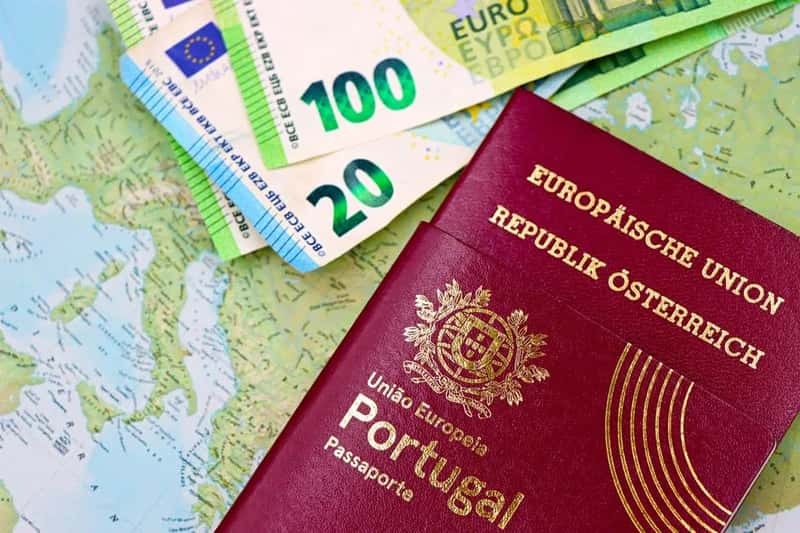
The EU’s Entry/Exit System started operations on 12 October 2025 with a progressive roll-out in 29 European countries.[1] As of 10 April 2026, it became fully operational.[1] It replaces passport stamping with digitally recorded entries, exits or refusals of entry for non-EU nationals coming for short stays.[1]
The system collects a facial image and fingerprints, along with personal data from your travel documents. It happens at the first Schengen border you cross, it’s free, and there’s no advance application.[2] On paper that’s a modest ask. At the airport it has played out differently.
Queues That Can Swallow a Morning
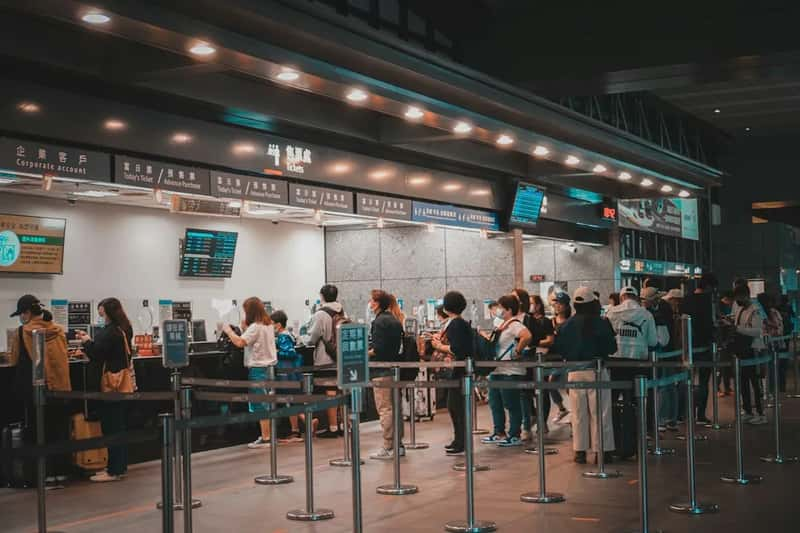
Summer 2026 was the first peak travel season under full enforcement, and industry bodies reported border waits of up to five hours at the worst-hit entry points.[3] The EU itself acknowledges roughly 20 difficult spots where queues are a genuine problem.[3] The Commission says staffing, not software, is the bottleneck, so conditions vary enormously by airport and by day.[3]
To be fair, the Commission counted more than 45 million entries and exits registered during the phased rollout alone, and most travellers get through without incident.[3] Member states were also allowed to partially suspend EES for up to 90 days after April, with a possible 60 day extension.[2] That flexibility is reassuring for the system, but it makes planning a tight connection a gamble.
Another Gate Called ETIAS
ETIAS is a separate advance authorization for visitors who don’t need a visa. The EU’s own guidance says it will start operations in the last quarter of 2026.[4] It will cost 20 euros rather than the 7 euros first proposed.[5] Nationals of 59 visa exempt countries and territories, including the United States, the United Kingdom, Canada and Australia, will need it to visit 30 European countries, and it’s valid for up to three years.[6]
The money isn’t the issue. The timing is murky. One report describes a six month transitional period in which no traveller will be turned away for lacking an ETIAS.[6] Another guide says that as of August 2026 the EU had removed its 2026 target, with some reporting pointing to a possible 2027 rollout.[7] Those accounts conflict, so check the official EU travel portal before you book.
A New Layer of Fees Before You Spend a Cent
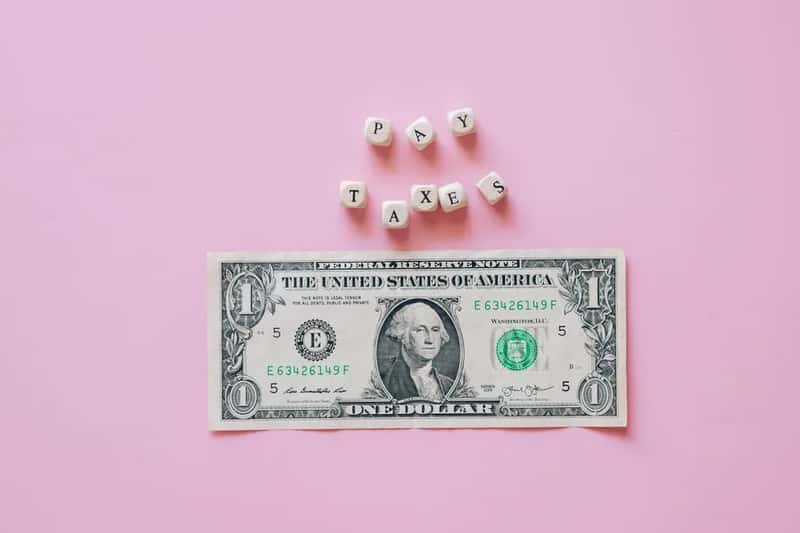
Travel outlets describe 2026 as Europe’s biggest wave of tourist taxes yet, with Barcelona, Paris and Amsterdam raising fees, Venice expanding its day tripper charge and Edinburgh launching the UK’s first visitor levy.[8] According to Euronews, over 40 European cities now impose some form of tourist tax, a 30 percent increase in just three years.[9] That’s nearly a third more places charging you, in a short span.
One estimate says a ten night, three city trip touching Venice, Barcelona and Amsterdam could plausibly add somewhere in the range of €80 to €150 in stacked city and tourist taxes.[10] That isn’t ruinous. Still, tourist tax used to be a euro or two a night that nobody bothered totalling.[10]
Amsterdam and the Math of Stacked Taxes
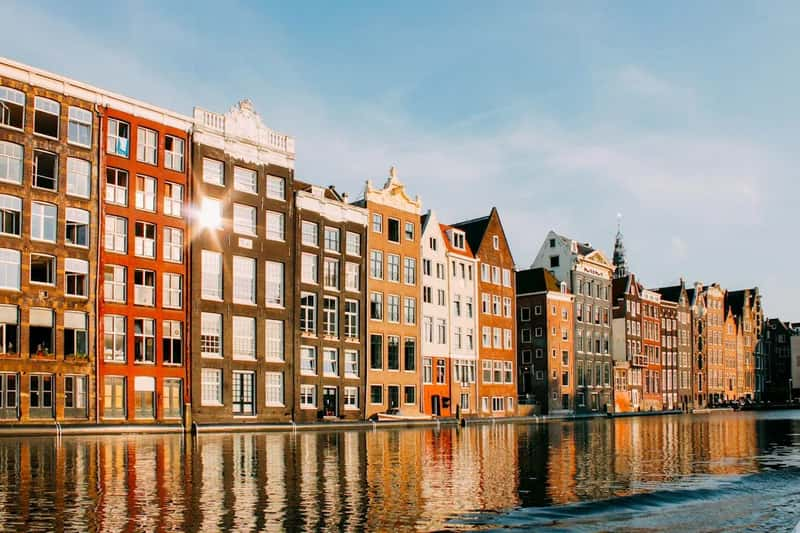
Amsterdam’s tourist tax is the highest in Europe, and it’s charged as one eighth of your room price rather than as a flat daily levy.[11] On 1 January 2026 the VAT on short stay overnight accommodation jumped from 9 to 21 percent for short term rental owners.[12] In other words, it more than doubled for those hosts.
One 2026 comparison adds the two together and arrives at 33.5 percent of the room price.[9] That’s roughly a third on top of the nightly rate, though how much of it lands on you depends on how a given host prices the stay. Cruise travelers also pay a separate day tripper charge for every day spent in Amsterdam.[13]
Venice and Barcelona Charge at the Door
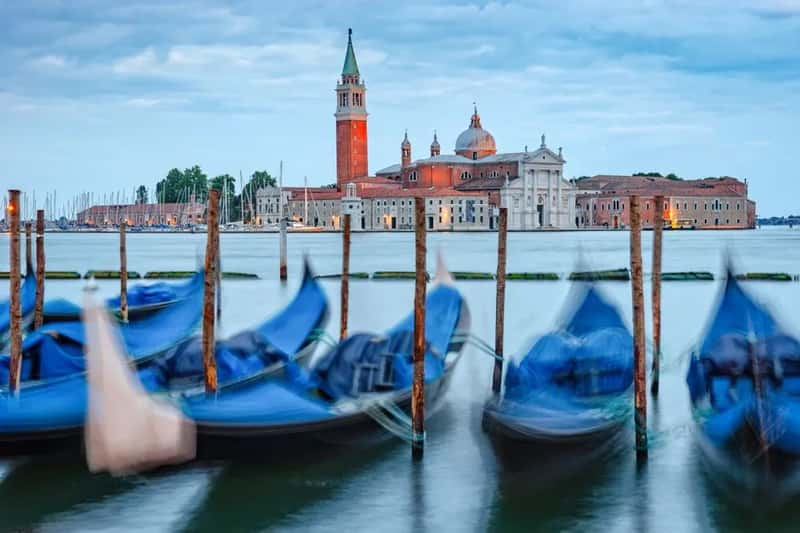
Venice’s entry fee for day trippers is back for 2026 and now applies across 60 days of the year, up from 54 in 2025.[14] Book at least four days ahead and it’s €5, while booking late or turning up without a reservation doubles it to €10.[14] You’re paying to walk into a city that is, quite literally, trying to limit how many people do.
Barcelona doubled its tourist tax as of April 1, 2026.[9] Holiday rentals are now taxed at the same rate as hotels.[9] One comparison puts the charge at €10 to €15 per night.[9]
Summer Heat Is Rewriting the Calendar

According to a 2024 report from the EU’s Copernicus Climate Change Service, Europe is the continent with the fastest rising temperatures on Earth, having warmed twice as fast as the global average since the 1980s.[15] In late June 2025, mainland Portugal recorded its hottest ever temperature of 46.6 degrees Celsius.[15] Those aren’t distant projections. They’re recent measurements.
For visitors, it shows up in practical ways. During the 2025 heat wave, authorities in many countries released travel advisories.[16] Peak July sightseeing across southern Europe now means planning around the afternoon, or skipping some days entirely.
Wildfires and the Cost of Uncertainty

Summer 2026 added fire to the heat. A travel site’s late July update said France, Spain, Portugal, Italy and Greece were all fighting major wildfires, in what it called the worst wildfire season Western Europe has seen in decades.[17] The same report said Spain had declared its first ever national wildfire emergency around Madrid.[17]
A mapping site tracking the season reported that by 4 August 2026, fires had killed at least 17 civilians, six firefighters and two helicopter crew, and forced roughly 330,000 people from their homes in Spain and France alone.[18] These figures come from travel and mapping sites rather than official tallies, so treat them as approximate. The broader point is that a summer booking now carries a weather risk it didn’t carry a decade ago.
A Backlash That Isn’t Really About You
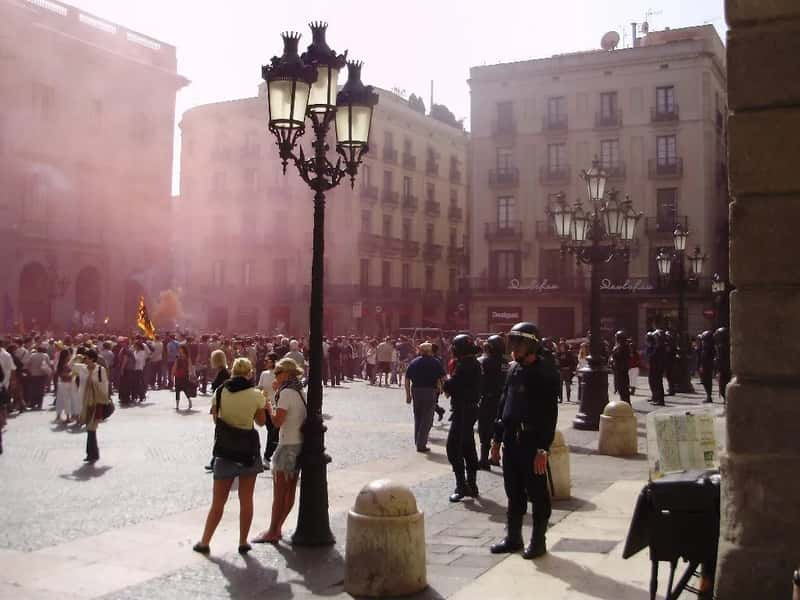
The tax surge didn’t come from nowhere. One roundup says most of the new fees are a direct response to the overtourism backlash that’s been building for years.[14] Another links Barcelona’s increase to the housing crisis and mass tourism protests.[11]
There are quieter signals too. Paris’s dual pricing at museums disproportionately affects non-EU visitors.[19] None of this is hostility, exactly, but it does mean that visitors from outside the EU are being asked to carry more of the cost of crowded places.
What I’d Check Before Booking

Start with the border. One guide recommends allowing two hours minimum for your first EES trip, and ninety minutes once you’ve registered.[2] Then check the official EU portal for the current ETIAS start date, since reports on timing disagree.
Next, add tourist taxes as their own line in the budget, and look at the weather history for your dates and region. Europe is still open, and one guide says the queues aren’t a reason to cancel a trip.[3] The trip just costs more time and money than it did a few years ago.