A fare of $39 or $49 still gets my attention for a second. Then I remember how many times a low number on a search screen turned into something else at checkout. These days I treat a rock bottom ticket as the start of a calculation, not the end of one.
Some of that caution comes from how airline pricing works. Some of it comes from what has changed in the past two years: a major carrier disappeared, basic fares got stricter, and the rules about showing fees were loosened. Here is what the evidence says.
The Sticker Price Is Rarely the Final Price
On ultra low cost carriers like Frontier and Allegiant, base fares can be extremely cheap, but a carry on bag or seat assignment can add $50 to $100 per person each way.[1] That range is wide enough to turn a bargain into an ordinary ticket.
The comparison is easy to run. A $79 Frontier fare with a $59 carry on may be worse than a $120 Southwest fare with a free carry on.[2] The cheaper looking option only wins if you never need the bag.
Fees Are the Business Model, Not a Side Effect
Extra charges aren’t a quirk of the system. Reporting from MarketWatch notes that airlines now make over $100 billion a year from add on fees.[3] A low headline fare helps make those upsells feel easier to accept.
One travel site pulled together estimates that put the global figure for ancillary revenue in 2024 at roughly $148 billion, with a handful of carriers earning more from fees than from fares. I’d treat that number as an estimate rather than a hard audit. Even so, the direction is hard to argue with: the fare gets you in the door, and the extras pay the bills.
Spirit’s Collapse Changed the Math
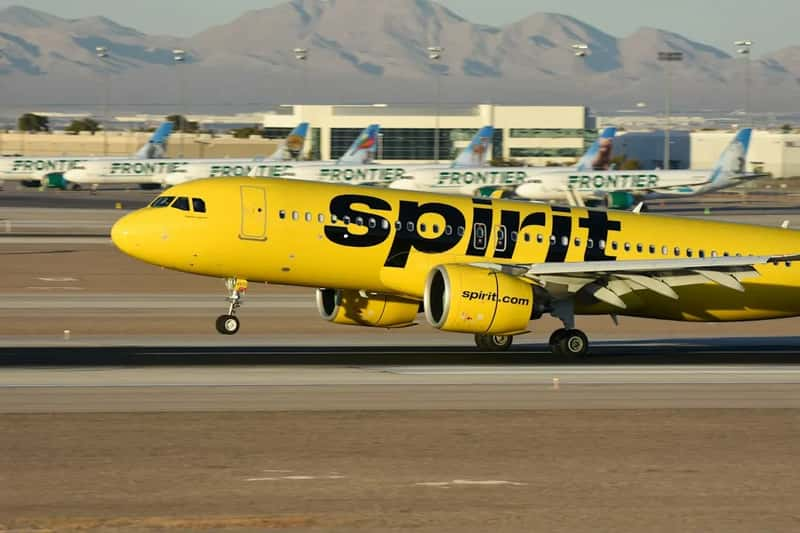
Spirit Airlines ceased operations on May 2, 2026, ending a 34 year run.[4] The shutdown followed two Chapter 11 bankruptcies in less than two years, in November 2024 and August 2025.[4] Its plans to emerge from the second one were derailed by soaring jet fuel costs tied to the war with Iran.[5]
Travelers felt it right away. Customers were left wondering about refunds or rebooking, and 17,000 workers lost their jobs.[6] Spirit also said Free Spirit points could no longer be redeemed or transferred to another airline.[7] If you bought the cheapest ticket on the shakiest carrier, you carried the risk.
Cheap Seats Are Getting Pricier
The bottom of the market has thinned out. Frontier, Breeze, and Avelo have absorbed some of Spirit’s former capacity, but at materially higher fares than Spirit charged before it liquidated.[8] Fewer ultra cheap competitors means less pressure on everyone else.
The timing matters too. One October 2026 report said all four big US carriers cut their annual forecasts, and Hopper puts the average Thanksgiving fare at $402.[8] If you’re chasing a deal for the holidays, the deal may not exist.
Basic Economy Has Gotten Stricter
Basic fares are built to stay put. On most major airlines you cannot change a basic economy ticket at all, so a fare drop can never be repriced on it.[9] If you cancel, you may get back less than you expect.
Delta’s rules show how that plays out. The fee comes out of the remaining value issued as a credit, so a $250 ticket could leave you with just $151 after a $99 cancellation fee.[10] On United, tickets purchased on or after April 3, 2026 carry a $75 gate check fee if your bag won’t fit under the seat.[11] United also changed its loyalty terms: starting April 2, 2026, general members earn zero miles on Basic Economy fares.[12]
Your Refund Rights Are Narrower Than You Think

There is one real protection, and it’s worth knowing. If the airline cancels or significantly changes your flight, basic economy is refundable in cash like any other fare, because the DOT refund rule doesn’t care what fare class you bought.[13] That covers the airline’s mistakes, not yours.
When you’re the one changing plans, the picture is bleaker. A schedule conflict or a sick kid can leave the ticket simply gone, and a partial credit minus a fee is a courtesy, not a right.[13] The main exception is the one day window: to get a refund, cancel within 24 hours of booking and at least 7 days before departure.[14]
Fee Disclosure Rules Were Rolled Back

A federal rule once required airlines to show bag and change fees up front, and it didn’t survive. On February 3, the Fifth Circuit vacated the DOT rule meant to require airlines to disclose ancillary fees when passengers book.[15] The rule had been estimated to save consumers over $500 million annually.[16]
The follow up came this summer. DOT issued a final rule on July 1, 2026, published July 2 and effective the same day, restoring the fee disclosure standards in place before 2024.[17] Carriers and online ticket agents no longer have to display the price of a first checked bag, a second checked bag, a carry on, or a ticket change the first time fares appear in a search.[17] So the comparison work lands on you.
The Gate Is Where the Prices Spike
Timing is its own hidden cost. Frontier and Allegiant fees spike dramatically at the airport, so bags and seats are best bought online when you book.[2] Frontier lists a carry on at $59 booked online and up to $99 at the gate.[1]
Europe has its own version of this. A Which? investigation, as summarized by one travel site, found easyJet’s advertised from £5.99 cabin bag fee on zero out of 520 flights checked.[18] A price shown in an ad and a price you can actually buy aren’t always the same thing.
When a Cheap Fare Still Makes Sense
I haven’t sworn off every low fare. The numbers favor you in one case: travel with only a personal item and ultra low cost carriers usually win, while adding bags can bring the total up to a regular airline’s.[19] One worked example showed a $78 round trip for a personal item traveler against $268 for someone adding a carry on, checked bag, and chosen seat.[19]
Some carriers also soften the downside. Breeze advertises no change or cancellation fees as a major competitive advantage.[2] And Southwest carry on bags are still free, which helps offset its new checked bag fees.[2] The rule that holds up is simple: price the whole trip, then compare.
Before You Book Your Next Flight
Add your real bag and seat costs to every fare you’re comparing. Check the change and cancellation terms for that specific fare, and buy any extras online instead of at the airport.
Keep in mind the 24 hour cancellation window, and the cash refund you’re owed if the airline cancels. With fee display rules loosened, the cheapest ticket is only the cheapest after you’ve done that math.