Cancún was easy for years. You booked a flight, picked a resort, and the turquoise water and white sand were more or less guaranteed. I haven’t gone back, and the reasons have less to do with one dramatic event than with a slow pile of small ones: seaweed, crowds, nonstop construction, and a coastline that keeps getting pushed to its limits.
This isn’t a case against Cancún for everyone. It’s an argument that the trade-offs have shifted, and that a lot of travelers may be better served by changing when they go, where they stay, or whether they go at all. Here’s what the evidence says.
The Seaweed Season Keeps Starting Earlier
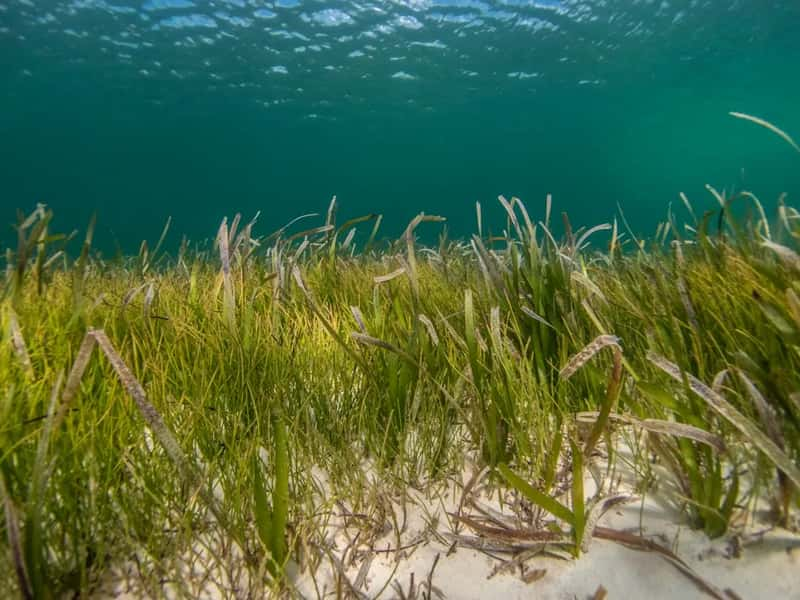
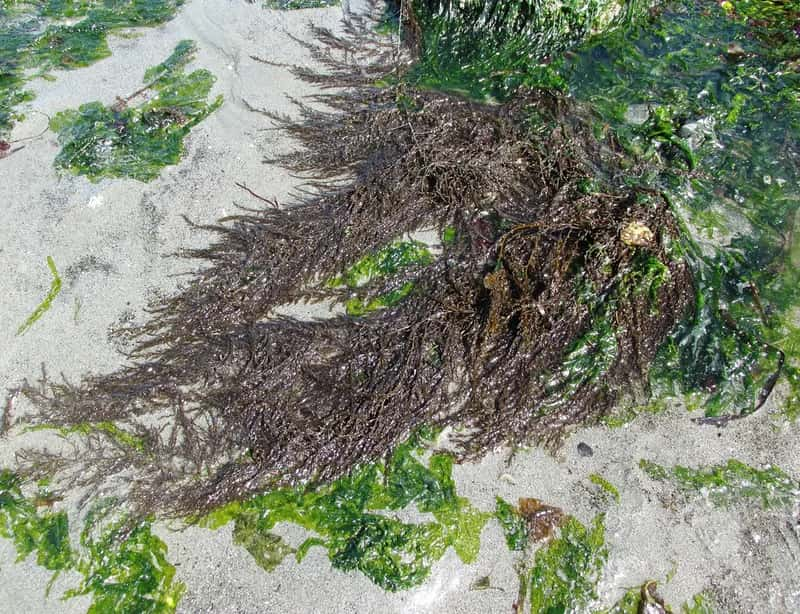
Sargassum used to be a summer annoyance. In 2026 it behaved differently. The Caribbean season normally runs March through October, yet this year it kicked off in January, driven by unusually warm sea surface temperatures.[1] Researchers at the University of South Florida reported that April and May broke previous records for algal growth.[1]
The scale shows up on the ground. One local outlet reported that Quintana Roo had already pulled about 25,000 metric tons of sargassum from its coastlines by April alone.[1] Another guide noted that some beaches such as Akumal have been closed, while others like Puerto Morelos Centro have held it back with barriers and boats.[2] That unevenness is the problem: you can’t know which version of the beach you’ll get until you’re standing on it.
A Rough Pattern, Not a Rare Event
It would be easy to call 2026 a fluke. The trend suggests otherwise. The Great Atlantic Sargassum Belt reached a record 37.5 million tons in 2025 and kept growing into 2026.[3] Even the Wikipedia entry on the city notes that by 2021, sargassum season had become an annual occurrence at many Caribbean beach destinations, including Cancún.[4]
To be fair, the picture isn’t uniformly grim. In early July, one monitoring site described most Cancún beaches as light and Playa Norte as clear, while Playa del Carmen and Tulum stayed heavy.[5] Still, when the best-case scenario requires checking satellite maps before you book, the old promise of easy paradise has worn thin.
Crowds Are Part of the Package Now
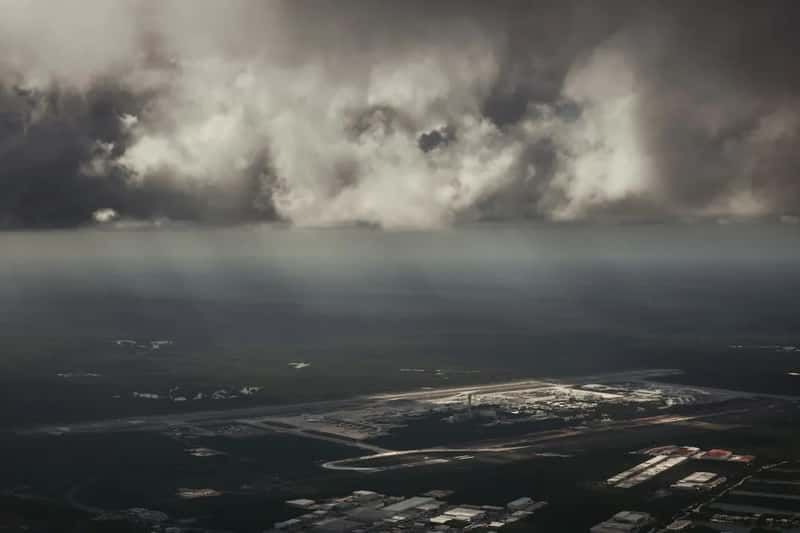
Cancún is one of the busiest leisure airports in the region. In 2025, the airport handled just over 29 million passengers, including roughly 19.5 million international travelers.[6] International arrivals have eased a little, but they’re still far above where they were before the pandemic: 9.41 million foreign tourists in 2025, about 19% above 2019.[6]
Peak weeks feel it. During Easter week 2026, Quintana Roo reported 80.7% hotel occupancy,[7] and the state said it welcomed more than 600,000 tourists in a single week.[7] Those figures come from state officials, and they’re good news for the local economy. For someone who wants a quiet stretch of beach, they’re a warning.
The Building Never Really Stops
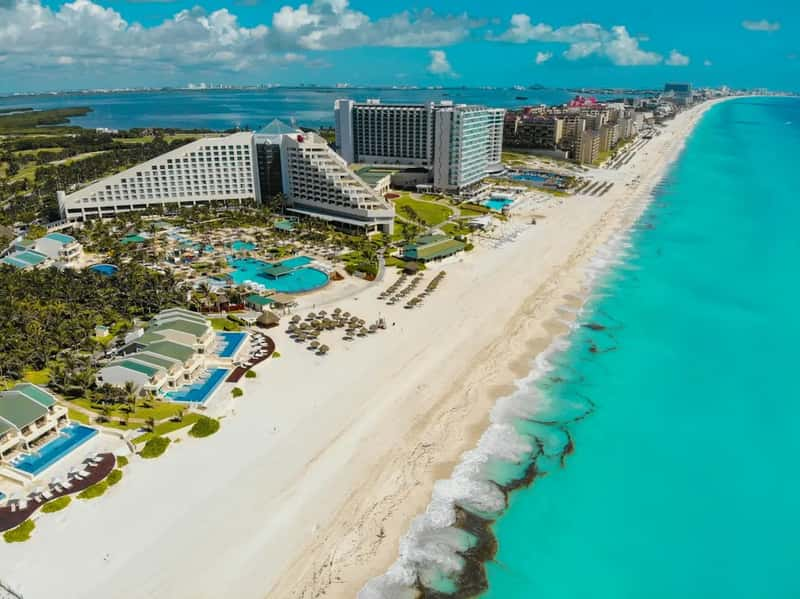
Hotel development in the region isn’t slowing down. One tourism analytics site reported in late 2025 that Cancún and the Riviera Maya account for over 90% of new hotel rooms in Mexico.[8] That’s a remarkable concentration of growth in one slice of coastline.
More rooms mean more flights, more traffic, and more pressure on beaches, water, and waste systems. I don’t blame travelers for wanting the all-inclusive convenience on offer. Still, I find it hard to enjoy a place when the whole region feels like it’s being engineered for the next wave of arrivals, with no clear ceiling.
What the Boom Cost the Coast
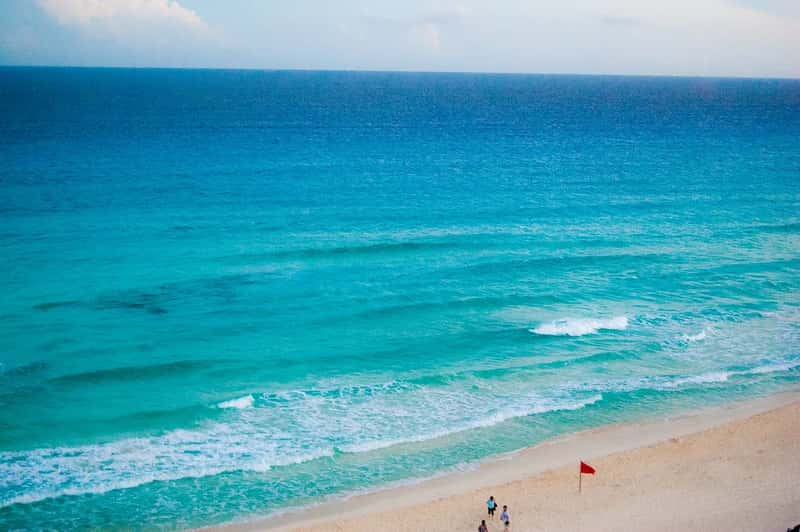
Cancún’s environmental story is older than the sargassum headlines. A 2010 Al Jazeera report described how the city used to be a natural barrier island whose dunes and mangroves, nature’s buffers, were decimated,[9] and noted that white sand is trucked in because the beaches can’t sustain themselves naturally.[9] That’s dated, but the underlying pattern hasn’t disappeared.
Mangroves matter here for practical reasons, not just ecological ones. Coastal ecosystems like them reduce flood and storm surge damage by acting as natural barriers to waves.[10] A SkyTruth analysis points out that, despite mangrove protection laws passed since the 2000s, rapid development still threatens ecosystems through runoff, blocked water flows, and a lack of wildlife corridors.[11] Choosing where to spend vacation money is a small vote, and this is one reason mine went elsewhere.
Safety: Real Concerns, Fair Context

Safety is where people tend to exaggerate in both directions, so let’s stay precise. The U.S. State Department rates Quintana Roo at Level 2, the same advisory it has held since August 2025.[12] That’s the same designation currently applied to France, Italy, and the United Kingdom.[13] Several other Mexican states sit at Level 4.
That said, the advisory isn’t meaningless. It notes that U.S. citizens have been victims of both non-violent and violent crimes in tourist and non-tourist areas.[14] In late February 2026, after Mexican forces killed a cartel leader in Jalisco, the U.S. Embassy issued temporary shelter-in-place alerts covering several states, including Quintana Roo.[15] Officials reported that airports, cruise ports, hotels, and tourism activities were running without disruption,[12] so this is a reason for awareness, not panic. Still, it adds one more thing to think about.
What Cancún Still Does Well
I’d be dishonest if I pretended the place has no appeal. Cancún’s tourism board was named the World’s Leading City Tourist Board at the 2025 World Travel Awards,[6] and Canadian visitors increased too, with 1,656,539 arrivals in 2025, up 10.8% on 2024.[6] Millions of people clearly still love it.
Direct flights, huge resort choice, and easy logistics are real advantages, especially for families or big groups. If you’re set on going, the bay-facing beaches of north Cancún, such as Las Perlas, Langosta, Tortugas and Caracol, sit in a sheltered bay that usually shields them from sargassum drift.[5] Even there, conditions can change: one July report noted that north Cancún had been running moderate and brown for much of two weeks before recovering.[5]
Where I’d Look Instead
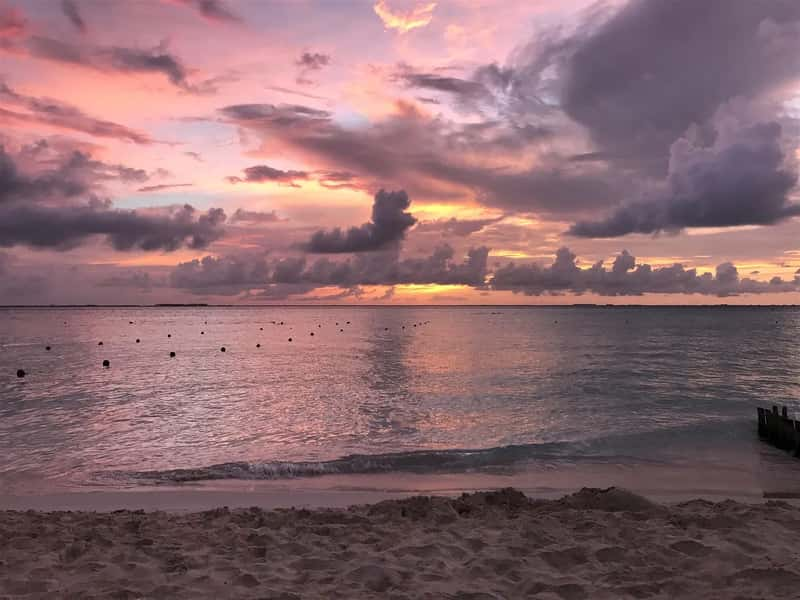
You don’t have to leave the region to change the experience. Near Cancún, Playa Norte on Isla Mujeres and Cozumel’s west coast are among the most consistently protected beach areas.[16] Both give you Caribbean water without a hotel-strip feel, and both are easy day trips or short stays.
If you want to get farther from the crowds, Isla Holbox is worth a look. Tripadvisor has described it as an island two hours north of Cancún that reduces its carbon footprint by banning cars.[17] I’d treat that as a starting point and check current sargassum and travel conditions before booking, because this coastline changes quickly from year to year.
If You Do Go, Go Differently
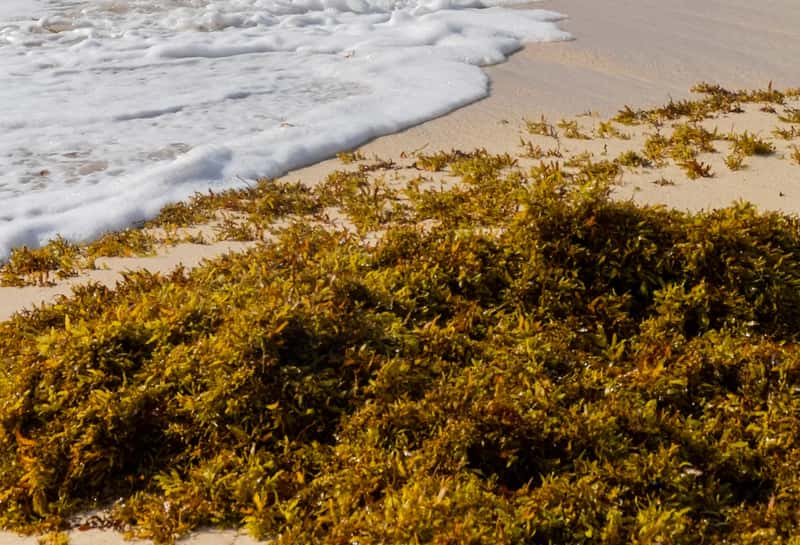
Timing is the biggest lever you have. One guide puts the usual pattern at April to October, with the heaviest landings from June through August, and November to March generally clean.[3] Another says the season is generally over by the end of October,[2] though some spots stay affected longer.
Beyond timing, pick your beach before your hotel and check live sargassum reports in the days before departure. Avoid holiday peaks like Easter week if you can. Those small choices won’t fix the bigger structural issues, but they’ll make your trip noticeably better.
Conclusion: A Change Worth Making
I stopped going to Cancún because the mix of record seaweed, heavy crowds, relentless building, and environmental strain stopped feeling like a fair deal for me. That’s a personal call, not a verdict on the city or on the people who work hard to make it welcoming. Safety, by the official ratings at least, isn’t the main issue.
If you’re on the fence, you don’t need to quit Cancún for good. Try a different season, a calmer island, or a smaller stretch of coast, and see what changes. Sometimes the best way to keep loving a place is to give it, and yourself, a break.