Let’s be real: Canada’s two most glamorous cities are losing their appeal. While Toronto’s population surpassed seven million in July 2024 and Vancouver remains a stunning coastal gem, thousands of residents are packing their bags and heading elsewhere. Toronto recorded the largest interprovincial migration deficit among Canadian census metropolitan areas in 2023/2024, losing 9,819 individuals on a net basis, while Vancouver experienced a net deficit of 5,709 residents in 2023/2024. Something fascinating is happening across the country, and it’s reshaping how Canadians think about home.
The exodus isn’t random. In Toronto, roughly three in ten households live in unaffordable housing, and about one in eight spend over half their income on shelter costs, proportions comparable to Vancouver. Meanwhile, cities once dismissed as dull are suddenly appearing on everyone’s radar. These so-called boring destinations offer something the big metros can’t anymore: breathing room. Here’s the thing, though. These aren’t second-rate alternatives. They’re cities where your salary actually stretches, where you can own property before retirement, and where traffic doesn’t steal two hours of your day.
Calgary: The Prairie Powerhouse Everyone Underestimated

Calgary has become the undisputed winner of Canada’s migration sweepstakes. Calgary saw its biggest net interprovincial gain since 2001/2002, adding 26,662 residents between July 2022 and July 2023. That’s not a typo. We’re talking about more than twenty-six thousand people choosing Calgary over everywhere else. Calgary grew at a rate of 5.8% from July 2023 to July 2024, the fastest 12-month rate of any census metropolitan area since at least 2001. What’s fueling this surge? Housing affordability plays a starring role.
Average home prices in Calgary remain unchanged year-over-year at roughly $616,000, which sounds expensive until you realize that’s half of what you’d pay in Vancouver. Renting a one-bedroom apartment in Vancouver’s city center averages $2,800 per month, while some neighborhoods average $2,300. Calgary offers similar urban amenities without the financial suffocation. The job market doesn’t hurt either. Alberta’s energy sector continues to provide well-paying opportunities, and tech companies have started setting up shop in Calgary’s evolving downtown core.
Honestly, Calgary’s transformation surprises even longtime Albertans. The city that was once all about oil and the Stampede now hosts thriving arts districts, diverse culinary scenes, and a younger demographic that’s reshaping its identity. Calgary, Vancouver, and Edmonton have been Torontonians’ top destinations when they leave the province. The winters? Yeah, they’re brutal. I know it sounds crazy, but more people are deciding that enduring minus thirty degrees is worth having money left over at the end of the month.
Edmonton: Calgary’s Scrappier Sibling Gets Its Moment

Edmonton saw its biggest net interprovincial gain since 2001/2002, adding 16,082 residents between July 2022 and July 2023. That’s Edmonton finally getting the respect it deserves. While Calgary grabs headlines, Edmonton quietly offers even more affordability. Edmonton home prices increased just over two percent annually to around $447,000, making it one of Canada’s most accessible major cities for first-time buyers.
Here’s what people miss about Edmonton: it’s a government town with stability baked in. Public sector jobs provide security that volatile industries can’t match. Edmonton’s market is boosted by its varied job market and strong public sector jobs. The city also hosts a genuine festival culture. From the Fringe Theatre Festival to the Folk Music Festival, Edmonton punches well above its weight culturally. The river valley running through the city provides more parkland than you’d expect, creating an outdoor lifestyle that rivals pricier destinations.
Rental prices in Edmonton average around $1,349 for one-bedroom apartments or less, offering budget-friendly options without sacrificing urban infrastructure. The University of Alberta attracts talent and creates a youthful energy in certain neighborhoods. Sure, Edmonton lacks Vancouver’s ocean views and Toronto’s international cachet, yet thousands of former big-city residents are discovering that those trade-offs feel increasingly worthwhile when you can actually afford to live comfortably.
Winnipeg: The Underdog With Unbeatable Value

Winnipeg doesn’t pretend to be glamorous, which might be its greatest strength right now. This is a city that knows exactly what it is and doesn’t apologize. Winnipeg saw its highest net interprovincial gain since 2001/2002, adding 1,277 residents between July 2022 and July 2023 from interprovincial migration, specifically in regions like Lethbridge, showing the broader Prairie appeal. Housing here represents perhaps the last bastion of genuine affordability among major Canadian metros.
The cost difference is staggering. While Toronto and Vancouver residents spend over half their income on housing, Winnipeg offers detached homes for prices that wouldn’t buy you a parking spot in Vancouver. The cultural scene surprises newcomers. Winnipeg’s arts community thrives partly because artists can actually afford to live there while pursuing their craft. The Canadian Museum for Human Rights, the Royal Winnipeg Ballet, and a vibrant music scene create cultural richness without the coastal price tags.
The winters are legendary for all the wrong reasons, admittedly. Winnipeg’s location at the junction of the Red and Assiniboine rivers means frigid temperatures that test your resolve. Yet people who relocate there often mention the city’s genuine sense of community. Major cities like Toronto and Vancouver are pricier, while smaller cities like Winnipeg and Edmonton offer more affordable options. Neighbors actually talk to each other. Local businesses know your name. It’s a lifestyle that feels increasingly rare in our hyper-connected yet somehow disconnected modern world.
Halifax: Where Ocean Breezes Meet Opportunity

Halifax represents the East Coast alternative for those who can’t imagine life without water views. Halifax’s population grew by over 19,000 people from July 2022 to July 2023, a record-high growth rate of 4.1%. That explosive growth reflects Halifax’s emergence as a legitimate destination for Ontarians and British Columbians seeking change. The majority of Halifax’s growth came from international migration at roughly eighty percent, while interprovincial movement accounted for about seventeen percent.
What’s driving people eastward? Halifax offers the maritime lifestyle without the Vancouver price tag. You get ocean access, milder winters than the Prairies, and a compact, walkable downtown that feels European. The city’s growing tech sector, anchored by companies and startups attracted to its quality of life, employs traditional maritime industries. Universities like Dalhousie bring youthful energy and international flavor.
Here’s the catch nobody mentions upfront: Halifax’s popularity has created its own affordability challenges. Housing prices have climbed as demand surged. Rapid population growth has dramatically increased the cost of housing in the Halifax region, with one-quarter of survey respondents now considering leaving the province. Still, compared to Toronto or Vancouver, Halifax remains relatively accessible. Atlantic Canada emerged as a popular destination for relocation, especially among those in Ontario considering a move. The East Coast lifestyle, with its emphasis on work-life balance and community, continues attracting those willing to trade big-city hustle for maritime charm.
Quebec City: The Francophone Alternative Nobody Expected
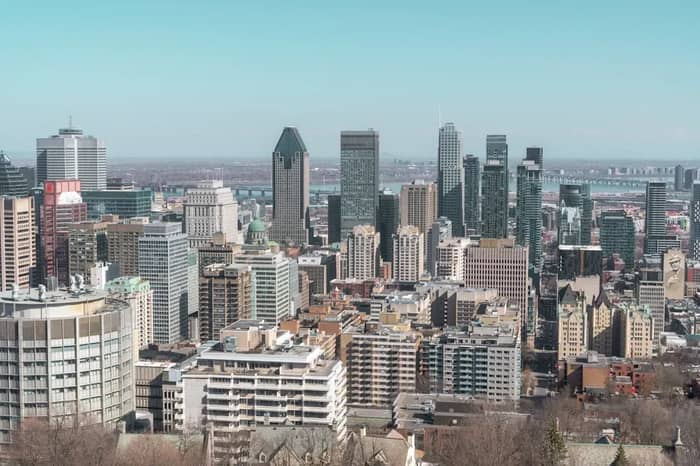
Quebec City might seem like an odd choice for English-speaking Toronto and Vancouver residents, yet it’s quietly attracting attention. The city offers European charm without leaving North America, historic architecture that rivals anything in Canada, and costs that make other metros look absurd. Quebec City’s demographic increase in 2023 testifies to its sustained attractiveness to residents, with growth more modest than Montreal, Toronto, and Vancouver, yet still significant.
The language requirement presents an obvious barrier. You’ll need French to truly integrate into Quebec City’s social fabric and job market. However, the city’s growing bilingual professional class creates opportunities for those willing to learn. What you get in return makes the effort worthwhile. Housing costs that let you actually save money. A culinary scene that punches well above its weight. Winter festivals that transform the coldest months into celebrations rather than endurance tests.
Montreal offers a nice balance between affordability and urban living, with one-bedroom apartments renting for around $1,775, and Quebec City offers even better value. The provincial government’s family-friendly policies, including subsidized childcare, make Quebec attractive for young families priced out elsewhere. Quebec’s population reached 9.11 million on January 1, 2025, an increase of 155,300 people in 2024, still one of the largest increases ever registered. It’s hard to say for sure, but Quebec City might represent the best-kept secret in Canadian real estate right now.
The Real Cost of Staying Put

Here’s what migration statistics don’t capture: the emotional and financial toll of remaining in unaffordable cities. People living in Toronto and Vancouver were less likely to report a strong sense of belonging to their community compared to those elsewhere in their provinces, with residents of Toronto and Vancouver also less likely to report high life satisfaction. That data point deserves attention. You sacrifice quality of life metrics while paying premium prices.
The math becomes brutally clear when you run the numbers. The mortgage payment on an average Canadian home represents nearly forty-eight percent of pre-tax household income, with Toronto requiring over seventy-three percent of pre-tax household income paid towards mortgage costs. These aren’t sustainable percentages. They represent financial stress that permeates every aspect of life. Career decisions get made based on mortgage obligations rather than passion or growth. Families delay having children because housing costs consume resources that should go toward building futures.
For those choosing to stay in Canada rather than leaving entirely, Alberta emerged as the frontrunner for relocation at eighteen percent, particularly the most popular destination among those sixty-five or older for both Canadians and newcomers. The trend isn’t slowing. Ontario continues to struggle to attract residents from other provinces while more Ontarians are leaving compared to before the pandemic, with Toronto likely to see continued net interprovincial migration deficits in 2024/2025. Each year, more people calculate that smaller, supposedly boring cities offer something increasingly precious: the ability to actually build wealth rather than just survive.
What This Migration Wave Means Long-Term
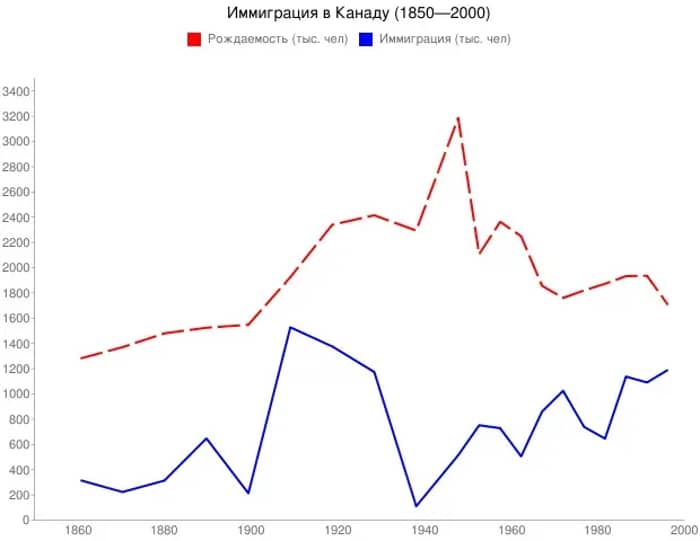
This population shift represents more than individuals making personal choices. It’s reshaping Canada’s economic and cultural landscape in fundamental ways. Alberta was the top destination for individuals moving provinces in 2023/2024, continuing a pattern that redistributes talent, capital, and innovation away from traditional powerhouses. Cities like Calgary and Edmonton are evolving beyond their resource-economy roots, developing diversified sectors that can sustain long-term growth.
The implications for Toronto and Vancouver remain complex. While both cities continue growing through international immigration, losing established residents creates particular challenges. Toronto recorded a net intraprovincial migration of negative 69,522 from July 2023 to July 2024, meaning existing provincial residents are voting with their feet. These departing residents often take institutional knowledge, community connections, and spending power to their new homes. Meanwhile, receiving cities must rapidly scale infrastructure, services, and housing to accommodate influxes they weren’t built to handle.
The pandemic normalized remote work, and that genie isn’t going back in the bottle. Geography matters less when you can keep your Toronto salary while living in Winnipeg. The pandemic, combined with technology allowing people to work from anywhere, means more people are moving to smaller communities where they enjoy lower housing costs and other benefits that less dense places offer. Some retirees are also leaving the big city behind. This flexibility fundamentally changes the calculation for countless Canadians who previously felt chained to expensive metros. What happens when talent can live anywhere? These supposedly boring cities might just become the exciting ones.
What do you think about this migration trend? Could you imagine trading big-city prestige for Prairie practicality or maritime charm?