For years, Arizona has been the go-to answer whenever someone asked where to retire in the Southwest. Warm winters, no tax on Social Security, and a reputation for affordability made it a magnet for snowbirds and full-time retirees alike. Lately, though, a quieter migration has been building, one where retirees who once considered Arizona their final stop are packing up and heading east into New Mexico instead, drawn by a mix of water anxiety, rising housing costs, and a tax and cost-of-living picture that increasingly looks more favorable next door.
This isn’t a dramatic exodus making headlines every week. It’s a slow, steady reconsideration happening in retirement planning meetings, moving truck bookings, and real estate searches across the region. The reasons behind it are practical, financial, and in some cases tied directly to the physical realities of living in the desert Southwest in 2026.
The Water Worry That’s Changing Retirement Math
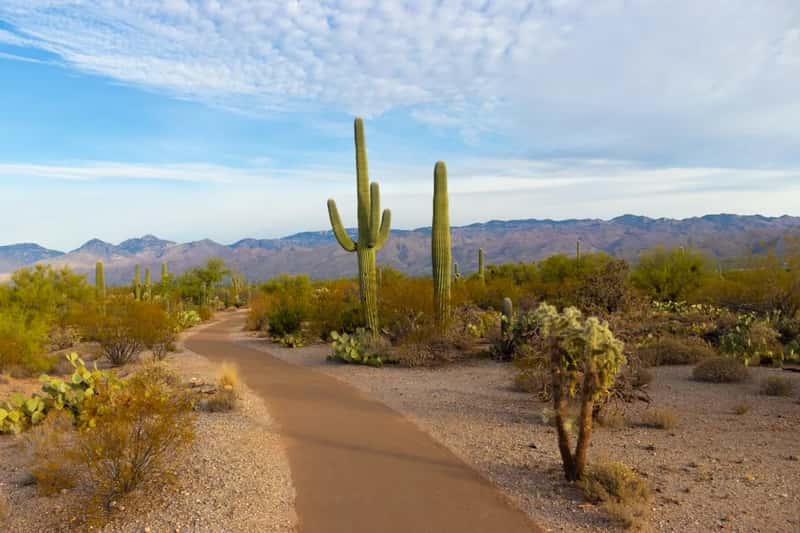
Arizona’s water situation has moved from background concern to front-page news over the past couple of years. Eighty-seven percent of Arizona is now in drought, the Colorado River sits at just 36 percent capacity, and Phoenix is on a Stage 1 Water Alert. That’s not a distant hypothetical for people planning to spend two or three decades in a retirement home in the Valley.
City officials insist the taps aren’t going to run dry anytime soon, but the trajectory is hard to ignore. Phoenix anticipates going to “Drought Stage 2 – Water Warning” by the end of 2026, which could mean voluntary reductions, expanded audits, expanded rebates, and surcharges. On top of that, the entire Colorado River system remains under severe stress as the 2007 Interim Guidelines and 2019 Drought Contingency Plans expire at the end of 2026, with Lower Basin states operating under Tier 1 shortage rules and proposing additional near-term conservation through 2028. For retirees thinking about long-term stability, that kind of uncertainty tends to nudge the needle toward a state with fewer headlines about reservoirs hitting historic lows.
Housing Costs Are Quietly Climbing in Arizona’s Retiree Hotspots
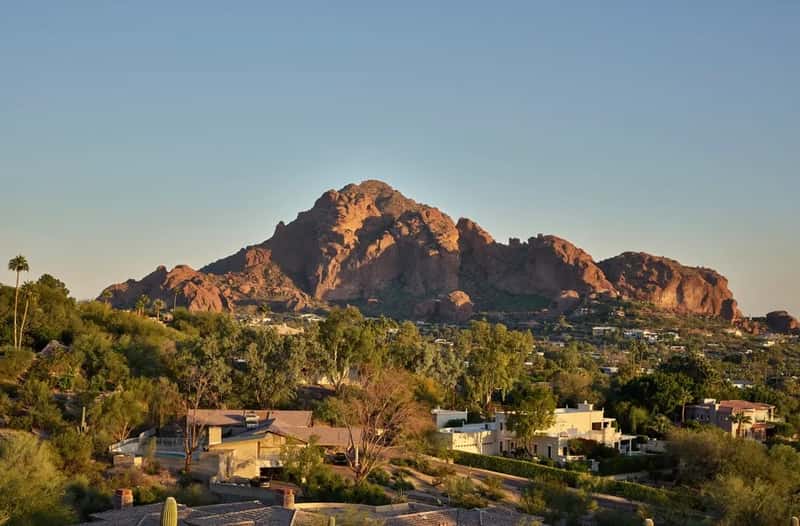
Arizona still markets itself as an affordable alternative to California or Florida, and in many ways it is. Still, the popular retirement corridors have gotten noticeably pricier in recent years. Arizona has seen rising home prices, especially in popular areas like Scottsdale, Sedona and parts of Phoenix, with the median home price in Scottsdale sitting around 900,000 dollars as of early 2025. That’s a steep number for anyone living on a fixed income.
Rental costs tell a similar story. Arizona’s statewide cost structure looks moderate on paper, but the Phoenix metro runs materially hotter than much of the state, particularly in retiree-heavy suburbs, with a two-bedroom rental running roughly 1,300 dollars in Tucson, 1,550 to 1,900 dollars across much of Phoenix, and 2,000 dollars or more in higher-demand Phoenix-area neighborhoods favored by retirees. Compare that to New Mexico, where the lowest cost of living in the Southwest is found by moving to New Mexico, at around 46,076 dollars in average annual expenditures, or Utah at 51,027 dollars. For a retiree comparing two similar desert lifestyles, that gap adds up fast over a decade or two.
New Mexico’s Tax Picture Is Surprisingly Competitive
Arizona’s tax pitch to retirees has always centered on a few key points, and they’re real. Retiring in Arizona can be financially attractive thanks to no state tax on Social Security, a flat 2.5% income tax, low property taxes, and no estate or inheritance tax. However, the fine print matters. Unlike Social Security, traditional IRA, 401(k), and other retirement account withdrawals are fully taxable at the state level in Arizona.
New Mexico’s structure looks different, and for many retirees it works out just as well or better once deductions are factored in. New Mexico is moderately tax-friendly, taxing Social Security but offering an 8,000 dollar deduction on retirement income if adjusted gross income is below 28,500 dollars for single filers or 51,000 dollars for married couples filing jointly. There’s also relief built in for medical costs, since those 65 or older can claim a refundable medical care credit of 2,800 dollars if they have uncompensated medical care expenses exceeding 28,000 dollars. On top of that, New Mexico brings one of the more attractive property tax structures in the country to the table, something we’ll dig into further down.
Lower Cost of Living Without Giving Up the Southwest Lifestyle
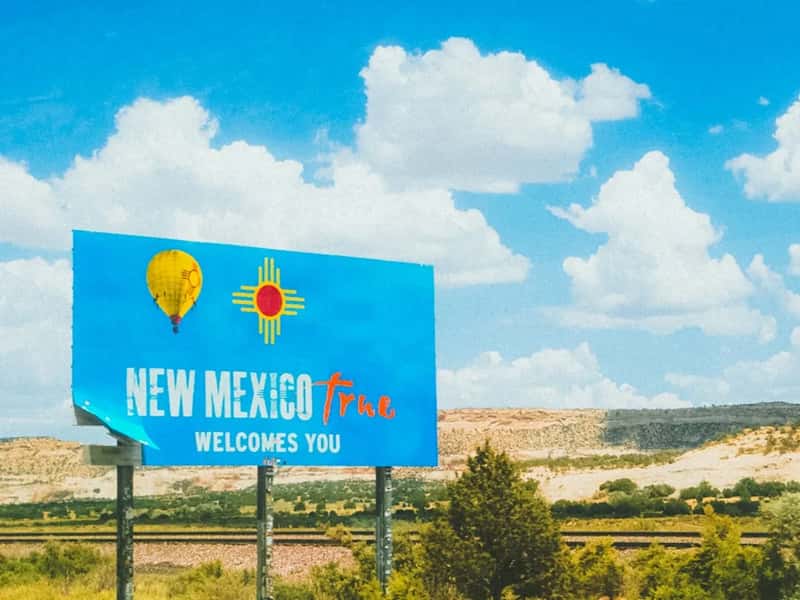
One of the biggest draws for retirees eyeing New Mexico is that it delivers a very similar climate and landscape to Arizona, just at a noticeably lower price point. Like Arizona, New Mexico is known for its low cost of living, sitting at about 3.1% below the national average. That’s a meaningful cushion for anyone stretching a fixed retirement income.
The appeal isn’t just about saving money on groceries or utilities either. New Mexico offers a unique financial structure with no state tax on Social Security income, low overall cost of living, and a culture of relaxation and community. For retirees who loved the idea of Arizona’s dry heat and open desert but felt squeezed by rising prices in Phoenix or Scottsdale, New Mexico essentially offers the same sunbelt fantasy with more breathing room in the monthly budget.
Property Taxes and Senior Protections Favor New Mexico

Property taxes are where New Mexico really separates itself from most of its neighbors. In addition to its low cost of living, New Mexico also boasts some incredibly favorable taxes including one of the lowest property tax rates in the entire country. For homeowners planning to stay put through retirement, that’s not a small detail.
New Mexico also has specific protections built for seniors on fixed incomes. Most seniors over 65 will pay property taxes in New Mexico, however the state has a special program where seniors with income below 41,900 dollars can apply to have their property assessment frozen, in order to limit the property taxes owed. Arizona has a comparable freeze program too, but the overall property tax burden in New Mexico tends to start lower to begin with, which means the savings compound over time rather than just holding steady.
Where Arizona Retirees Are Landing in New Mexico

The migration isn’t random. Certain New Mexico cities have become clear landing spots for people leaving Arizona, each offering something a little different. Las Cruces has emerged as a favorite for retirees chasing affordability without sacrificing warm winters. Las Cruces is the state’s second-largest city at about 113,000 people and probably the best entry point if you want real urban infrastructure without Santa Fe prices.
Albuquerque and Santa Fe draw a different crowd, one more interested in culture and healthcare access. Corrales and Albuquerque pair urban-adjacent living with full medical infrastructure at a more moderate price. Meanwhile, smaller towns are catching attention too. Truth or Consequences is the most affordable place on the list and the warmest in winter, a town of about 6,200 people along the Rio Grande known for its cluster of geothermal springs that has run bathhouses downtown for over a century. For retirees who want small-town charm with a built-in hot springs culture, it’s hard to find a comparable option in Arizona at that price.
Same Desert Charm, Different Pace of Life
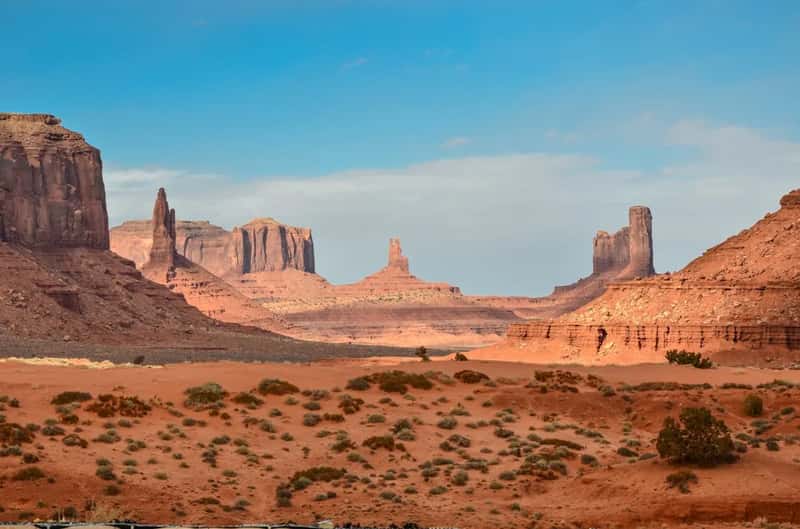
Part of what makes New Mexico an easy sell to Arizona retirees is that the sales pitch barely needs adjusting. While many people know that Arizona is a booming destination for retirement relocation, its eastern neighbor New Mexico provides another amazing place to retire, and for many of the same reasons, offering warm weather, a friendly tax climate, a low cost of living, and access to plenty of outdoor activities and cultural events. It’s essentially Arizona’s retirement formula, recalculated at a lower price.
The population numbers back up the appeal. Over 2 million residents call New Mexico home, drawn by its unique blend of ancient traditions and modern living, with Albuquerque providing urban amenities against a backdrop of the Sandia Mountains while hundreds of smaller communities dot a landscape of high desert, river valleys, and volcanic mesas. For retirees who spent years in Phoenix’s ever-expanding suburbs, that slower, less crowded rhythm is often part of the draw, not a compromise.
The Trade-offs Nobody Talks About

New Mexico isn’t a perfect substitute, and honest retirees who’ve made the move will say so. Some of the drawbacks include an overall higher crime rate than the national average, as well as mediocre tax benefits for seniors, and because the state has fewer metropolitan areas than others, some retirees may find that healthcare facilities with specialists are difficult to find. That last point matters more the further you get from Albuquerque.
Rural charm comes with real trade-offs in access to care. Las Cruces and Truth or Consequences give you the lowest costs and warmest winters but limit your specialty medical care to a drive. Retirees weighing a move need to be honest about their own health needs and how far they’re willing to travel for specialists, because the savings on housing and taxes won’t mean much if a two-hour drive to a cardiologist becomes a regular occurrence.
Arizona Still Has Real Strengths Worth Weighing
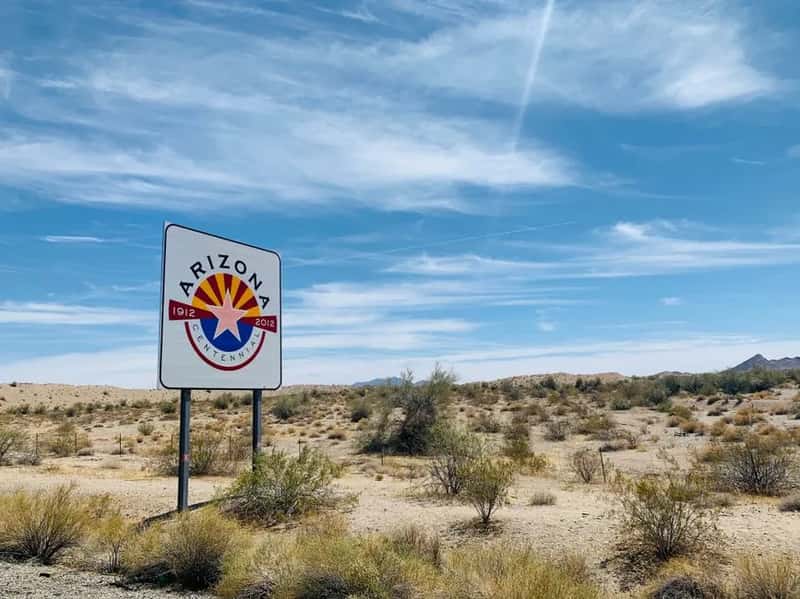
None of this means Arizona has stopped being a strong retirement choice. It still ranks well nationally, and Arizona ranks 15th overall on the 2025 State Tax Competitiveness Index, with the 8th-best individual income tax structure in the country, and its cost-of-living index sits at 100.677, essentially at the national average. For many retirees, especially those with paid-off homes away from the pricier Phoenix suburbs, it remains a financially sound place to spend retirement.
The math still works for plenty of people. Arizona works as a comfortable retirement location for couples with 700,000 to 900,000 dollars in retirement assets and two Social Security checks, as well as those with more modest budgets who are willing to live within their means in less expensive areas. The retirees quietly heading to New Mexico aren’t necessarily fleeing a bad situation. They’re often just running the numbers on a decades-long retirement and finding that the neighboring state’s combination of lower costs, comparable climate, and less water uncertainty edges out Arizona by a meaningful margin.