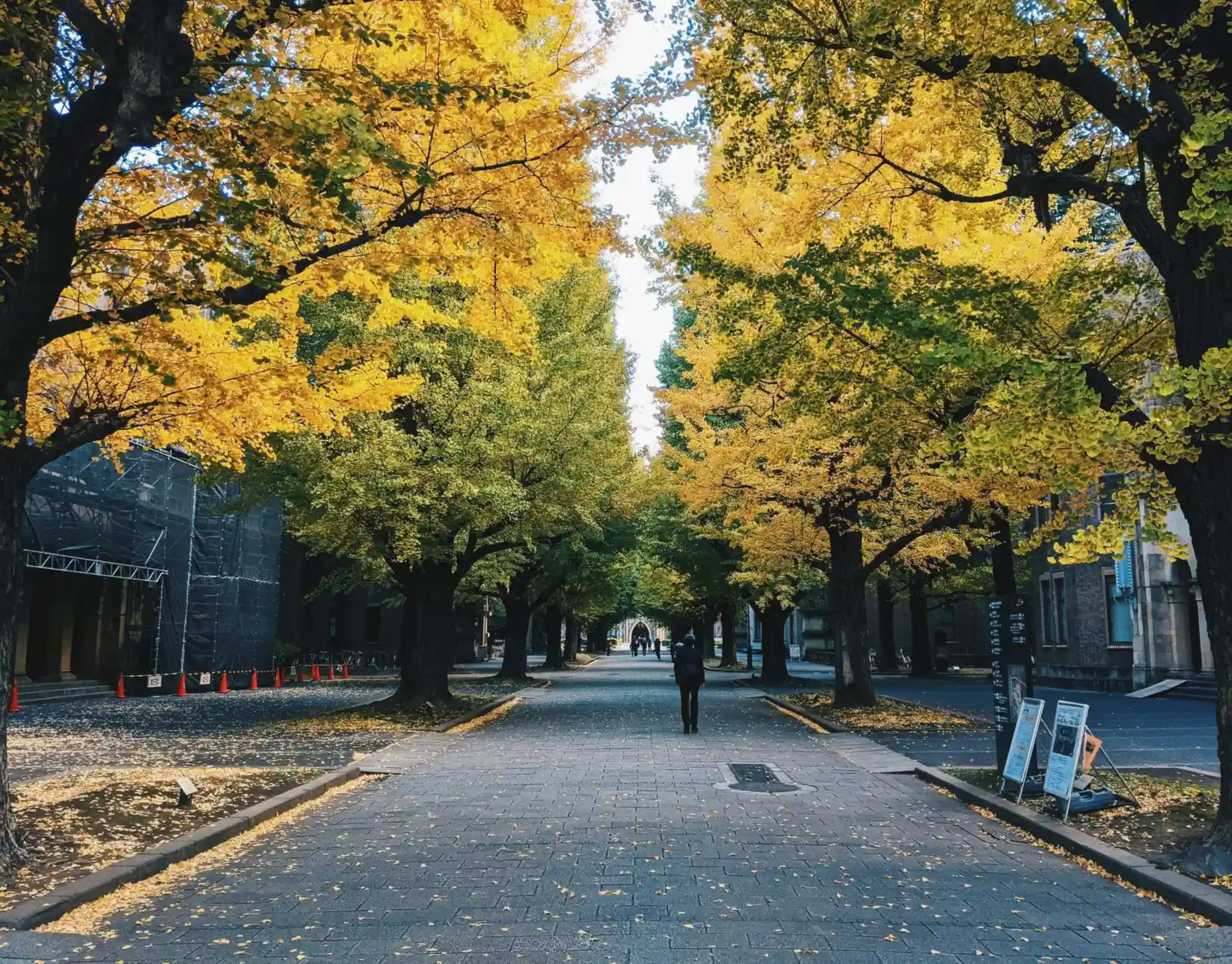
There’s something undeniably thrilling about the idea of setting off on an adventure with no one else by your side. Just you, a backpack, maybe a map app, and an entire world waiting to unfold. Let’s be real, the thought can be intimidating. You’ve probably wondered about the logistics, the safety, whether you’d be lonely.
Here’s the thing. Solo travel isn’t just a passing trend anymore. It’s rapidly becoming one of the most transformative ways people are choosing to explore the world in 2026. The numbers don’t lie, the statistics are eye opening, and honestly, it might be the best decision you make this year. So let’s dive in.
The Solo Travel Market Is Absolutely Exploding
The global solo travel market was valued at around USD 482 billion in 2024, and it’s projected to skyrocket to about USD 1.07 trillion by 2030. To put that in perspective, that’s a compound annual growth rate of roughly 14 percent over just six years. Online searches for solo travel deals and best solo destinations are up by 30 percent, and searches for solo travel increased by over 72 percent from April 2023 to April 2024.
Clearly, people are hungry for independence. Roughly three out of four Gen Z and Millennial travelers plan to embark on solo travel experiences this year. In 2025, about 62 percent of respondents planned to take between two to five solo trips within the following year. Think about it. That’s not just one getaway, that’s multiple adventures driven by pure wanderlust.
Mental Health Benefits That Actually Matter

Around 71 percent of U.S. survey respondents cited solo travel as important for their mental health and wellness. The 2020 pandemic might have forced isolation upon us, but it also made many people more confident about spending time alone and craving those rejuvenating solo experiences.
Roughly 78 percent of travelers report boosts in confidence, emotional healing, or self-discovery after solo travel. Travel psychologists point to the deep sense of empowerment that comes from navigating new environments independently. Internal feelings of freedom, escape, and bravery were found to be the strongest motivators for solo travelers, particularly female travelers.
When you’re in a new city and have to rely entirely on yourself, you stretch beyond your comfort zone. It’s challenging, sometimes uncomfortable, yet incredibly rewarding. Every problem you solve, every language barrier you navigate, every moment you spend soaking in a sunset on your own builds mental resilience you simply can’t replicate any other way.
Women Are Leading the Charge
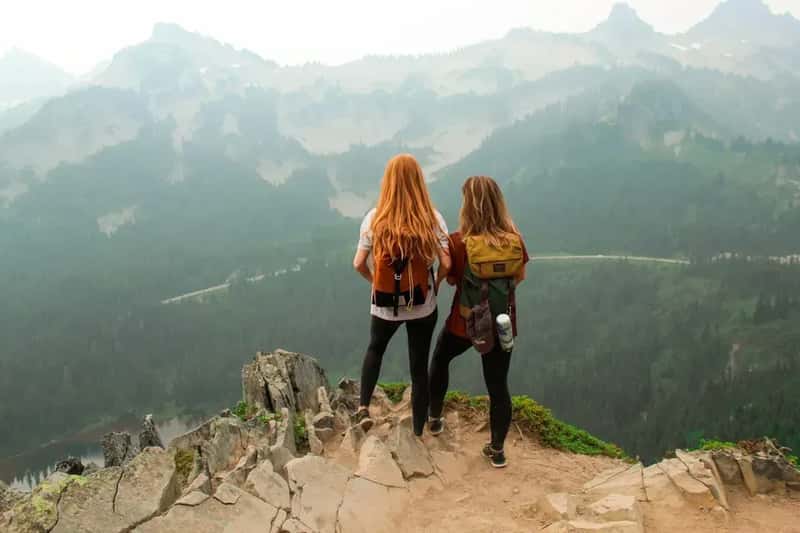
Around 84 percent of solo travelers are women. Yes, you read that correctly. Women dominate this space. Women make up roughly 60 percent of solo travelers, with Gen Z and young Millennials leading the way.
About 74 percent wanted to challenge themselves and increase their confidence, while others simply didn’t have anyone available to travel with. Recommendations from Solo Female Travelers Facebook groups were the most trustworthy resource in 2024, overtaking even friends and family. Think about how significant that shift is. Women are creating powerful communities, supporting each other, and redefining what independent travel looks like.
Safety is obviously a consideration, especially for women. Safety remains the biggest barrier, especially for women, but less than 2 percent said they don’t feel ready to travel solo. Technology, better information, and increased awareness are helping mitigate these concerns.
The Freedom Factor Is Real
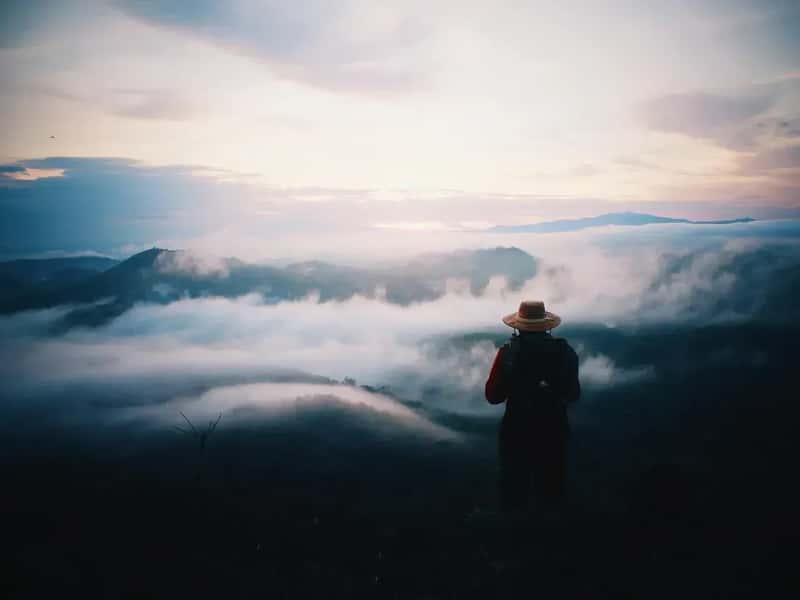
The number one reason to travel solo is the desire to see the world without waiting for others, cited by 74 percent of travelers. Honestly, how many times have you wanted to visit a place but couldn’t coordinate schedules with friends or family? How many bucket list destinations have remained unchecked because you were waiting for someone else to commit?
Solo travel obliterates that problem entirely. The most valued aspects were freedom and spontaneity at 64 percent and being completely free at 59 percent. You want to spend three hours in a tiny museum that fascinates you? Go ahead. Want to wake up at sunrise and hike? No negotiations needed. Craving street food at midnight? Your call.
About 35 percent of solo travelers describe themselves as last minute bookers. That spontaneity is liberating. The flexibility to change plans, follow your curiosity, and move at your own rhythm is priceless.
Where Everyone’s Actually Going
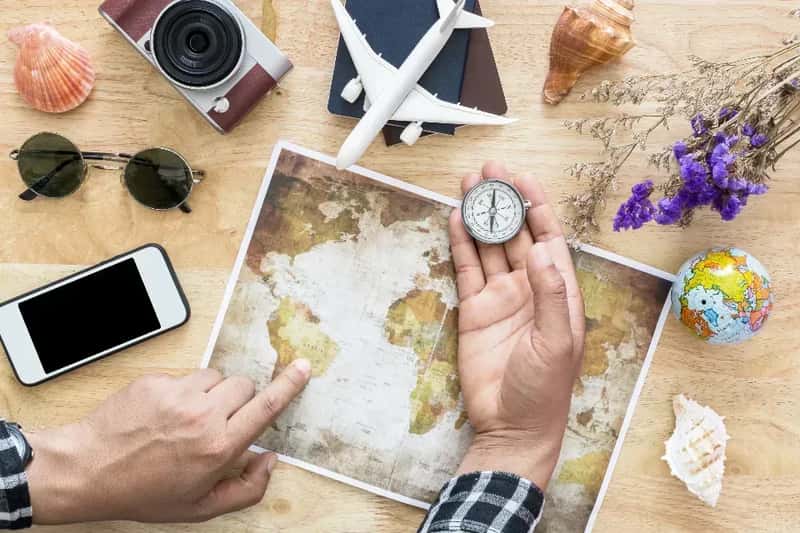
Thailand, Spain, and Italy still top the list as the reigning champions for solo travel destinations. Southeast Asia is particularly booming, with destinations experiencing double digit growth. Sri Lanka saw a huge leap, with visits up by well over 50 percent year on year, while Vietnam, Cambodia, and the Philippines also recorded double digit growth.
For the 17th consecutive year, Iceland has topped the Global Peace Index as the safest country in the world. According to travel safety statistics, the top safest travel countries for 2025 included Iceland, Japan, and Switzerland. Japan particularly stood out, where petty theft was incredibly rare and infrastructure was a dream for independent travelers.
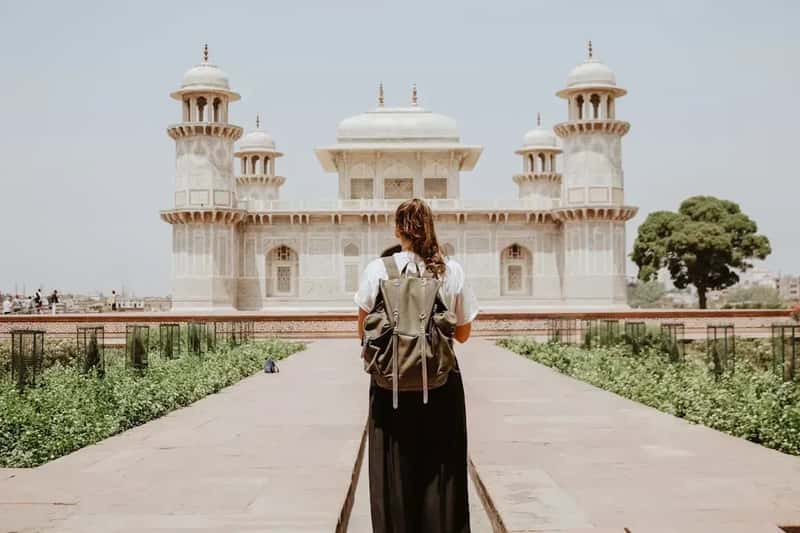
India ranked as the top destination for solo travelers looking to adventure alone according to Kensington, a private guided luxury travel service. The country offers world class accommodations, renowned wellness retreats, and a rich tapestry of history and tradition.
You’re More Connected Than You Think
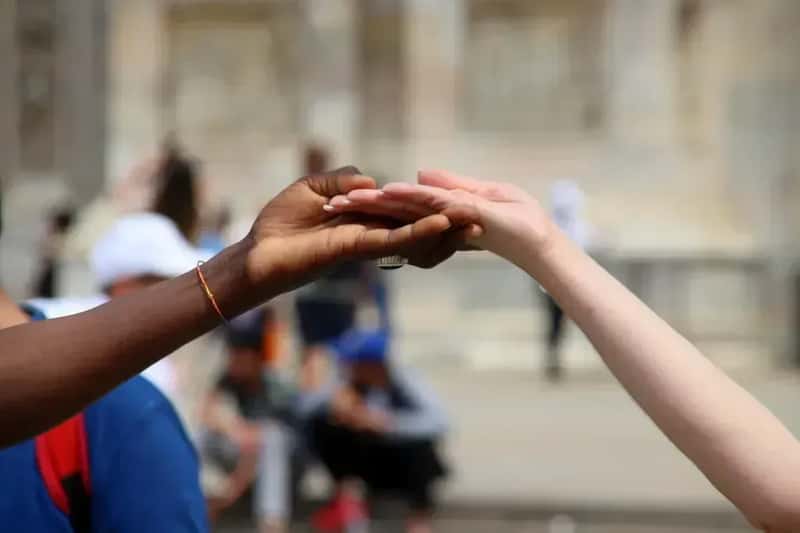
Here’s what might surprise you. Around 71 percent actively seek connection, and 68 percent form meaningful friendships, especially through apps and hostels. Solo doesn’t mean alone. In fact, many solo travelers report meeting more people than they would have traveling with companions.
When you’re with a friend or partner, you’re already in your comfort bubble. Strangers are less likely to approach, and you’re less likely to strike up conversations. But when you’re solo, you become instantly more approachable. About 63 percent of first time solo travelers plan to travel more once they’ve done it, they’re hooked.
The rise of digital nomadism has also contributed to this social aspect. Around 18 million U.S. workers identified as digital nomads in 2024, a roughly 5 percent year on year increase and a remarkable 147 percent growth since 2019. Co working spaces, traveler meetups, and online communities have made it easier than ever to find like minded people wherever you go.
Planning Is Easier Than Ever Before
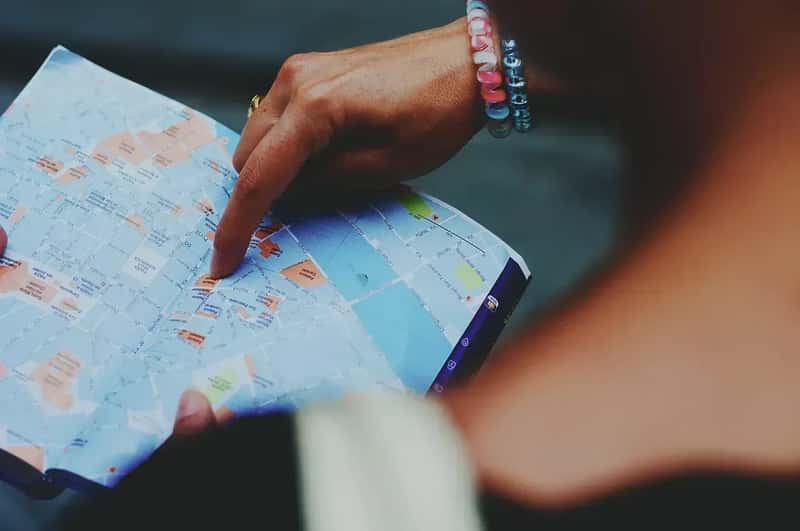
Technology has completely transformed how we approach solo travel. Searches for single occupancy rooms surged by 170 percent on one booking platform. Travel companies are finally catching on, with many dropping or reducing single supplement fees that used to punish solo travelers financially.
About 76 percent of solo travelers prefer planning trips themselves, often using mobile apps and online platforms. Navigation apps, translation tools, digital payment systems, and safety apps have made international solo travel more convenient and secure than ever before. Nearly half of solo travelers book hotels via mobile, and 62 percent use mobile devices to research and plan key aspects of their trips.
Roughly 42 percent of travelers planning solo trips purchase travel insurance, and solo travelers are increasingly risk aware, with 78 percent selecting destinations based on safety. Information is abundant, communities are supportive, and resources are everywhere.
The Personal Growth Is Undeniable

According to research from the Journal of Travel Research, solo travelers report feeling a greater sense of accomplishment and personal growth after overcoming obstacles on their journeys. You learn to trust yourself in ways you never imagined. Every decision, every challenge navigated independently builds confidence that carries over into every aspect of your life.
A 2013 study found that traveling can actually strengthen the openness aspect of our personalities, with research published in the Journal of Personality and Social Psychology discovering that we become different people when hitting the road. You return home not just with photos and memories, but with a fundamentally expanded sense of what you’re capable of.
Travel is known to boost emotional wellbeing, help recovery from depression, improve openness and emotional stability, and relieve stress. Solo travel amplifies these benefits because you’re fully present, fully engaged, and fully yourself.
Solo travel in 2026 isn’t just a vacation choice, it’s a statement about valuing your own experiences and growth. The market is booming, the infrastructure is better than ever, and millions of people worldwide are discovering that the journey matters just as much as the destination. Maybe it’s time you joined them. What’s stopping you?