Picture this: you’ve just completed an invigorating three-hour hike along the famous Path of the Gods, feeling accomplished and energized. Then you descend into Positano for what should be a relaxing exploration of this picturesque coastal town. Within thirty minutes, you’re more exhausted than after your entire mountain trek. Honestly, this scenario plays out for thousands of visitors every year along Italy’s most stunning coastline.
The Vertical Village Challenge
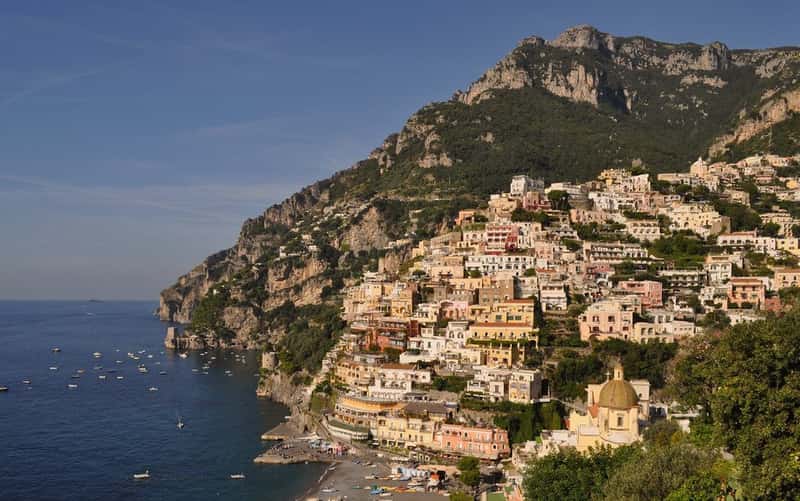
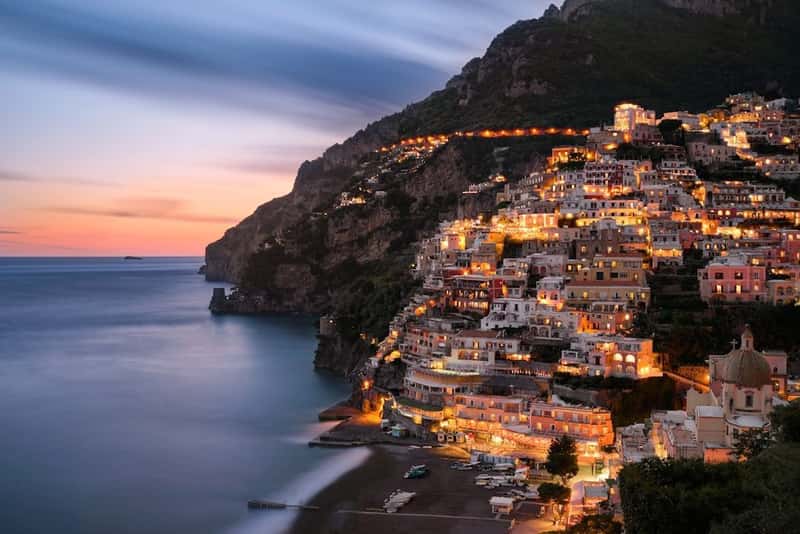
Positano is built on rugged limestone slopes of the Lattari Mountains, creating a “vertical village” layout with narrow stairways and terraced homes, creating what locals describe as a vertical village layout. Its terrain rises quickly from sea level to elevations of approximately 300 meters, which means visitors face an immediate assault on their leg muscles the moment they venture beyond the beach level.
Positano is largely pedestrianized, and as previously noted, has HUNDREDS of stairs. There are LOTS of them everywhere, making it virtually impossible to explore the town without encountering steep climbs.
The Staggering Elevation Statistics

From where tour buses drop off visitors, the elevation change measured on Google Earth is 49 metres or 160 feet, or 16 stories, just to reach the beach area. That’s like climbing a 16-story building every time you want to return to the main road from the waterfront. It’s a very large hill, about 200 yards of crowded downhill path and steps to the beach.
The infamous descent from Nocelle to Positano involves approximately 1,700 steps, while another popular route features around 1,800 steps from the base of the climb to the piazza in front of the church, and another 65 up to the contour-hugging lane.
The Psychological Warfare of Urban Steps
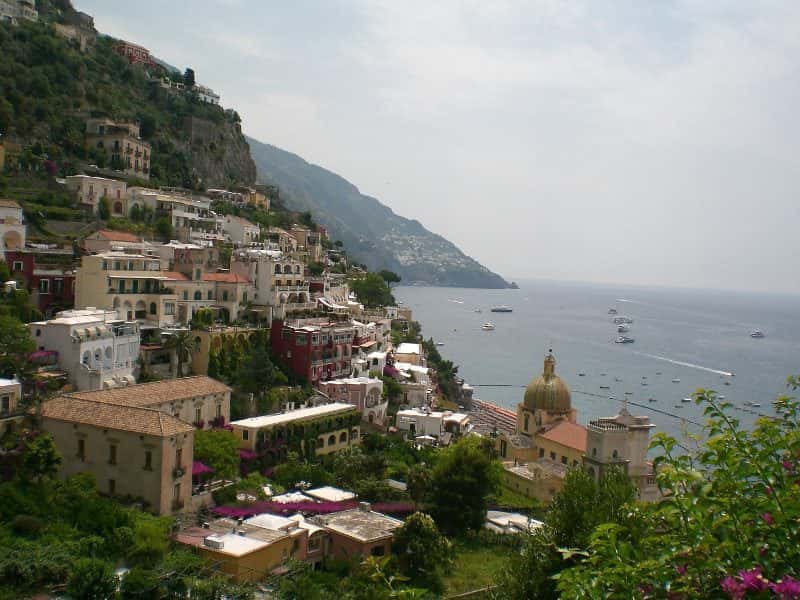
Here’s where things get really interesting. Hikers completing the Path of the Gods trek approximately 4.8 miles and gain around 650-980 feet of elevation in just over four hours, leaving them completely exhausted. Yet many of these same hikers report being more drained by navigating Positano’s urban steps than their mountain adventure.
The difference lies in expectation and rhythm. Mountain hiking allows you to find your pace and settle into a meditative stride. Positano’s stairs, however, come at you relentlessly and unpredictably. It’s like the entire town was built to prepare future generations for the Stairmaster. You climb, and you climb, and you start to think that you must be nearing the top. There is no way there can be any more steps.
The Three-Fold Punishment Effect

Every single step that visitors race down would come back to haunt them, threefold. This phenomenon has been observed by countless travelers who discover that descending seems deceptively easy until they attempt the return journey. Going down wasn’t the problem, but going back up was unbelievable.
Visitors report being near certain that they ran down a flight or two at most, and climbed at least 15 or 16 THOUSAND more flights on the way back. While this is obviously impossible, the psychological impact creates a genuine sense of being trapped in an endless vertical maze.
The Heat and Crowd Amplification Factor
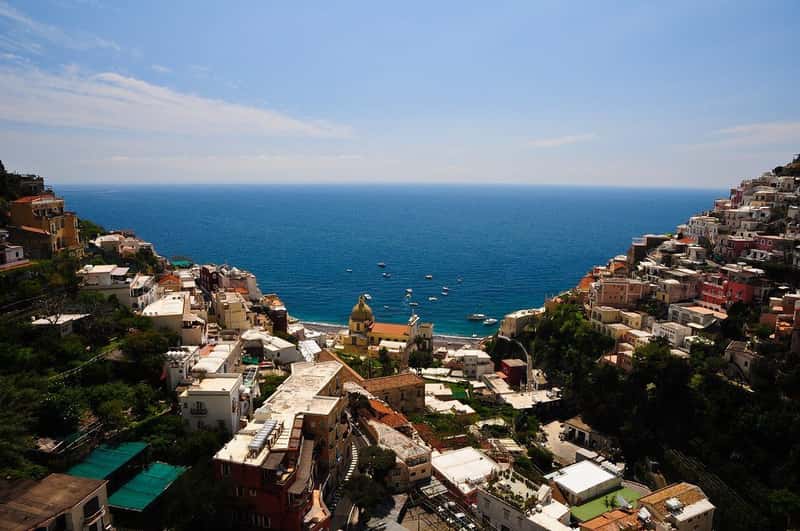
The Amalfi Coast is strenuous, especially when you factor in the heat and humidity. The combination of Mediterranean temperatures, crowded pathways, and constant elevation changes creates a perfect storm for rapid fatigue. The change in elevation from the us drop-off is 49 metres or 160 feet, with good paved walking surfaces, some parts quite steep, and some flights of stairs.
Travel experts recommend timing your walk down with a few stops and allowing yourself four times that duration to walk up with frequent stops to rest, depending on your fitness level or mobility limitations.
The Locals’ Secret Superpower
Meanwhile, after living there for generations, the population has evolved into a lean bunch of stair-climbing machines, with thighs that could crack walnuts. Visitors witness middle-aged locals loading their shoulders with 2 huge containers of water and starting up the steep steps at a brisk pace, making tourists feel even more inadequate.
It can be disheartening to be trudging along a path or staircase and be passed up by a local octogenarian on crutches. This constant comparison amplifies the psychological impact of Positano’s vertical challenge.
The truth is, Positano’s stairs don’t just challenge your physical fitness. They wage psychological warfare on unsuspecting visitors who arrive expecting a leisurely coastal stroll and instead find themselves in an urban mountaineering expedition. Unlike hiking trails that reward you with summits and scenic overlooks, Positano’s steps seem to multiply endlessly, turning every exploration into an unwitting endurance test.