Most people researching a move abroad end up overwhelmed by visa bureaucracy, sky-high costs, or safety concerns. Colombia’s Coffee Triangle sidesteps nearly all of those headaches. Known as the Eje Cafetero or Coffee Triangle, this UNESCO-recognized slice of Colombia spans the departments of Caldas, Quindío, and Risaralda, offering mild weather, stunning landscapes, and a cost of living that simply won’t break the bank. Whether you’re a retiree, a remote worker, or just someone craving a slower and more intentional life, this region keeps delivering reasons to stay.
A UNESCO World Heritage Region With Real Character
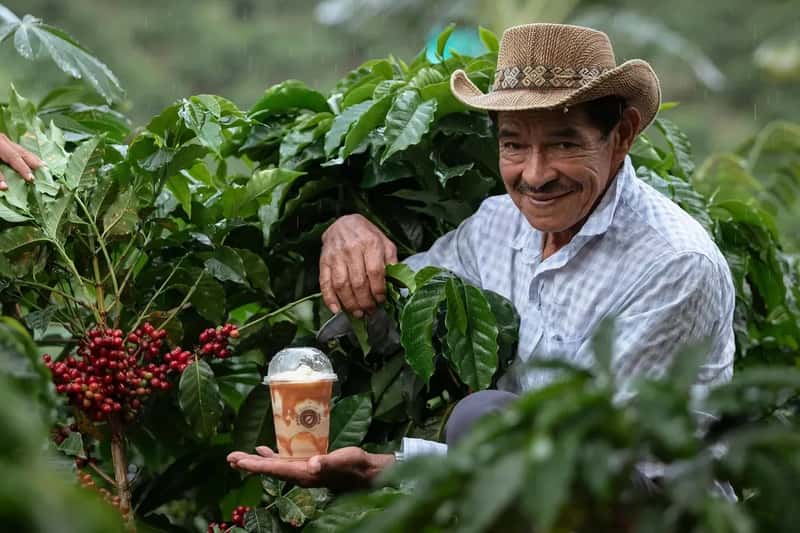
The Coffee Axis, known in Spanish as the Eje Cafetero, is a geographic, cultural, economic, and ecological region of Colombia, anchored by the capital cities of Manizales, Pereira, and Armenia. It’s a place that manages to feel both timeless and livable. This region of some 13,000 square kilometers combines spectacular mountain scenery, preserved colonial villages, exceptional biodiversity, and a living coffee tradition handed down from generation to generation.
Eighteen urban settlements across six sites within the coffee axis were inscribed on the UNESCO World Heritage List in 2011 as the Coffee Cultural Landscape, preserving multiple different forms of traditional coffee growing, the culture of the region, and the locations of several unique festivals. Situated in the foothills of the Central Andes, between 1,200 and 2,000 meters above sea level, this mountainous area produces almost 10% of the world’s supply of Arabica coffee. That’s not a tourist pitch – that’s a region with genuine global significance.
Cost of Living That Makes Western Budgets Go Far

The cost of living in the Coffee Triangle is much lower than in most developed countries, with couples able to live comfortably on around $1,200–$1,300 per month, while individuals can often manage on less than $700. Those numbers are hard to argue with, especially when you compare them to what the same lifestyle would cost in the United States, Canada, or Western Europe. Apartments in cities like Manizales, Pereira, and Armenia are affordable, with furnished one-bedroom apartments costing between $300 and $500 per month.
Utilities including electricity, water, and internet run just $50–$100 total per month, with fiber optic internet costing as little as $20–$30 for 100Mbps. A hearty local meal runs $5–$10, while taxis cost $2–$5 and buses as little as $0.75–$1 per ride. The day-to-day math here is genuinely hard to beat anywhere else at this level of comfort.
The Visa Path Is Surprisingly Simple
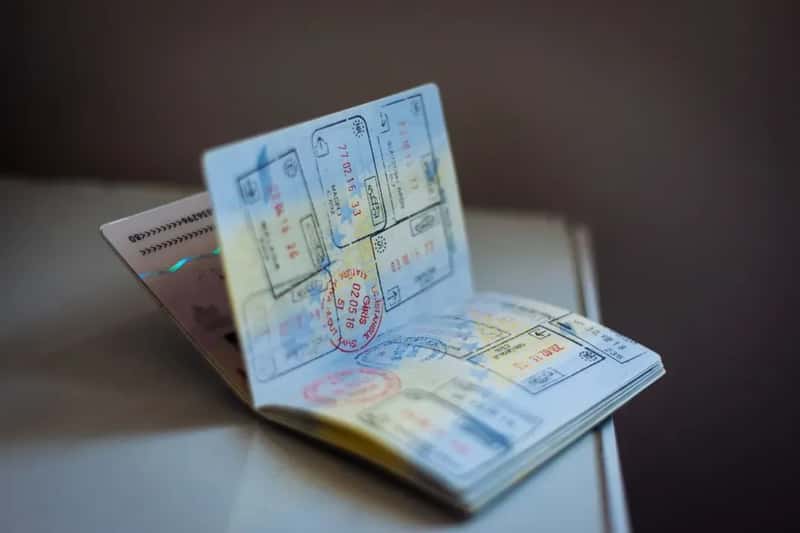
The Colombian Retirement Visa, officially known as the M-11 Migrant Visa, is a residence permit tailored for foreign retirees who receive a stable pension or retirement income, ideal for individuals looking to enjoy Colombia’s affordable cost of living, high-quality healthcare system, and vibrant culture while securing legal residency in the country. There’s no age requirement attached to it either, which opens the door to younger retirees or anyone with a qualifying pension. The visa is intended for foreigners who earn more than three times the Colombian minimum wage through a pension, social security, or disability payment – around $1,000 USD per month in 2024 – and Colombia does not have an age requirement on the retirement visa.
The visa is typically granted for up to three years and can be renewed as long as the applicant continues to meet the financial requirements, and after maintaining the M-11 Visa for five consecutive years, retirees may become eligible to apply for a permanent resident visa, granting them long-term stability in Colombia. Colombia’s retirement visa remains an attractive option in 2026, thanks to its low-income requirement and straightforward application process, with the country’s commitment to safety through background checks ensuring a secure environment, and the exemption of foreign pension income from taxation continuing to make Colombia a financially appealing destination.
Healthcare Quality That Surprises Most Newcomers

Healthcare in Colombia is not only high-quality but also more affordable than in many Western countries, making it a top reason to retire in the country. Expats moving to the Coffee Triangle in particular tend to be pleasantly surprised by what’s on offer. Located in the heart of Colombia’s coffee region, Pereira is a vibrant yet peaceful city known for its mild and pleasant climate, offering affordable living that makes it an attractive destination for retirees who want to stretch their retirement savings without compromising on quality of life, with excellent healthcare facilities that provide reliable and affordable medical services to residents.
Healthcare in Colombia is affordable, with public care often free and private doctor visits starting at COP 80,000 (USD 20), where the public system offers broad access but longer waits, while private providers give faster, higher-quality service – ideal for expats needing reliable care. Holders of a Colombia Retirement Visa are eligible to participate in the national healthcare system, known as the Sistema General de Seguridad Social en Salud, by registering with a Contributory Health Insurance Provider. For most Westerners, this level of access at these prices feels almost unreal.
A Growing Expat Community and Digital Infrastructure
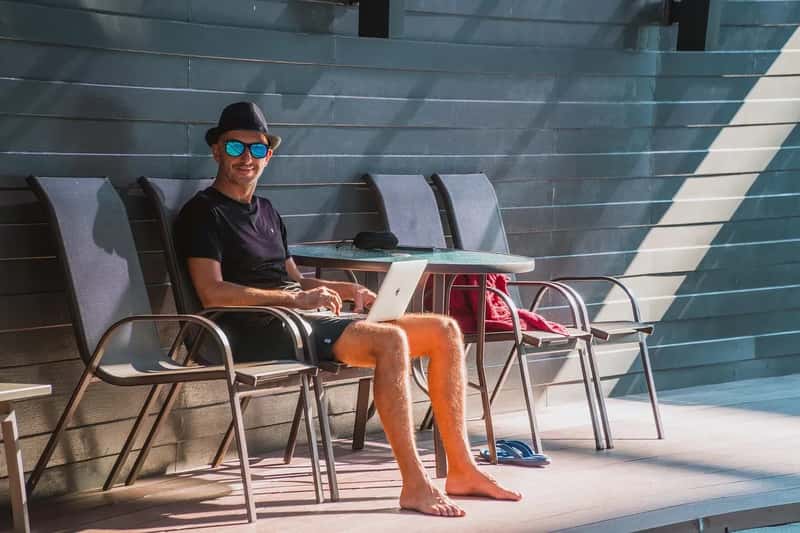
An increasing number of foreigners are settling in the Coffee Triangle, creating an active and friendly expat community that helps newcomers integrate quickly, with locals known for their hospitality, making it easier to form friendships, while expat communities often organize events, language courses, and excursions to help retirees feel at home. This isn’t just a retirement backwater – it’s a place with genuine social momentum. Colombia’s popularity among digital nomads is undeniable, with remote workers increasingly attracted to the country seeking to settle in towns or cities where they can engage with local communities, explore tourist attractions, and enjoy Colombia’s personal and professional benefits.
As a digital nomad, staying connected is crucial, and Pereira has a strong digital infrastructure with reliable internet and plenty of coworking spaces, including options like Work&Go and Pereira Coworking for a productive work environment. The free online information guide VisaGuide.World ranked Colombia as one of the top destinations for remote work in 2024, with rankings based on factors such as available visas, internet speed, tax policies, cost of living, and global health scores. For digital nomads weighing their options, the Coffee Triangle now competes very credibly with places like Medellín while offering a quieter, more authentic setting.
Lifestyle, Climate, and the Rhythm of Daily Life
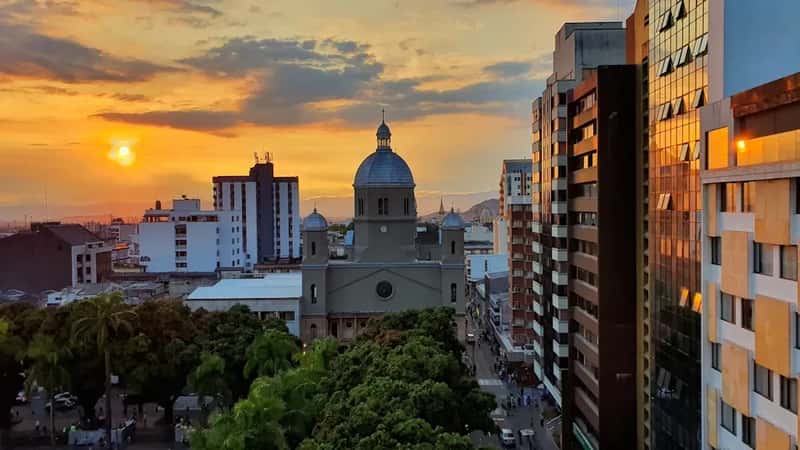
The Eje Cafetero isn’t just coffee – it’s a lifestyle, with Pereira being the biggest city with around 500,000 people, complete with malls, hospitals, and airports for easy travel. Armenia is quieter, great for families or retirees, while Manizales boasts universities, a vibrant local theater, music and dance culture, and mountain views. Each of the three main cities has its own personality, which means most expats can find the right fit depending on whether they want energy or calm.
The pleasant climate, varying between 8 and 24 degrees Celsius, is ideal for comfortable living year-round. The region’s fauna includes over 500 species of birds, making the Eje Cafetero a birdwatcher’s paradise, with the hummingbird, present in dozens of different species, serving as the region’s winged emblem. Daily expenses such as food, utilities, transportation, and entertainment are much lower than in Europe or the U.S., allowing residents to live well without financial stress. Put simply, life here moves at a pace that most expats describe as the exact reset they were looking for.