While Western Europe swelters under record heatwaves and buckles under overtourism, a quietly confident nation tucked between Scandinavia and Poland is emerging as the continent’s most intriguing alternative. Central and Eastern Europe grew faster at 8%, led by the Baltic states, and this isn’t just a statistical blip. It’s a cultural awakening that’s capturing the imagination of travelers who thought they’d seen everything Europe had to offer. Let’s explore what makes this small but mighty nation one of 2025’s most compelling destinations.
The Numbers Tell a Remarkable Story
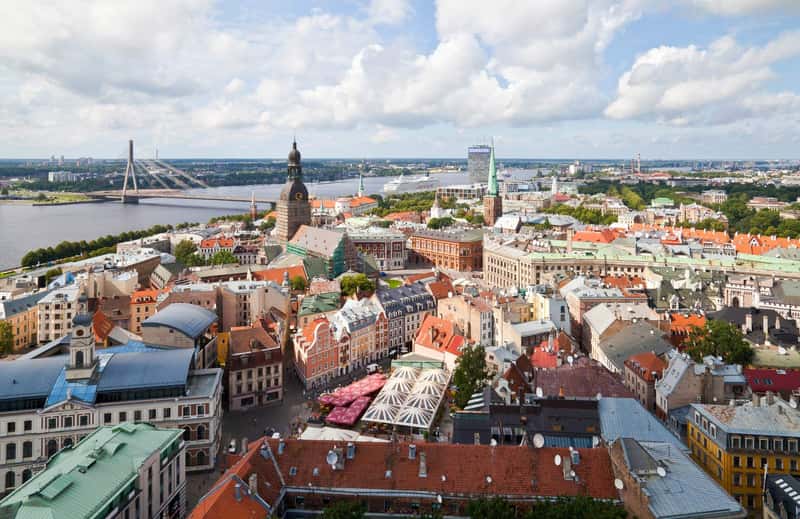
The data is absolutely staggering. Riga welcomed 1,135,375 visitors – a 15.8% increase compared to 2023 – with 71% of all overnight stays in Latvia registered in Riga. This growth momentum shows no signs of slowing down. Projections suggest continued growth in foreign tourist numbers for 2026. The tourism growth indicators prove that Riga is becoming increasingly visible on the European map.
Tourism experts are taking notice of these extraordinary figures. Tourism projections indicate continued positive growth trends in visitor arrivals. Even more impressive? Latvia, often overlooked by mainstream tourists, has also seen significant growth in 2025. In the first half of the year, the country reported an 8.6% increase in overnight stays.
A Digital Nomad Paradise in the Making
Estonia might grab the headlines with its e-Residency program, but Latvia is quietly building something equally impressive. Estonia: Pioneer of digital nomad visas, tech-forward, e-Residency program may get the recognition, but Latvia’s approach to attracting remote workers is more subtle and perhaps more effective. The country offers excellent internet infrastructure, reasonable costs, and a growing community of international professionals.
Travelers are increasingly seeking authentic experiences that connect them with local culture and communities. Latvia’s rich history, traditions, and culinary scene offer ample opportunities for experiential tourism. This isn’t about flashy marketing campaigns or artificial co-working spaces; it’s about genuine integration into a society that values both innovation and tradition.
The numbers speak for themselves when it comes to extended stays. The average duration of stay for non-resident visitors also increased slightly to 1.8 nights, suggesting a growing interest in experiencing more than just a quick city break. Digital nomads aren’t looking for weekend breaks; they want meaningful, longer-term experiences that Latvia delivers in spades.
Where Medieval Meets Michelin-Star Ambitions
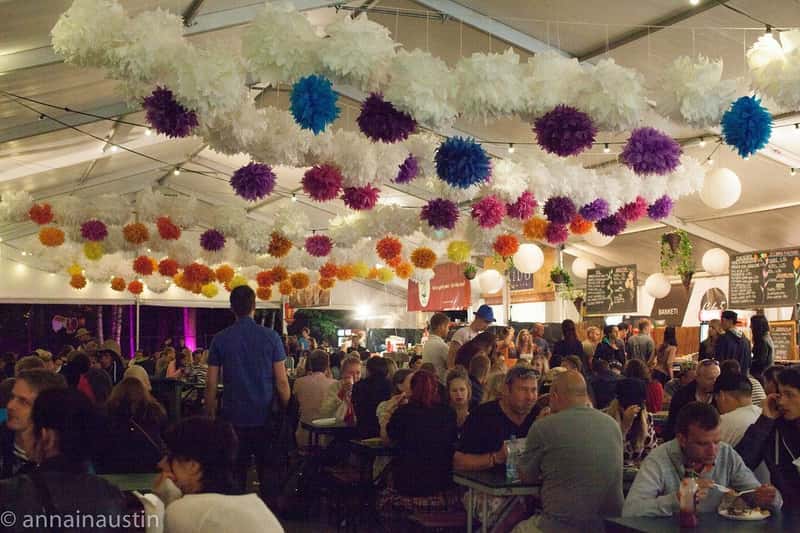
Forget everything you think you know about Eastern European cuisine. Latvia’s diverse culinary scene, featuring local specialties and farm-to-table dining experiences, appeals to food enthusiasts looking to explore the country’s gastronomic offerings. This isn’t your grandmother’s borscht and cabbage routine; it’s a sophisticated culinary renaissance that’s turning heads across Europe.
The most charming example of this food revolution? The Home Café Days festival has been a resounding success in recent years, drawing thousands of visitors to rural Latvia. According to Ziemele, last year, the event attracted more than 86,000 visitors across 600+ home cafés. These intimate dining experiences offer something you simply can’t find in Paris or Rome: a genuine connection with local families sharing recipes passed down through generations.
5 massive pavilions burst with local produce and regional specialities, offering an authentic glimpse into Latvia’s dynamic culinary culture. Central Market: Explore Europe’s largest market housed within converted Zeppelin hangars. Where else in Europe can you eat inside former military aircraft hangars while sampling foraged mushrooms and artisanal cheeses?
Art Nouveau Architecture That Puts Paris to Shame

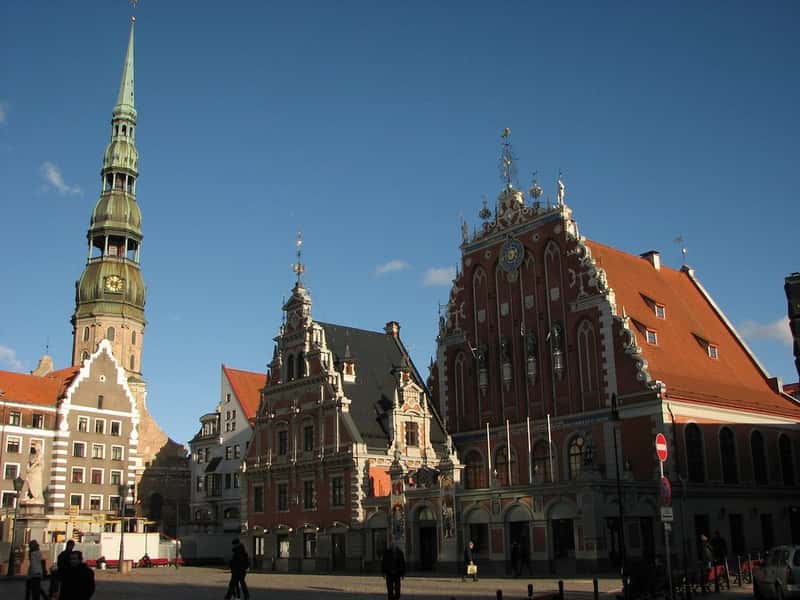
Here’s something that will blow your mind: Riga contains the world’s largest collection of Art Nouveau architecture. The city also boasts the world’s largest collection of Art Nouveau architecture, stylish rooftop bars, and a thriving contemporary food scene. We’re not talking about a few scattered buildings; this is an entire district that rivals anything Barcelona or Vienna can offer.
Riga’s magnificent collection of Art Nouveau architecture stands unrivalled in Europe. Mikhail Eisenstein’s fantastical designs feature screaming masks and mythological creatures, transforming the streets. Walking through these streets feels like stepping into a fever dream designed by architects who never learned the meaning of “too much.”
The recognition is finally catching up with the reality. In 2024, Riga earned recognition in various European tourism rankings – 6th place in European Best Destinations, 2nd place in Forbes’ list of “most walkable cities”. These accolades aren’t tourism board propaganda; they’re acknowledgments from serious travel publications that something special is happening here.
Nature Experiences You Won’t Find Anywhere Else
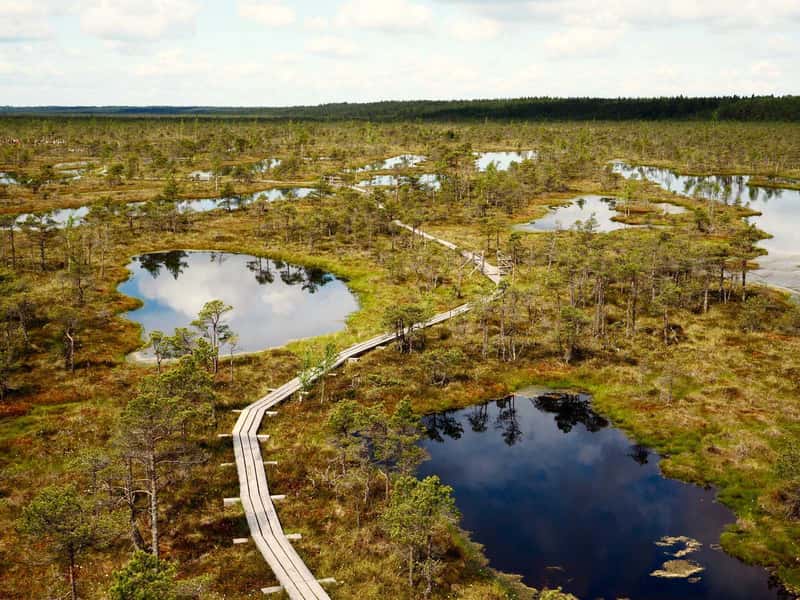
Kemeri Bog Boardwalk: Traverse an otherworldly landscape where wooden pathways float above mysterious bog pools. Dawn visits reward early risers with mystical mists rising from the amber waters. This isn’t your typical European nature experience; it’s something that feels almost supernatural.
The coastal experiences are equally remarkable. Cape Kolka: Situated at the tip of the Kurzeme Peninsula, Cape Kolka is a scenic spot where the Gulf of Riga meets the Baltic Sea. Perfect for windswept beach hikes and birdwatching. You can literally watch two bodies of water collide while wild horses roam freely in nearby protected areas.
Nature lovers discover Europe’s last true wilderness, where brown bears roam freely and migrating storks nest atop village chimneys. And culinary adventurers uncover complex flavours in forest-foraged ingredients. This combination of wilderness accessibility and culinary innovation creates experiences that simply don’t exist in more developed tourist destinations.
The Economics of Cool: Why Latvia Makes Sense
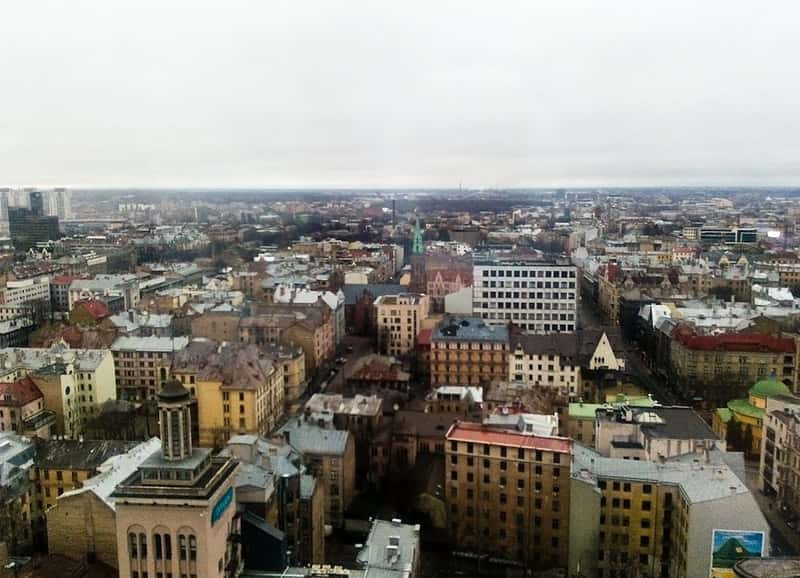
Compared to many Western European countries, your travel budget can stretch further here, allowing you to enjoy a variety of experiences without breaking the bank. This isn’t about cheap thrills or budget compromises; it’s about genuine value that allows you to experience luxury without the London or Zurich price tags.
Without the overwhelming crowds of more popular European destinations, you can explore at your own pace and enjoy a more relaxed atmosphere. The numbers back this up: while Venice implements tourist caps and Barcelona protests overtourism, Latvia offers space to breathe and actually enjoy your travel experiences.
A Cultural Renaissance in Real Time
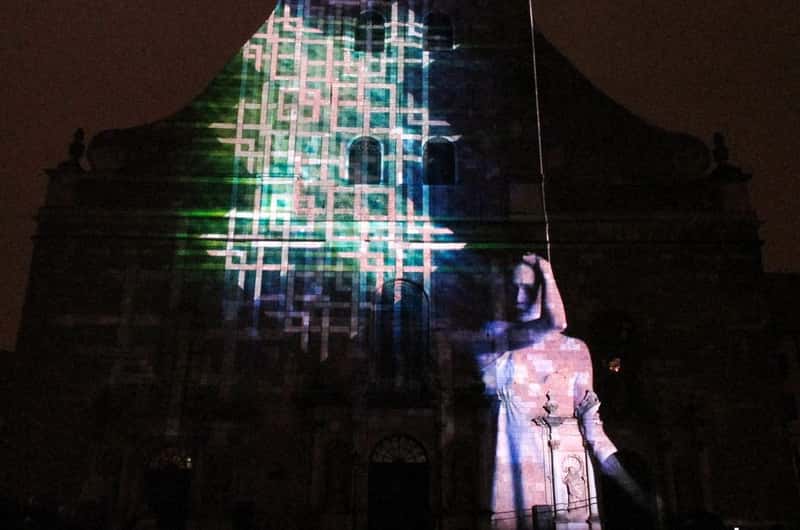
Something extraordinary is happening in Latvia’s cultural scene that goes far beyond tourism statistics. Several internationally significant art events will take place in Riga for the first time, including Riga Art Week and the Riga Contemporary Art Fair in May and July, as well as Riga Music Week in the autumn. This isn’t about importing culture; it’s about creating it.
The capital city, Riga, is becoming increasingly popular for its Art Nouveau architecture, rich cultural scene, and vibrant nightlife. The nightlife scene particularly deserves mention; it’s sophisticated enough to rival Berlin but intimate enough that you might find yourself having drinks with local artists and musicians.
Latvia is rich in culture, with a vibrant arts scene and numerous festivals throughout the year. The country’s historical sites and museums offer deep insights into its heritage, making it a cultural haven. This cultural density creates opportunities for serendipitous discoveries that make travel memories last a lifetime.
What do you think? Have you considered the Baltic region for your next European adventure? Tell us in the comments which of these experiences sounds most appealing to you.