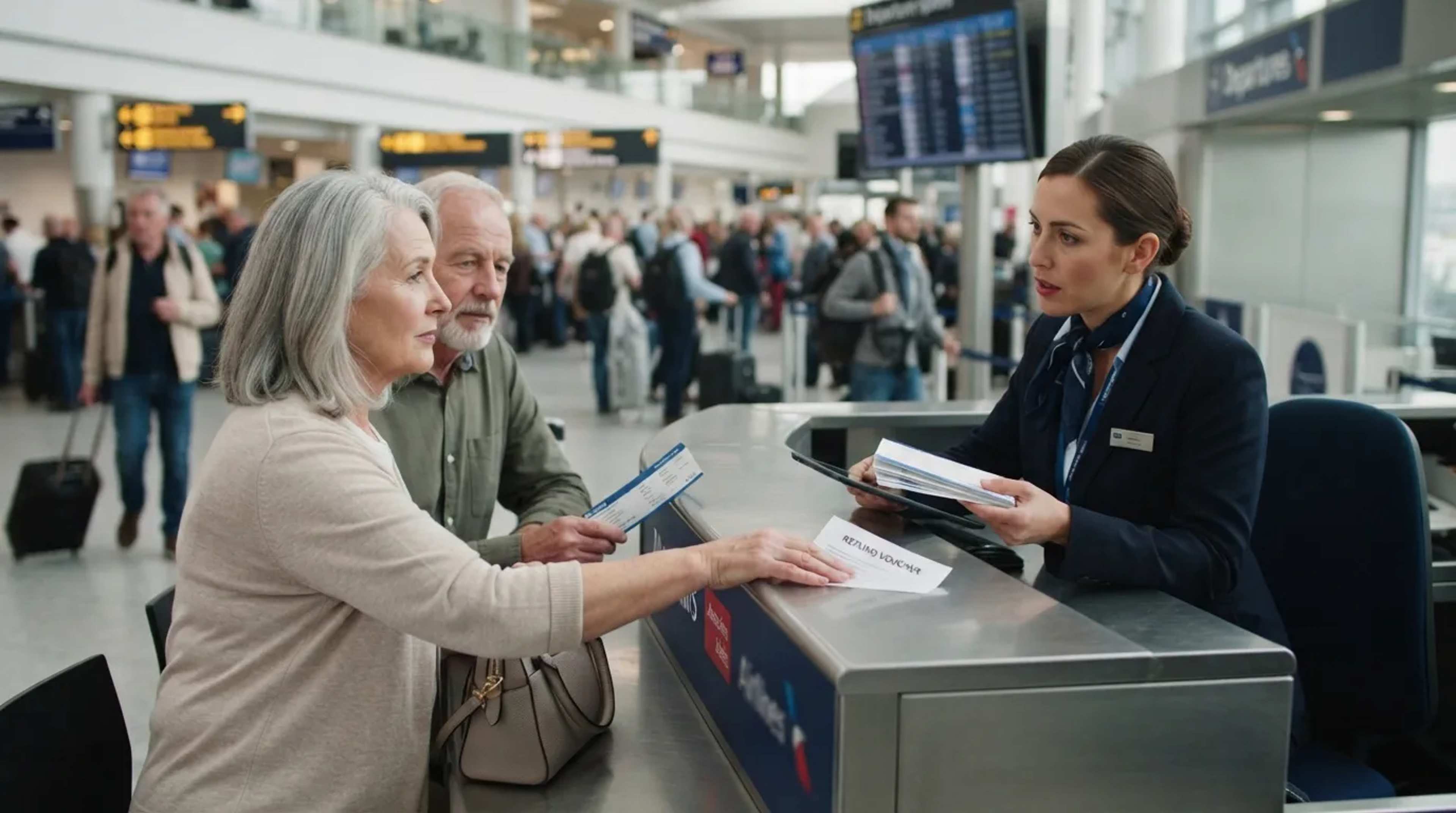
Travel quietly dismantles the daily patterns that support steady energy and focus. Meals arrive at odd hours, sleep gets squeezed into short windows, and movement often shrinks to short walks through airports or stations. These shifts add up quickly, yet a handful of targeted habits can limit the impact without requiring major changes to any itinerary. The approach starts well before departure and continues through arrival. ([1])
Finish Key Tasks Before Departure
The final days before a trip often bring extra stress that undercuts rest and nutrition. Late-night packing sessions or skipped meals leave travelers already fatigued when they reach the airport. Completing major chores at least a day ahead preserves normal sleep and eating patterns through the last stretch at home. Refilling prescriptions and reviewing any regular supplements against airline rules also belongs on this early checklist. Rushing these steps the night before increases the chance of forgetting something essential. Keeping activity levels and meal timing close to usual helps the body stay resilient once the journey begins.
Carry Water and Steady Snacks
Cabin air on flights is notably dry, and long stretches of sitting or walking compound fluid loss. Refilling a reusable bottle throughout the day prevents thirst from building unnoticed. Pale yellow urine offers a simple daily signal that hydration is on track. Snacks that travel well include unsalted nuts, whole-grain crackers, and dried fruit. These options hold up for hours and provide more consistent energy than vending-machine choices. Packing one extra item than expected often proves useful when delays stretch an afternoon into evening.
Support Digestion and Rest on the Road
Unfamiliar food, time zone changes, and reduced movement can slow digestion and disrupt bathroom habits. Fiber-rich choices such as oatmeal, berries, beans, and vegetables help the system adjust more smoothly. Gentle movement, including ankle circles and shoulder rolls while seated, maintains blood flow on longer legs of the trip. Sleep often suffers first when schedules shift. Gradually adjusting bedtime toward the destination’s clock in the days before travel reduces the jolt. An eye mask and earplugs turn an unfamiliar room into a more restful space without adding bulk to luggage.
Move When Opportunities Appear
Movement fits naturally into existing parts of any journey rather than demanding separate blocks of time. Walking the full length of a terminal before boarding replaces idle waiting at the gate. Taking stairs when practical and standing to stretch during longer flights keeps muscles from stiffening. On arrival, a short neighborhood walk loosens travel-stiff limbs while revealing the local layout. Saving intense workouts for after the first night’s sleep avoids pushing a body already adjusting to new conditions. High altitude or extreme heat calls for even lighter starts. A flexible first day that includes water, a balanced meal, and an early bedtime gives the body room to settle. That buffer preserves energy for the experiences that prompted the trip in the first place.