Most travelers obsess over flight times, packing cubes, and hotel star ratings. Very few think about taking out their phone and snapping a picture of the bathroom sink the moment they walk in. It sounds odd, maybe even a little paranoid. But between hidden bacterial colonies that dwarf anything found on a toilet seat, water systems harboring dangerous pathogens, and hotel billing disputes that can cost you hundreds of dollars, that one simple photo might be the smartest travel habit you can build. Here is exactly why.
The Sink Is the Germiest Spot in Your Entire Hotel Room
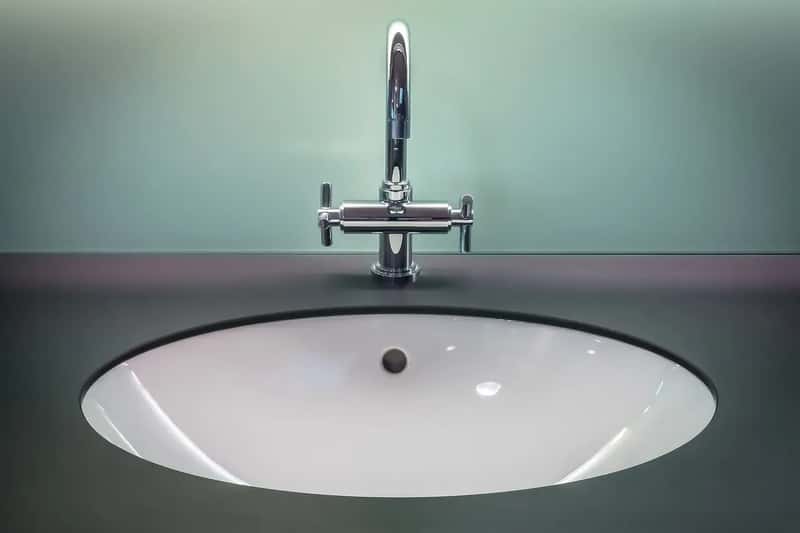
Studies find that the bathroom sink is the dirtiest part of a hotel room, measured in colony-forming units (CFUs). That number is not even close. In research from TravelMath’s Hotel Hygiene Exposed team, the bathroom counter was found to be the most bacteria-laden surface in hotels, followed by desks. What makes the sink especially alarming is the sheer scale of contamination relative to surfaces people actually worry about.
Research by Water Filter Guru revealed that hotel sink faucets harbored 30 million colony-forming units of gram-negative rods, while hotel showerheads had 4 million CFUs of the same bacteria type, and shower handles had just 20 total. To put that in perspective, a hotel’s sink faucet had 55,000 times the bacteria of a hotel’s toilet seat. The sink you wash your hands in is exponentially dirtier than the toilet you try to avoid touching.
Five-Star Hotels Are Not Safer – They Can Actually Be Worse
A study conducted by TravelMath found that high-end hotels are not always the better choice when it comes to cleanliness. The assumption that premium pricing equals superior sanitation is one that gets travelers into trouble. Overall, the average hotel room appears to be dirtier than a typical home, an airplane, and even a school, and although travelers generally spend more money for a five-star hotel, tests revealed a greater amount of bacteria was found at more lavish accommodations.
An investigation by Inside Edition found that the prestigious five-star Trump International Hotel in New York hadn’t even washed their pillowcases between guests, while other premium hotels in the city did not wipe down common items like TV remotes and thermostats. The underlying problem isn’t luxury versus budget. In many cases, sloppy cleaning procedures were responsible for the lapse in hygiene. In one instance, the room was checked visually to see whether it needed cleaning, and satisfied with how it looked, the assigned housekeeper left it be.
The Sink Drain Hosts Biofilms That Cleaning Staff Cannot See or Easily Remove
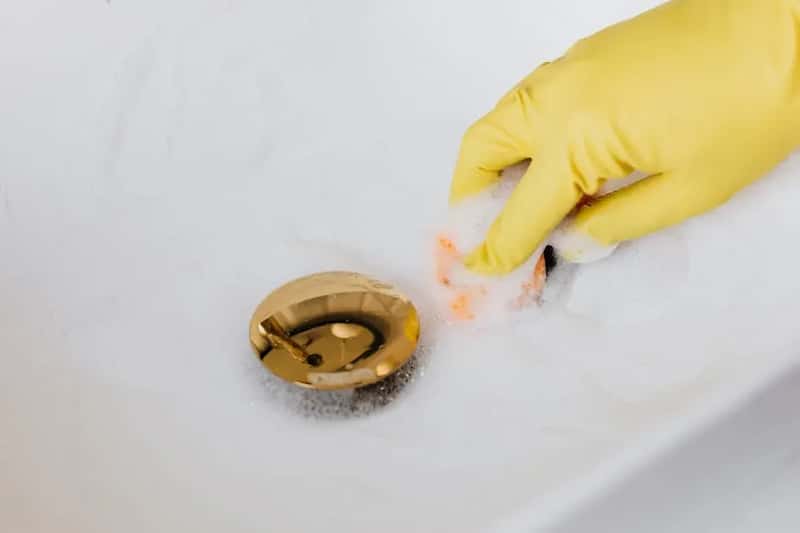
Pathogens such as multidrug-resistant Pseudomonas aeruginosa and carbapenem-resistant Enterobacterales thrive in biofilms, which are notoriously difficult to eradicate. A sink can look spotless while harboring a complex ecosystem of bacteria deep inside the drain and faucet hardware. Biofilms not only form in U-bends of sink systems, but also on the surface of taps, where water is directly coming from. Several studies highlight the threat of the “splash zone,” where water from a sink can travel up to 2 meters around the basin.
A 2025 study published in ScienceDirect identified a total of 12 pathogens associated with 15 human diseases on bathroom surfaces, and tap water was identified as the predominant bacterial source, accounting for 54 percent of contamination, challenging traditional assumptions about human-derived sources. Between roughly 14 percent and 83 percent of bathroom surfaces exceeded bacterial safety thresholds calculated by reverse Quantitative Microbial Risk Assessment for Staphylococcus aureus. A photograph of the sink’s condition on arrival gives you a reference point for what was already there before you touched a thing.
Legionella and Water-Borne Pathogens Can Lurk in Hotel Plumbing Systems
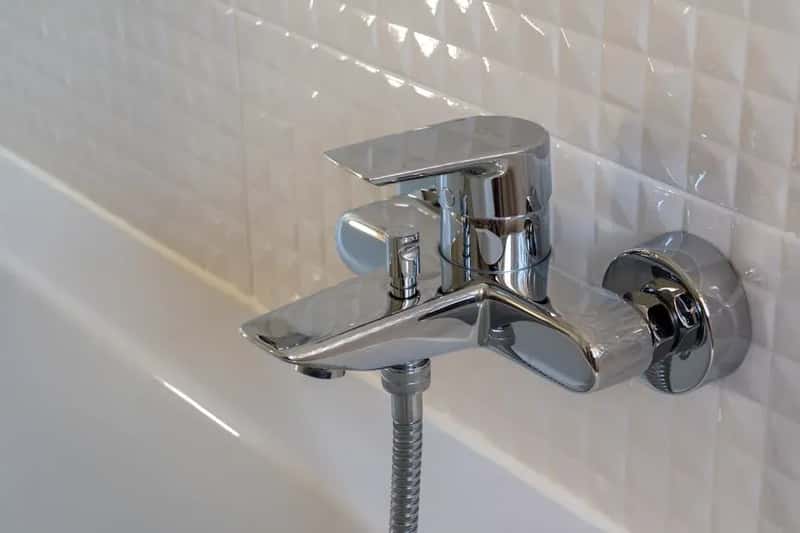
Legionnaires’ disease has been linked to hotel water systems since the discovery of the outbreak at a Philadelphia hotel in 1976, where 29 people died. Legionnaires’ disease is a severe type of lung infection caused by Legionella bacteria and often causes pneumonia-type symptoms. The bacteria don’t just live in cooling towers. They thrive in the very plumbing connected to your bathroom sink. Legionella naturally occurs in water but can grow and spread in poorly maintained building water systems. Water stagnation, inadequate disinfectant residuals, warm water temperatures, and the presence of sediment, scale, or biofilm are all factors that increase risk. Exposure typically occurs through the inhalation of aerosolized water from plumbed devices containing the bacteria.
Previous research has found that 44 percent of water and biofilm samples tested positive for Legionella species, and 55 percent tested positive for Vermamoeba vermiformis gene markers. These pathogens may be transmitted via consumption, inhalation, or from contact with a contaminated water source. Identified outbreaks are often linked to large or complex water systems, such as those found in hotels or resorts, hospitals, long-term care facilities, and cruise ships. The sink is a direct interface with that system, and photographing its visible condition before use helps you notice warning signs like visible slime, sediment, or discoloration.
A Photo Protects You From Being Charged for Damage You Did Not Cause
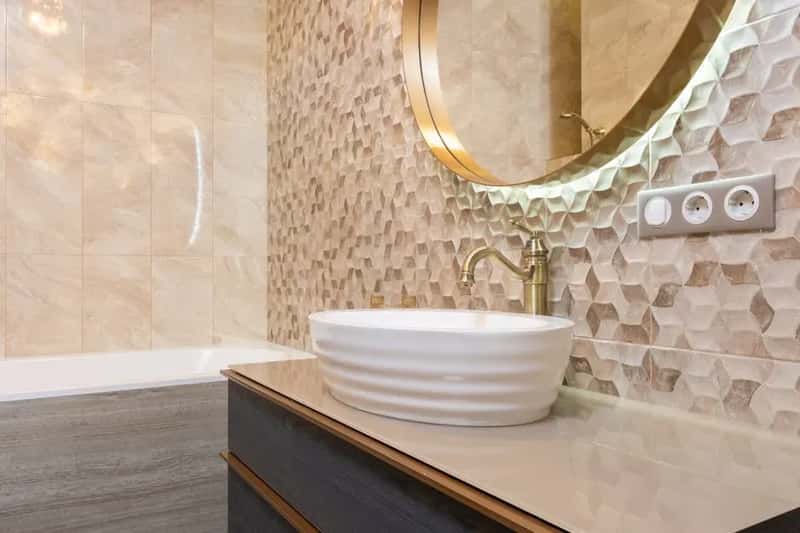
When checking in, taking photos of your room’s condition and any existing damages can serve as evidence in case of any dispute over the deposit refund later on. Hotel sinks are prone to chips, cracks, staining, and limescale buildup that accumulates over months of heavy use. Without a timestamped photo, proving that a crack in the porcelain or a broken stopper was already there before you arrived becomes nearly impossible. One good practice recommended by Bankrate is to inspect your room at the time of check-in to make sure previous guests have not caused any issues. Look for any stains, bed bugs, or broken furniture. Take pictures of any damage you find. If you do find anything, take pictures and make a note with the hotel staff to clear yourself in advance.
A damage deposit is a sum of money temporarily held from a guest to cover potential damages, missing items, or unpaid charges during their stay. Unlike prepayments or booking fees, it’s not a charge – it’s a security hold that’s released if no incidents occur. The sink area is one of the most disputed zones because it sustains natural wear that staff can misattribute to a guest. Travel insurance can be a lifesaver in these situations, and many comprehensive travel insurance policies cover accidental damages to hotel property. Pairing that coverage with photographic evidence of the sink’s pre-existing state gives you a watertight defense.
Guest Cleanliness Expectations Are at an All-Time High, But Reality Lags Behind
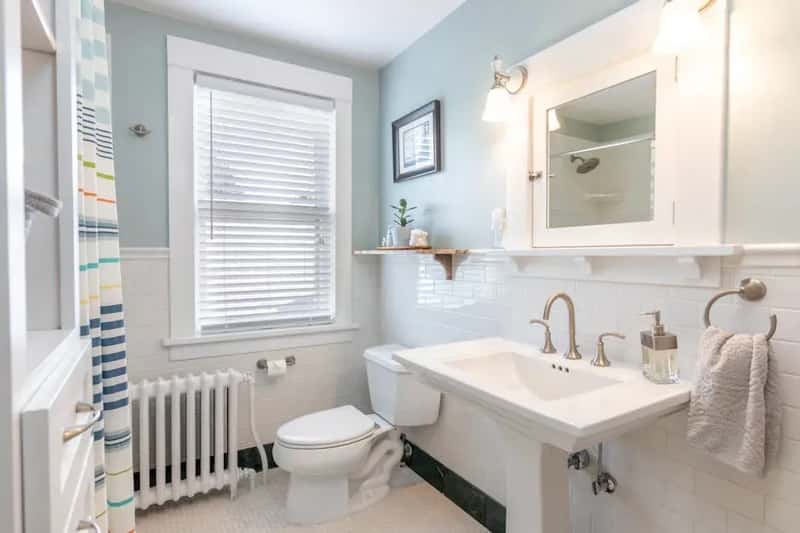
Cleanliness is the most important factor for 87 percent of hotel guests when evaluating their overall experience at a hotel, according to a 2024 study in the Journal of Business and Economics Research. Travelers care more than ever, yet the gap between expectation and actual practice remains wide. Studies have found that as many as 77 percent of UK holidaymakers now research a hotel’s hygiene before booking, as opposed to just 40 percent pre-pandemic. Still, cleaning standards in practice are far from uniform.
In one pre-COVID study, 81 percent of hotel surfaces contained at least some fecal bacteria. The identification of pathogens such as norovirus and Legionella in hotel environments, along with other hygiene risks, highlights the need for a comprehensive approach to training and sanitary control of hotel staff. Negative hygiene reviews can cost hotels up to 70 percent of potential bookings, which means properties have a real financial incentive to clean properly – but it doesn’t guarantee they always do. Taking your own photo the moment you enter the bathroom puts you firmly in control of the information, regardless of what the hotel’s housekeeping log says.