You’ve booked the flight, mapped out the itinerary, and loaded up your wallet with credit cards. Then you arrive in Europe and your card gets declined at a café. Or worse, you’re standing at a train station unable to buy a ticket because the machine won’t accept your card. It happens more often than you’d think.
Turns out, not every credit card plays nicely with European payment systems. Sometimes it’s a technical hiccup. Other times, it’s your bank being overly cautious. Whatever the reason, getting caught without a way to pay abroad can turn a dream vacation into a logistical nightmare. Let’s dive into the real reasons your plastic might fail you in some of Europe’s most visited countries.
Your Card Lacks Chip and PIN Technology

Here’s the thing: in the US, credit cards are usually chip-and-signature, while outside of the U.S., it’s more common for credit cards to be chip-and-PIN. Many European terminals expect you to enter a PIN, not just swipe or sign. In 2023, most ATMs and payment terminals outside the United States have been updated and can detect that your card is EMV compliant, that a PIN wasn’t issued on your card, and validate the transaction, but this doesn’t always work smoothly.
According to the EMVCo 2025 Global Adoption Report, EMV technology has reached unprecedented adoption levels, with over 95% of worldwide card-present transactions utilizing EMV cards. Signature-only cards are increasingly out of place in Europe. Some terminals refuse to proceed without a PIN, especially at unmanned kiosks or automated ticket machines. If your card was issued without PIN capability, you might be out of luck at these locations.
Germany’s Preference for Cash and Local Debit Systems

Germany might surprise you. It’s one of Europe’s largest economies, yet credit cards aren’t king there. In 2024, the number of payments made using cards issued by German payment service providers rose by 11 percent on the year, resulting in around 13 billion transactions last year. However, many Germans still prefer cash or EC/Maestro debit cards.
Small shops, bakeries, and even some restaurants in Germany may not accept foreign credit cards at all. They’re set up primarily for local payment methods. I think this catches a lot of American tourists off guard, especially in smaller towns. You’ll want to carry some euros in cash if you’re exploring beyond the big cities. It’s not that they’re refusing your business – it’s just the way their payment infrastructure evolved.
Spanish and Italian ATMs May Block Your Card
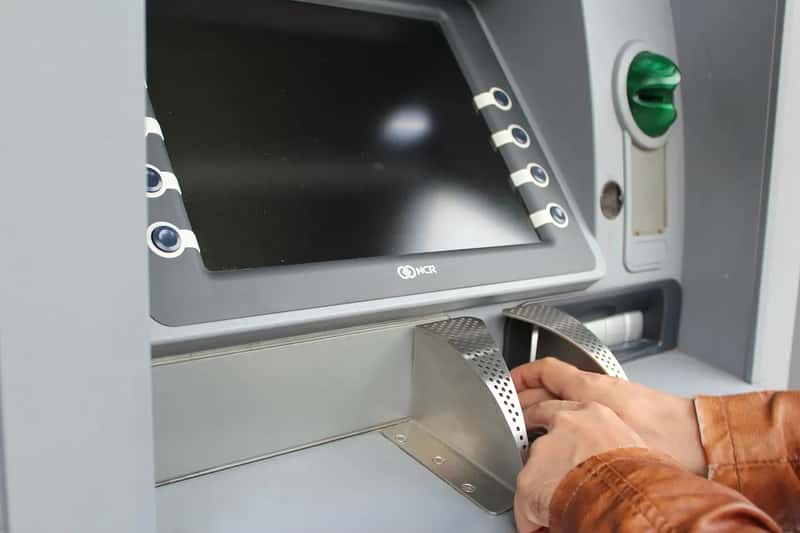
Spain and Italy are stunning destinations, but their ATMs can be finicky with foreign cards. Spain is on the Mastercard blocked countries list for debit cards, meanings we can only use our debit cards with PIN code authorization at the ATM. This is a security measure some issuers activate to prevent fraud.
When your bank detects unusual transaction patterns – like sudden withdrawals in Madrid or Rome – it might automatically freeze your card. Some Spanish ATMs charge hefty fees too, and certain banks have been known to reject foreign cards if they don’t recognize the network. It’s a frustrating experience when you’re low on cash and the machine just spits your card back out. Always notify your bank before traveling and carry a backup card from a different issuer.
France’s Minimum Purchase Policies and Contactless Limits
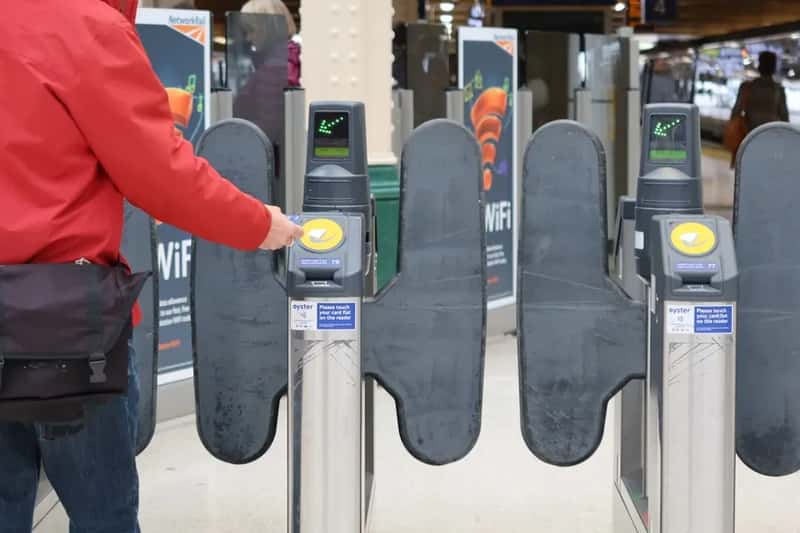
France has quirky rules when it comes to card payments. There might be a minimum amount, so you should always check before ordering. Indeed the trader can only refuse a payment by card if you have been prior informed about this. You may read signs saying “Paiment en CB à partir de 8 euros” for example. Some cafés won’t let you use a card for small purchases like a single espresso.
As of January 2024, the standard limit for a single contactless payment is €50. If you tap your card for a larger amount without entering a PIN, the terminal might reject it. Honestly, it’s a bit annoying when you’re in a rush. Contactless payments under the threshold usually sail through, but anything over requires chip insertion and PIN entry, which some foreign cards struggle with if they’re signature-only.
Your Bank Hasn’t Activated International Use
This is probably the most avoidable problem on the list, yet it trips up countless travelers. Let’s be real: if you don’t tell your bank you’re leaving the country, they might assume your card was stolen the moment it’s used in Paris or Barcelona. Card issuers failing to activate international roaming on your card can lead to automatic declines abroad.
U.S. and international bank advisories from recent years emphasize travelers must enable foreign transactions before departure to avoid automatic fraud blocks. Some banks let you toggle this in their mobile app; others require a phone call. Either way, it takes five minutes and can save you hours of stress. Carry your bank’s international customer service number in case you need to unblock your card on the spot.
Cards from Smaller Banks or Neobanks May Be Rejected
Here’s something people don’t always consider: not all cards are created equal in the eyes of European merchants. You’ll find Visa and Mastercard to be widely accepted in France. American Express cardholders may also find higher acceptance than Discover cardholders, who will likely struggle to find merchants that accept their card. Smaller regional banks or digital-only neobanks sometimes issue cards on networks that aren’t prioritized abroad.
European merchants often prefer Visa and Mastercard because they’re reliable and widely supported. If your card is from a lesser-known network or a neobank that only recently launched, terminals might flag it as unrecognized. Industry payment reports from 2025 note network preference influences acceptance rates. It’s honestly a bit frustrating for cardholders who are proud of their sleek new fintech card, only to find it doesn’t work at half the places they visit.
Foreign Transaction Fees and Dynamic Currency Conversion
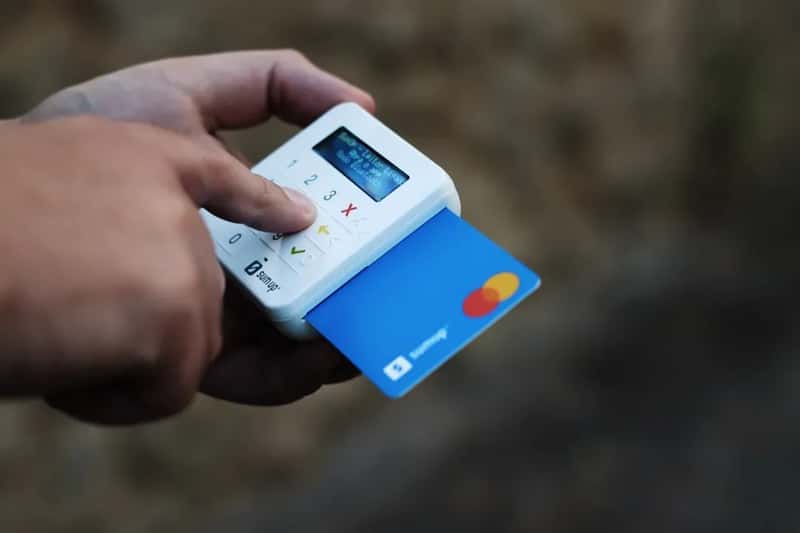
This one’s sneaky. When you use your card in Europe, you might be offered the option to pay in your home currency instead of euros. Sounds convenient, right? They can set their own rates and it still counts as foreign transaction on your credit card. Always choose to pay in the local currency to get the best exchange rate from your bank.
Some merchants impose higher fees or decline cards if they detect the issuer charges hefty foreign transaction fees, though this is less common. What’s more typical is the merchant offering dynamic currency conversion, which pads their profit and costs you more. It’s a pattern documented in consumer travel payment studies from 2023. Always decline the conversion offer and let your card issuer handle the exchange rate directly.
Eastern Europe’s Mobile Payment and QR Code Systems
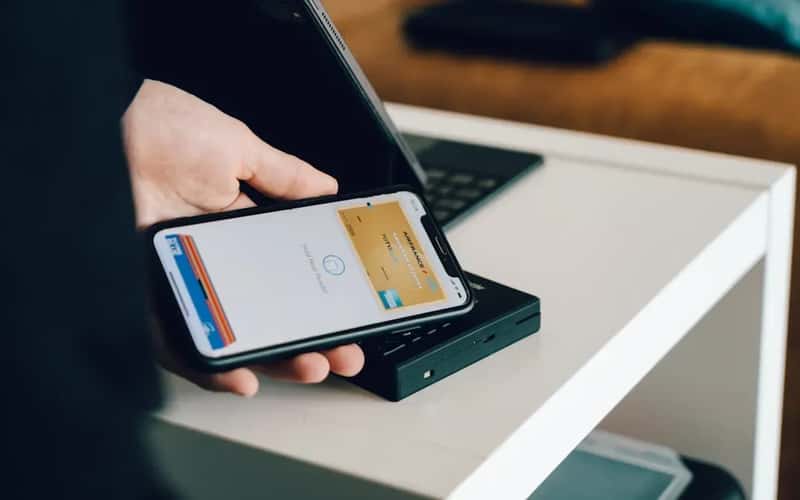
Poland, Czechia, and other Eastern European countries have leaped into mobile payment apps and QR-based systems in ways that might bypass traditional credit cards entirely. The European Central Bank has documented this shift in digital payments reports. If your card isn’t tokenized for these newer systems, terminals might not recognize it at all.
Some merchants in Warsaw or Prague might prefer local mobile wallets or QR code payments over foreign credit cards. It’s not that they’re being difficult – it’s just the infrastructure they’ve invested in. If you’re planning a trip to this region, consider downloading a local payment app or ensuring your mobile wallet is set up and linked to a widely accepted card. Otherwise, you might find yourself scrambling for cash more often than expected.
Overly Strict Fraud Protection Algorithms
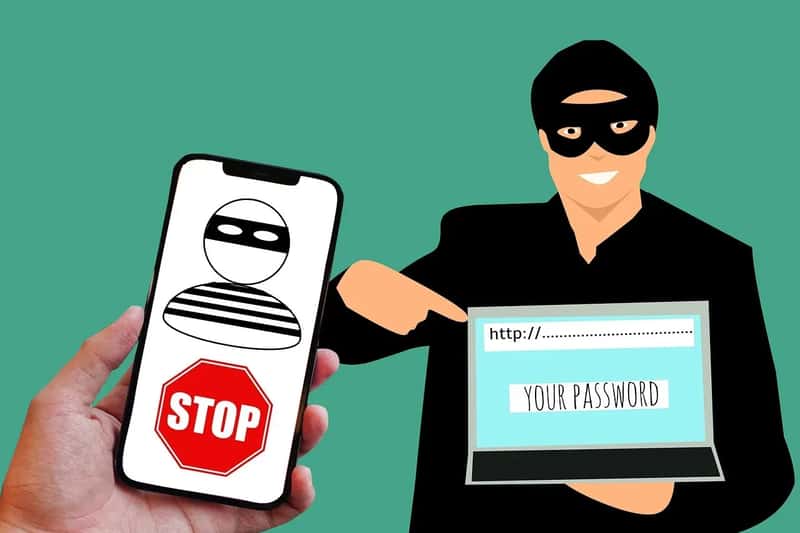
Your bank is trying to protect you, but sometimes it overdoes it. Visa and Mastercard have issued travel advisories in 2023 and 2024 warning consumers that overly strict fraud protection algorithms can block charges when issuers detect unusual location changes. If you hop from London to Rome in a day, your bank might panic and freeze your card.
This happens most often with U.S., UK, and Nigerian cards. The algorithms scan for sudden geographic shifts and flag them as suspicious. You’re stuck calling customer service from a foreign country, often paying international rates, trying to convince someone your legitimate purchase was actually you. It’s maddening. The best defense is notifying your bank ahead of time with your travel dates and destinations, and keeping their international support number handy.
Network Compatibility Issues with Regional Preferences

Different regions in Europe have different payment network priorities. In Germany, for instance, EC/Maestro is deeply entrenched. In Italy and Spain, local networks sometimes take precedence over international ones. Visa and Mastercard debit and credit cards are widely accepted in Italy. You can also use them at Italian ATMs, but in smaller towns, local preferences might mean your Discover or even Amex card is declined.
Industry reports show that network preference directly influences whether a card is accepted. Some European merchants prioritize networks they have better rates with, or ones that integrate more smoothly with their local banking systems. If your card happens to be on the “wrong” network for that region, you might be out of luck. Carrying at least one Visa or Mastercard as a backup is basically essential if you’re bouncing around multiple countries.