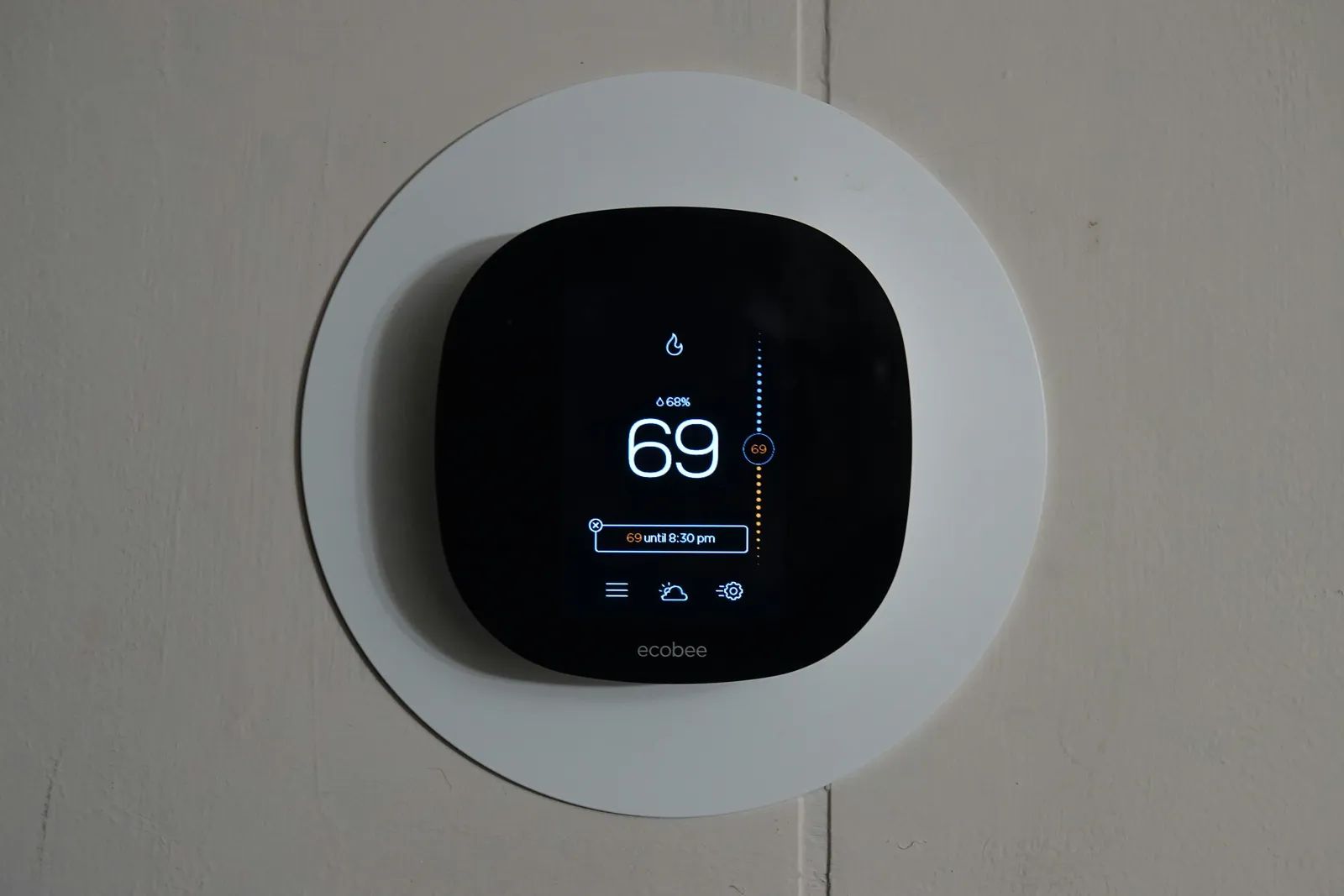
Many homeowners set the thermostat to a comfortable 70°F only to find themselves reaching for a sweater anyway. The chill often stems from everyday oversights rather than a failing furnace. Addressing these issues first can restore warmth without raising energy costs. The original source for these insights is available at ([1]).
Clear the Path for Warm Air
Furniture, rugs, and heavy curtains frequently block supply and return vents, preventing heated air from circulating properly through living spaces. This obstruction forces the system to work harder while leaving rooms unevenly heated. Experts from organizations like ASHRAE recommend keeping all vents unobstructed so air flows freely into each area. Closing registers in unused rooms can also create pressure problems in the ductwork, increasing the chance of leaks elsewhere in the system. Homeowners should pull sofas, beds, and drapes away from every vent and return. Checking for blockages takes only a few minutes yet often produces noticeable improvement in comfort. Separate heating zones allow targeted adjustments instead of closing vents, but most standard systems benefit from leaving registers open.
Reverse the Ceiling Fan for Winter
A ceiling fan spinning counterclockwise pushes air downward and creates a cooling breeze, which works well in summer but works against comfort during colder months. Switching the direction to clockwise at low speed generates a gentle updraft that draws warm air trapped near the ceiling back down into the room. Energy Star guidance emphasizes following the manufacturer’s instructions for the reverse setting to achieve this effect without noticeable wind. The change requires only flipping a switch on most models and setting the speed low enough to avoid a draft. Many people overlook this simple adjustment because the fan appears to be off or idle. Once reversed, the fan helps distribute heat more evenly without additional energy use from the heating system.
Work With Sunlight and Curtains
South-facing windows let in valuable solar heat during daylight hours, yet leaving curtains open after sunset allows cold air from the glass to radiate into the room. Closing them at night creates a barrier that reduces this chill, while opening them again in the morning captures free warmth from the sun. Insulating drapes or shades add another layer of protection on especially drafty windows. The routine takes little effort once it becomes habit. South-facing rooms gain the most from this approach, though all windows benefit from being covered after dark. Tight-fitting coverings make a measurable difference in how quickly a space feels comfortable again.
Seal Hidden Drafts and Maintain Equipment
Air leaks around electrical outlets, switches, windows, and doors allow conditioned air to escape even when the thermostat reads 70°F. Cold floors above unheated basements or crawl spaces compound the problem by drawing heat downward. A dirty furnace filter restricts airflow and reduces overall efficiency, so monthly checks during heating season help keep the system performing at its best. Foam gaskets behind outlet plates offer modest sealing help, though they work best alongside weatherstripping and other measures. For persistent cold floors, professional advice on insulation placement often proves worthwhile. Replacing or cleaning the filter as directed prevents strain on the equipment and supports steadier temperatures throughout the house.
- Move furniture and curtains away from supply and return vents.
- Set ceiling fans to clockwise on low speed.
- Open south-facing curtains during the day and close all curtains at night.
- Check outlets, windows, and doors for drafts on windy days.
- Inspect and replace the furnace filter monthly.
These adjustments address the most common reasons a home feels colder than the thermostat indicates. When rooms remain chilly after these steps, a professional evaluation of insulation, ductwork, and overall air sealing can identify deeper issues. Small changes often restore the expected comfort at 70°F without further adjustments to the heating system.