Most travelers glance at the expiration date on their passport, see a date still years in the future, and assume they are good to go. That assumption gets thousands of people turned away at check-in counters and border crossings every single year. The truth is, a passport can be perfectly unexpired and still be completely useless for your trip – and the reasons why are more varied, and more common, than most people realize. Understanding what actually makes a passport valid for travel requires looking well beyond that single date stamped inside the back cover.
The Six-Month Rule That Catches Most Travelers Off Guard
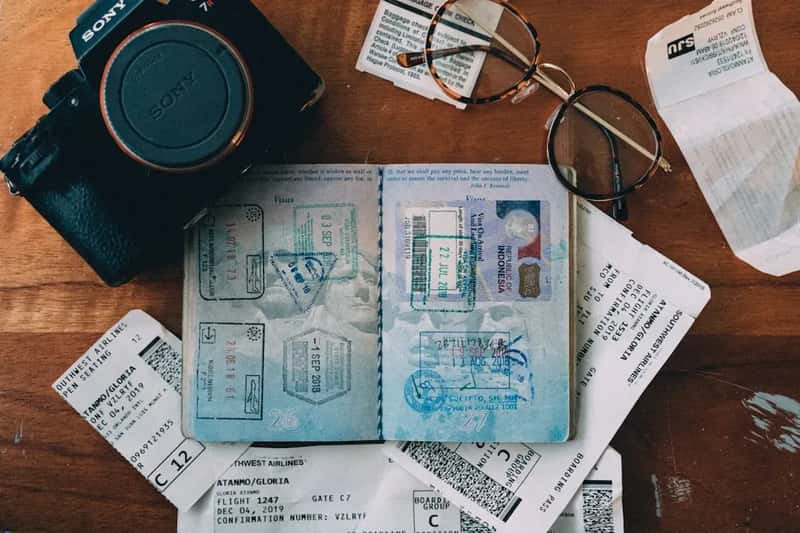
The “Six-Month Rule” stipulates that your passport should have at least six months of validity remaining from the date of your entry or departure to or from the international destination. So even if your passport expires eight months from now, a trip planned for next month could still leave you stranded if the destination enforces this rule. If your passport expiration date is sooner than six months from your date of arrival, you may not be admitted. This catches an enormous number of travelers by surprise, especially those who have never heard of this rule before.
Countries set up the six-month passport rule because if your passport expires while abroad, you could have difficulties returning home until you secure a new passport, a valid visa extending your stay, or an emergency travel document. As a result, you might overstay the terms of your original visa and, depending on your individual economic circumstances, perhaps become a burden to the country. Some countries require that your passport have at least six months of validity beyond the dates of your trip, and some airlines will not allow you to board if this requirement is not met. The rule is more widely enforced than most tourists ever expect.
The Three-Month Rule in Europe and Other Destinations
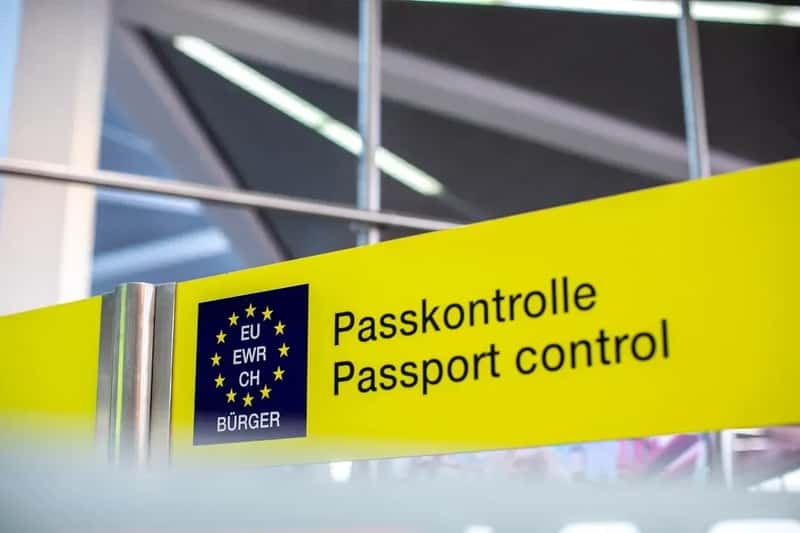
Several countries stop short of requiring six months of passport validity, but do enforce a three-month passport validity rule. In these countries, a visitor’s passport must be valid for three months past the visitor’s intended arrival date. For example, Europe’s Schengen area has a three-month requirement, though individual countries may raise it to six months. This is particularly important for Americans who assume their ten-year passport is always sufficient when traveling through popular European destinations. Several countries, including those within the Schengen Area, require your passport to be valid for three months beyond your intended departure date. These countries include many popular European destinations: Austria, Belgium, Czech Republic, Croatia, Denmark, Estonia, Finland, France, Germany, Greece, Hungary, Iceland, Italy, Latvia, Liechtenstein, Lithuania, Luxembourg, Malta, Netherlands, Norway, Poland, Portugal, Slovakia, Slovenia, Spain, Sweden, and Switzerland.
The three-month rule requires that your passport be valid for at least three months from the date of your entry or departure to or from the country you are visiting. This less strict passport validity requirement is common in the Schengen Zone of countries in Europe. Three months is the minimum that certain countries will allow, but generally, six months or more is always recommended. The layover factor adds another layer of complexity. If you have a connecting flight, you must meet the passport validity rules of the layover country, even if you never leave the airport terminal. A valid passport for your final destination may not be valid for the country you are simply passing through.
Not Enough Blank Pages Can Ground You Entirely
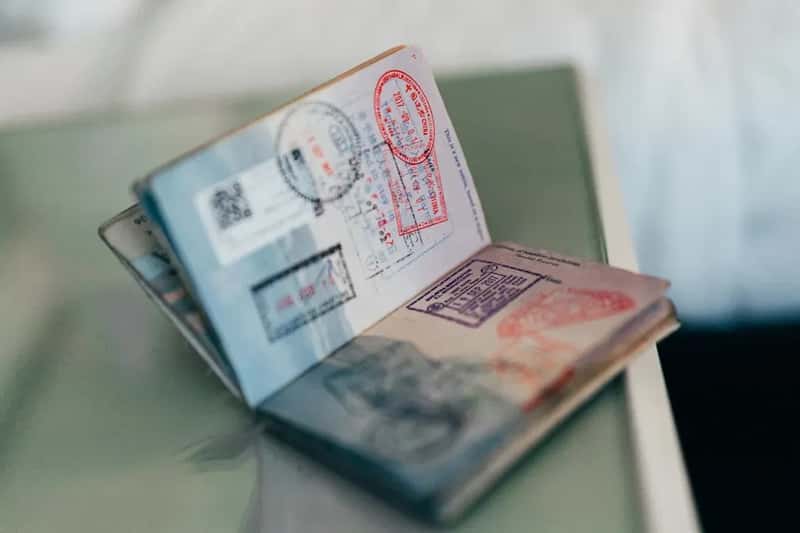
One rule many travelers miss is needing an adequate number of blank pages in their passport for visas, and entry and exit stamps. This is often forgotten, especially by those with passports close to expiring or having only a few blank pages. The U.S. State Department did not set the blank pages rule, which stems from other countries’ requirements for international visitors. Frequent travelers are especially vulnerable – collecting stamps may seem like a badge of honor, but it can render a perfectly valid passport useless long before its expiration date.
Italy, Portugal, Singapore, Germany, India, Belgium, South Africa, the Netherlands, Cuba, Iceland, Zimbabwe and Indonesia are among the destinations that require two blank pages. Countries that require one page include France, Japan, Mexico, Greece, Thailand, Australia, Morocco, Argentina and Vietnam, among others. You’ll need at least three blank pages if you want to visit Namibia, Botswana, Madagascar and Zambia. If the traveler does not have the required blank pages in the passport, the passport will technically be invalid and the person may not be allowed to board the plane. Since 2016, you can no longer add pages to a U.S. passport. The only option is to renew the entire document.
Physical Damage Can Invalidate a Passport Instantly
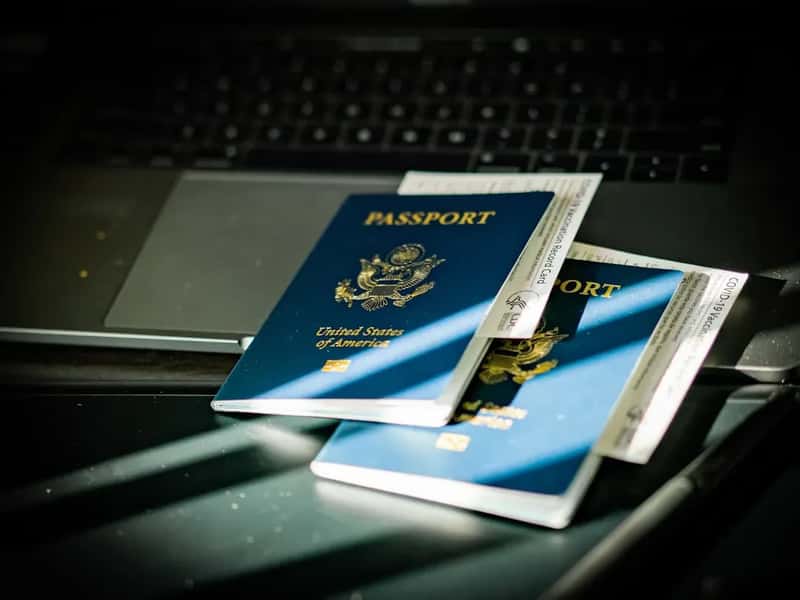
The US Department of State defines a “mutilated passport” as one that is torn, altered, or otherwise compromised so it no longer functions as proof of identity and citizenship. Even a small rip in the photo page, water stains, ink blots, or lifted lamination can trigger concerns. What surprises travelers most is how little damage is required for a passport to be considered unfit for travel. According to the US State Department, you should replace your passport if there is “water damage, a significant tear, unofficial markings on the data page, missing visa pages (torn out), or a hole punch.”
Airlines may deny boarding, and there are numerous examples of this happening, especially as some countries now have zero tolerance policies around damage to passports. Vietnam is one, Jordan is another, and there are many other countries following suit. If you are able to fly, but you arrive in a country that has a zero tolerance policy for passport damage, then you will not be able to enter the country. If this happens, you will be told, in not too uncertain words, to get back on a plane and go back to your original destination. Unfortunately, travelers denied boarding because of a damaged passport are often not entitled to a refund under airline policies or federal regulations. Some airlines may permit rebooking for a fee, but others will require the purchase of a new ticket.
Passport Stamps From Certain Countries Can Bar You From Others
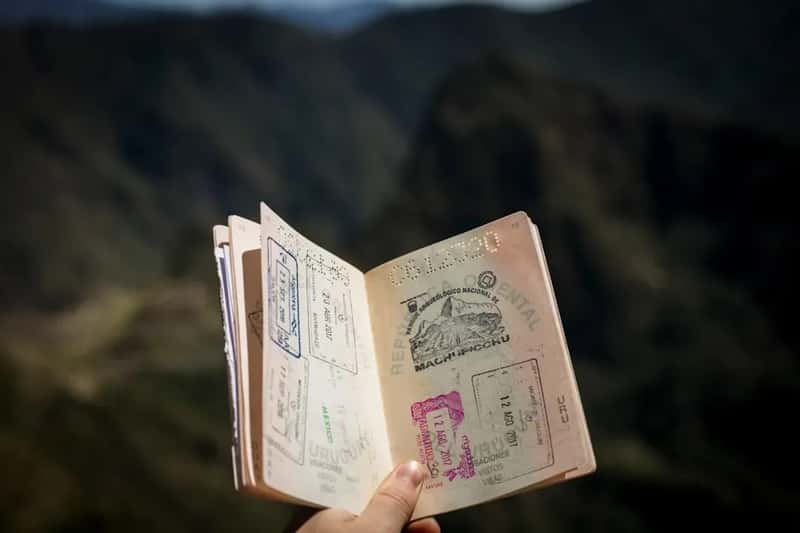
Seven countries – Afghanistan, Iran, Kuwait, Lebanon, Libya, Syria and Yemen – do not allow entry to non-Israelis with evidence of travel to Israel, or whose passports have a used or unused Israeli visa. This issue goes beyond simply carrying an Israeli passport. These countries may also deny entry to non-Israelis if their passport contains an Egyptian or Jordanian border stamp issued at a crossing with Israel, as this would indicate that the person has traveled to Israel. The date on the passport is completely irrelevant in this scenario – the contents of its pages are what decide entry.
Broader reporting and travel guidance add Iraq, Malaysia and Saudi Arabia to lists of states that either prohibit Israeli nationals or deny entry to anyone with evidence of travel to Israel, such as Israeli visas or stamps. Some countries may deny entry when your passport contains stamps from specific nations. For example, when you have a stamp or visa from Israel, you might not be allowed entry to Lebanon. It’s important to be aware of these restrictions when planning your travels. Geopolitical tensions directly shape which pages of your passport can cost you entry into a country, making it crucial to think strategically about travel order in sensitive regions.
Airline Policies Can Be Stricter Than Government Rules

Even if your nationality is exempt under the “Six-Month Club,” airlines may still enforce the six-month validity rule to avoid penalties. Airlines are responsible for ensuring passengers meet U.S. entry requirements and may deny boarding if a passport does not appear to comply, even when the traveler is technically exempt. Confirming your airline’s passport validity policies before traveling is always advisable. This creates a situation where a traveler can technically meet their destination country’s rules and still be refused at the gate. American Airlines writes on its website: “Passports must be kept in good condition, free of any damage beyond normal wear and tear, and material alterations. You may be denied boarding if you travel with a passport that appears damaged or altered.”
The final decision is often left to the interpretation of the individual check-in agent. Some travelers spend years traveling with a well-worn passport and never get refused while others are denied boarding over a small mark or scratch. The main reason airlines deny boarding over a less-than-pristine passport is the fear that the person will be refused by the arrival country’s customs and the airline will be forced to cover the traveler’s return back. Low-cost airlines tend to deny travel over passport condition more frequently, although every airline has a written condition that this is something they reserve the right to do. The U.S. Department of State recommends renewing your passport nine months before it expires – a timeline that accounts for all of these layered requirements and gives travelers the buffer they need to avoid any of these costly surprises.