Most hotel rooms have a small safe tucked into a closet or under the desk. Plenty of travelers ignore it for the whole stay, and others lock away everything they own on the first night.
The sensible approach sits somewhere between those habits. Travel guidance from motoring clubs, universities, and travel writers points to a fairly consistent list of items that are better off behind a keypad than in your pocket. Here are ten of them, along with a few caveats worth knowing.
1. Your Passport, When You Don’t Need It That Day
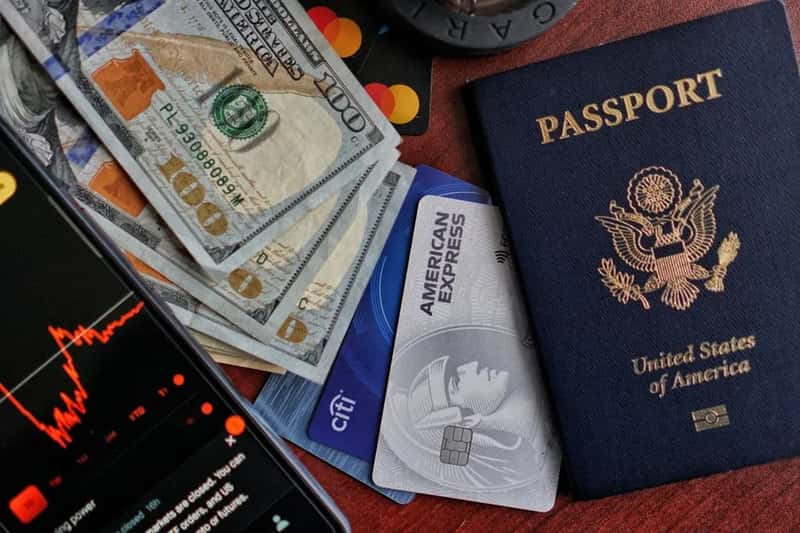
AAA’s travel advice calls the hotel safe a passport’s best friend and recommends keeping it there whenever you’re out and about.[1] Duke’s global education office gives the same advice, suggesting you secure it in a hotel safe or lockbox when it’s not in use.[2] A passport is hard to replace on the road, so keeping it out of crowded streets makes sense.
There’s a catch, though. Yahoo Travel points out that you may need ID unexpectedly, whether for a tour operator, a currency exchange, or a police checkpoint in some countries.[3] If the passport does stay in the safe, photograph the identification page and any visa stamps first so you have a backup.[3]
2. A Spare Credit Card
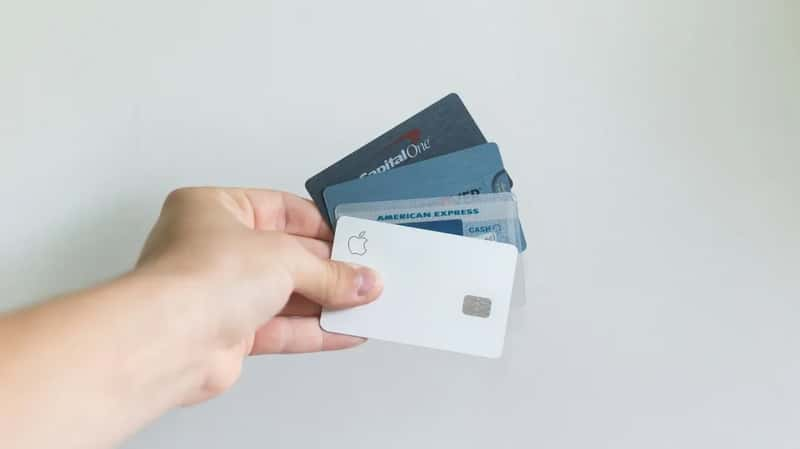
Think of a second credit card as insurance you hope never to use. One travel guide suggests hiding passports, backup cards, and anything you won’t need until departure in the room safe.[4] If your wallet goes missing at a market, you still have a way to pay for dinner and a taxi.
Don’t lock up every card you own, though. Yahoo Travel warns that a lost key or forgotten code would leave you with no access to money anywhere in the city.[3] Its suggestion is to split your cards between what you carry, what stays in a drawer, and what goes in the safe.[3]
3. The Debit Card Linked to Your Main Account
A debit card draws straight from your bank balance, so a stolen one can empty your account quickly. One travel writer describes a system of separate cards tied to different accounts. If one wallet is lost or stolen, only one account is compromised, and the traveler can use the other.[5] Leaving the card tied to your primary account in the safe fits that logic.
Keep realistic expectations about the safe itself. California law, for example, limits a hotelkeeper’s liability to $500 for valuables placed in a safe in the possession of hotel personnel.[6] That rule covers the front desk safe, and other places have their own limits. Most U.S. states cap a hotel’s liability in some way, as long as the hotel follows regulations.[7]
4. Your Driver’s License, If You Aren’t Driving
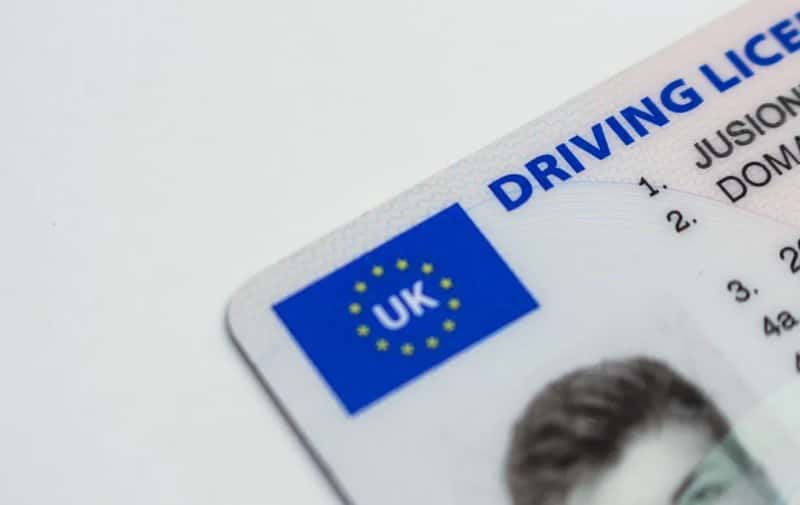
AAA notes that the passport isn’t the only valuable paper in a travel portfolio, and it lists the driver’s license among the documents that deserve equal protection.[1] If you’re staying in a walkable city and not renting a car, the license can sit in the safe. It’s one less card to lose and one less piece of identity theft bait in your pocket.
Check whether you have other acceptable ID first. One experienced traveler keeps a driver’s license in the wallet and secures the passport somewhere else.[5] The right setup depends on which document you’d rather risk losing, and on what the local rules ask you to carry.
5. Visa and Immigration Papers
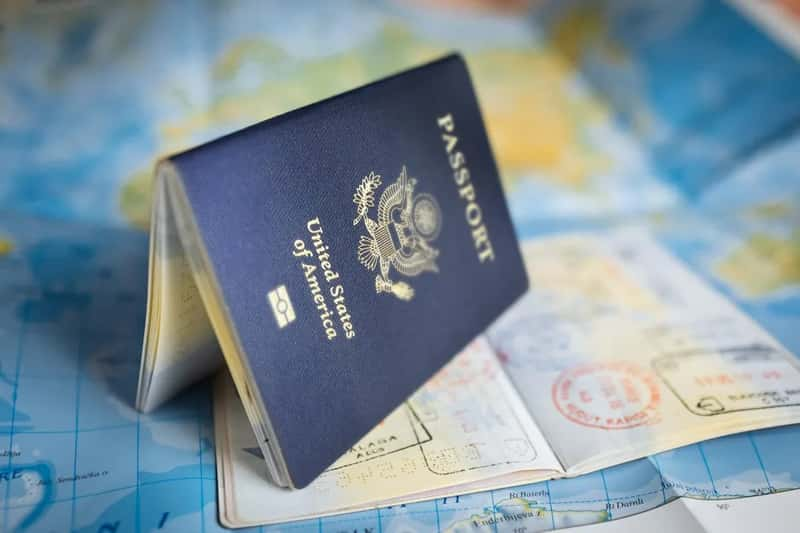
Residency permits, entry documents, and visa cards can be the hardest items to replace abroad. Warwick University’s travel advice tells students to carry a copy of their passport and immigration permission while storing the originals in the hotel safe.[8] The copies handle everyday questions, and the originals stay protected.
Some documents work only in pairs. Warwick notes that if a visa is a separate BRP card, you need both it and your passport to re-enter the UK when travelling overseas.[8] Losing one half of that pair could complicate the trip home, so put both in the safe together when you don’t need them.
6. A Marriage Certificate
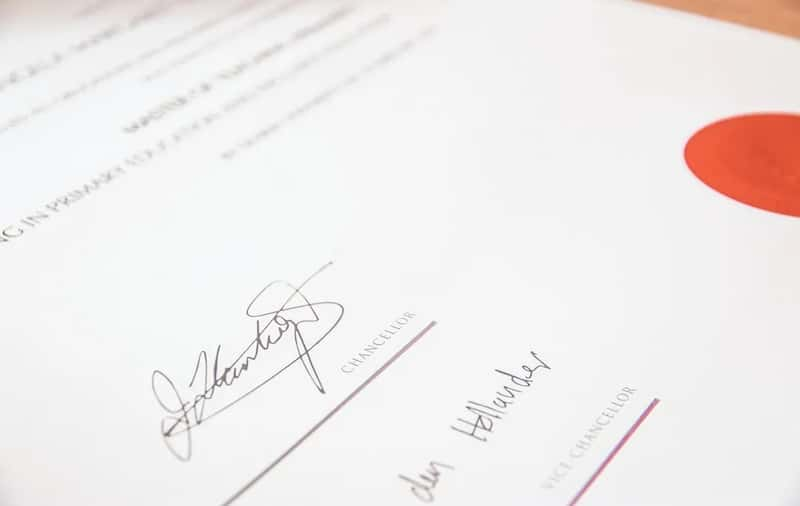
This one applies mostly to destination weddings and honeymoons. AAA specifically mentions marriage certificates, alongside driver’s licenses, as documents to protect while traveling.[1] Once the ceremony is over, there’s rarely a reason to carry the paperwork around town.
Paper is fragile, and safes don’t change that. Yahoo Travel notes that hotel safes in most budget and mid range properties aren’t fireproof or waterproof.[3] It recommends scanning documents and storing copies in the cloud and on your phone, so the safe is never the only place they exist.[3]
7. Printed Copies of Your Passport and Cards
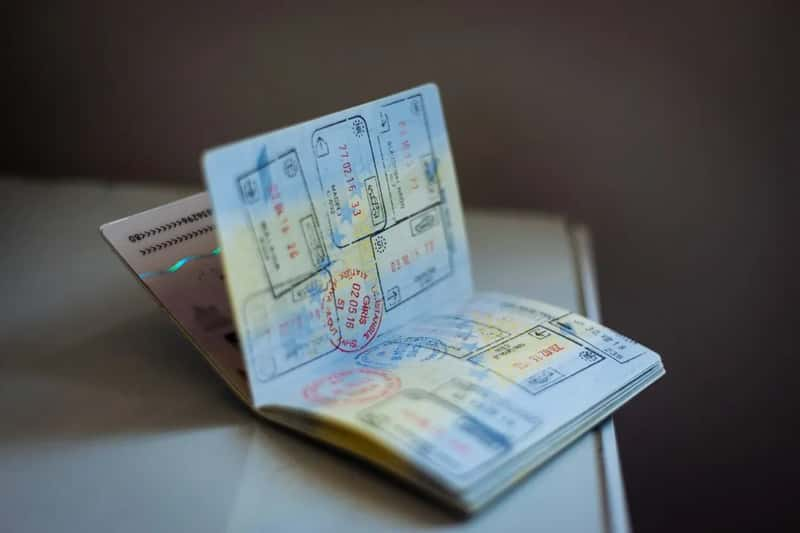
Photocopies are useful even when the originals are with you. The University of Texas at Dallas advises putting copies of your passport and credit cards in the hotel safe, so that you still have the information if they are lost.[9] Having the numbers and contact details on paper speeds up any report to a bank or embassy.
Think about what those copies reveal, though. One recent consumer piece says most hotel safes share master codes known to staff or can be opened with override sequences found online.[10] AAA’s identity protection guidance suggests printing two paper copies of your passport, keeping one in your carry on and giving the other to someone you trust back home.[11]
8. Travel Insurance Policy Documents
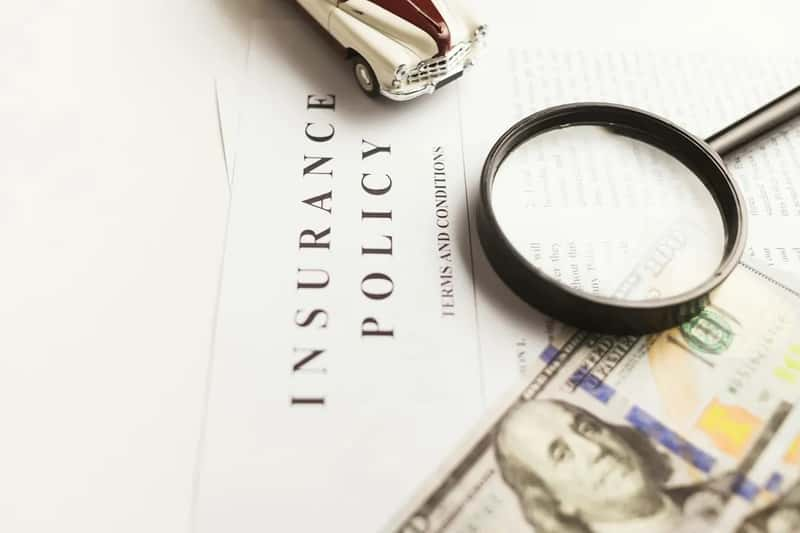
A travel insurance policy is something you rarely look at until something goes wrong. Warwick’s travel tips recommend comprehensive cover that includes both personal belongings and health care.[8] The printed policy, with its claim number and emergency contact, doesn’t need to travel in your daypack.
Take a photo of the key page before you lock it away. If you’re in a clinic or a police station and the safe is back at the hotel, a phone image gets you started. The original can wait in the room until you need to file a claim.
9. Return Tickets and Itinerary Printouts
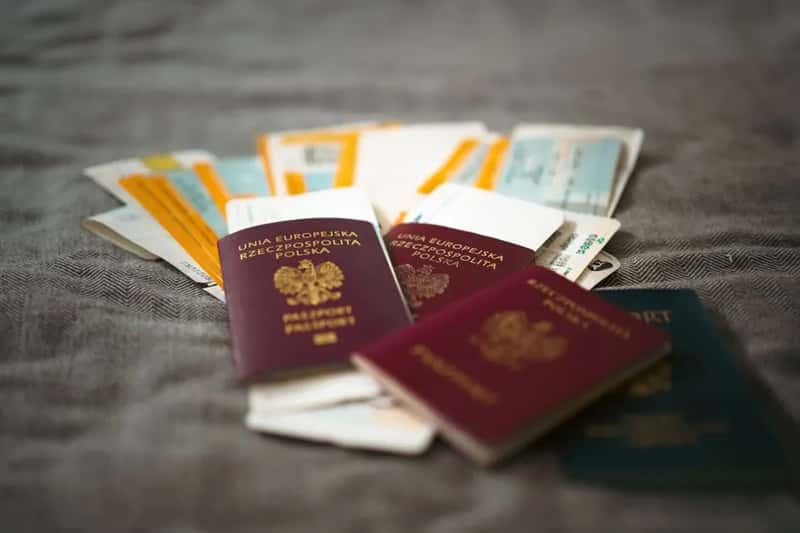
Departure paperwork is a classic candidate for the safe. One travel guide offers a simple rule: carry what you’ll need for the day, and keep the rest secure at your hotel.[4] A printed flight confirmation or rail booking for next week doesn’t belong in a pocket today.
The same guide offers a sample day kit. On day trips, it says to carry only what’s needed: the passport if required, one credit card, some cash, and one ID.[4] Anything beyond that list, including onward tickets, can stay behind.
10. Your Health Insurance Card
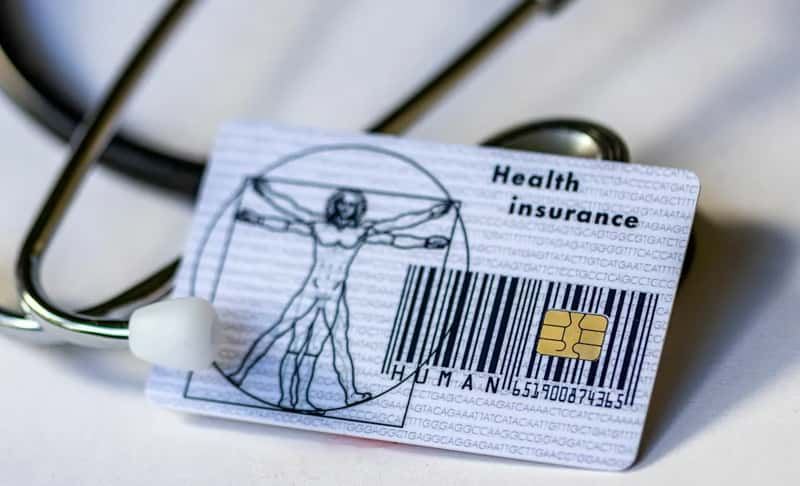
Insurance cards are easy to forget about. They carry policy numbers and personal details, which makes them worth protecting, yet you won’t need them on a beach or museum day. One travel resource lists health insurance among the documents to scan or photograph before you go.[4]
That makes this card an easy fit for the safe. Keep the image on your phone for quick reference, and fetch the physical card if you need to visit a clinic. If your policy involves overseas care, check in advance which version of the card the provider will accept.