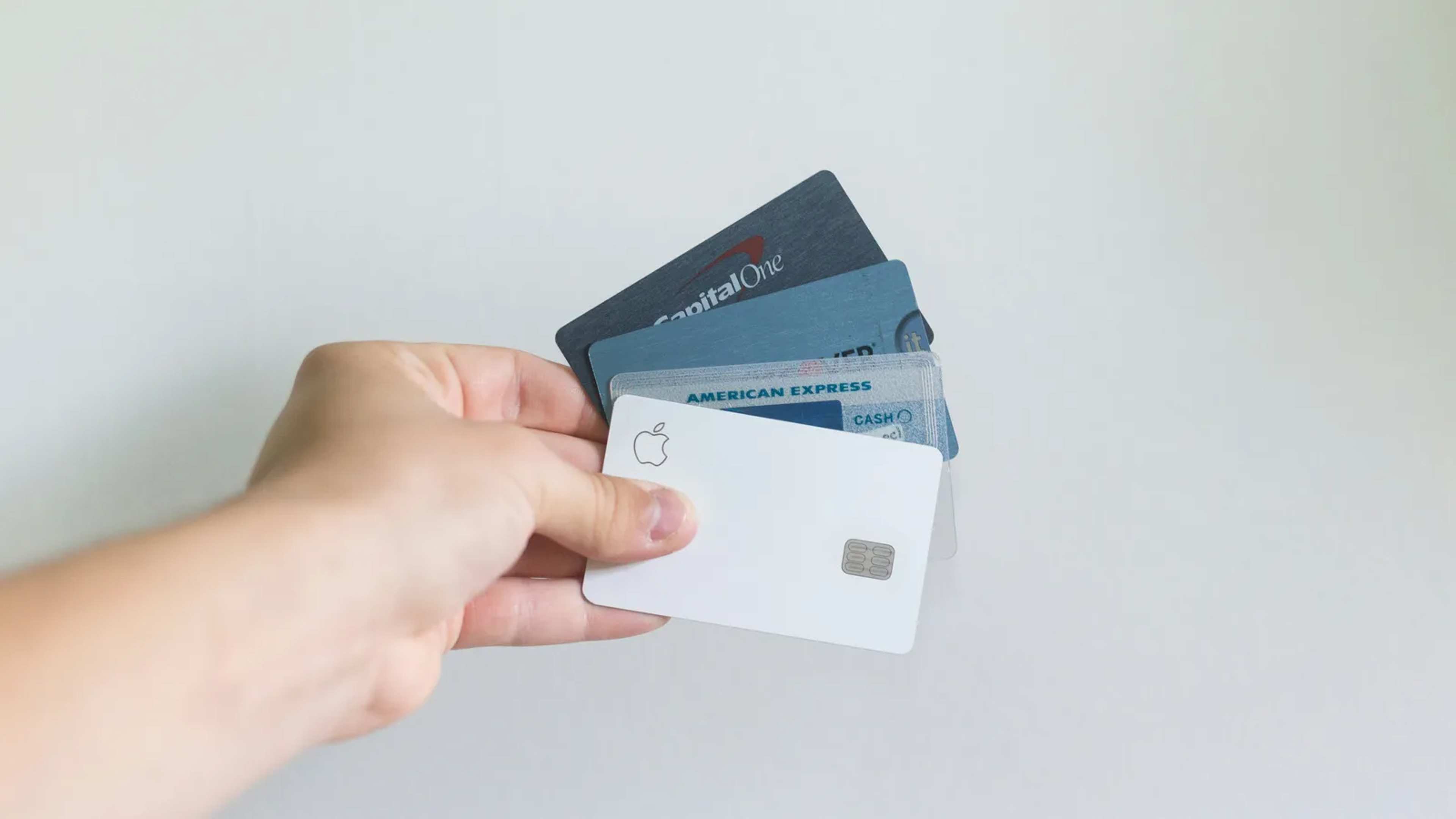
The Chase Sapphire Reserve carries a $795 annual fee, and many travelers find its perks worth that price. Still, no single card covers every purchase or trip. The Points Guy notes that a second card can fill those holes, and it frames the choice around where the Reserve falls short ([1]). The right companion depends less on which card is most popular and more on where a cardholder’s money actually goes.
The Reserve’s Blind Spot Is Ordinary Spending
The Reserve’s earning power is strongest in travel and dining, so purchases outside those categories tend to earn far less. Clothing, furniture, and household bills can add up quickly without producing meaningful rewards. A second card with a flat earning rate closes that gap, letting one card handle bonus categories while the other covers the rest.
Airline and hotel loyalty is the other common shortfall. The Reserve transfers points to partners, but it does not bring the day-to-day perks of an airline card, such as checked bags and boarding priority. For someone who flies one carrier regularly, that difference can be more noticeable than a few extra points.
Comparing the Fee Load
Every second card adds to the total cost of carrying premium cards, so the combined fee matters as much as the card’s benefits. The table below shows the annual fee for each option alongside the total when paired with the Reserve.
| Card | Annual fee | Combined with Reserve |
|---|---|---|
| Capital One Venture Rewards | $95 | $890 |
| United Explorer | $0 first year, then $150 | $795 first year, then $945 |
| Chase Freedom Unlimited | $0 | $795 |
| World of Hyatt | $95 | $890 |
These figures reflect the source’s fee structure, so the decision comes down to whether a card’s perks cover its cost. A card that duplicates the Reserve’s travel protections may not justify the expense, even at a low fee.
Flat Earning and Airline Perks
The Capital One Venture Rewards suits cardholders who want a consistent return. It earns at least 2 miles per dollar on all purchases, and it offers access to more than 15 transfer partners for a $95 fee. The trade-off is that Capital One miles and Chase Ultimate Rewards points cannot be combined directly, so cardholders must manage two currencies.
For frequent United flyers, the United Explorer and United Quest add checked bag benefits, priority boarding, and United Club passes. The Explorer suits occasional travelers, while the $350 Quest appeals to people who fly often enough to use its extra credits and award discount. Both cards overlap with the Reserve’s travel protections, so the pairing works best for those who will use the airline benefits regularly.
No-Fee and Business Alternatives
Pairing the Reserve with a no-fee Chase card is a common strategy, particularly with cards that earn bonus rewards outside dining and travel ([2]). The Freedom Unlimited earns 1.5% back on purchases outside its bonus categories. The Freedom Flex earns 5% on up to $1,500 in rotating categories each quarter, but cardholders must activate the bonus each quarter, and the base rate on everything else is 1x ([3]). Because both cards earn Ultimate Rewards points, the rewards can be pooled with the Reserve.
Business owners have a separate option. The Ink Business Preferred earns bonus points on advertising, shipping, telecom, and travel spending, though it carries a $95 annual fee and requires a business credit card application. The travel overlap with the Reserve means the card makes sense only when business spending is high enough to offset the cost.
Choosing a Pairing
The Reserve remains a strong travel card, but it is no longer an automatic choice for every traveler. Motley Fool’s 2026 review makes the same point, noting that the card still earns its premium status for those who use its benefits. The best companion depends on whether the gap is everyday spending, airline loyalty, hotel stays, or business expenses.
Before applying, cardholders should check Chase’s unofficial 5/24 rule and welcome bonus restrictions, since those can affect eligibility. A second card should also justify its annual fee through the rewards and perks it adds. The strongest pairing is the one that fills a gap you already have, rather than the card with the longest list of benefits.