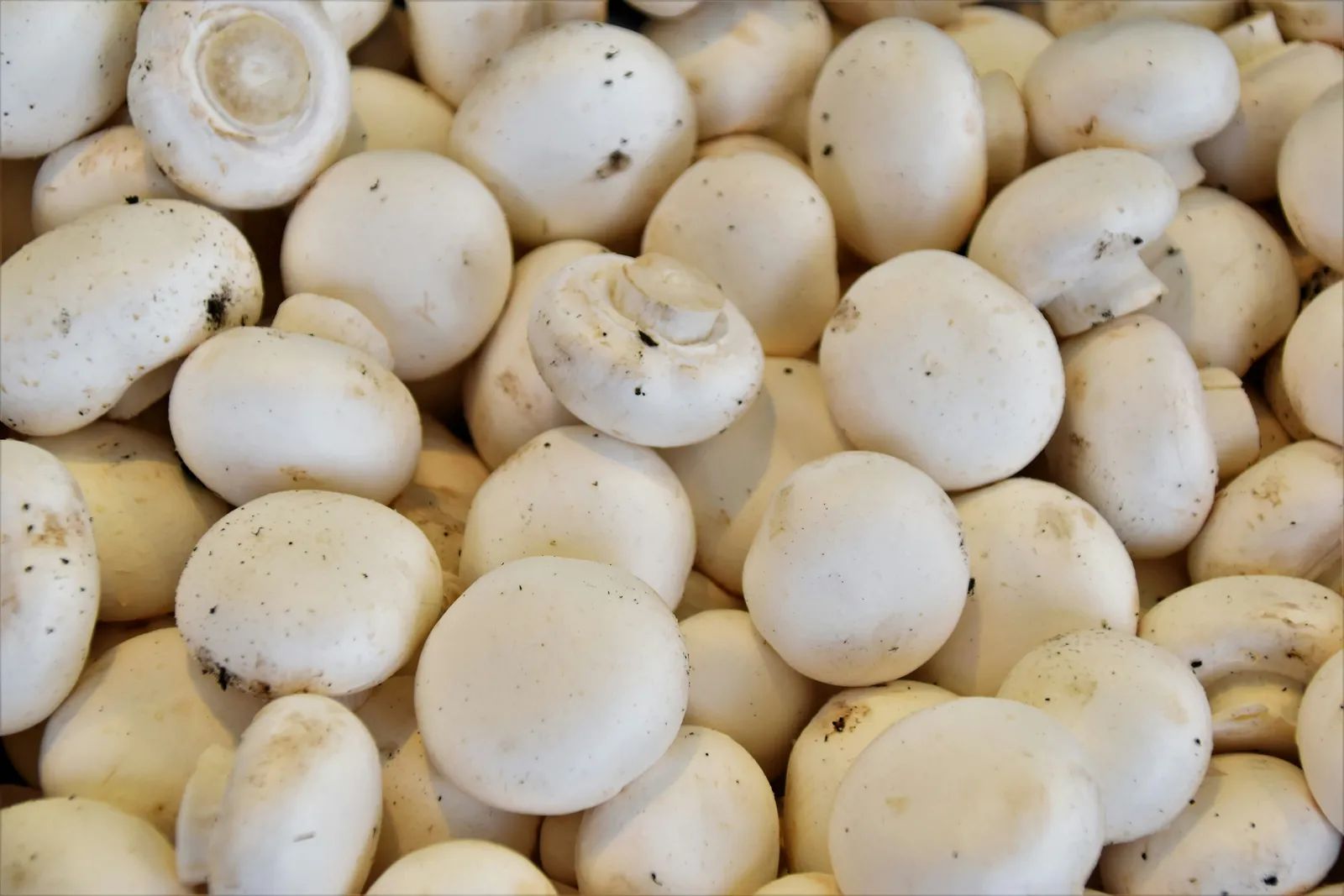
A pack of mushrooms bought for one recipe can easily sit in the refrigerator for days while other meals take priority. By then the caps may look different, and it is not always clear whether they are still worth cooking. Storage advice on the topic is spread across many sources, and the figures do not match. ([1])The guidance below focuses on the fridge window, storage habits and the warning signs that matter most.
Why the Fridge Answer Varies
Penn State Extension advises refrigerating mushrooms for up to three days, ideally in the original container or a paper bag. Utah State Extension is more generous, placing the figure at about five days and no more than a week when mushrooms are stored well. Health Canada allows up to five days for prepackaged mushrooms, while an Ohioline refrigerator chart sets a much shorter window of one to two days.
Much of the gap comes from the conditions each source assumes. The Ohioline chart covers storage between 33 and 41 degrees Fahrenheit, and commercial guidance from UC Davis describes colder setups still. Temperature matters in a home kitchen too, since the UC Davis figures show a shorter life at 40 degrees than at 35 degrees. Because of this, a home fridge set near the upper end of safe cold storage may shorten the time you have.
Storage Habits That Make the Difference
Moisture is the main enemy of fresh mushrooms. Utah State Extension recommends keeping them in their packaging until opened, then moving them to a porous paper bag. Penn State and Utah State both caution that sealed plastic bags trap moisture, which speeds decay. Ohio State’s Chow Line column also points to a regular shelf with low moisture rather than the produce drawer.
Washing is the other habit to reconsider. Ohioline advises against rinsing mushrooms before storage because the extra water hastens spoilage. Utah State says to clean them only when you are ready to cook, and Health Canada makes the same point about quality. When the time comes, wiping them with a damp cloth or brushing off dirt is the gentlest approach. A practical habit, based on our own reading of the range above rather than a rule from any single source, is to cook fresh mushrooms within one to three days of buying them.
Signs Mushrooms Have Turned
Smell and texture give the clearest warnings. Ohio State’s column says fresh mushrooms should be dry rather than shriveled or slimy, and that they darken as they age. The following signs call for discarding them:
- A slimy surface or tacky film. No government or university source found in the review says a slimy mushroom can be rinsed and eaten.
- An ammonia smell, which Ohio State’s column describes as a sign it is time to toss them.
- Visible mold. USDA advises discarding the moldy item, checking nearby foods it may have touched, and not sniffing it.
- Widespread dark patches, where the judgment call is yours because no source sets a precise threshold.
Browning alone does not always mean mold. UC Davis notes that mushrooms bruise easily and develop browning patches. Penn State says to discard produce showing bruising or damage, which points toward judging the extent of the damage rather than the color by itself. A normal look and smell also do not prove safety, so appearance should never be the only test.
What matters now: fridge life is somewhere between a few days and a week, depending on the source and storage conditions. Cook fresh mushrooms soon after buying, store them dry in paper or their original packaging, and discard any that turn slimy, moldy or smell of ammonia.
Cooked, Frozen and Canned Mushrooms
Cooked mushrooms follow the general leftover rules from USDA. They keep three to four days in the refrigerator and should be chilled within two hours of cooking, or within one hour when the room is above 90 degrees. Reheating to 165 degrees Fahrenheit, measured with a food thermometer, is the recommended finish.
Related Stories From Travelbinger


Freezing works well, but fresh mushrooms should be prepared first. Utah State says they should be cleaned and cooked before freezing, and Oregon State Extension recommends steam blanching or sautéing most varieties. Utah State reports that frozen mushrooms last several months. Canned mushrooms are a separate case, since USDA classifies them as low acid, allowing two to five years unopened. Once opened, USDA gives three to four days, and any can that is bulging, leaking or badly dented should be thrown away.
Taken together, the sources point to one clear habit: treat mushrooms as a short-lived fresh food and check them before each use. The fridge window may be shorter than many shoppers assume, and the signs of spoilage are easy to learn. Paying attention to storage and appearance gives the best protection for the pack you bought last week.