


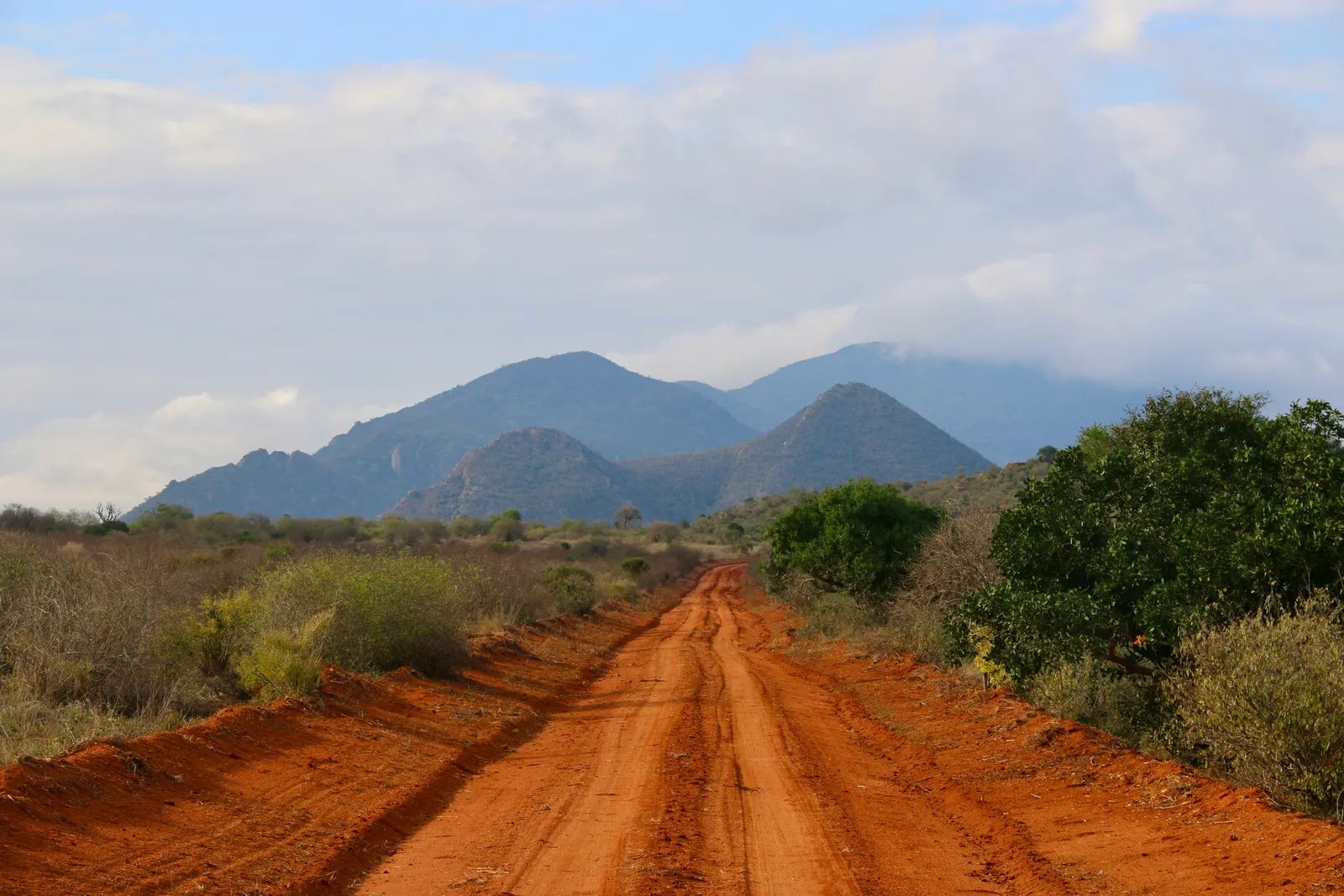
A hill in Kwale County on Kenya’s southeastern coast is now at the center of a contest that reaches well beyond East Africa. Kenya’s Cabinet Secretary for Mining and Blue Economy has announced a notice of intention to award the development of the Mrima Hill project to Frontier Minerals, a U.S.-based mining consortium. The hill is believed to hold critical minerals used in electronics, aerospace and energy storage, and the decision comes as Washington looks to reduce its reliance on China. The original report on the announcement is available from Mongabay [1]. ([6])
A preliminary step, not a finished deal
The formal notice was dated 19 November, and it names Frontier Minerals as the successful bidder in an international tender for the Mrima Hill Rare Earth and Niobium Project. ([2])The distinction matters. Mining Cabinet Secretary Hassan Ali Joho has stressed that the notice grants no licence to explore or mine. ([3])
Coverage has not been uniform. Some outlets described Frontier as having won the project outright, while the government’s own language points to a preliminary stage. The consortium’s right at this point is to apply for a prospecting licence, and that licence has not yet been issued. ([5])
Why the hill has drawn attention abroad
Frontier was reported to have beaten seven bidders, including companies from China and Australia. ([4])US officials have also cited Mrima Hill as a key target in President Donald Trump’s effort to expand American access to critical minerals, a processing sector that China dominates. ([4])
The stakes for the minerals themselves are equally clear. According to Kenya’s Ministry of Mining, the hill holds at least 5.8 million tons of material that may contain niobium pentoxide, a feedstock for niobium. Two-thirds of the world’s niobium reserves sit in Brazil, and most of the remainder is held by China. Frontier has said the process was “transparent, fair and competitive,” and Mr. Joho told Reuters that Kenya faced no pressure from either Washington or Beijing during the bidding. ([4])
What happens next
Several steps stand between the notice and any mining activity. Each one carries its own timeline and its own risks.
- Frontier must clear statutory requirements under Kenya’s Mining Act and 2017 tender regulations before receiving a prospecting licence. ([3])
- The consortium plans to confirm historical resource estimates and assess whether rare earth refining can be carried out in Kenya. ([5])
- Rival bidders have signaled that they may challenge the decision through procurement appeals. ([3])
- Under Kenyan rules, a company must secure the consent of local communities before it can obtain a mining licence.
Civil society groups in Kenya have also questioned whether the process has been as open as officials describe. Those concerns sit alongside the U.S. State Department’s praise for the decision as a transparent route to local value addition and jobs.
Related Stories From Travelbinger



A hill with a local story
For the people who live near Mrima Hill, the questions are immediate. The hill sits roughly 60 kilometers from Mombasa Port and close to a major highway, which makes it commercially attractive. ([5])It also carries national monument status and cultural significance. Frontier has said it would work with local communities and the Kenya Forest Service while respecting environmental and biodiversity concerns. ([5])
The consortium has not yet sampled the material on the hill, because bidders did not have access to the site during the tender. ([5])Until those samples are taken and the licensing steps are complete, the scale of the opportunity and its effect on the land remain open questions. For now, the decision marks a significant step in a long process, and the outcome will shape how Kenyans and their American partners share both the rewards and the responsibilities of the project.




