Most countries settle on one official language. A handful manage two or three. Then there is South Africa, a nation that recognizes twelve separate official languages, a number so unusual that it regularly surprises people encountering it for the first time.
This is not a symbolic gesture or a minor administrative footnote. It shapes school curricula, court proceedings, government signage, and even how election ballots are printed. Understanding why South Africa ended up here, and what it actually means day to day, requires looking at both the country’s history and its present.
How South Africa’s constitution created eleven official languages
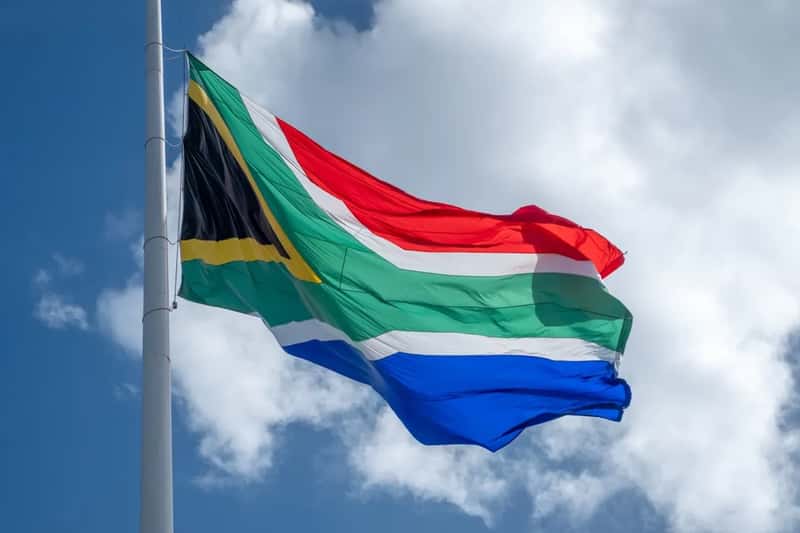
When South Africa adopted its post apartheid constitution in 1996, the drafters faced a linguistic reality that earlier governments had largely ignored. During colonialism and apartheid official languages were European, Dutch, English and Afrikaans, while African languages spoken by at least 80 percent of the people were ignored.[1] The new constitution reversed that imbalance in one sweeping move.
In 1996 a new constitution gave official protection to all of the country’s major languages.[1] That decision produced a list of eleven official languages: Sepedi, Sesotho, Setswana, siSwati, Tshivenda, Xitsonga, Afrikaans, English, isiNdebele, isiXhosa, and isiZulu.[2] Nelson Mandela’s government treated this as a foundational statement about who the “new” South Africa belonged to, rather than a purely practical fix.
Adding a twelfth: South African Sign Language

For roughly a quarter century, eleven remained the number people associated with South Africa. That changed through a deliberate legislative process rather than a sudden decree. In May 2023, the National Assembly approved a constitutional amendment to include South African Sign Language as an official language to promote the rights of persons who are deaf and hard of hearing.[3]
The formal signing followed two months later. President Cyril Ramaphosa enacted the South African Sign Language as the country’s 12th official language at a ceremony held at the Union Buildings in July 2023.[4] The gap between the two numbers, users reported at the time versus users recorded in the 2011 census, turned out to be striking. Officially reported South African Sign Language users numbered only around 12,400, whereas 2011 statistics had indicated around 255,000 users.[4] That discrepancy has fueled ongoing debate about how the language is counted and supported in practice.
Zulu: the most spoken home language
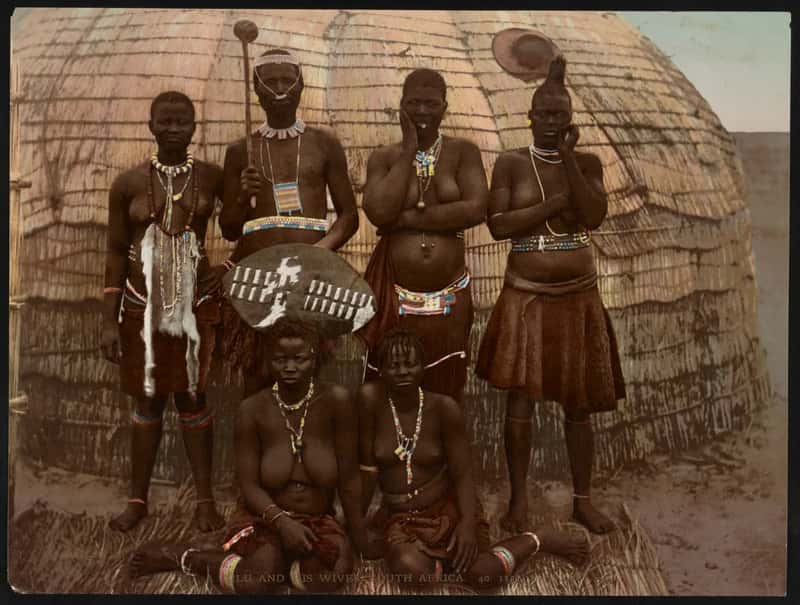
Catalog: https://lccn.loc.gov/2017657661
Image download: https://cdn.loc.gov/service/pnp/ppmsca/41500/41502v.jpg
Original url: https://www.loc.gov/pictures/item/2017657661/, Public domain)
Among the twelve, isiZulu carries the most weight in sheer numbers. Zulu has around 12 million first language speakers and 16 million second language speakers, for a total of roughly 28 million users across South Africa.[5] It is centered in KwaZulu Natal but heard well beyond that province in daily conversation, radio, and television.
Zulu’s prominence is a relatively recent development in political terms. English and Afrikaans were the only official languages used by South African governments before 1994, but since the fall of apartheid, Zulu has been enjoying a marked revival.[5] Zulu language broadcasting and print media have played a real part in that resurgence, giving the language a public presence it lacked under the old system.
Xhosa: the click language of the Eastern Cape
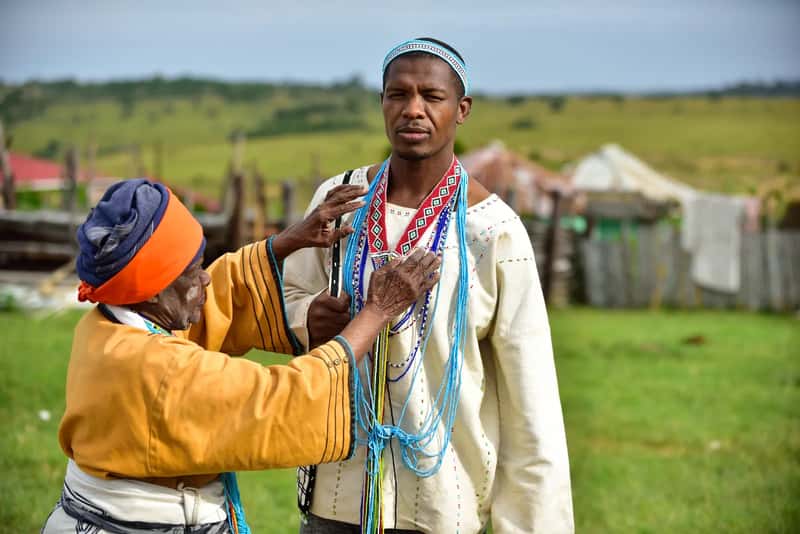
Xhosa sits just behind Zulu in terms of speaker numbers and holds its own distinct identity, most famously through its clicks. isiXhosa has more than 8.1 million native speakers and 11 million second language speakers, and about 10 percent of its basic vocabulary contains one of three distinct click consonants.[6] Those clicks are not a stylistic flourish; they function as full consonants that change word meaning entirely.
Geographically, Xhosa is tied closely to the Eastern Cape, though its reach extends further. Xhosa is the most widely distributed African language in South Africa, and it ranks as the second most common Bantu home language in the country.[7] Its global visibility got an unexpected boost when the language featured prominently in a major Hollywood superhero film, introducing its sound to audiences who had likely never encountered it before.
Afrikaans: a language born from colonization
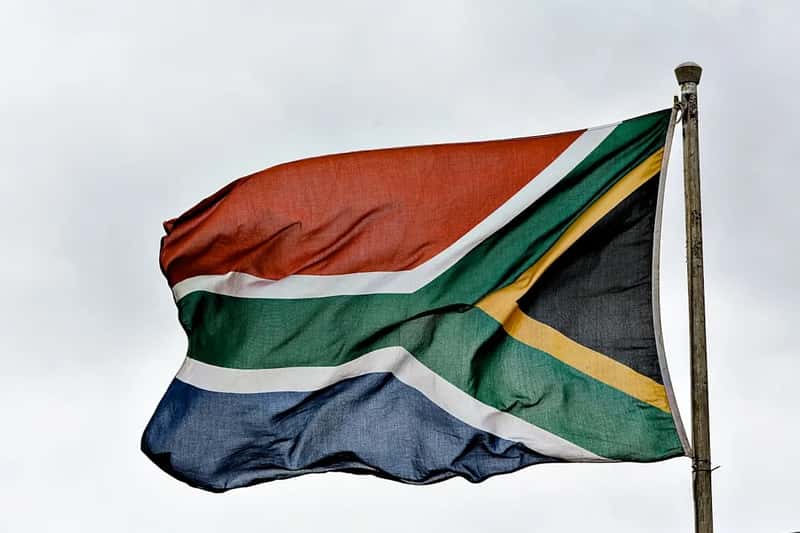
Afrikaans occupies a strange position among South Africa’s official languages, carrying colonial origins while also being spoken by millions of people who were never colonizers themselves. Afrikaans is a West Germanic language descended from Dutch, and linguists consider it partly creole, with the vast majority of its vocabulary rooted in Dutch.[8] It developed its own identity over centuries rather than remaining a simple offshoot.
Its influences run wider than Dutch alone. Afrikaans is a simplified version of Dutch at its core, carrying influences from languages like Malay, Indonesian and Portuguese, and is considered a partially creole language.[9] Today it ranks third among home languages nationally, spoken across the Western Cape and Northern Cape in particular, and it remains tied up in complicated conversations about identity and history in modern South Africa.
English: small in numbers, large in influence
English presents an odd case. It is not the most commonly spoken home language, yet it dominates formal life. English is spoken at home by under 9 percent of the population, two thirds of them not white.[1] That figure alone would suggest a modest role, but the reality on the ground looks different.
Government, courts, and higher education lean heavily on English as a working language, largely because it functions as a practical bridge across a country with so many competing first languages. English is the fourth most common first language in the country at roughly 9.6 percent, yet it is understood in most urban areas and remains the dominant language in government and the media.[8] That gap between home use and institutional weight is one of the more telling details about how multilingualism actually functions in South Africa.
The Nguni and Sotho Tswana language families
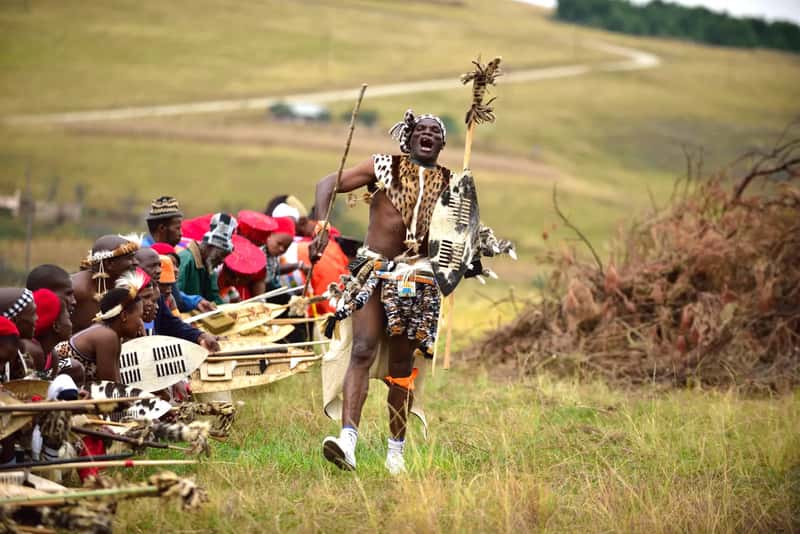
Several of South Africa’s official languages cluster into recognizable family groups rather than standing apart as isolated tongues. These languages include English, Afrikaans, the Nguni languages Zulu, Xhosa, Ndebele, and Swazi, the Sotho Tswana languages Tswana, Sotho, and Pedi, as well as Venda and Tsonga.[10] Understanding these clusters helps explain why speakers of one South African language often pick up a neighboring one with relative ease.
The Nguni languages in particular dominate demographically. The Black African population falls mainly into four linguistic categories, the largest being the Nguni, which includes peoples who speak Swati as well as those speaking Ndebele, Xhosa, and Zulu, and together they constitute more than half the Black population of the country.[11] That shared linguistic ancestry does not mean the languages are interchangeable, but it does mean cross language comprehension is more common than an outsider might expect.
How multilingualism works in daily life and government
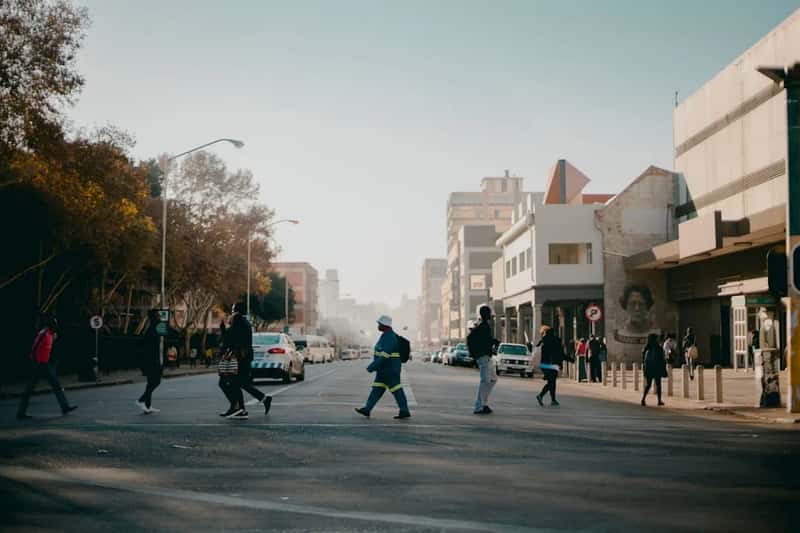
Twelve official languages sounds unwieldy in theory, and in some ways it genuinely is. In practice, most government business, national media, and higher education still run primarily through English and, to a lesser degree, Afrikaans. In practice English and Afrikaans are the primary languages used, and to a somewhat lesser extent isiZulu and isiXhosa.[12]
That does not make the other official languages symbolic window dressing. South Africa has 12 official languages and a multilingual population fluent in at least two.[1] Provincial governments frequently conduct business in whichever languages dominate locally, court proceedings can be requested in a person’s home language, and school instruction in the early grades is often delivered in a child’s mother tongue before transitioning to English later on.
Comparing South Africa to other multilingual nations
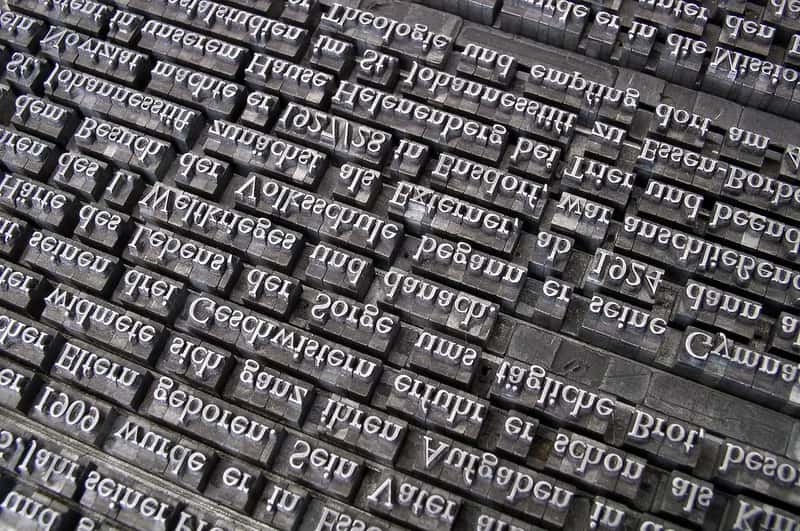
South Africa’s twelve official languages put it well ahead of most other multilingual states. Bolivia recognizes dozens of indigenous languages alongside Spanish under its constitution, but in day to day administrative use, only a handful see regular official application. India lists numerous scheduled languages across its states, yet no single one of them functions as a nationwide official language in the way South Africa’s twelve technically do at a constitutional level.
What sets South Africa apart is not just the count but the constitutional equality attached to it. All official languages must enjoy parity of esteem and must be treated equitably.[13] Whether that principle is fully realized in practice remains a genuine point of debate among linguists and policymakers, but the legal commitment itself is unusually strong compared to peer nations.
The ongoing debate over sign language recognition
The 2023 addition of South African Sign Language did not settle every question about its place in the system. Advocacy groups had pushed for the change for years, framing it as overdue rather than experimental. By making sign language the 12th official language, the government aimed to advance the rights of citizens living with disabilities by ensuring their rights to substantive equality, dignity and social inclusion are recognised.[13]
Implementation has lagged behind the legal milestone, a common pattern with language policy anywhere. Census 2022 estimates that South African Sign Language is used by fewer than 10,000 people, way under 0.1 percent of the population, though other estimates put its number of users at around 600,000.[1] That wide discrepancy in counting methods underscores how much work remains in simply understanding the scale of the community the amendment was meant to serve, let alone fully serving it.
Final thoughts
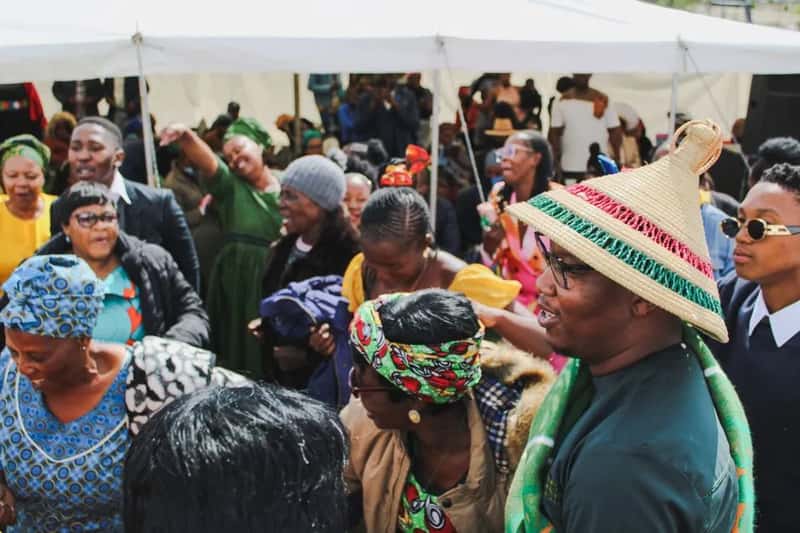
South Africa’s twelve official languages tell a story that goes beyond linguistics. They reflect a deliberate attempt to undo decades of exclusion by giving formal, constitutional weight to languages that were once dismissed entirely. Whether that promise is fully lived out in classrooms, courtrooms, and government offices varies from place to place, but the underlying commitment remains unusual on a global scale, and it shows no sign of narrowing back down anytime soon.