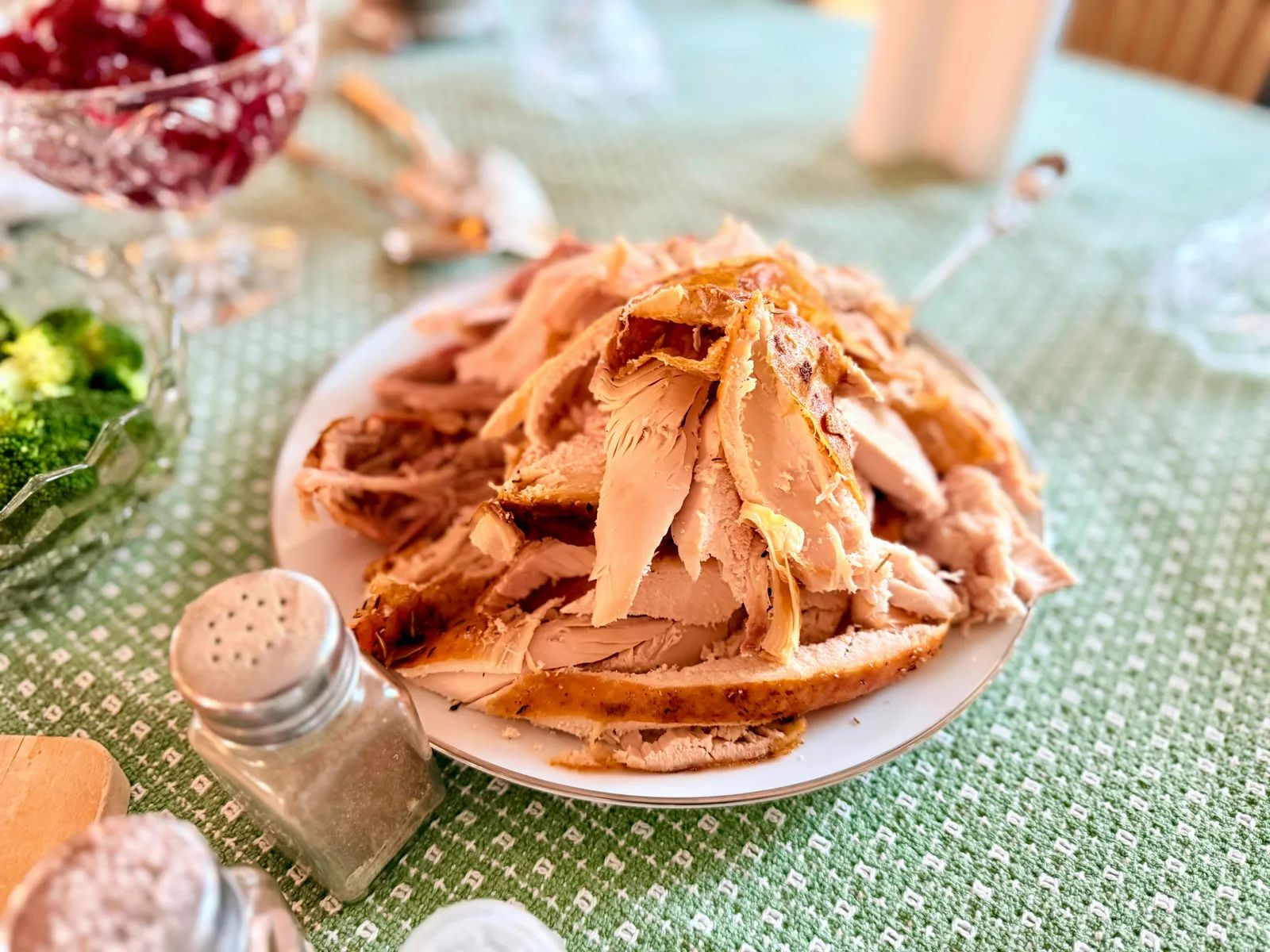
Many families simmer a pot of turkey stock from holiday leftovers only to wonder days later whether it remains safe to use. Guidance from federal agencies and university extensions points to a short window for refrigerated homemade stock, often catching cooks by surprise during the busy post-Thanksgiving period. The practical result is that large batches require prompt cooling and quick decisions about use or freezing to avoid waste or risk. ([1])
Why the Three-Day Limit Matters for Home Cooks
Homemade turkey stock kept in the refrigerator follows a consistent recommendation of up to three days from several extension services. Penn State Extension and New Mexico State University both cite roughly three days for finished stock or broth. Federal charts show some variation, with one listing meat broth and gravy at three to four days and another at one to two days, yet the three-day mark serves as a cautious common reference for most households.
The timeline starts the moment the stock finishes cooking and enters the refrigerator. Large pots cool slowly, which raises the chance of bacterial growth in the temperature danger zone between 40 and 140 degrees Fahrenheit. Dividing the stock into shallow containers helps it reach safe temperatures faster and preserves the full storage window.
Handling the Turkey Carcass Before Stock Making
Cooks often set aside the carcass after carving the bird, yet that step carries its own time constraint. New Mexico State University advises using raw or cooked bones within two days, while USDA guidance on cooked turkey allows three to four days without specific mention of carcasses. The safer approach for most kitchens is to begin simmering stock within two days or move the carcass to the freezer right away.
Any carcass left on the counter overnight falls outside safe limits and should be discarded rather than used. USDA rules on perishable foods left out more than two hours, or one hour above 90 degrees Fahrenheit, apply without exception for later simmering. Prompt refrigeration after the meal protects both the meat and the future stock.
Freezing Extends Usability Without Resetting Safety Rules
Freezing offers a reliable way to preserve stock beyond the refrigerator window. USDA charts list gravy and meat broth for two to three months at zero degrees Fahrenheit for best quality, though the food remains safe longer if kept constantly frozen. Small portions or ice-cube trays make thawing easier and reduce repeated temperature changes.
Stock must cool quickly before freezing, with room left at the top of containers for expansion. Thawed stock should be used within about three days, matching the original refrigerated guideline. Commercial cartons sometimes list longer freezer times on their own labels, but those apply only to the specific product.
Recognizing When Stock Should Be Discarded
Visible mold, a sour or off odor, or a bulging or leaking package are clear signals to throw the stock away. Absence of these signs does not guarantee safety, so storage time and handling history remain the primary guides. Tasting is not recommended because harmful bacteria often cannot be detected by smell or appearance alone.
A layer of fat that solidifies on top or a jelly-like texture when cold can occur naturally from bone collagen and does not indicate spoilage by itself. These traits still require checking against the day count and cooling method before use. Unopened shelf-stable cartons follow the best-by date on the package, which reflects quality rather than safety.
Reheating and Everyday Uses Keep Stock Practical
Proper reheating adds a safety margin for correctly stored stock. Bringing it to a rolling boil before serving aligns with USDA advice for soups, sauces, and gravies. Other leftovers generally reach 165 degrees Fahrenheit as measured by a food thermometer.
Stock finds immediate use in gravy or simple soups, and any finished dish should follow the same three-to-four-day refrigerated limit. Cooking older stock into a new recipe does not extend its original storage life, so earlier freezing remains the better option when the three-day mark approaches.