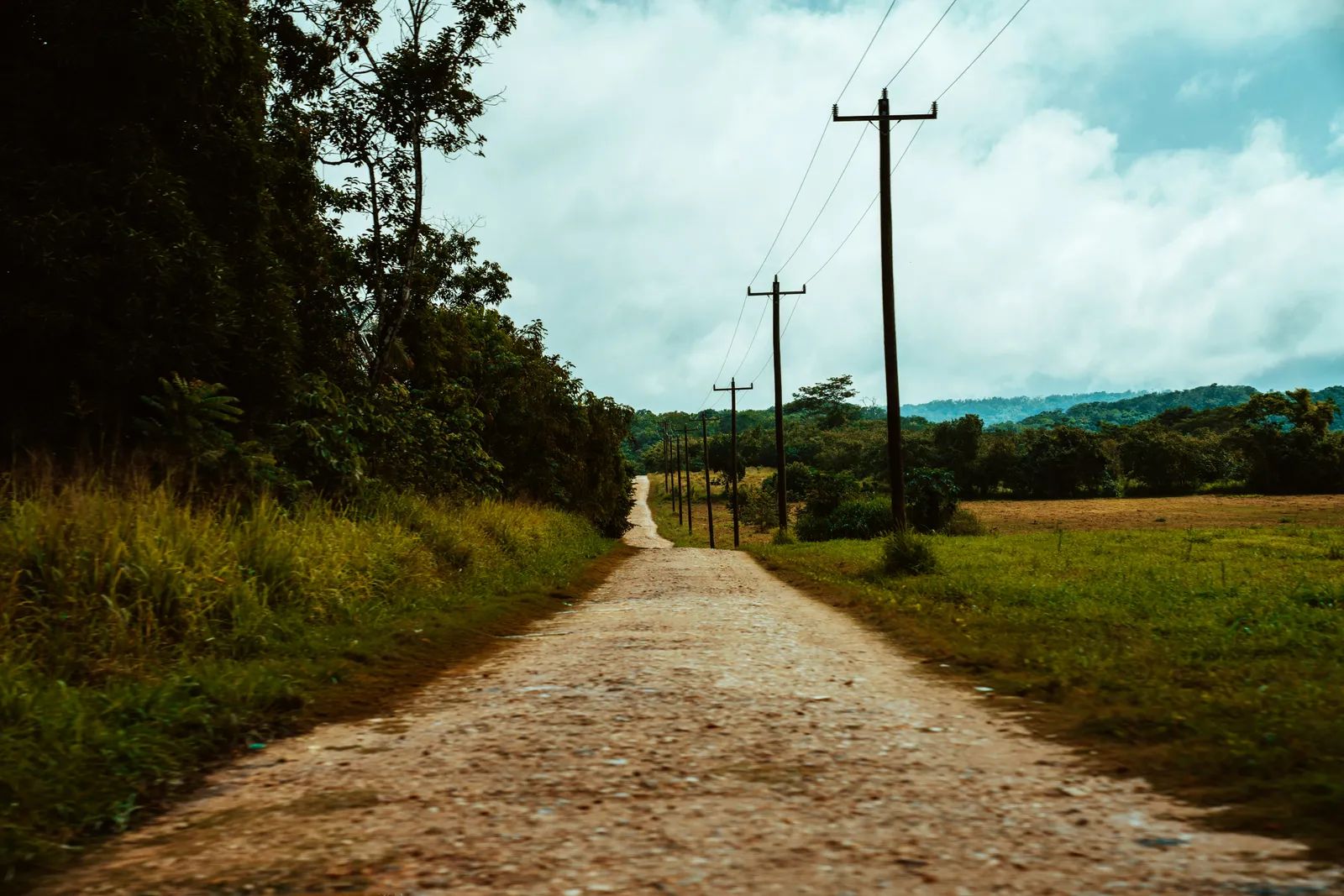
San Ignacio, Belize – Most first-time visitors to Belize head straight for the white-sand coast, leaving the interior largely unexplored. The town of San Ignacio sits well inland, and it is often described as the adventure capital of the country, with ancient Maya archaeological sites scattered throughout the jungles ([1]). For travelers who make the trip, the region offers a very different side of Belize. ([1])
Why the inland route is easy to overlook
The coast has long been the country’s main draw, with its beaches, reefs and island hopping. San Ignacio works in the opposite direction. It is a river town in the Cayo District, and many visitors use it as a base for day trips into the forest. The appeal lies in the variety packed into a short drive, from ceremonial caves to stone temples rising above the treetops.
Because the town is the starting point for so many excursions, it has built up a tourism infrastructure of guides, tour operators and lodging. San Ignacio is the town where many visitors stay, while the surrounding Cayo District, and nearby Guatemala, provides many of the experiences they come to explore. ([5]) That arrangement makes it practical to plan a multi-day trip without constantly changing hotels.
The Maya sites within reach
The archaeology is the region’s most distinctive feature. Several major sites sit within reach of the town, and each suits a different type of traveler:
- Xunantunich, a monumental site that visitors reach by crossing the Mopan River on a hand-cranked ferry ([3])
- Actun Tunichil Muknal, a ceremonial cave known as ATM, which is a full-day adventure ([2])
- Caracol, a larger jungle ruin that is better suited to a full day of travel ([3])
- Cahal Pech, a smaller site close to town ([3])
- Tikal, the famous Guatemalan ruin reached as a cross-border day trip ([3])
Xunantunich is often recommended as the first stop. Xunantunich is the best Maya site for a first visit. ([4]) It requires far less physical effort than the cave tour, which makes it a useful starting point before a more demanding day.
A cave experience with strict requirements
ATM is the region’s signature challenge. The tour opens with a hike of roughly 45 minutes through the jungle, followed by river crossings that can require swimming. Visitors arrive at the cave entrance wet, since water levels are often high. Inside, remains of ceremonial offerings begin just inside the cave mouth ([2]), and the deeper chambers hold some of the most striking finds in the Maya world. Among them is the so-called Crystal Maiden, a skeleton whose identity remains debated, with some scholars now suggesting the individual may have been male ([2]).
Before booking: Visitors must enter the cave with an ATM Certified Tour Guide under current rules from the National Institute of Culture and History. Participants must be at least 40 inches tall, be in good physical health and be able to swim ([4]).
Planning a stay of two or three days
Most visitors who want to cover the highlights spread them across two or three days. One common approach pairs Xunantunich and Cahal Pech on the first day with the cave tour on the second. A third day can add Caracol, which requires a full day, or a shorter visit to the town market and other local stops. Travelers with only two nights are advised to prioritize the cave and one ruin, leaving Tikal for a later trip ([3]).
Related Stories From Travelbinger



Weather and river conditions also shape the schedule. High water can prevent cave visits, so flexibility helps. Travelers who arrive without a plan may find that booking a combined tour from San Ignacio saves time and avoids the logistics of the drive, which can take about an hour to the cave trailhead.
For a visitor who has already seen the beaches, San Ignacio offers a clear reason to head inland. The Maya ruins, the caves and the jungle roads give the trip a sense of discovery that the coastline cannot replicate, and the region rewards those who plan ahead.