


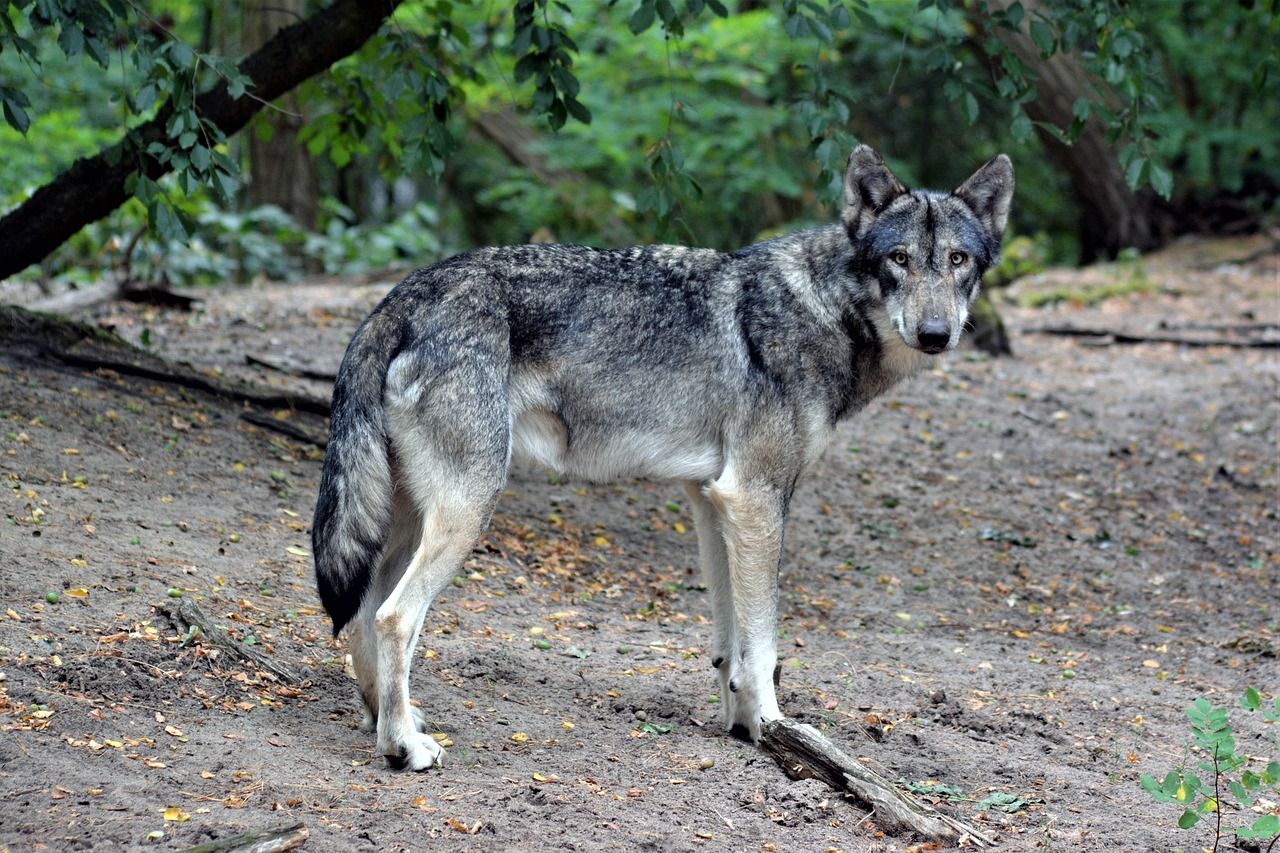
By the middle of the 20th century, gray wolves had been hunted to near extinction across much of Europe. Decades later, the animals are returning to forests, hills and farmland in many places, and the debate has shifted from how to save them to how to live alongside them. The question has grown more pointed since the European Union loosened its wolf protections. ([1])
A comeback that brought new friction
Strict legal safeguards helped wolf populations recover in several countries, and conservation groups regard that recovery as a clear success. The difficulty lies in the fact that wolves sometimes kill livestock, putting them at odds with some farmers who share the same pastures. The tension is not confined to rural communities. It has become a political question that reaches the highest levels of European government.
European Commission chief Ursula von der Leyen said in announcing the review that “concentration of wolf packs in some European regions has become a real danger especially for livestock”. That framing gave farming groups a strong argument, while conservationists maintained that the population had not yet recovered fully.
How the rules changed
The shift began at the Bern Convention, a treaty on European wildlife. The 49 member states of the Bern Convention on the Conservation of European Wildlife and Natural Habitats agreed to lower the wolf’s protection status from “strictly protected” to “protected”. The EU then followed with its own legal change. The main practical effects include:
- EU lawmakers approved the move by a majority of 371 to 162, with support from conservative, centrist and hard-right groups.
- The downgrade came into force in March, and the European Commission moved immediately to revise related EU laws to reflect the change.
- Member states will have 18 months to comply once the law takes effect.
- In practice, the EU rule change makes it easier to hunt wolves in rural and mountainous regions where their proximity to livestock and sheepdogs is deemed too threatening.
Supporters described the change as a practical response to a problem that had grown. Critics saw it as premature, and the debate over whether the science supported the decision has continued alongside the legal process.
Two views of the same landscape
More than 300 environmental and animal protection organizations opposed the downgrade. They argued it was premature since while population numbers have grown, their recovery is still ongoing. Hunting was no replacement for other prevention measures, such as fencing, they argued. Farming and hunting groups took the opposite view. The pan-European farmers group Copa-Cogeca welcomed “a major step forward in the management of wolf populations and harmonious co-existence”.
The Commission has also pointed to evidence that cuts against the most alarming claims. A 2023 EU report found that the overall impact of wolves on livestock was “very small”. Both sides, then, agree that conflicts exist, but they disagree on how serious the problem is and what the answer should be.
Social scientist Emu-Felicitas Ostermann-Miyashita, of the Tokyo University of Agriculture and Technology, offers a different way to frame the issue. She argues that the situation is better described as “livestock with wolves” than as wolves against livestock. Her research on Germany points to a historical pattern. Where wolves never disappeared, herders kept protective methods such as fencing and nightly enclosures for sheep. Where wolves vanished for generations, those practices faded, and the knowledge of how to protect livestock from large predators was partly lost. Her argument suggests that coexistence is less a new skill than an old one that must be rebuilt.
What matters now
- The EU has lowered wolf protection, and hunting is easier under strict conditions, particularly in rural and mountainous areas.
- Farmers and hunting groups see the change as necessary, while conservation organizations argue it came too soon.
- Researchers point to proven prevention tools, including fencing and nighttime enclosures, as central to any lasting arrangement.
A question of time and tools
The next phase will test whether the policy change eases the pressure on farmers without undoing the gains of recent decades. Member states now have a defined window to adapt their rules, and many of the choices will be made at the regional level, where grazing land and wolf territories overlap. For visitors who value wild landscapes, the change also highlights how deeply the countryside is shaped by its working traditions.
The story is not simply one of a species saved and then inconvenienced. It is a reminder that the return of a large predator depends on the methods people use to share the land with it. Whether Europe builds that balance through fences, hunting rules or both will likely shape the debate for years to come.




