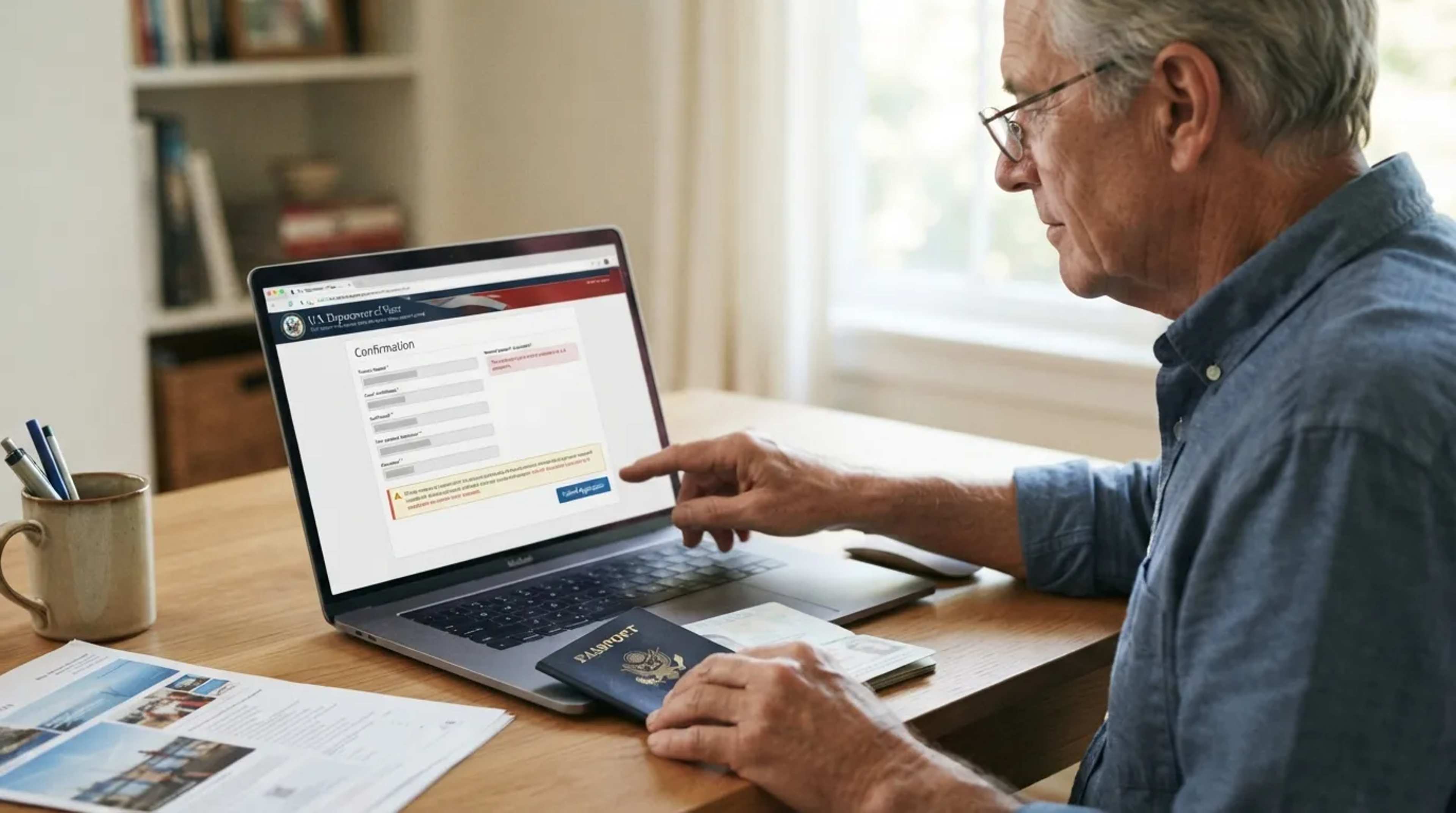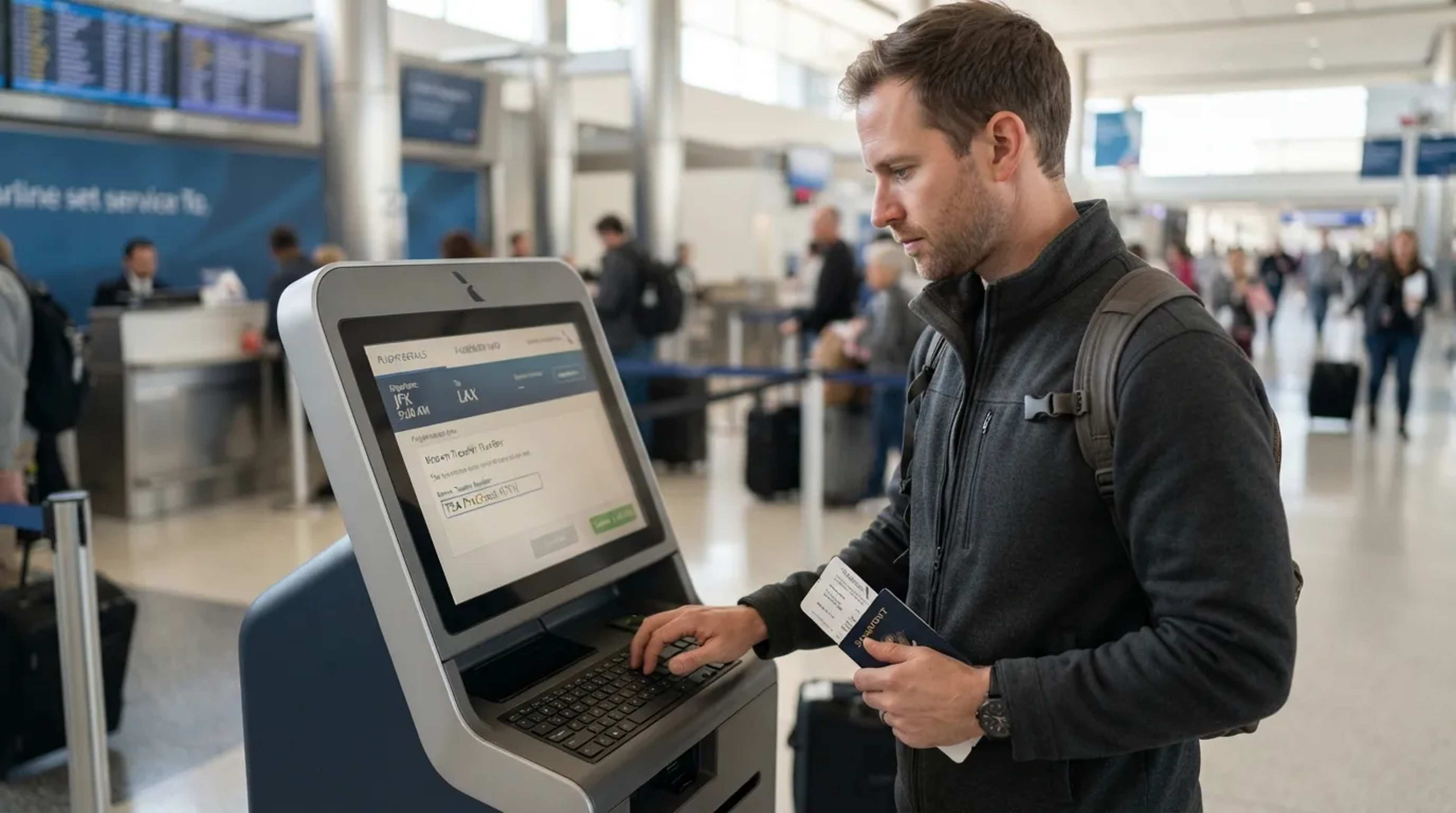
A U.S. passport card looks like the junior varsity version of a passport. It is a plastic rectangle the size of a credit card, and it cannot board an international flight. That reputation is why it gets overlooked, even by people who drive to Canada, take cruises or fly around the U.S. every year.
The eight jobs below are real, and a few are worth far more than the $65 first-time price. One of them is something the full passport book cannot do at all. Another could save you a bad morning at airport security. We will start with the plainest one: how little room the card takes up.
#8 – Proof of Citizenship That Fits Behind Your Driver’s License
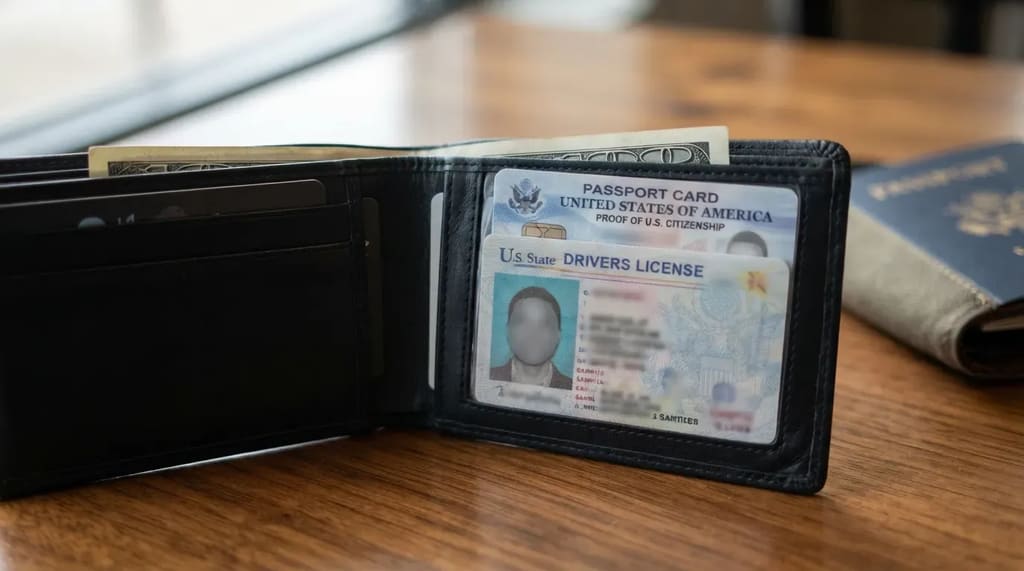
The card is a wallet-sized passport with no visa pages, and the State Department calls it proof of U.S. citizenship and identity. The passport book measures 5 by 3½ inches, so it tends to spend its life in a drawer or a zippered pouch. The card rides behind your license, which makes it the document you actually have when someone asks who you are.
You do not have to pick one over the other. The State Department says you can apply for a card even if you already hold a book, or request both at once. Let the book stay safe in a fireproof box at home while the card does the carrying.
Quick Compare
- Card: credit-card size, lives in your wallet, valid for land and sea entry.
- Book: 5 by 3½ inches, lives in a drawer, valid for international air travel too.
- Both: accepted as proof of citizenship and identity.
Size is the smaller difference between the two documents. The price is the bigger one.
#7 – The $65 Card Sitting Next to a $165 Book
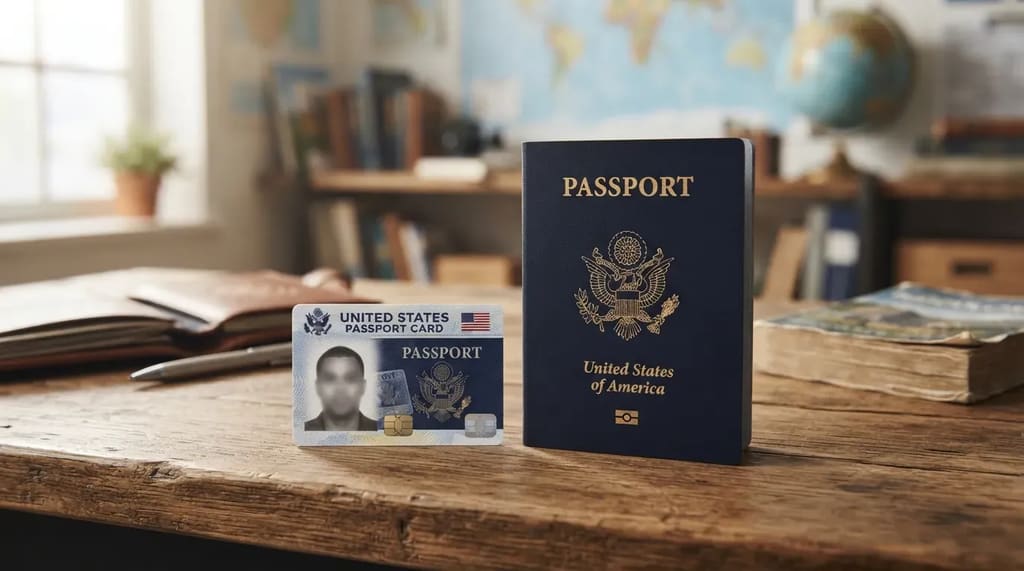
A first-time adult card costs $65, while a first-time adult book costs $165. The card’s total is a $30 application fee plus a $35 acceptance fee.1 The first goes to the State Department, and the second goes to the facility where you submit the application. That is $100 less than the book.
If your trips will all be by car, by ship or inside the U.S., the book is a purchase you can skip. If you want both, put them on a single application. The application fee for a book and card together is $160, plus the single $35 acceptance fee. That comes to $195, against $230 if you buy them separately, a $35 saving the State Department advertises itself.2 Fees change from time to time, so confirm the current amounts at travel.state.gov before you pay.
The price assumes you will stay inside the card’s territory, and that territory is a short list of places.
#6 – The Road Trip to Canada or Mexico It Quietly Covers
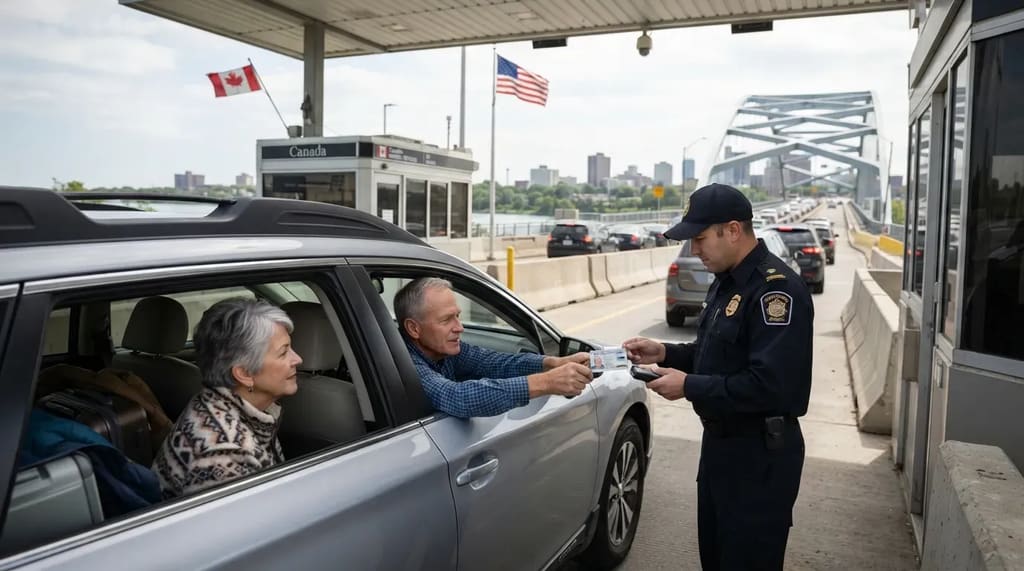
The State Department says the card is for U.S. citizens traveling by land and sea from Canada, Mexico, Bermuda and some Caribbean countries.1 2 If your trips north or south are by car, the card is the document you show to re-enter the U.S. The country you are visiting sets its own entry rules, so look those up before a long drive. The card handles the U.S. side of the paperwork for a fraction of what a book costs.
The wording matters, because “land and sea” is the entire list. The card is not valid for international air travel,1 and that includes a short hop to Toronto or Cancún. If a drive might turn into a flight home because of an illness or a breakdown that ends the trip, carry the book as well. The card will not get you onto that plane.
#5 – The Cruise Ship Gangway It Can Clear (and the Port Where It Can’t Save You)

Sea travel is the other half of what the card was designed for. The State Department lists it as valid for land and sea entry from Canada, Mexico, the Caribbean and Bermuda. That describes a lot of cruise itineraries, and it is why a card can be enough for a short sailing that starts and ends at a U.S. port. Cruise lines also set their own document rules, so read your booking terms before you carry the card alone.
The weak spot is the trip that stops being a cruise. Miss the ship in a foreign port, or leave early for medical reasons, and getting home can mean a flight. The card is not valid for that flight.
Worth Knowing
- A round-trip sailing that begins and ends at the same U.S. port is often called a closed-loop cruise.
- The cruise line’s paperwork rules can be stricter than the government’s, so the booking terms win.
- A flight home from a foreign port calls for the passport book, not the card.
- One or two ports is a card-friendly trip. Many stops is a book-friendly trip.
A card alone is a reasonable choice for a short cruise with one or two ports. On a long voyage with many stops, the extra $100 for the book is cheap insurance. At home, the card’s limits matter far less, and the next stop is the airport, where it helps.
#4 – The TSA Checkpoint Where It Stands In for a REAL ID
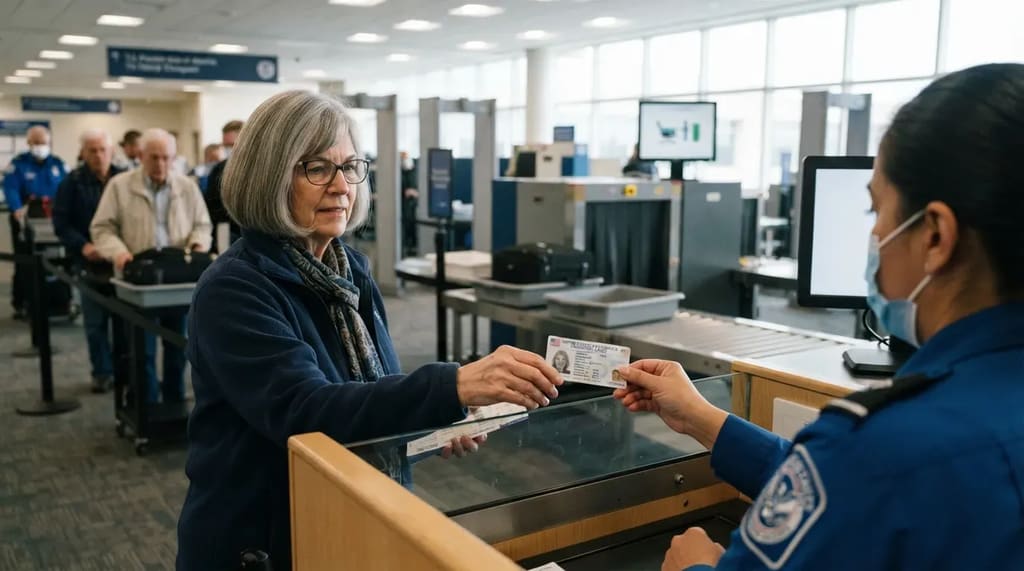
Since May 7, 2025, the TSA has accepted state licenses and ID cards for domestic flights only if they are REAL ID compliant. A passport card is on the list of accepted alternatives. The State Department says both the passport book and the passport card are REAL ID compliant. So if your state license lacks the REAL ID marking, which is usually a star in one corner, the card gets you through the checkpoint instead.3 4
The same logic reaches past the airport. The State Department notes that you must be REAL ID compliant to board domestic flights and to enter certain federal facilities, and the card satisfies that rule. For a traveler who rarely drives and does not want to chase DMV paperwork, it is a sensible alternative to a new license. It does not let you drive, though, so it replaces only part of what a license does.
A card that stands in for your license also has to be renewed on schedule, and that process has changed.
#3 – The Ten-Year Clock That Costs a Quarter of the Book’s Renewal
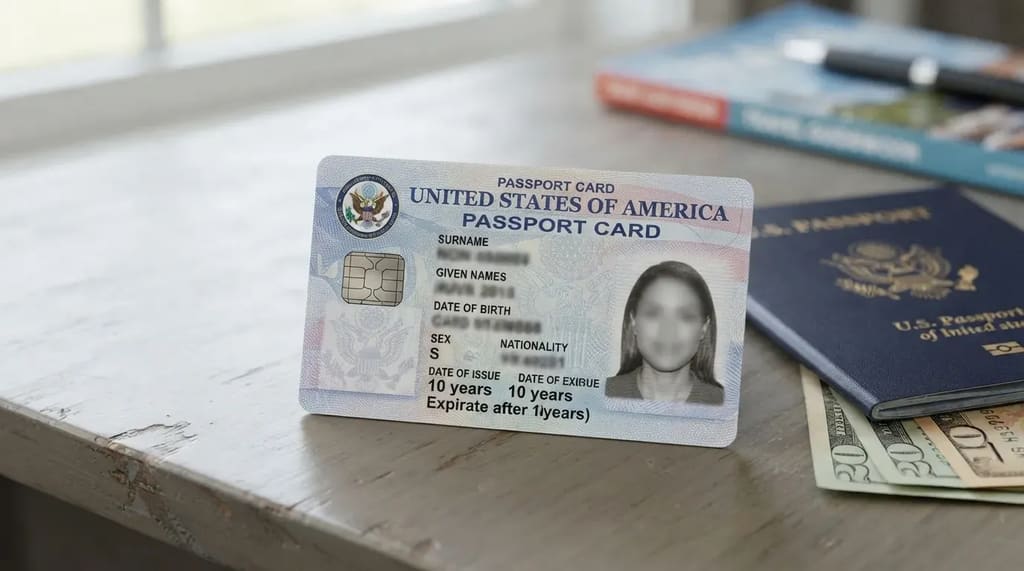
The card is valid for the same length of time as the book, which is 10 years for adults. The State Department’s fee page lists adult card renewal at $30, by mail or online for those who qualify.5 A book renewal costs $130, so the card keeps a ten-year federal ID alive for roughly a quarter of the price. Renewing by mail also skips the $35 acceptance fee, which applies to first-time applicants who apply in person.
Online renewal has conditions. Adults who are 25 or older with an undamaged 10-year passport may qualify through MyTravelGov, and the online route has no expedited option. Eligibility for cards can differ from books, so confirm on the State Department’s portal before you plan around it. Whatever route you choose, start early.
Fast Facts
- Adult cards last 10 years. Cards for children under 16 last 5.
- Adult card renewal: $30. Adult book renewal: $130.
- Mail renewal skips the $35 acceptance fee.
- Online renewal is for undamaged 10-year documents held by adults 25 and older.
Renewal is routine paperwork. The card’s next job has nothing to do with travel: it is a document you can keep for the day another ID goes missing.
#2 – The Spare ID That Beats a $45 Airport Scramble
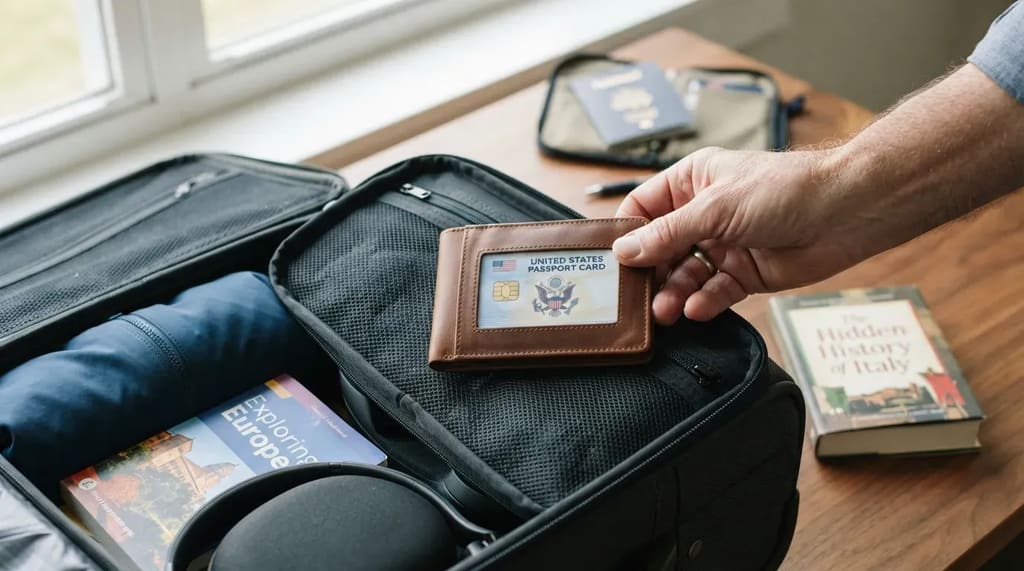
The TSA now has a stopgap for travelers who arrive without acceptable ID. It is a temporary option called TSA Confirm ID, which costs $45 and is good for 10 days. Compare that with a passport card, which is $65 to get the first time and then valid for ten years. If you fly even occasionally, a spare federal ID in a drawer is better protection than hoping your license is in order on the morning of the flight.
A spare only helps if you store it apart from your wallet, because a card in the same wallet disappears with the rest. Keep it with your book or other papers at home, and move it to your carry-on before a trip. The TSA still says travelers without a REAL ID should schedule a DMV appointment as soon as possible, so treat the card as a bridge and not a permanent answer.
Related Stories From Travelbinger

#1 – The Border Lane Where the Passport Book Loses to the Card
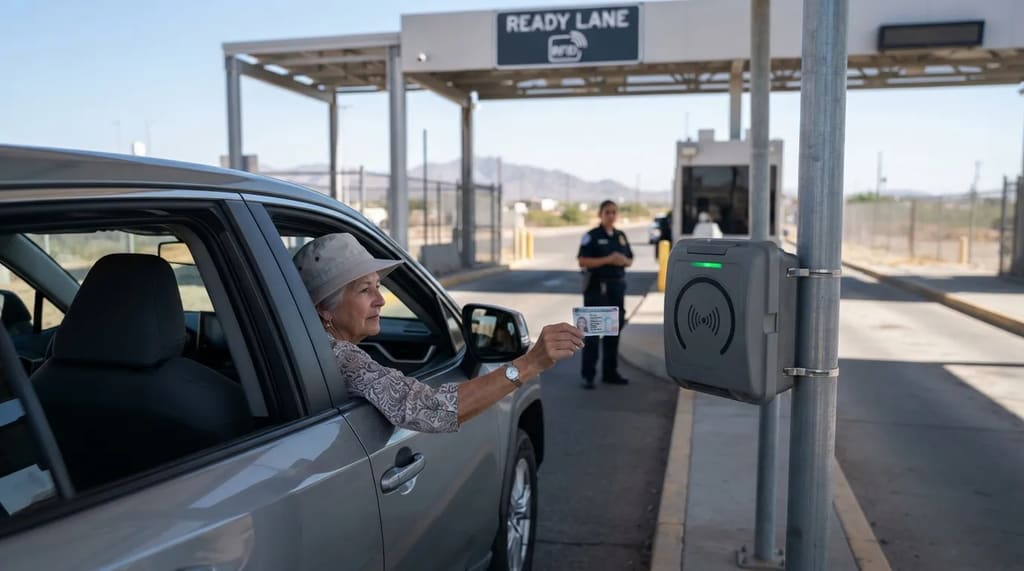
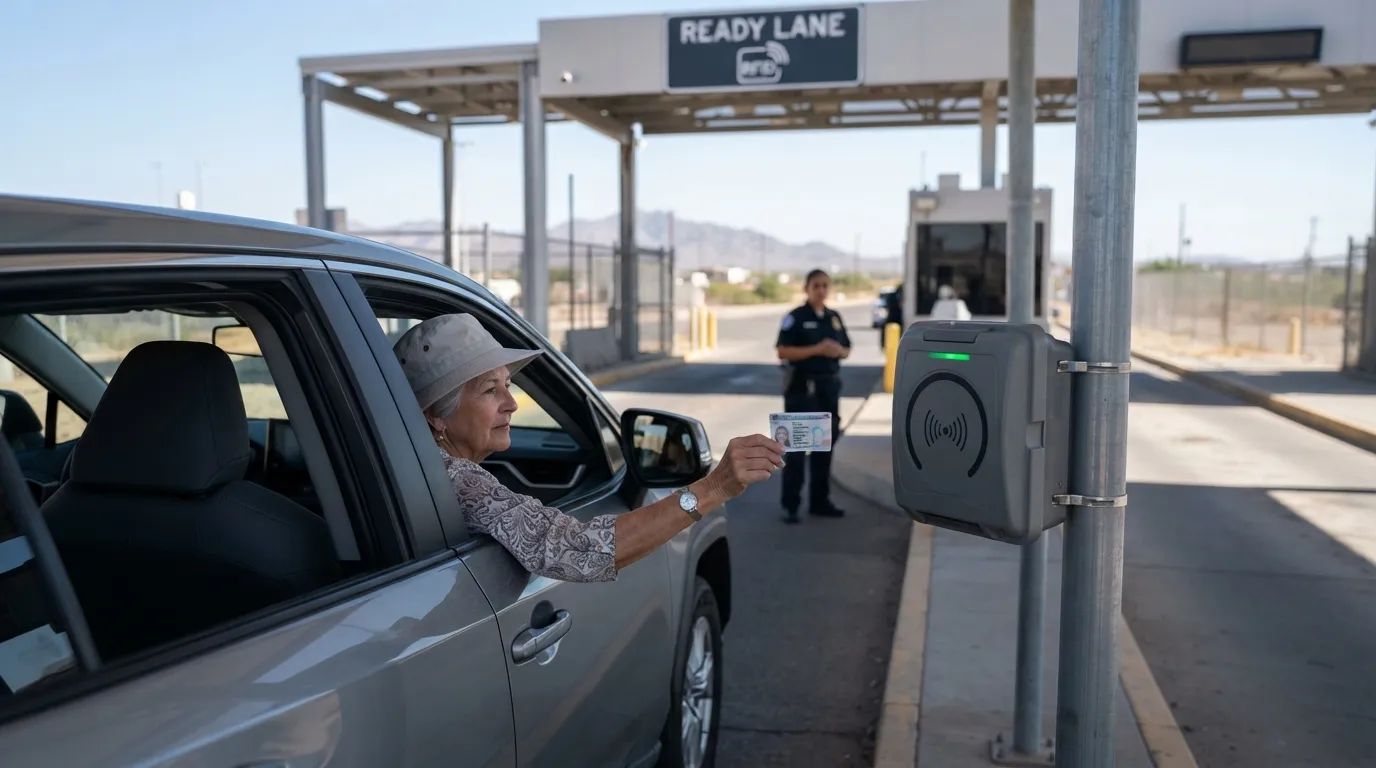
Customs and Border Protection allows travelers with RFID-enabled documents, including U.S. passport cards, to use Ready Lanes at some land crossings. Those lanes have turned up at places like Calexico, California, and the crossings near Hidalgo, Texas.6 Eligible travelers hold their cards up to the in-lane readers before pulling forward to the officer.7 The RFID technology lets CBP officers receive traveler information faster, which is why the lane can move quicker than the general one.
The surprise is what is missing from the eligible list. Standard passport books are not accepted in Ready Lanes because they do not contain the required RFID chip. A plain plastic card that costs far less does something at that lane that the full book cannot. REAL ID licenses are not Ready Lane documents either.6
Why It Stands Out
- The card’s RFID chip is read at the in-lane reader before you reach the officer.
- The pricier passport book is not accepted in Ready Lanes.
- A first-time card costs $100 less than a first-time book.
- It slides into the same wallet slot as your license.
Ready Lane rules generally require everyone in the vehicle to hold an approved RFID document, so check CBP’s current rules for children before you count on it.7 If you drive across from Mexico even a few times a year, the card can be worth more than its price. Not every crossing has a Ready Lane, so check CBP’s wait-time page for the one you use.
The card’s reputation comes from the one thing it cannot do. Its value comes from the places it works: a car crossing, a ship’s gangway, a TSA checkpoint and a Ready Lane.
For plenty of trips, the little card is the one that does the work while the big book stays home in the drawer.
- State Department Passport Fees October 2026: https://travel.state.gov/content/dam/tsg_aem/passports/documents/forms-fees/Passport_Fees_OCT_2026.pdf
- State Department Book and Card Comparison: https://travel.state.gov/content/dam/passports/forms-fees/PPT%20Book%20and%20Card%20Comparison_2025%20REV%20AF%20v2%201.pdf
- TSA REAL ID: https://www.tsa.gov/realid
- TSA Identification Requirements Guide: https://fedlaws.org/tsa-identification-requirements-real-id-and-mobile-licenses/
- Passport Fees Page: https://travel.state.gov/content/travel/en/passports/how-apply/fees.html?os=ioxa42gdubaevcroa6
- CBP Calexico Ready Lanes: https://www.cbp.gov/newsroom/local-media-release/cbp-introducing-dedicated-ready-lanes-calexico-west-port-entry
- CBP Ready Lanes: https://www.cbp.gov/travel/clearing-customs/ready-lanes