Packing for a trip usually means checking the weather forecast, not the local penal code. Yet in a handful of countries, what you wear the moment you step off the plane can affect how smoothly your visit goes, whether that means avoiding a polite correction from a guard at a temple gate or steering clear of a genuine legal issue. The rules vary wildly in tone and severity, from gentle cultural expectations to codified public decency laws, and knowing the difference before you land makes all the difference.
1. Saudi Arabia
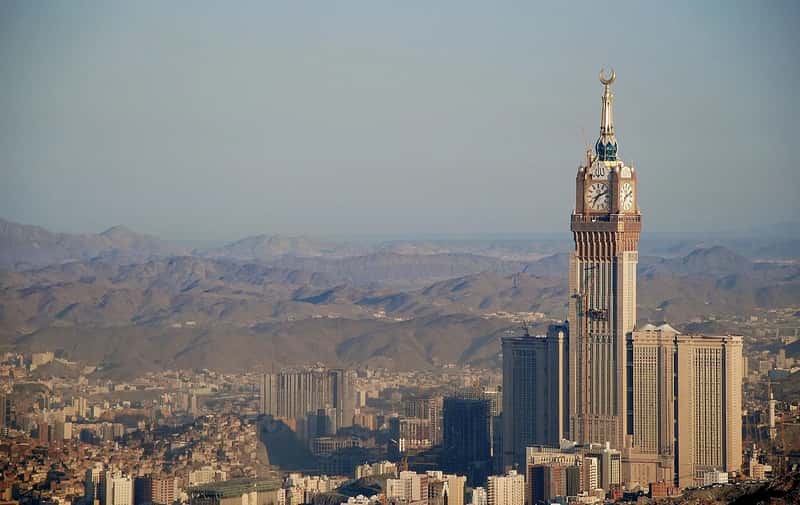
Saudi Arabia has moved a long way from the days when religious police monitored women’s clothing on the street. A country that once deployed religious police to enforce strict dress codes now welcomes millions of international tourists each year, having scrapped the mandatory abaya requirement for foreign women in 2019 and replaced rigid enforcement with a principles-based Public Decorum Code. That said, relaxed does not mean anything goes, and visitors still need to think about what they wear depending on where they are.
The Kingdom has issued a public decency regulation, which sets some general guidelines for visitors, such as adhering to modest clothing that covers the knees and elbows. Fine dining venues expect smarter attire too, since upscale dining venues in Riyadh and Jeddah increasingly expect smart-casual dress, closed-toe shoes, collared shirts for men, and elegant attire for women, with shorts generally not acceptable at fine-dining establishments regardless of gender. Hotel pools remain an exception, where pool areas allow standard swimwear for both men and women.
2. Iran
Iran’s hijab law remains one of the most talked about dress requirements for travelers anywhere in the world, and it applies to every woman who steps off the plane. The Islamic dress code, or hijab, is legally required for all women in Iran, including foreign tourists, from age nine, and understanding these requirements helps visitors avoid unwanted attention. In practice, this means a headscarf, loose long sleeves, and trousers or a long skirt that covers the legs.
Enforcement has become noticeably less rigid for foreigners than it once was. The rules are somewhat more lenient for tourists, and allowances are made for their unfamiliarity with the practice. Even so, the legal framework itself has not disappeared, and lawmakers have actually debated tightening penalties in recent years, since a bill that would impose tougher penalties on women who refuse to wear the mandatory hijab has stirred a heated debate in Iran more than two years since nationwide protests erupted in part over the dress code. Men have it easier, but should still avoid shorts and sleeveless tops in public.
3. United Arab Emirates
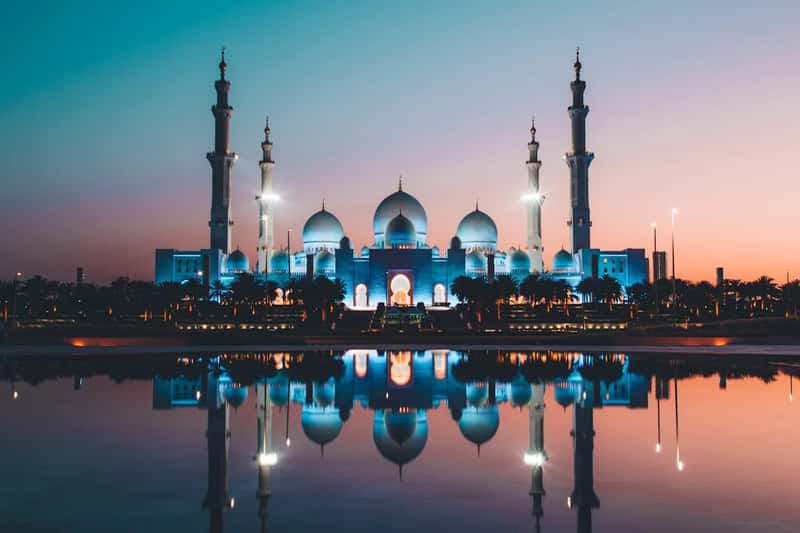
The UAE often gets described as the relaxed face of the Gulf, and in many ways it is, but public decency rules still shape what visitors should wear. Dubai has no formal dress code law, but the UAE Government Portal asks visitors to dress modestly in public spaces, particularly malls, mosques, and heritage areas. The legal backbone behind this expectation is broader than a simple clothing rule.
These guidelines operate under the broader framework of the UAE Penal Code’s public decency provisions, and Article 358 of the Federal Penal Code makes it an offence to commit a flagrant indecent act that violates public decency, carrying a minimum penalty of six months’ detention. Rules can also shift depending on which emirate you are in, since while the federal public decency law applies uniformly, individual emirates differ significantly in local enforcement and cultural expectations, and visitors who stay exclusively in Dubai’s tourist areas rarely encounter issues. Mosques are stricter still, and female travellers must wear abayas or head coverings when visiting mosques out of respect for Islamic regulations.
4. Bhutan

Bhutan does not force tourists into traditional dress, but the country takes its own national attire seriously in official and sacred spaces. The mandatory use of traditional dress in schools, government institutions, and official functions helps reinforce a shared sense of belonging and respect for cultural values. That expectation extends into how visitors are asked to behave at religious sites.
Travelers are not required to don the gho or kira themselves, but the dress standard at temples and fortresses is firm regardless. Visitors must be dressed modestly, with long sleeves and trousers or skirts that cover the body fully, or alternatively they may choose to wear Bhutanese national dress, the gho for men and the kira for women. Nobody hands out spare clothing at the entrance either, so no attire is provided at the gate, so visitors should come prepared. Bhutanese officials, meanwhile, wear rank openly on their shoulders, since the ceremonial kabney scarf’s color signals status within government.
5. India
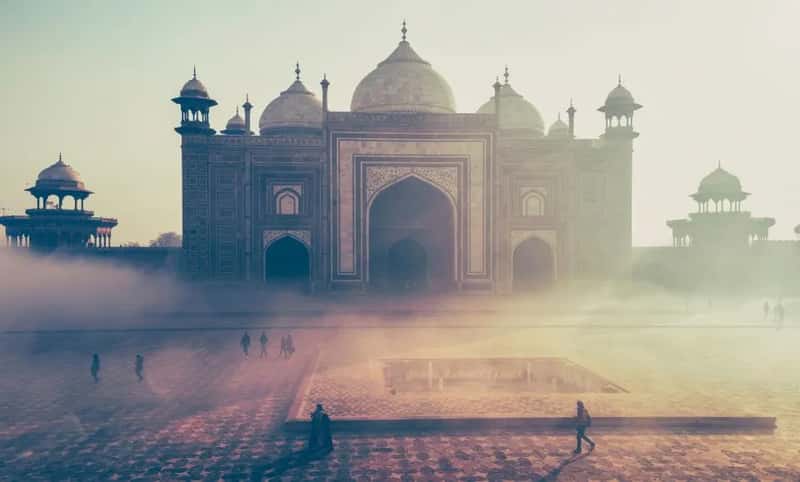
India does not have a single national dress law for tourists, but individual temples and shrines enforce their own strict modesty rules, and these are taken seriously by staff on the ground. Shoulders, knees, and often the entire leg need to be covered before entering most Hindu temples, and shoes come off well before the inner sanctum. Some of the older and more conservative temples in states like Kerala and Tamil Nadu ask men to remove shirts entirely or wear a traditional dhoti, a custom rooted in temple tradition rather than modern tourism guidelines.
Sikh gurdwaras add their own requirement on top of general modesty, since covering the head is mandatory for everyone regardless of gender or religion, and scarves are typically available at the entrance for visitors who arrive without one. Mosques across India follow familiar rules too, with women expected to cover hair, arms, and legs. None of this is codified into national law, but ignoring it at a working religious site can mean being turned away at the door.
6. Sri Lanka

Sri Lanka’s Buddhist temples and sacred sites are famously particular about how visitors present themselves, and this is not a soft suggestion. Shoulders and knees must be covered at places like the Temple of the Sacred Tooth Relic in Kandy and the ancient rock fortress of Sigiriya, and shorts, sleeveless tops, and short skirts routinely lead to a refusal of entry. Hats and sunglasses also come off out of respect once inside temple grounds, and shoes are removed before stepping onto sacred stone.
Photographing yourself in a way that appears disrespectful toward a Buddha statue, including turning your back to one for a photo, has led to real legal trouble for tourists in the past, since Sri Lankan law treats disrespect toward Buddhist imagery seriously. Beachwear is fine on the coast, but wandering into a town or temple in swim gear draws immediate attention. Visitors who pack a light scarf or sarong for temple visits tend to avoid most friction entirely.
7. Indonesia (Aceh Province)
Indonesia as a whole is fairly relaxed about tourist clothing, but Aceh province on the northern tip of Sumatra operates under its own version of Sharia law, a special autonomy granted after the region’s long conflict with Jakarta. Women, including foreign visitors, are expected to wear a headscarf and modest clothing covering the arms and legs while in Aceh, and this expectation is enforced more consistently there than almost anywhere else in the country. Local Sharia police, known as Wilayatul Hisbah, have historically monitored public dress and behavior in the province.
Outside Aceh, across Bali, Java, and most of the archipelago, dress expectations loosen considerably and follow general modesty norms rather than legal codes. Mosque visits anywhere in Indonesia still call for covered arms, legs, and hair for women, with robes often available for rent at the entrance. The contrast between Aceh and the rest of the country catches many travelers off guard if they assume the same rules apply nationwide.
8. Malaysia
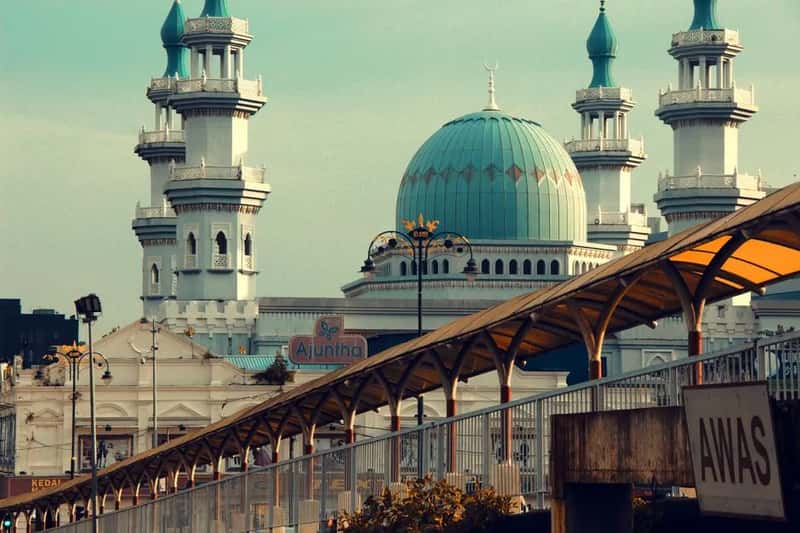
Malaysia presents a mixed picture depending on which state you visit, since it is a federation where individual states hold varying degrees of religious authority. The more conservative east coast states of Kelantan and Terengganu apply stricter social expectations around modest dress in public than cosmopolitan Kuala Lumpur, where shopping malls and business districts feel far more relaxed. Mosques across the country, including the well known National Mosque in Kuala Lumpur, require covered arms, legs, and hair for women, and robes are typically loaned at the door for visitors who arrive unprepared.
Beaches on islands like Langkawi and Penang allow standard swimwear without issue, which shows how localized these expectations really are rather than being one uniform national rule. Government buildings and formal cultural sites generally expect covered shoulders and knees for both men and women. Travelers moving between states within a single trip sometimes need to adjust their wardrobe more than once along the way.
9. Vatican City
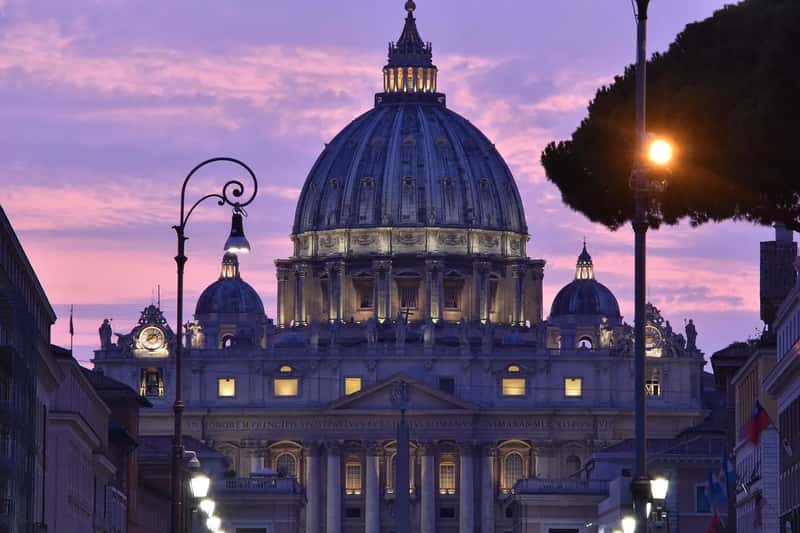
The Vatican enforces one of the most consistently applied dress rules of any tourist site in the world, and it is checked at the door rather than left to individual judgment. St. Peter’s Basilica and the Vatican Museums both require shoulders and knees to be covered for every visitor, regardless of gender, and staff at the entrance routinely turn away anyone in shorts, sleeveless tops, or short skirts. This rule holds through the height of a Roman summer, when temperatures make covered clothing genuinely uncomfortable, and there is little flexibility offered for weather.
Hats are also expected to come off for men once inside the basilica, following long standing church custom. Vendors near the entrance sell inexpensive scarves and wraps specifically because so many tourists arrive underprepared, which says something about how often this catches visitors by surprise. Unlike some destinations where enforcement is inconsistent, the Vatican’s checkpoint style screening is applied to essentially every visitor without exception.
10. Qatar
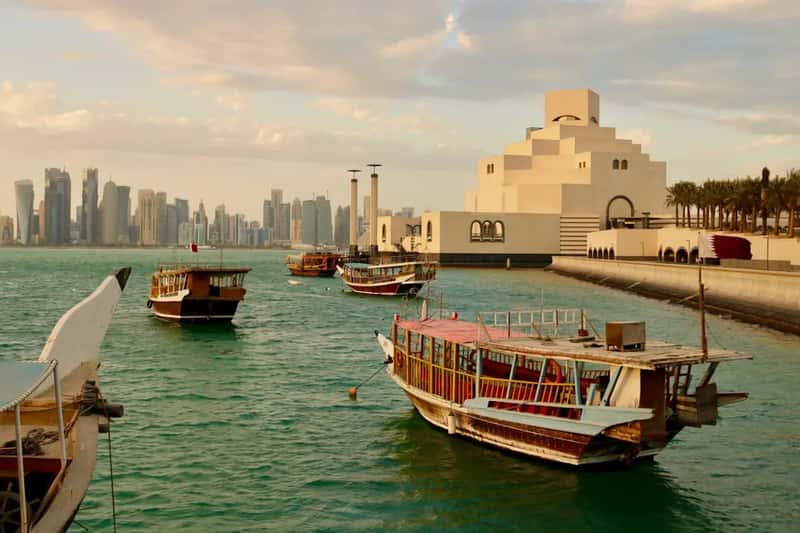
Qatar built much of its modern tourism strategy around hosting the 2022 World Cup, but its expectations around modest dress in public did not disappear once the tournament ended. Government campaigns in Doha have historically asked visitors, both men and women, to cover shoulders and knees in public spaces, shopping malls, and government buildings, a request that is more culturally enforced than criminally punished for casual tourists. Souq Waqif and other traditional markets tend to see this expectation applied more visibly than glass fronted malls in West Bay.
Mosques carry stricter standards still, with women expected to cover hair, arms, and legs fully, and the Education City Mosque and others often provide abayas for visitors who need one. Beach clubs and hotel pools operate under looser norms similar to much of the rest of the Gulf, allowing standard swimwear within those specific boundaries. As with several of its neighbors, the line between formal law and cultural expectation in Qatar is not always obvious to first time visitors, which is exactly why it pays to check before packing.
Taken together, these ten countries show just how differently the idea of a dress code can be interpreted, from a legally binding requirement written into a penal code to an unwritten expectation enforced mainly through polite correction or a raised eyebrow at a temple gate. Some rules soften considerably once tourists are involved, while others remain firm no matter who is standing at the entrance. A little research before departure, and perhaps a spare scarf or long sleeve shirt packed near the top of the bag, tends to smooth over most situations a traveler is likely to encounter.