

In Florida, turning 65 saves a resident the cost of a fishing license and saves a visitor nothing. That one gap in residency status runs underneath plates, property taxes and condo fees, and these 14 rules show where it bites.
Miss one date or form, and a winter in the sun can arrive with a bill you never budgeted for. The countdown ends with a condo rule that changes how a winter home’s monthly costs are built, and it carries the biggest dollar stakes on the list.
First, the smallest surprise, which comes with a fishing rod.
#14 – The Fishing License Seniors Can’t Skip
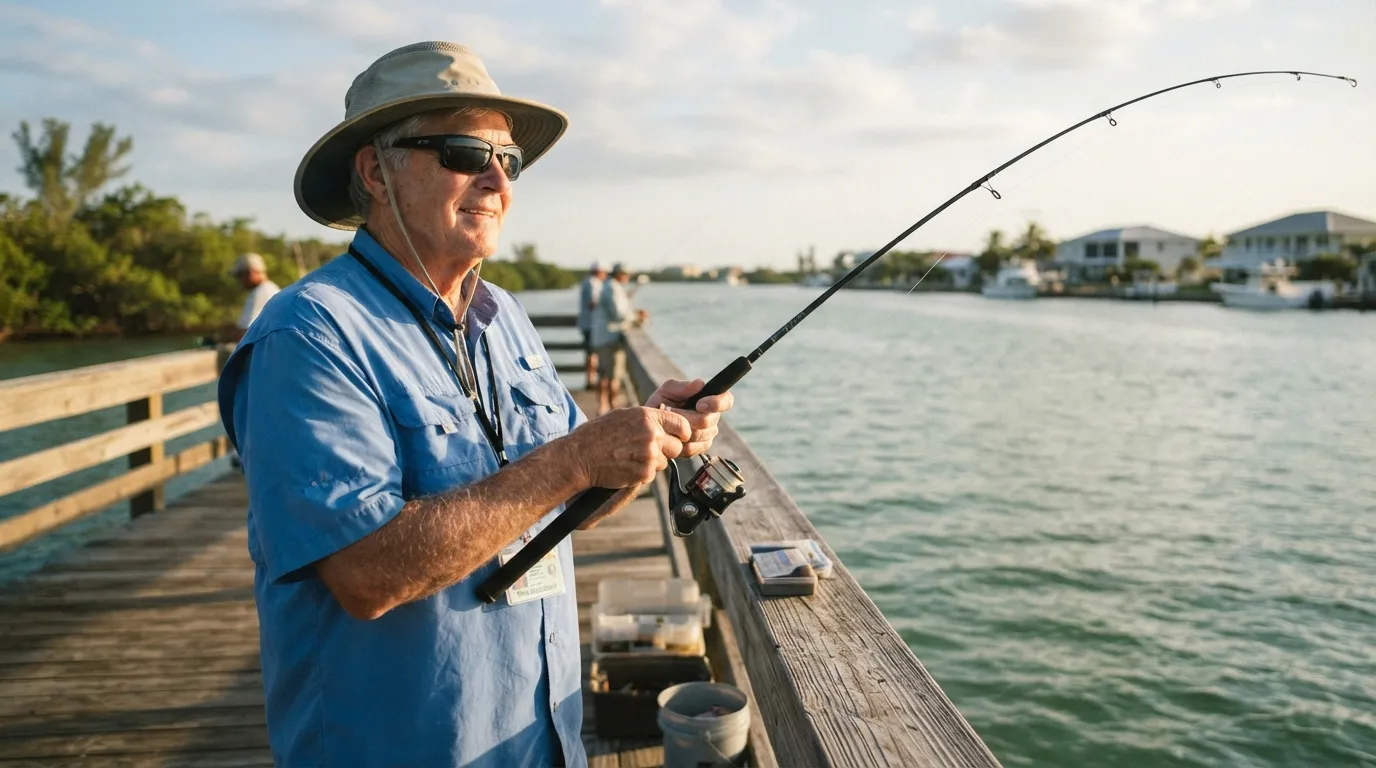
Florida’s free-fishing perk for anglers 65 and older belongs to residents only. Non-Florida residents must buy a license regardless of age, so a visiting 70-year-old still needs a Florida fishing license.
Nonresidents can choose a 3-day, 7-day or annual saltwater license, and the cheapest choice depends on how many weeks you’ll fish. Even catch-and-release counts, because casting a line is treated as attempting to take fish.
The road has its own surprises, and the first one arrives with a tow truck and its lights flashing.
#13 – Flashing Lights on the Shoulder
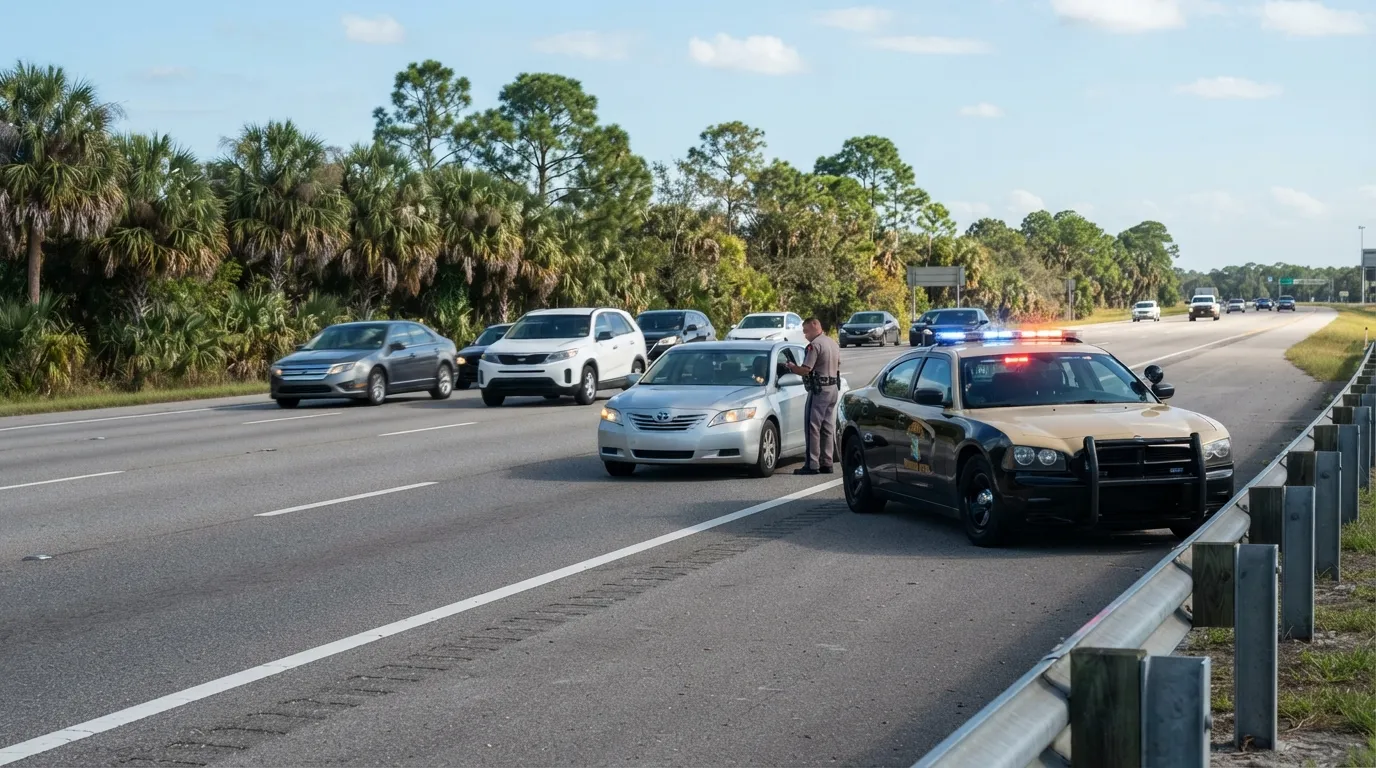
Every state has some version of a move-over law, but the details differ, so a habit built at home may not match Florida’s. Here, stopped emergency vehicles, tow trucks and utility vehicles with lights flashing put a duty on you as the driver.
When it’s safe, change lanes away from the vehicle. If you can’t move over, slow well below the speed limit.
Next comes a rule that turns a quick glance at your phone into a traffic stop.
#12 – The Phone in Your Hand

Florida can pull you over for texting while driving, and no other violation is needed first. Handheld phone use is also banned in school zones and active work zones, though hands-free calling remains legal.1
A rule your home state enforces only after another violation may be enforced on its own here. Texting alone is enough reason for a stop.2
Even a spotless drive can cost you money without a ticket, because many Florida highways have no toll booth to stop at.
#11 – Toll Bills That Chase Your Old Mailbox
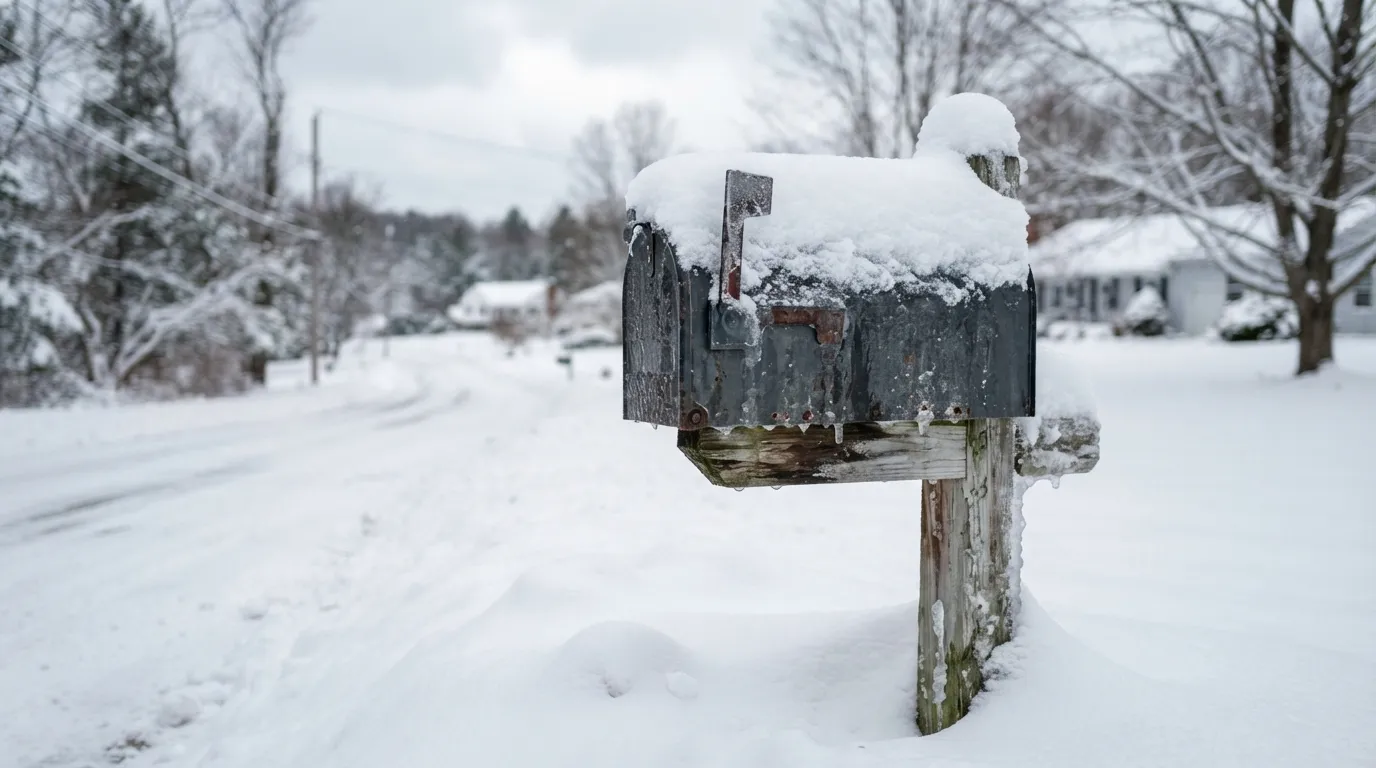
Many Florida toll roads are all-electronic, so there’s no booth and no basket. Cameras read your plate, and the bill goes to the address attached to the registration.
For a snowbird, that address is often the northern home you left in the fall. A notice can sit in a mailbox for weeks, and late notices can add fees.
Make sure toll bills reach you while you’re in Florida.
Fast Facts
- Many Florida toll roads have no booths and no cash lanes.
- Cameras read your license plate.
- The bill follows the address on your registration.
- Late notices can add fees.
Your insurance card faces its own test here, and it starts with a policy written for a different state.
#10 – Florida’s Thin Insurance Minimums
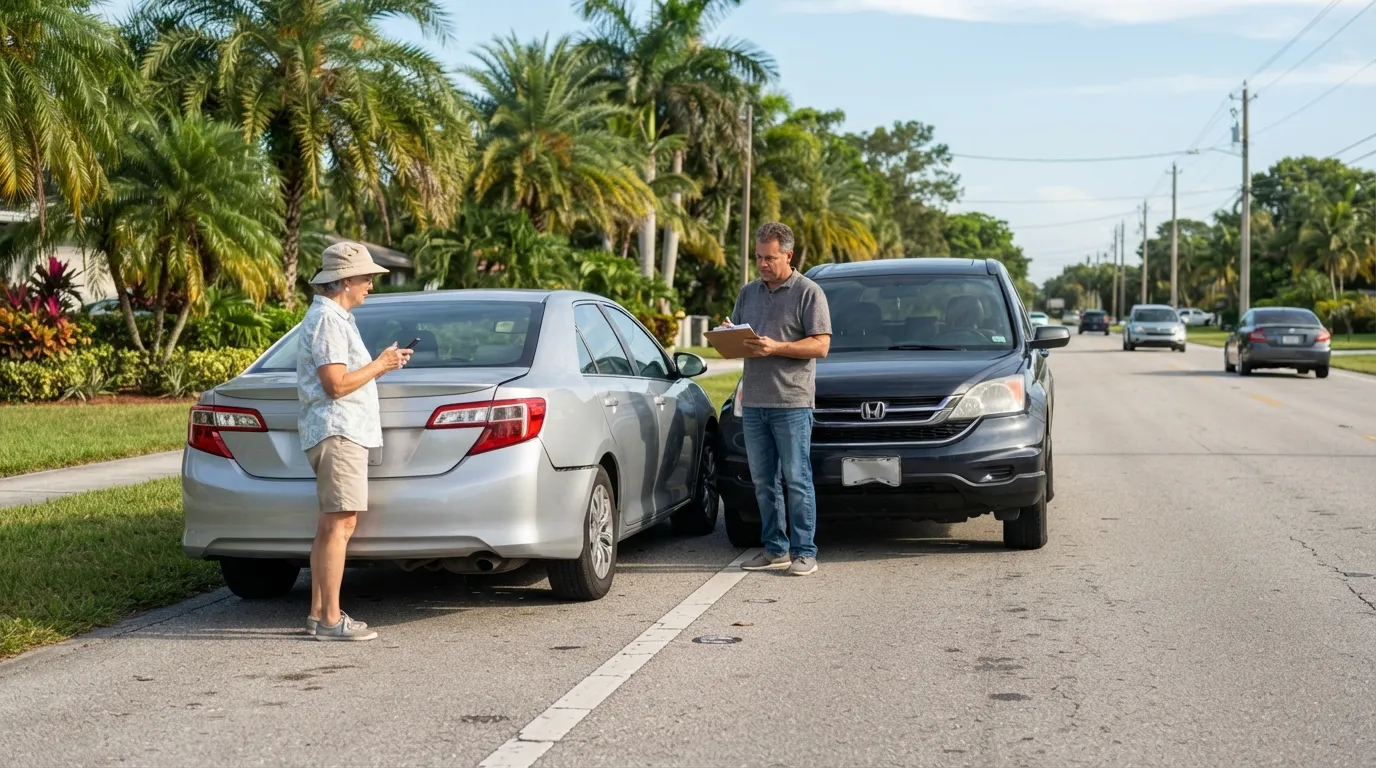
Florida is a no-fault state, so your own policy pays first for many injuries after a crash. The state minimums are $10,000 in personal injury protection and $10,000 in property damage liability, and bodily injury liability isn’t required for most drivers.
Those figures are floors, and a serious crash can blow right past them. My view is that a minimum-limits policy shouldn’t be your plan, whichever state wrote it.
Insurance is one piece of paperwork that proves where you live, and newcomers face two short deadlines that snowbirds aren’t supposed to trigger.
#9 – The 10-Day and 30-Day Clocks
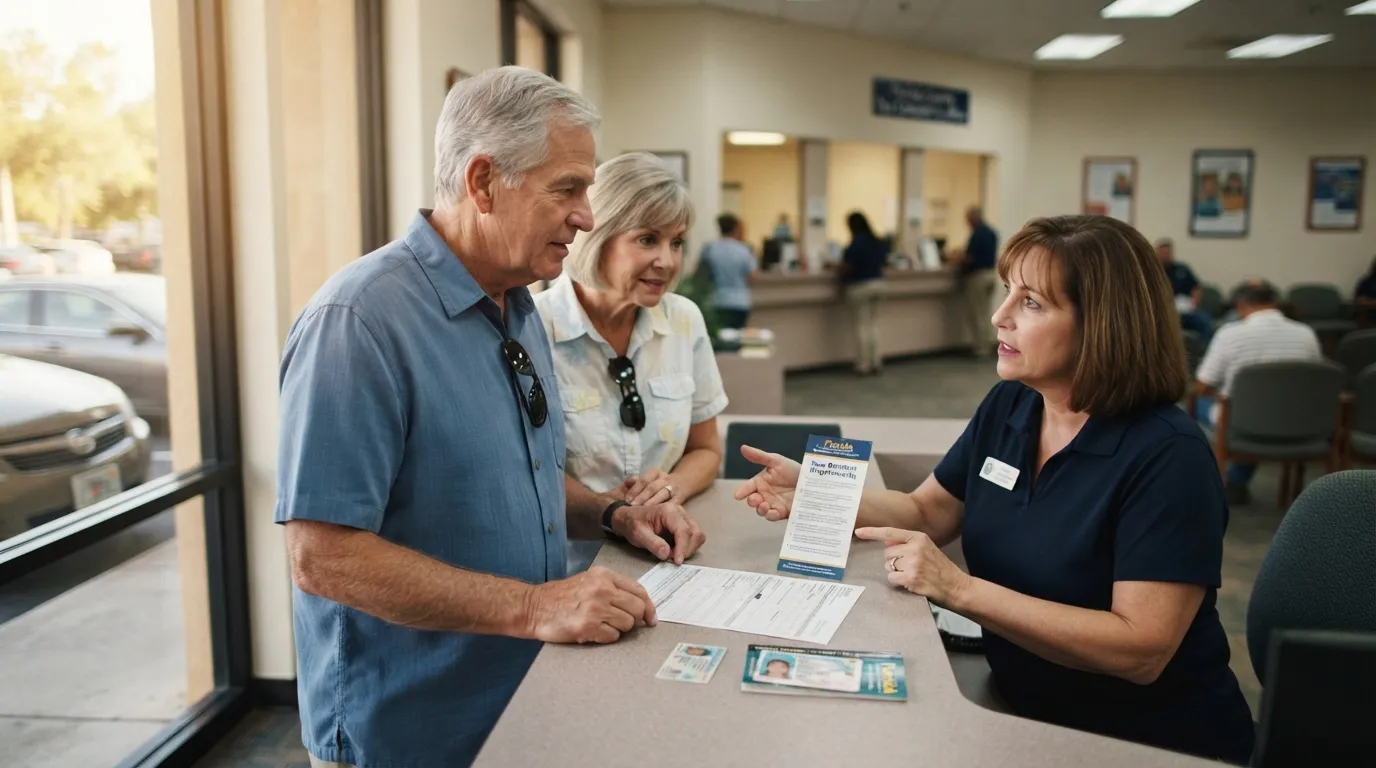
Florida gives new residents short windows. If you are permanently moving to Florida, you need to update your vehicle registration within 10 days, and the driver’s license deadline is 30 days from establishing residency.3
The clocks start when Florida becomes your legal home, not when you arrive. If you keep a primary residence elsewhere, you are technically not a Florida resident and the 30-day rule doesn’t apply.
One case draws questions: a vehicle that stays in Florida year-round, even while you’re back home. Ask your county tax collector about your situation before you assume your home-state plates are enough.
At a Glance
- Vehicle registration: within 10 days of permanently moving to Florida.
- Driver’s license: 30 days from establishing residency.
- The trigger: Florida becoming your legal home, not a winter visit.
- The exception: a primary residence elsewhere keeps the 30-day rule from applying.
How you prove “legal home” matters more than the calendar, and it shows up at the ballot box and the license office.
#8 – Three Documents, One Story
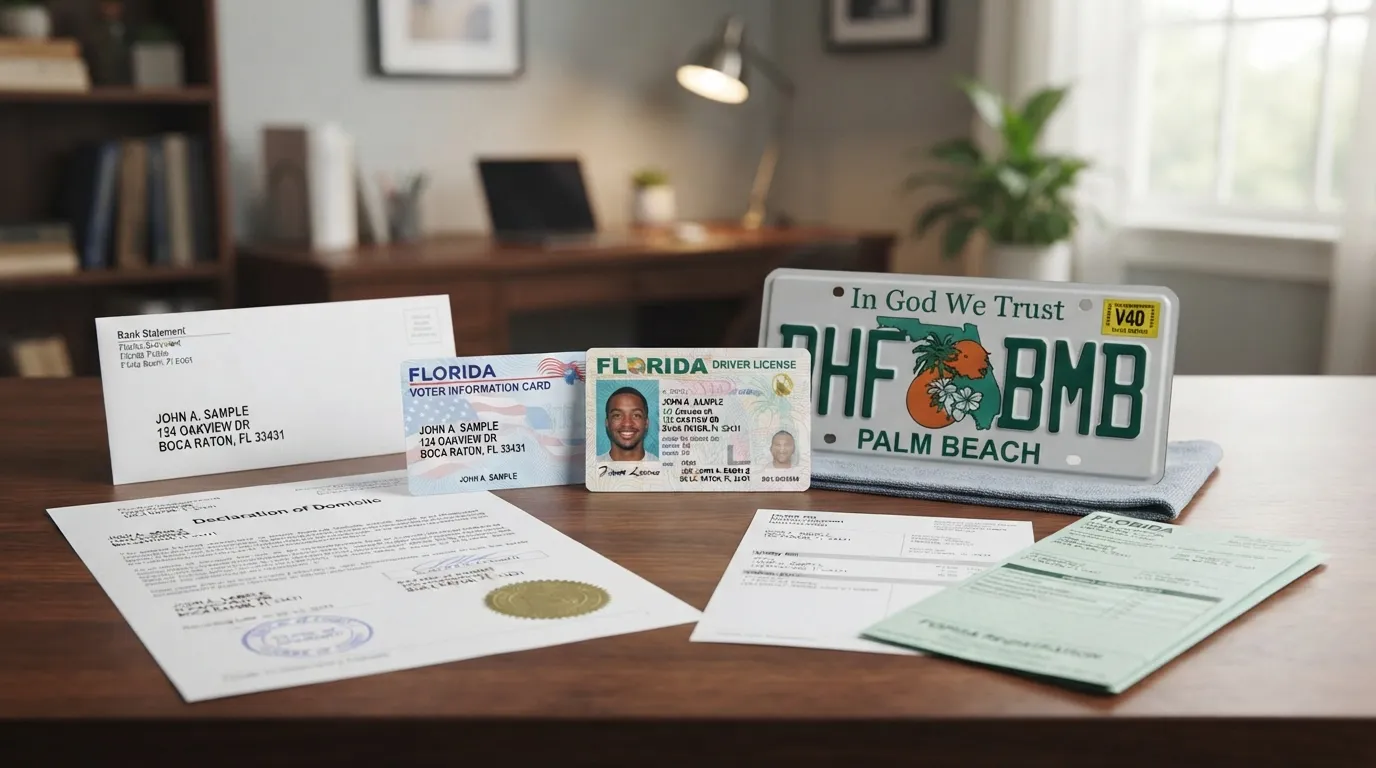
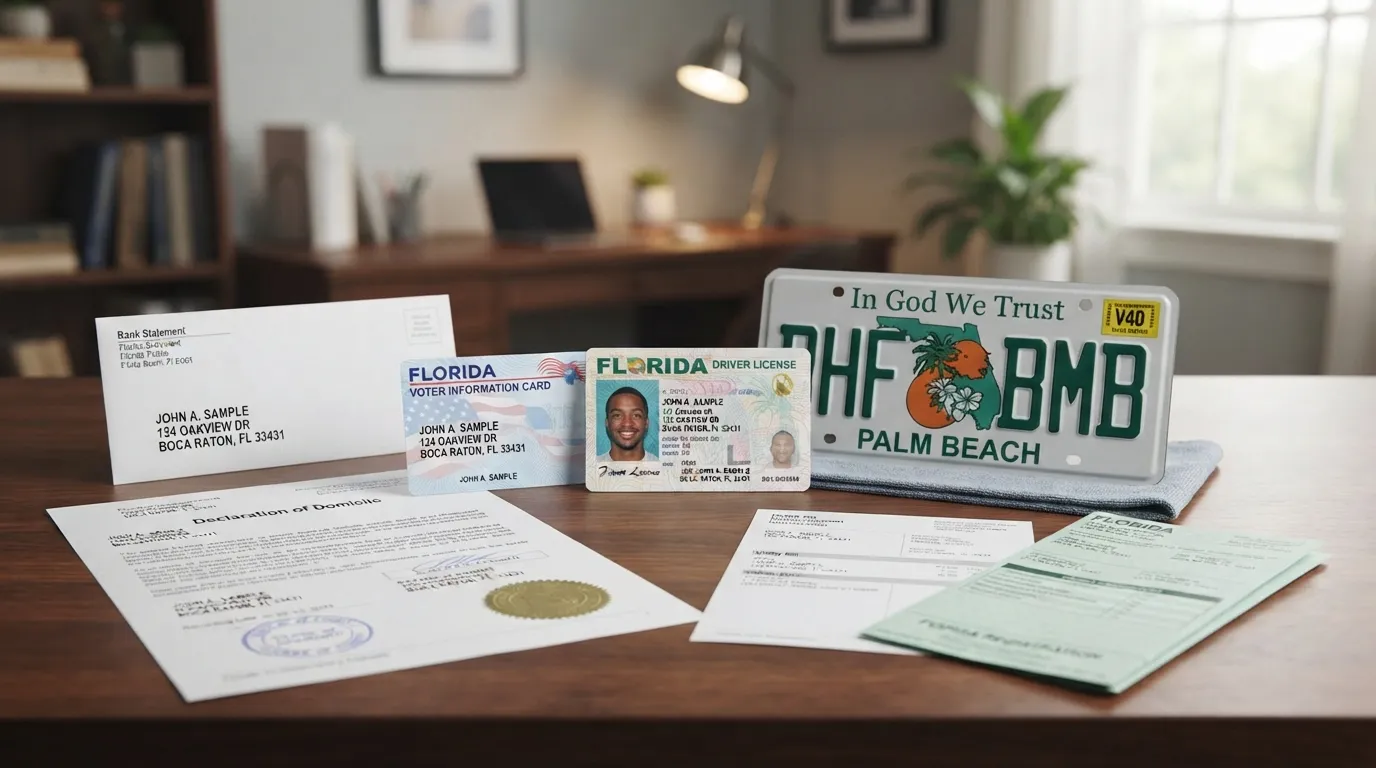
A voter card, a driver license and a license plate each say something about where you live. Many snowbirds keep their license and voter registration in their home state while following Florida’s car rules.
If Florida is your home, make that true on every document. A Declaration of Domicile under section 222.17, Florida Statutes, is recorded with the clerk of court and swears Florida is your permanent home.
Pick one legal home and make every document agree.
Once Florida is your declared home, the big payoff comes on the property tax bill. But first, look at what happens to that bill when a winter home changes hands.
#7 – The Tax Bill That Resets After a Sale
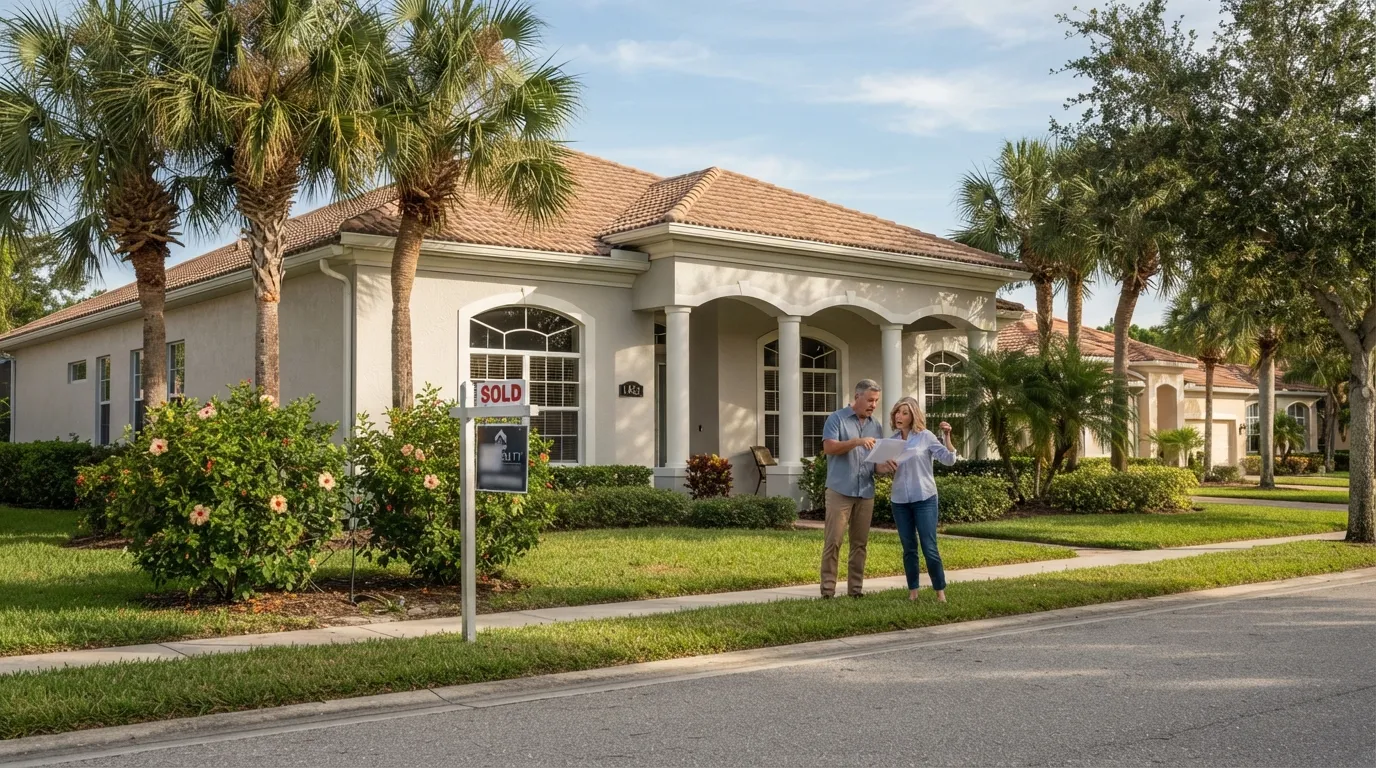
Never budget from the seller’s tax bill. The Save Our Homes cap limits annual assessment increases on a homestead to three percent or the rate of inflation, whichever is lower.4
That protection is tied to the person who earned it, so a new owner starts from the property’s current assessed value. A second home that isn’t a homestead has a different cap, generally 10 percent a year, which makes the seller’s old bill a poor guide.
Quick Compare
- Homestead: yearly increase capped at 3% or inflation, whichever is lower.
- Non-homestead second home: cap generally 10% a year.
- New buyer: starts from the current assessed value, not the seller’s.
The break the seller was getting has strict qualifications, and a winter home fails the first one.
#6 – Why a Winter Home Isn’t a Homestead
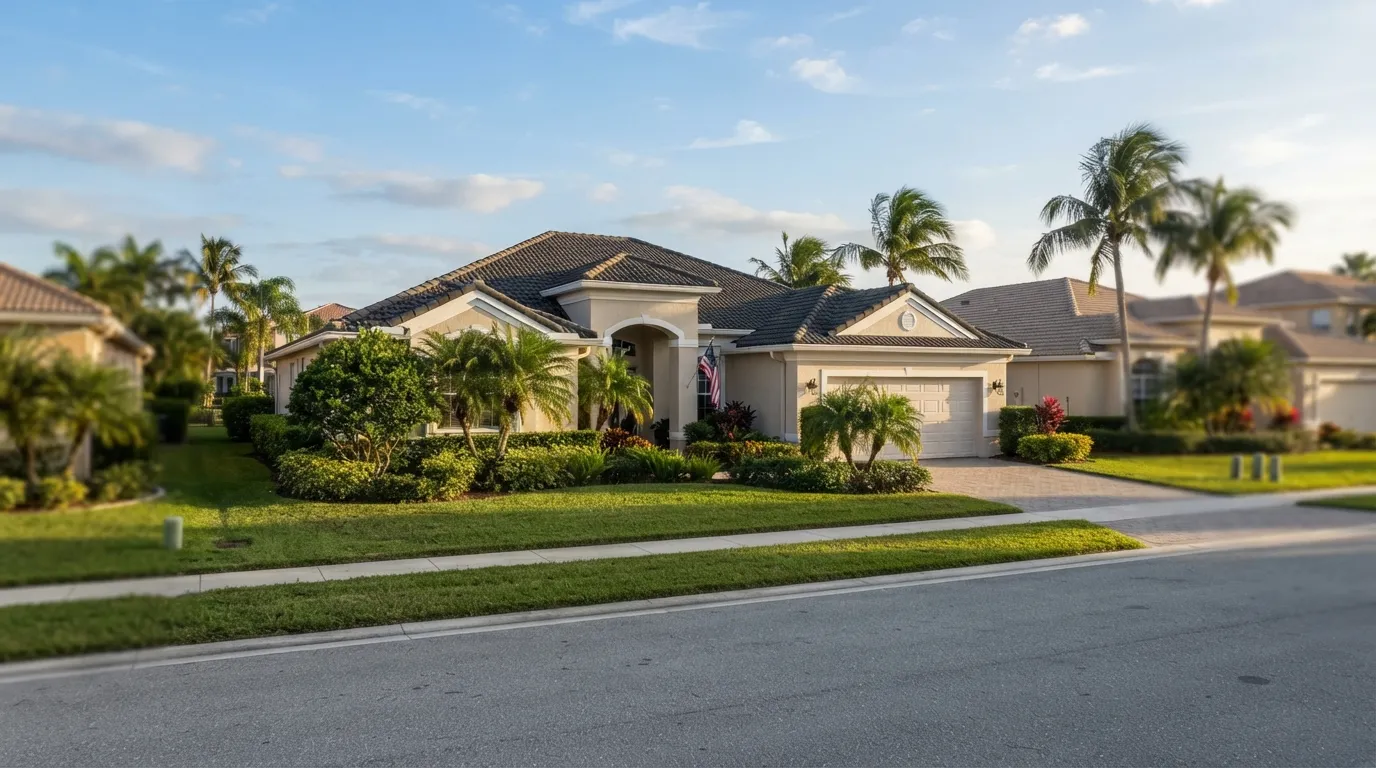
Owning a Florida home for months at a time earns no homestead exemption. The Palm Beach County Property Appraiser says you must, as of January 1, be a permanent Florida resident, hold title and make the property your permanent residence.4
A seasonal or vacation home doesn’t qualify, regardless of how many months you spend there. The Florida Department of Revenue’s application describes an exemption of up to $50,000 off assessed value, so the exemption is reserved for your one permanent home.
Qualifying is half the job, and the other half has a date that Florida treats as a waiver, not a suggestion.
#5 – March 1 Is a Hard Stop
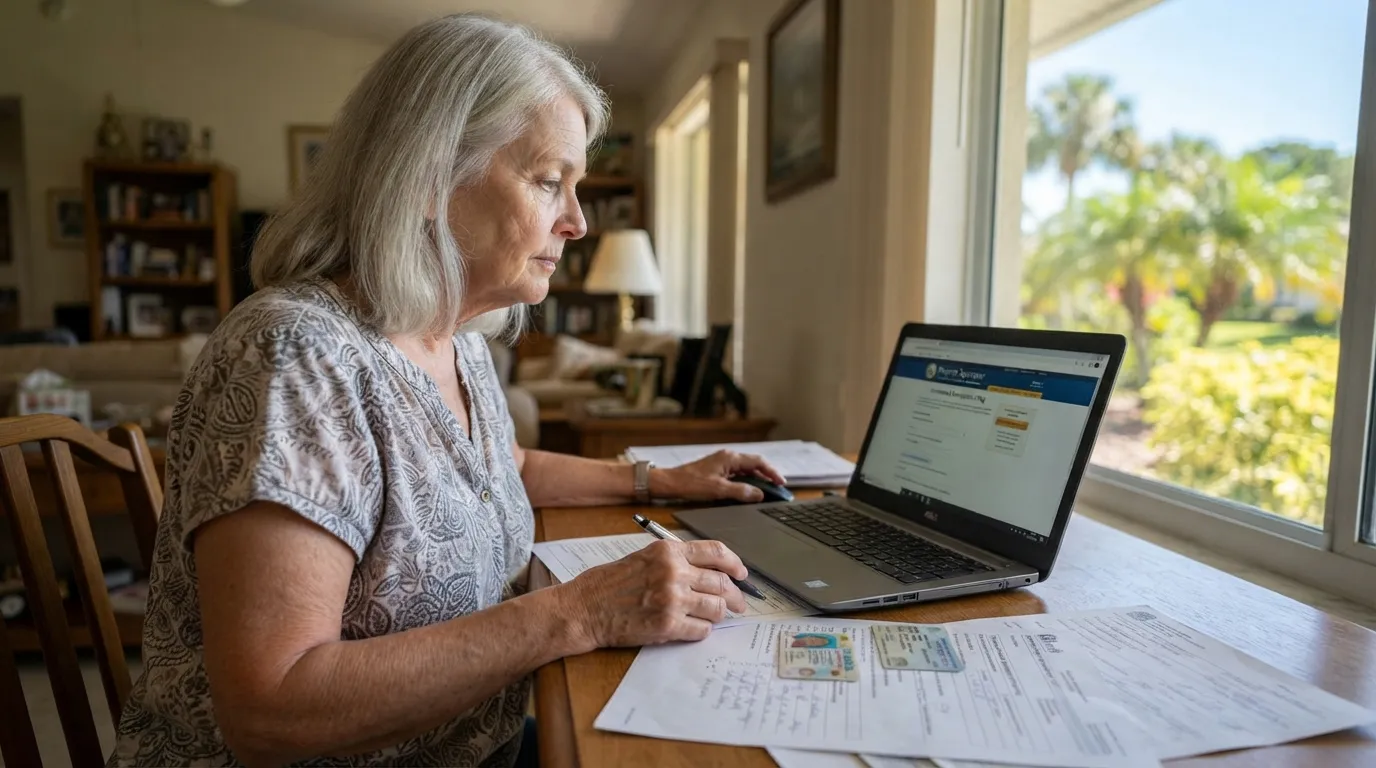
Applications must be eligible as of January 1 and submitted by March 1 of the year the benefit applies. Miss March 1, and the exemption is waived for that year.4
The January 1 date is a single-day snapshot, so a spring move can’t rescue the current year. Buy in February, and you can’t claim the exemption until the following January 1.
Eligibility is judged on January 1, and the filing closes March 1.
Meeting the date isn’t enough if another state still pays you a residency perk, a conflict that can catch people leaving places like New York.
#4 – The Perk Up North That Cancels Your Claim
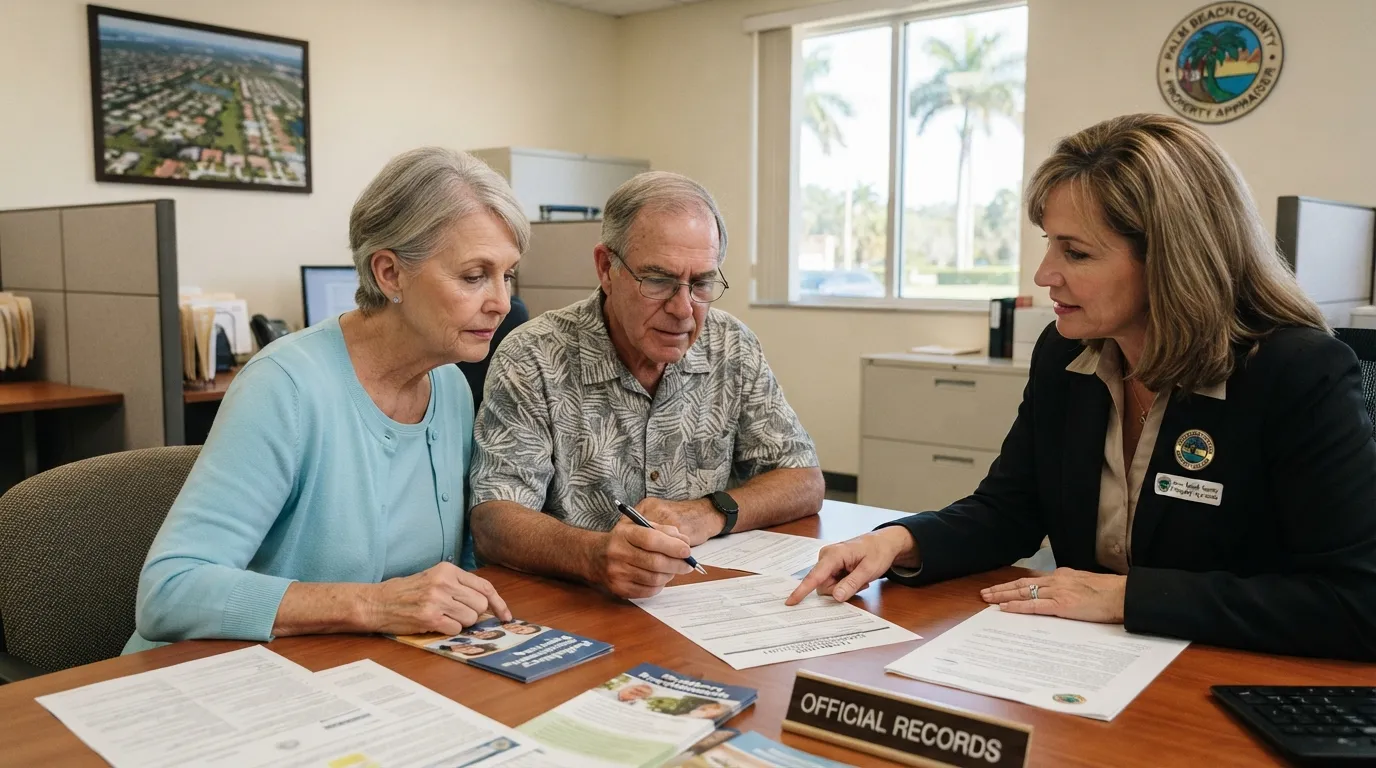
The Palm Beach County appraiser’s list of qualifications includes receiving no other residency-based benefits elsewhere, such as rollback or STAR. A person can have only one permanent residence at a time, so the Florida application and the northern credit can’t both be true.
My view: a household that truly splits the year should think hard before applying. A few hundred dollars of Florida savings isn’t worth giving up a larger break up north.
Worth Knowing
- You can have only one permanent residence at a time.
- Residency-based perks elsewhere, such as rollback or STAR, can conflict with a Florida claim.
- The Palm Beach County appraiser says the Florida exemption generally saves $750 to $1,000 a year.4
- Price the credit you’d give up before you file anywhere.
Now the stakes climb, because the next rule gives you a way out of a condo purchase, but only briefly.
#3 – The One-Week Window on a Resale Condo
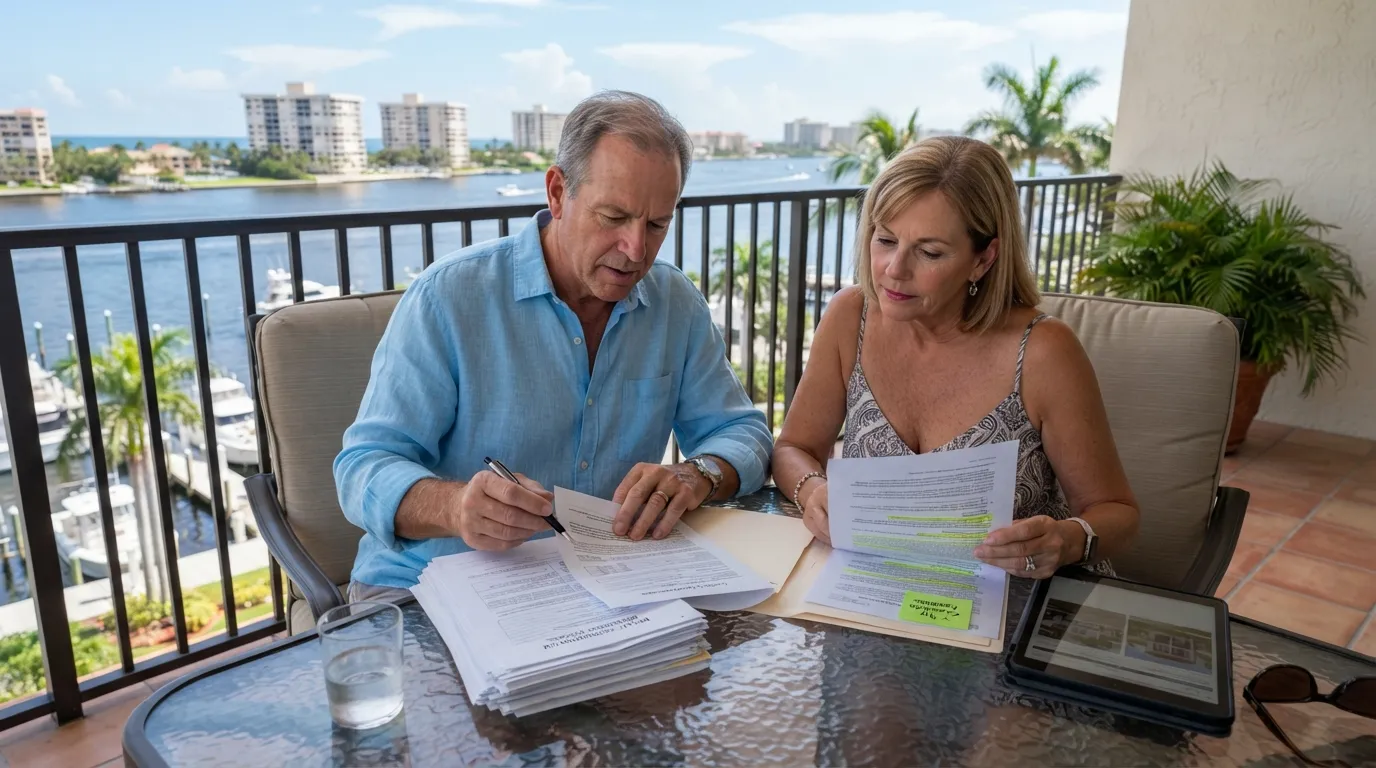
If you’re buying a resale condo, Florida gives you a short cancellation window. Buyers receive disclosure documents and have 7 days from receipt to cancel the purchase contract for any reason.5
Related Stories From Weather Fox



You can cancel a resale condo contract within about a week of getting the documents. Because the clock starts when the documents arrive, getting the full package early is the whole game.
Skimming it to get back to the view is a mistake, since that week is the cheapest exit you’ll ever have.
Inside that package are two reports with unfamiliar names, and one of them shapes what you’ll pay each month.
#2 – Your Condo Building’s Inspection Calendar
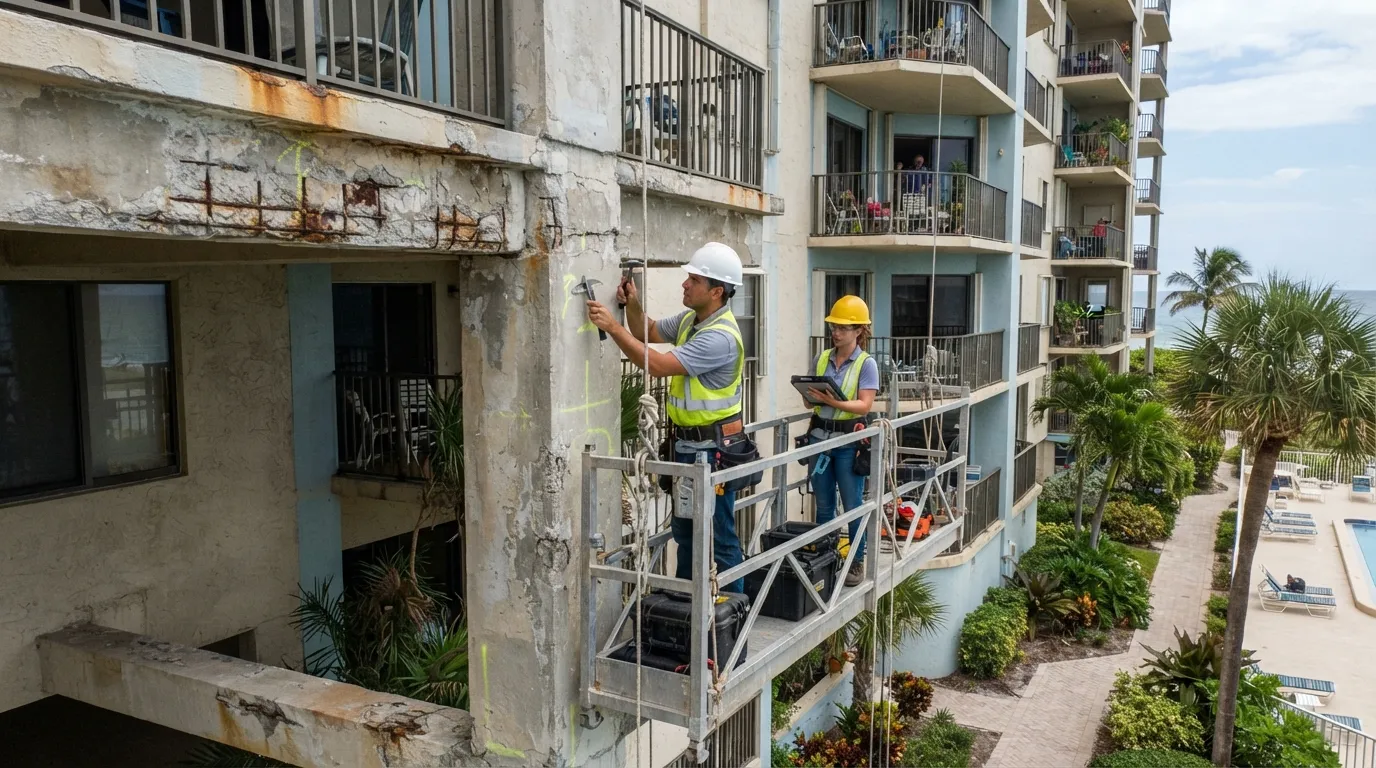
After the Surfside collapse, Florida made older condo buildings go through structural checks. A milestone inspection is required for condominiums three habitable stories or higher at 30 years of age, or at 25 years if the building is within three miles of the coastline.
After that, the inspection repeats every 10 years. The second report is the structural integrity reserve study, or SIRS, and an association can push its reserve-study work to December 31, 2026 if it has a completed milestone inspection in hand.
The reserve study sets up the rule that matters most for your wallet, and it ended a practice that kept condo fees low for decades.
#1 – The Reserve Waiver Florida Banned
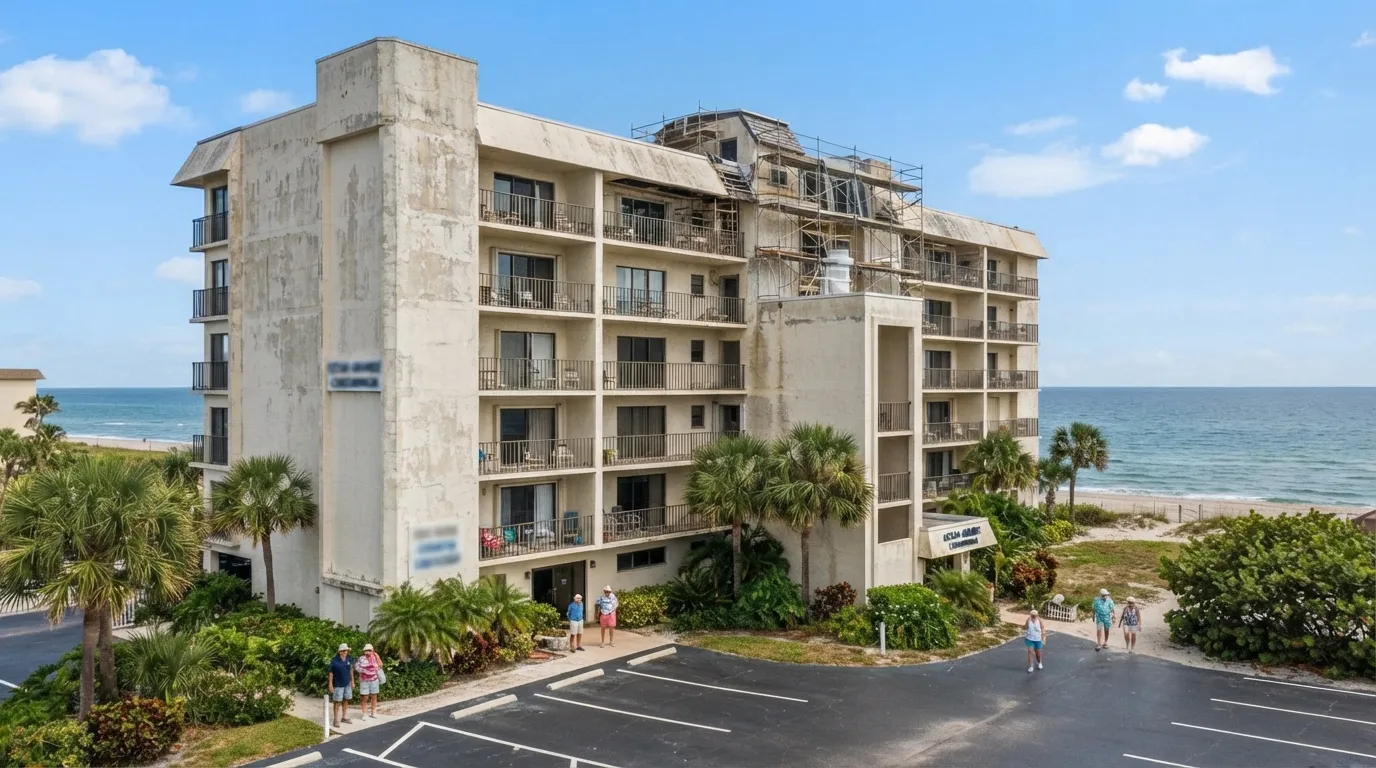
For decades, condo boards routinely voted to waive or reduce reserve funding, which kept monthly fees low. For budgets adopted on or after December 31, 2024, owners can no longer vote to waive or underfund reserves for the components a SIRS covers, including the roof, structure, plumbing and electrical.5 6
A building that skipped saving now has to catch up, and the catch-up arrives as higher monthly fees or special assessments. If you winter in an older building, that bill lands on you even if you never attended a board meeting.
Compare the reserve balance to what the reserve study says is required. My verdict: a low monthly fee in an older building is a warning until you’ve seen that comparison, not a bargain.
Look back over all 14 and a pattern shows up: Florida sorts you by dates and documents. January 1, March 1, a milestone inspection and the address on a plate each decide a bill or a benefit, and none of them cares how many sunny weeks you logged.
The best prep for a winter in Florida is a one-page calendar with each date and the paperwork that goes with it. So where does your mail go in January, and has a toll or tax notice ever sat there unopened?
- Miami Springs Texting Law: https://www.miamisprings-fl.gov/police/page/florida-law-makes-texting-while-driving-primary-offense
- FLHSMV Distracted Driving: https://www.flhsmv.gov/safety-center/driving-safety/distracted-driving/
- FLHSMV New Resident Guide: https://www.flhsmv.gov/new-resident/
- Orange County Homestead FAQ: https://ocpaweb.ocpafl.org/faqcontent/HX_FAQ
- SIRS and Milestone Inspections: https://www.davidliberatore.com/blog/florida-milestone-inspections-sirs-sarasota/
- Florida Condo Reserve Rules: https://www.thehoaguide.com/hoa-laws-by-state/florida-reserve-requirements/