
Ask a travel agent in Toronto or Calgary where winter bookings are going, and you’ll hear one country come up more than any other. It isn’t the biggest destination Canadians have ever had, and it isn’t the closest. Yet the numbers keep pointing the same way.
Behind the headlines sits a messier picture of politics, airline schedules, price and safety worries. Some of the data is encouraging, and some of it pulls in the opposite direction. Here’s what the figures from 2025 and 2026 actually show.
Mexico Sits at the Top of the Overseas List
Statistics Canada counts any country other than Canada and the United States as overseas. By that measure, Mexico was once again the most visited overseas country by Canadian residents in 2026[1]. Between January and March, Canadians made roughly 1.3 million visits there, about 51,000 more than the same stretch a year earlier.[1]
The gap to the next destinations is wide. The Dominican Republic came second with about 441,000 Canadian visits[1], while Costa Rica ranked third with about 193,000, its highest first quarter total since the data began in 2018[1]. For a traveller, that scale usually means more flights, more resorts and more competition on price.
The Pullback From the United States
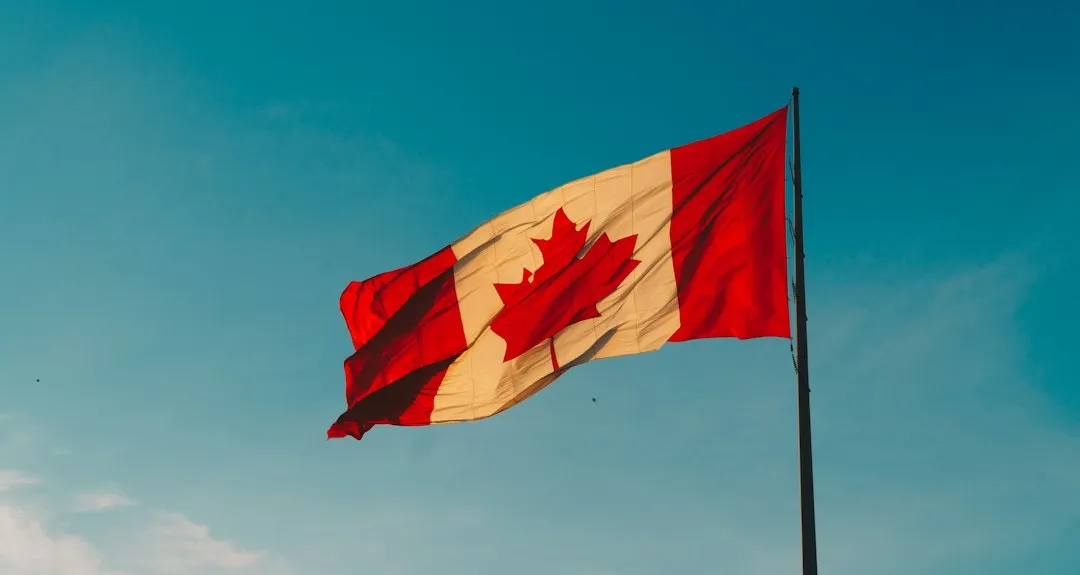
Mexico’s rise is tied to what Canadians have stopped doing. In the first quarter of 2026, Canadians made 5.5 million trips that included a US visit, down about one tenth from a year before[2]. Over the same period, visits involving overseas countries rose and overseas spending climbed to C$10.1 billion.[2]
January was starker still. About 2.1 million Canadian residents returned from US trips that month, more than one fifth fewer than in January 2025.[3] Statistics Canada also noted that, for the first time since tracking began in 1972, overseas returns exceeded automobile returns from the United States.[3]
What Canadians Say Is Driving the Shift
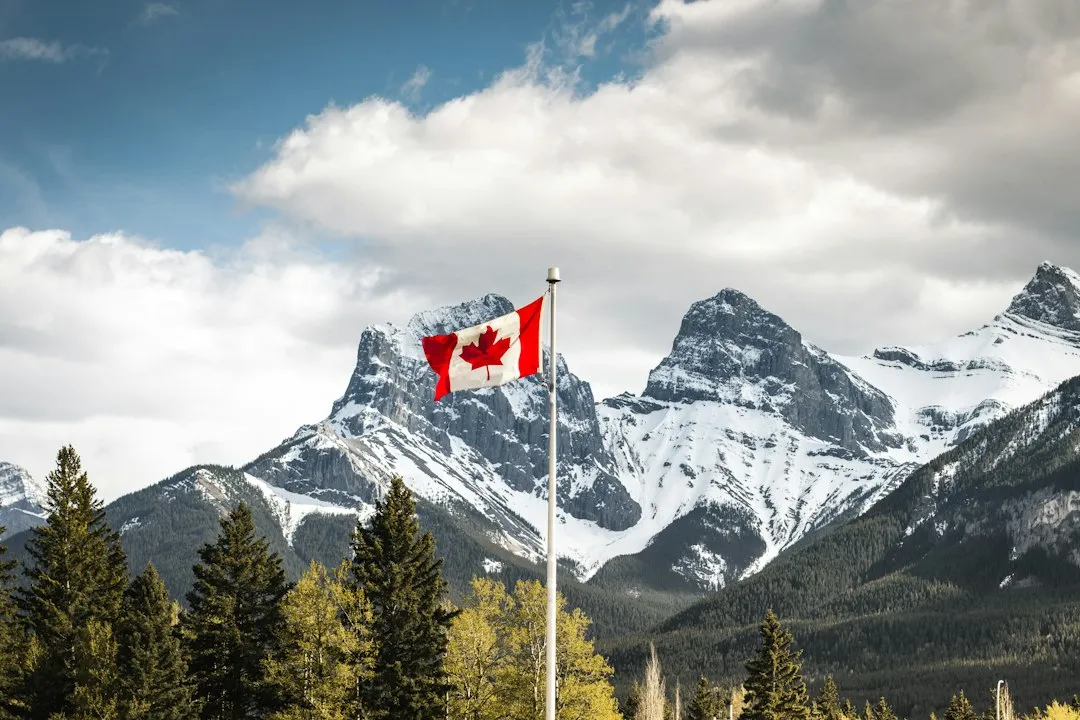
Surveys offer some explanation. A YouGov poll for Flight Centre Canada found that roughly six in ten Canadians say they are less likely to visit the United States in 2026 than last year[4]. Respondents pointed to the political and cultural climate, frustration with border control, and the cost of travel, including exchange rates.[4]
A separate Leger survey landed in a similar place. About two thirds of those pulling back cited political tensions between the two countries, and a bit under that cited tariffs and trade disputes.[5] Those reasons don’t make Mexico automatically appealing, but they push people to look elsewhere for warm weather.
What Mexico’s Own Figures Show

Mexican data backs up the Canadian side. The country’s tourism secretariat recorded 455,083 Canadian tourists in January 2026, up nearly ten percent, and around 1.831 million Canadian air arrivals by the end of June, up about seven and a half percent.[6] Through the first eight months, arrivals by air reached about 2.02 million, compared with 1.88 million a year earlier.[7]
Context matters here. Canadian air arrivals rose over seven percent in that period while American arrivals fell by roughly a tenth[7], and the Canadian growth hasn’t made up for the larger American decline[7]. Mexico’s overall growth has also slowed[8], so the story isn’t one of unlimited momentum.
More Seats, More Routes
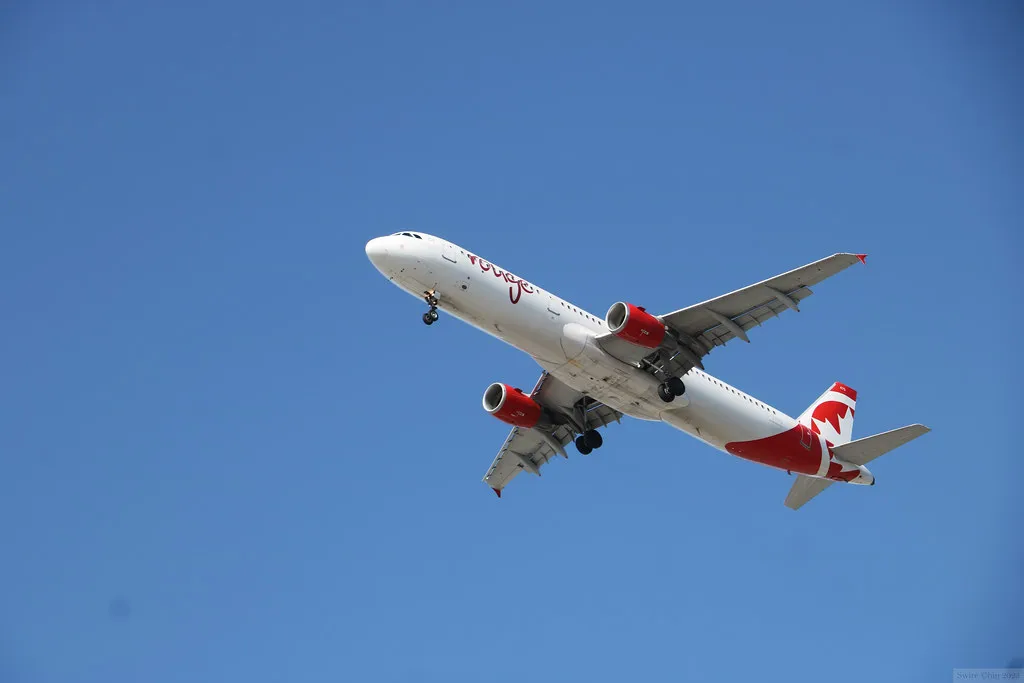
Airlines have followed the demand. Air Canada announced an increase in scheduled summer seat capacity to Mexico of about one fifth, with expanded service to Guadalajara, Cancún, Mexico City, Monterrey and Puerto Vallarta.[9] Travellers looking at the same routes may find more departure options.
The busiest corridor is already well established. For the first time, Cancún and Toronto ranked as the busiest international flight pairing into Mexico, with travel from Toronto to the Mexican Caribbean up about a quarter in 2025.[9] If you fly out of a smaller city, it’s still worth comparing direct and connecting itineraries before you commit.
Beyond the Resort Strip
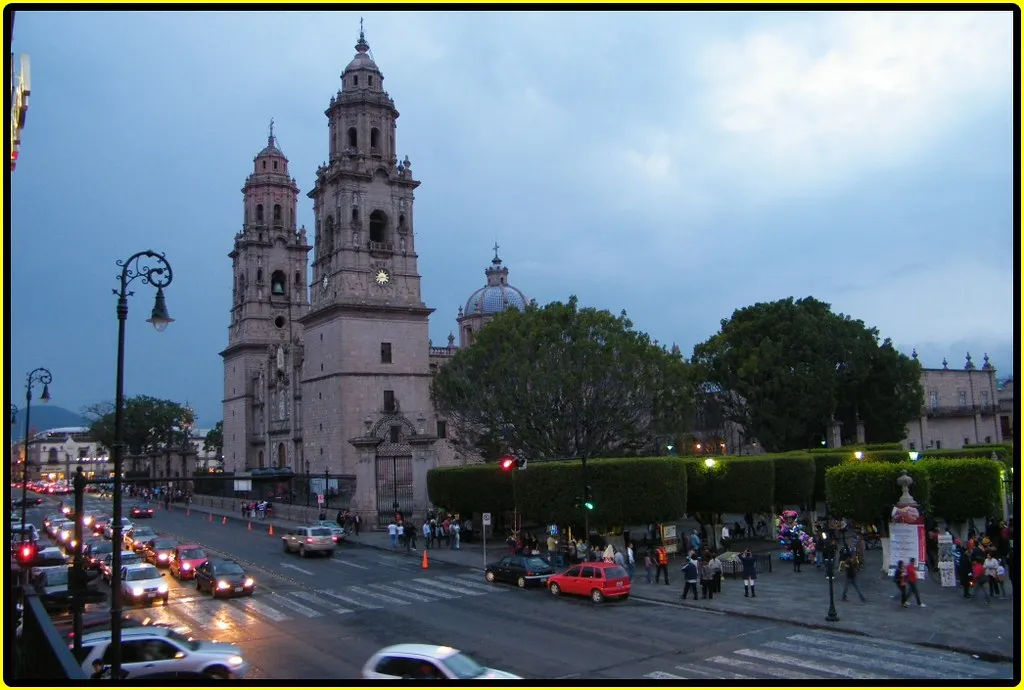
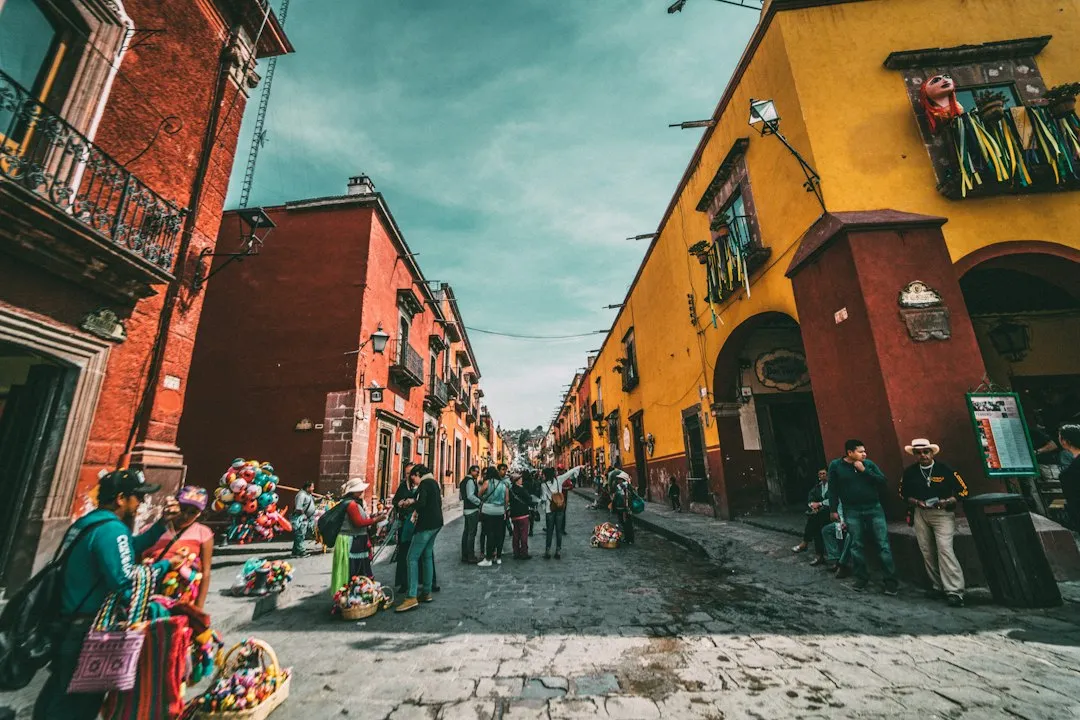
Not everyone is heading to an all inclusive. Flight Centre Canada reported that Canadian searches for Guadalajara had more than doubled[10], and one trade outlet describes travellers drawn to cobblestone streets, strong food and colonial architecture at a fraction of US vacation costs[10]. That last claim is a general comparison, so check actual prices for your dates.
Spending figures hint at longer stays. Canadians spent about C$2.93 billion in Mexico in the first quarter, which works out to roughly C$2,213 per visit.[11] Dividing the visitor nights by the number of visits suggests stays of around eleven nights, a useful benchmark when you’re budgeting.
The February Shock

The year hasn’t been smooth. On February 22, violence erupted after Jalisco cartel leader El Mencho was killed during a clash with military special forces[12]. Global Affairs Canada updated its advisory for Puerto Vallarta and other parts of Jalisco after road blockades with burning vehicles[13], and Air Canada temporarily suspended operations at the Puerto Vallarta airport[13].
Related Stories From Weather Fox


Things calmed within days. Ottawa still advised a high degree of caution across Mexico and avoiding nonessential travel in several states, warning that the situation could deteriorate rapidly.[14] Anyone considering Jalisco or Nayarit should read the current advisory instead of relying on last year’s impressions.
Intentions Versus Actual Trips
Here the evidence conflicts. A Leger survey fielded March 6 to 8 found that nearly two thirds of Canadians were less likely to travel to Mexico in 2026 than the year before, with only a small minority more likely[5]. Leger linked that decline to security concerns after the violence around El Mencho’s death.[5]
Yet arrivals kept growing. Canadian air arrivals in the first quarter rose from around 1.22 million to 1.33 million.[15] Surveys measure stated intentions at one moment, while arrival counts record trips actually taken, so the two don’t have to match.
Practical Steps Before You Book
Start with the official advisory, which is changing often. It was updated several times in 2026, including an emergency notice in February and another in May covering online scams and road safety.[16] It also warns that Canadian women have been assaulted in Mexico, including at beach resorts, and advises avoiding going out after dark, steering clear of isolated areas and travelling in groups.[17]
Check your insurance too. A broker told CBC that travellers should understand how cancellation and interruption coverage works before deciding[14]. Confirm your flight status before heading to the airport, and keep Global Affairs Canada’s Mexico page bookmarked until you’re home.