“Athletic” can mean two different things. One is the country that wins the most at the Olympics. The other is the country where ordinary adults move the most every day.
The two lists overlap only in part, and that makes for better trip planning. Some places let you watch elite sport at its peak. Others show you what an active daily life looks like. This guide uses recent figures from the 2024 Paris Summer Games, the 2026 Milano Cortina Winter Games and a major 2024 World Health Organization study, with a few travel ideas for each.
Norway: Where Winter Sport Is a Habit
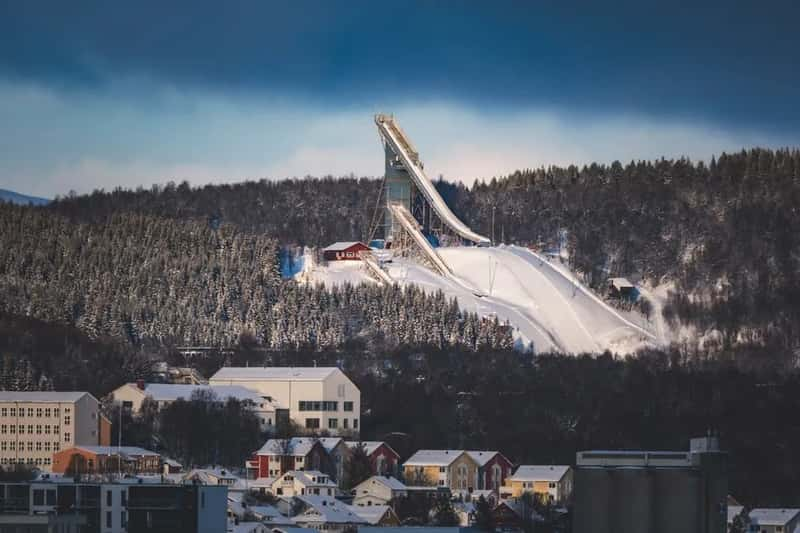
Norway led the Milano Cortina medal table with 18 golds and 41 medals in total, the highest gold count any country has managed at a single Winter Games.[1] The 41 medals also beat Norway’s own earlier record of 39, set in 2018.[2] Before the Games began, Norway already held 406 winter medals, 76 more than the United States in second place.[3]
The haul came from a team of 80 competitors across 10 sports.[4] Cross country skier Johannes Høsflot Klæbo was the face of it, and he finished with 11 career Winter Olympic golds.[2] Visitors who want to see the sport up close can head to the Holmenkollen hill above Oslo, a long established ski jumping and biathlon venue.
Sweden and Finland: Everyday Movement
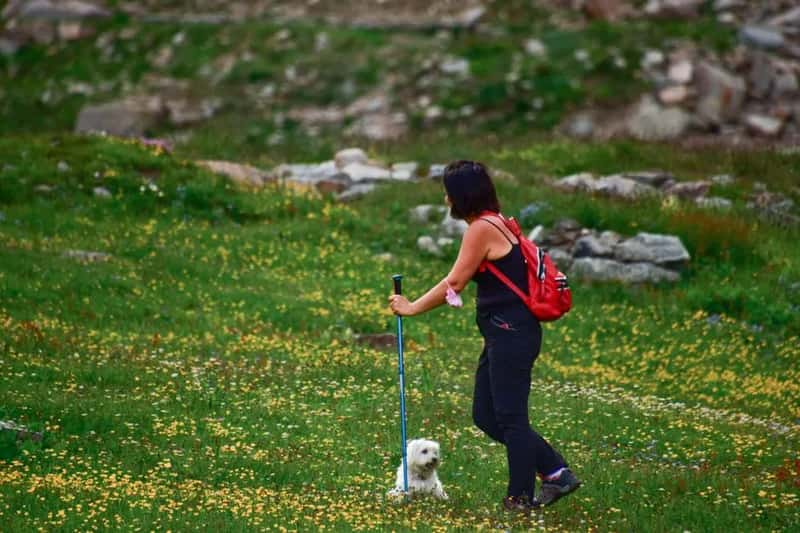
For daily activity, the Nordic countries stand out. A summary of the WHO study noted that the most active nations include Sweden, at 8.7 percent inactive, and Finland, at 9.6 percent.[5] In plain terms, fewer than one in ten adults in either country fall short of the recommended activity level.
Elite results are a separate matter. At Milano Cortina, Sweden won 18 medals, eight of them gold, while Finland collected six medals and no golds.[6] A trip here is less about one stadium and more about trails, cycling routes and open water in summer, or skiing in winter.
Kenya and East Africa: Running Country
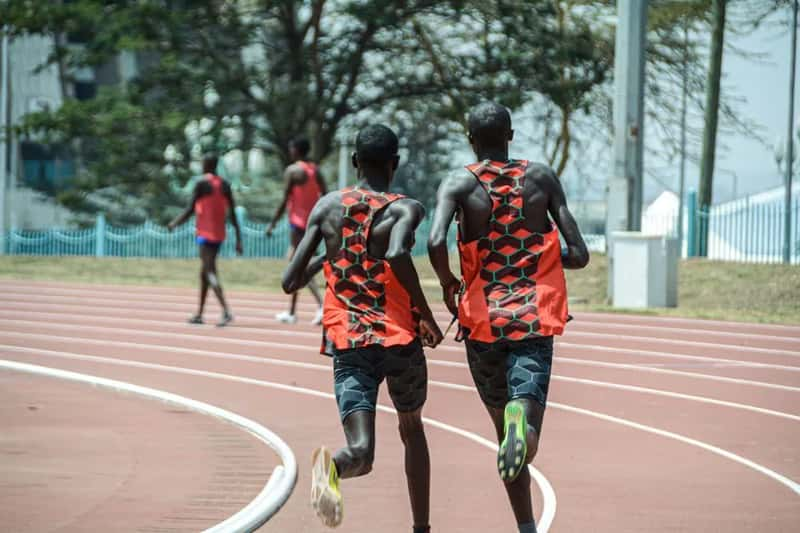
The same WHO analysis pointed to East Africa as a stronghold of active living. Seven of the world’s most active populations were found there, with Malawi leading at only 2.7 percent of adults inactive.[5] That works out to fewer than three adults in every hundred.
Kenya turns that activity into results on the track. At the Paris Games, Kenya finished second in the athletics medal table behind the United States, with four golds and 11 medals.[7] Iten, in the Rift Valley, is the best known of the high altitude training towns, and recreational runners often book stays there.
The United States: Medal Machine, Stadium Circuit
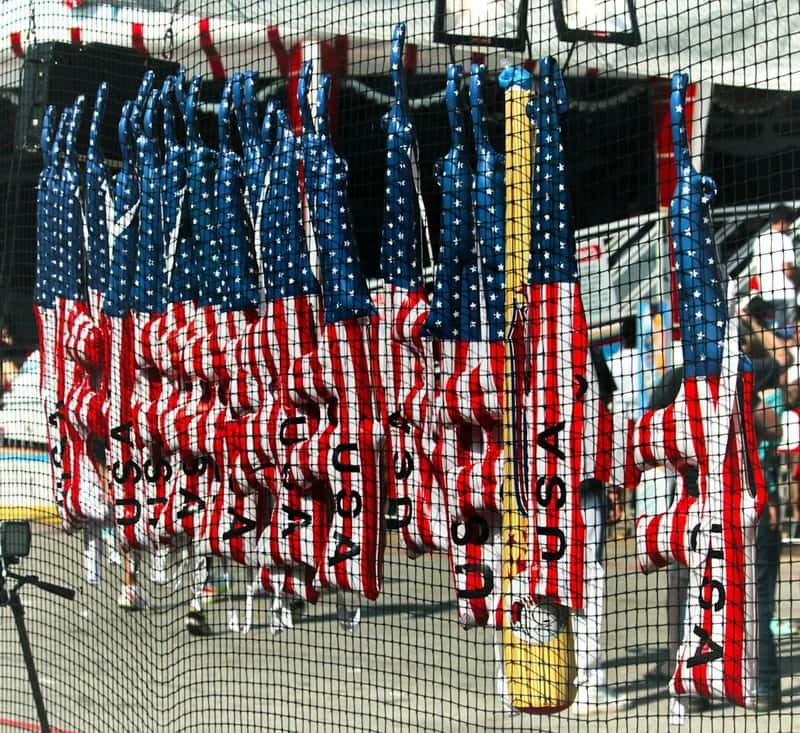
In Paris, Team USA topped the medals table with 40 golds and 126 medals in total.[8] It was the fourth consecutive Olympics in which the US finished first.[9] The country also passed 3,000 all time Olympic medals during the first week of the Paris Games.[8]
Everyday habits tell a more modest story. The US was slightly less active than the global average, with about one third of adults insufficiently active against roughly 31 percent worldwide.[5] For visitors, the draw is scale: the 2026 World Cup was spread across 16 North American cities,[10] and the country’s stadium culture is hard to match.
China: Two Olympic Cities in One
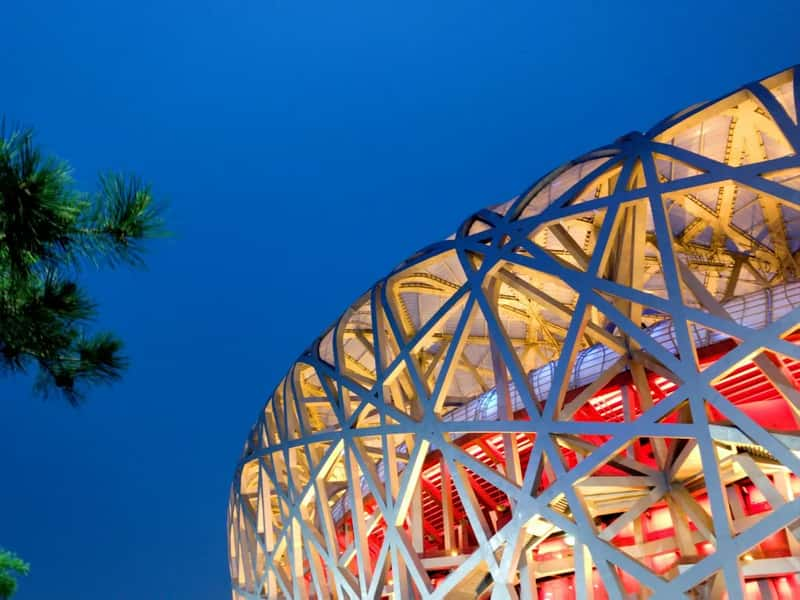
China matched the United States on gold in Paris. Both won 40 golds, but the Americans took more silvers and therefore finished first.[8] China’s total came to 91 medals.[11]
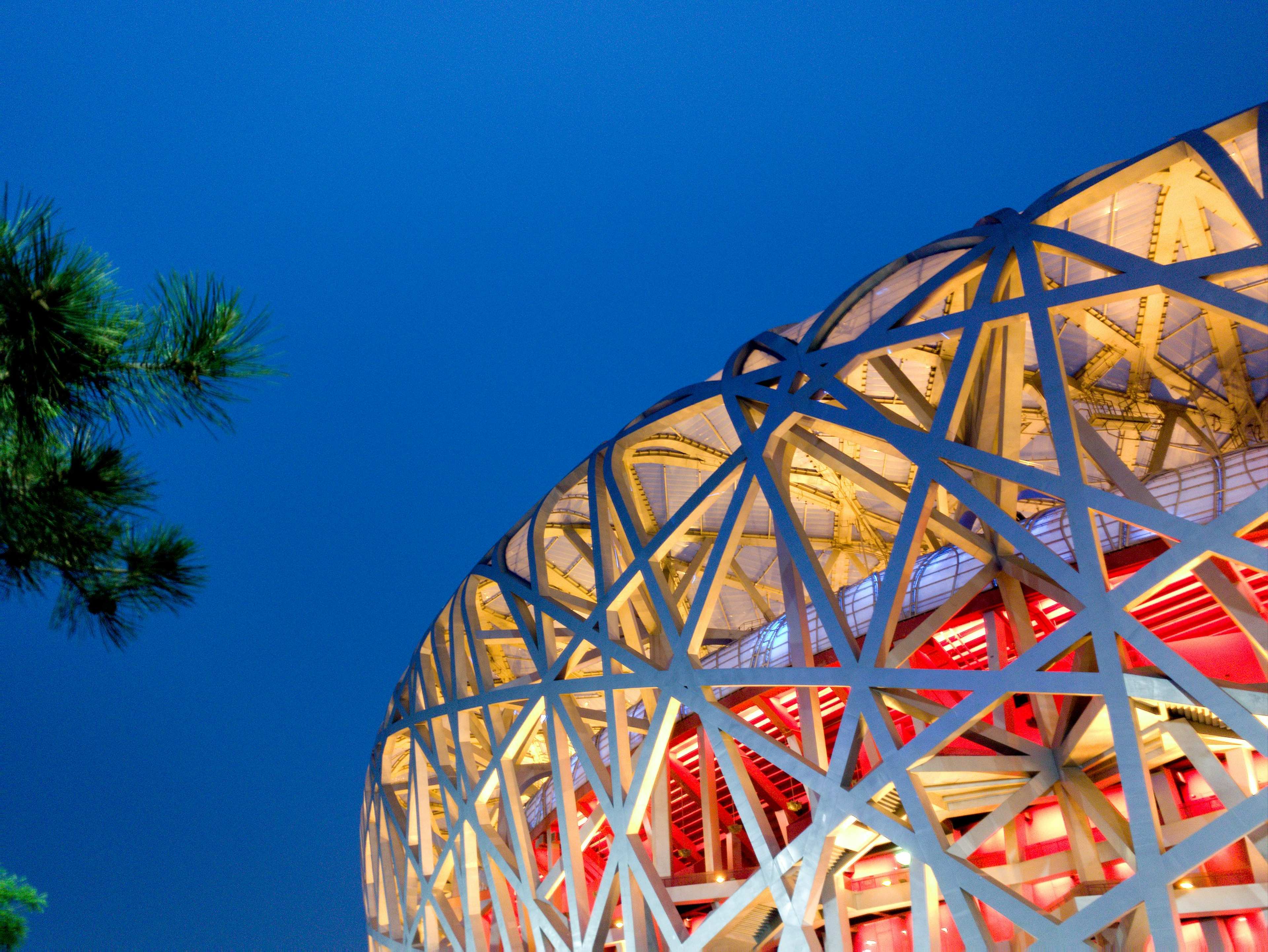
Beijing is also an unusual stop for sports travelers because it has staged both Games in recent memory. It hosted the Summer Games in 2008, and its 2022 Winter Games were where Norway set its earlier gold record.[12] The Olympic Park built for 2008 remains a standard stop for anyone following that history.
France: A Host Nation at Its Best
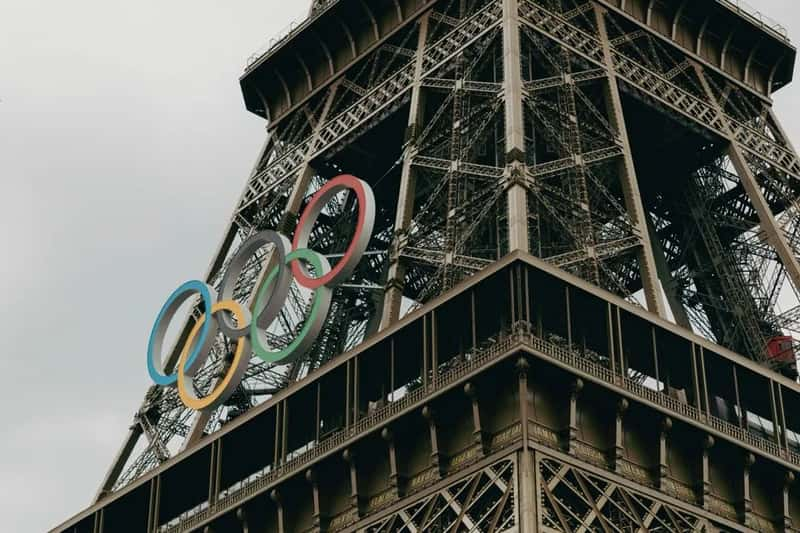
France made the most of home advantage in 2024. Its 64th medal, won by the women’s basketball team, was the highest total for France since the 1900 Games, also held in Paris.[13] France ranked as the first European country in the table, ahead of Great Britain, the Netherlands, Germany and Italy.[9]
Paris still works as a sports trip without an Olympics. The Stade de France, which hosted the closing ceremony,[9] is a stadium visit in itself. The Tour de France also finishes on the Champs-Élysées each summer, which makes July a natural time to go.
Japan: Precision, Tradition and Gold
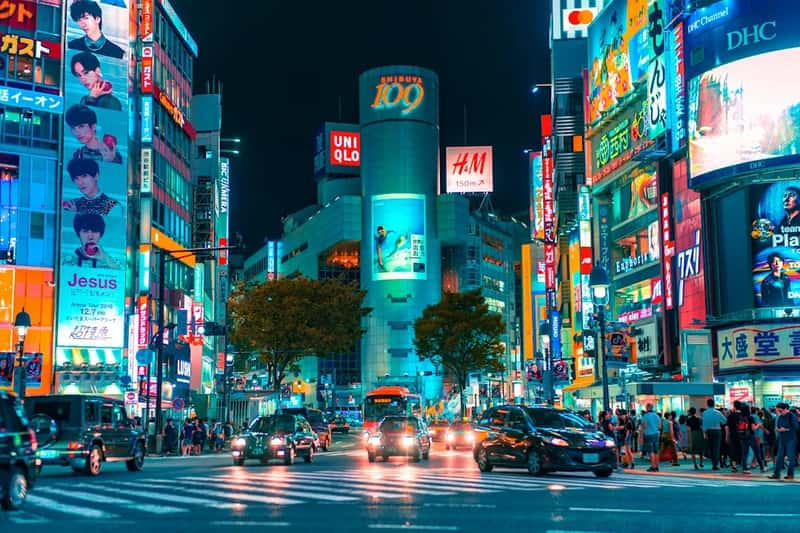
Japan placed third in the Paris gold standings. It won 20 golds and 45 medals in total,[11] and only the US and China finished ahead of it on the final table.[9] That makes it one of the strongest Asian sporting nations right now.
A visit can mix old and new forms of sport. Tokyo hosts grand sumo tournaments in January, May and September, and baseball remains hugely popular, with a packed professional calendar through the summer. Both are easy to add to a city break.
Australia: A Calendar Built Around Sport
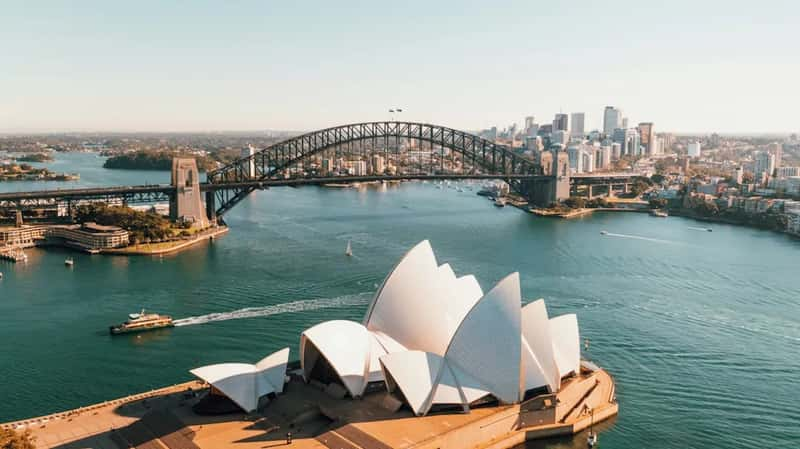
Australia came fifth in Paris, with 18 golds and 53 medals.[11] Neighboring New Zealand also did well for its size, taking 10 golds from 20 medals.[11] Together they show how much the region invests in sport.
Melbourne is the obvious base for fans. Tennis majors were among the events shaping the 2026 sports travel boom.[14] Around the Australian Open, organizers have built a 21 day program of music and entertainment.[14]
Italy: Alpine Games and Beyond

Italy had a busy sporting year. In Paris it won 12 golds and 40 medals,[11] then hosted the Winter Games in 2026. It was the third Winter Olympics and fourth Olympics overall for Italy, after Cortina in 1956 and Turin in 2006.[15]
The Dolomites drew most of the travel interest. Early indications from Visa Consulting and Analytics suggested winter bookings there were up by as much as 160 percent,[16] which would be more than double the previous year. The Dolomiti Superski area links 450 lifts under one ski pass.[16] The Games closed at the Verona Arena,[1] a Roman amphitheatre that is worth a stop on its own.
Choosing Your Route
Medal tables and activity surveys measure different things. The first shows how well a nation performs at the top level, and the second shows how people live day to day. Globally, about 31 percent of adults, roughly 1.8 billion people, don’t get enough physical activity.[17]
Pick Norway, France or Italy to watch elite sport, and Kenya, Sweden or Finland to see an active population at work. Check event dates before booking, since the major tournaments set the schedule for most of these trips.