

Most travelers notice the pace of a place within a day or two. Shops that close at midday, offices that empty by late afternoon, or the opposite, a city where everyone seems to be mid sprint at nine in the evening. Those impressions have numbers behind them, and the gap between countries is bigger than you might expect.
The figures below mostly come from the OECD, which tracks hours actually worked per worker, including overtime and extra jobs. The OECD itself says differences in national sources and methods limit strict comparisons between countries,[1] so treat the rankings as a useful guide rather than a final verdict. Seven countries sit at the hard working end, and seven at the end where life gets more room.
Mexico: The Longest Working Year in the OECD

Among OECD members with a 2025 observation, Mexico has the highest value, at roughly 2,205 hours actually worked per worker.[1] That is a lot of time on the job, and it holds up year after year. The legal maximum is 48 hours a week, and many workers, particularly in informal sectors, go beyond it.[2]
The OECD counts regular working time, paid and unpaid overtime and hours worked in additional jobs,[1] so the figure captures real life rather than contracts. The gap between Mexico and Germany is nearly 900 hours a year.[2] For a visitor, that shows up as long service days, packed commutes and a lot of people holding more than one source of income.
Costa Rica: Long Hours in a Famously Happy Country

Costa Rica comes second in the 2025 OECD data, at about 2,183 hours per worker.[1] An OECD paper on Korea also notes that workers in Costa Rica, Türkiye, Colombia and Mexico stand out as the longest in the OECD, at just below 50 hours per week.[3] That sits oddly with the country’s relaxed image.
Part of the explanation is that happiness rankings and working hours measure different things. Costa Rica frequently tops the Happy Planet Index,[4] which looks at wellbeing and environmental impact rather than time at a desk. The country shows that a long working year and a strong sense of community can exist side by side.
Chile: Quietly Third on the List

Chile rarely makes headlines for overwork, yet it ranks third in the latest OECD series. The 2025 value is about 1,912 hours per worker.[1] Earlier tables show a slow easing, with 1,953 hours for 2023[5] and 1,919 for 2024.[6]
Even after that decline, Chile sits well above the OECD average. That average is roughly 1,700 hours a year per employed person.[2] A traveler in Santiago will see that in commuter crowds and busy weekday evenings, though weekends tend to swing hard toward family time.
Colombia: A Shorter Legal Week Is Arriving

Colombia has long been near the top of the hours table. As of 2022, Colombia, Mexico and Costa Rica ranked highest for hours worked per year.[7] More recent comparison is harder, since Colombia has no 2025 observation in the OECD series used for that ranking.[1]
Policy is moving, though. Colombia’s standard workweek is 42 hours as of July 15, 2026, the last step in a reduction from 48 hours under Law 2101 of 2021.[8] A legal limit does not mean employees actually work that many hours,[8] so it will take a few years of data to see how much the change shifts real habits.
South Korea: Shorter Than Before, Still Long

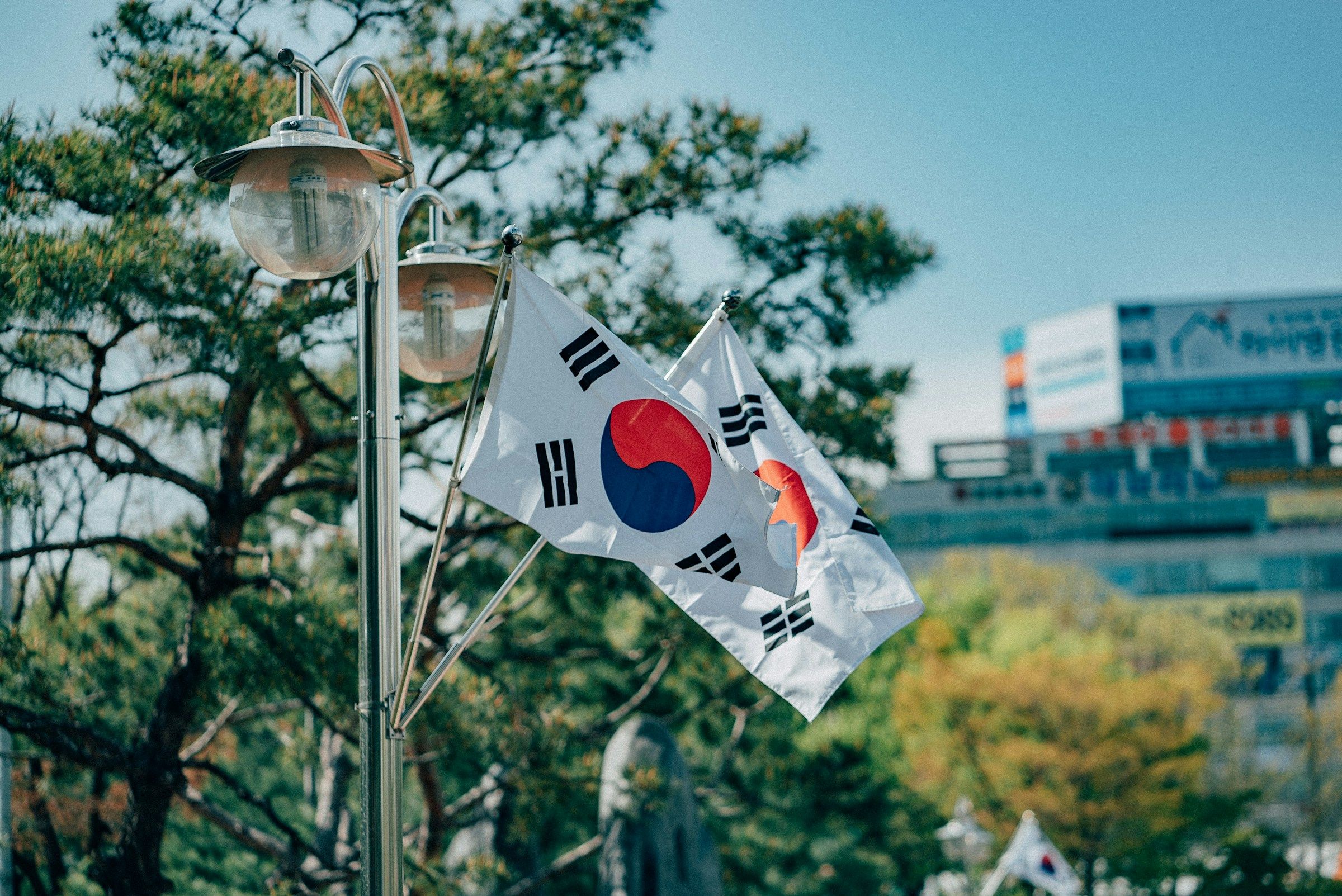
South Korea is a good example of a rich country that still works long. In 2023, Korean workers averaged 1,872 hours a year, roughly 200 more than the OECD average.[9] The 2025 OECD value is about 1,833 hours, sixth highest,[1] which shows a gradual decline.
Law has played a role. Beginning in 2018, the maximum statutory working week was progressively cut from 68 to 52 hours.[9] An OECD paper also points to a culture where overtime is normalized, and notes that workers spend an average of one hour commuting in each direction, the longest in the OECD, according to a 2016 estimate.[3]
Greece: The Outlier of Europe

Greece breaks the usual European pattern. It ranked highest in the EU, at 1,886 average hours per year in 2022.[7] OECD data show 1,898 hours per worker in 2024,[6] keeping it in the global top five.
That puts it far above its neighbors in the north. The average across the 37 countries in one 2024 dataset was 1,652 hours.[6] The picture of the languid Mediterranean holiday is real enough for visitors, though many locals are working long hours to make it possible.
Israel: Steady, Heavy Hours

Israel lands fifth in the 2024 OECD figures. The average there was 1,877 hours per worker.[6] The number has been consistent, since the 2023 table gave about 1,880 hours.[5]
Compared with the broader field, that is a substantial difference. Against the 2024 dataset average of 1,652 hours, Israeli workers log more than 200 extra hours a year. That works out to roughly a month of additional full days on the job.
Germany: The Shortest Working Year in the OECD

Germany sits at the opposite end of the table. Its average was 1,331 annual hours per worker in 2024,[6] the lowest among the countries listed. Countries with greater GDP per capita also tend to have fewer working hours,[10] and Germany fits that pattern well.
Remote’s 2025 life work balance index put Germany fourth, up two places from 2024.[11] The study credits an emphasis on working smarter rather than longer hours.[11] Visitors often notice how firmly workdays end, and how quiet Sundays are.
Denmark: Short Weeks and Generous Support
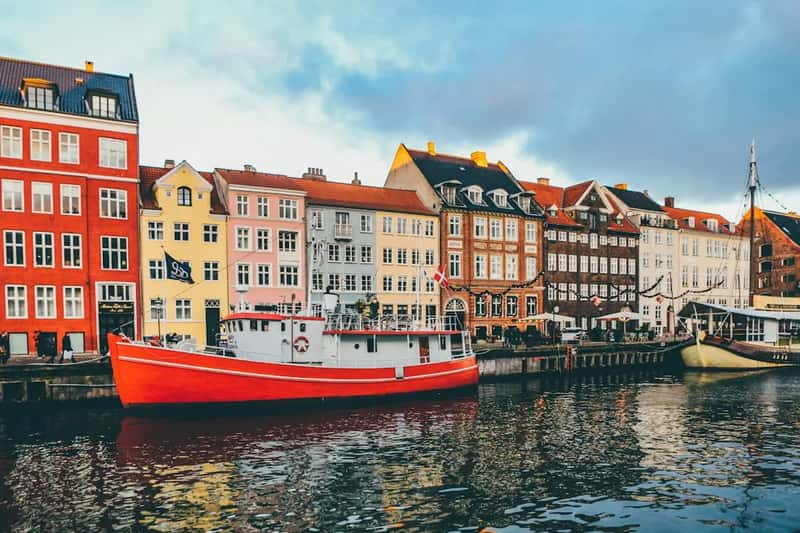
Denmark averaged 1,379 annual hours per worker in 2024,[6] second only to Germany among the lowest figures. Its average working week of 32.5 hours is one of Europe’s shortest, with only the Netherlands lower.[12] The numbers suggest a country that treats evenings as protected time.
Policy supports that. Remote’s European index notes that Denmark’s statutory annual leave, sick pay and maternity pay policies are among the continent’s most generous.[12] Its global rank dropped three spots from 2024,[13] yet it remains in the top ten.
Norway: Rising Fast on the Balance Index

Norway averaged 1,407 annual hours per worker in 2024.[6] The typical week is also short, at about 32.6 hours.[14] Those figures fit a country where leaving on time is expected.
The 2025 index shows how well it scores. Norway made the largest leap among the top ten, climbing from ninth in 2024 to fifth.[15] The data list 35 days of statutory leave and 49 weeks of maternity leave at full pay.[16]
Sweden: Short Hours and High Happiness
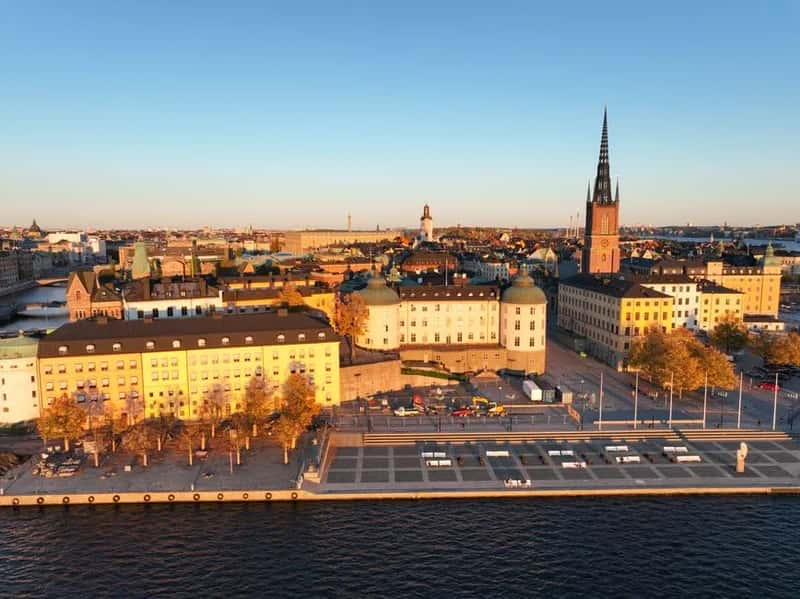
Sweden’s annual figure was 1,431 hours per worker in 2024.[6] That is only slightly above Austria’s, and well below the OECD average. Averages include part time workers, so the number reflects the whole workforce rather than only full time staff.
Happiness data are consistent with this. Remote reports that Denmark, Sweden, the Netherlands and Norway complete the top five happiest countries,[11] behind Finland. Nordic and Scandinavian nations performed especially well[11] across the index.
Austria: Compact Hours and a Sense of Safety

Austria recorded 1,432 annual hours per worker in 2024.[6] Among EU countries, Denmark, Germany and Austria follow the Netherlands with weekly hours of roughly 33 to 35.[17] The workweek there is trimmed without being dramatic.
Remote’s index weighs more than hours. It includes statutory annual leave, access to healthcare, public safety and average weekly working hours.[15] On safety, Global Peace Index data indicate Austria and Ireland are the safest countries in the study,[11] which adds to the sense of calm.
Netherlands: Europe’s Shortest Week

Eurostat put the average EU working week at 36.0 hours in 2024, while the Netherlands recorded the shortest, at 32.1 hours.[18] Remote’s index calculates an even lower figure of 30.5 hours,[15] using different sources. Either way, the Dutch work less than nearly everyone.
Part time work explains much of this. In 2021, 48 percent of everyone employed in the Netherlands worked part time, including 70 percent of women and 28 percent of men.[19] A low average can reflect contracts rather than protected time, which may be why the country lands just outside the top ten[18] on the index.
New Zealand: First on the Index Three Years Running

New Zealand held the top spot for a third consecutive year in 2025,[11] with a score of 86.59.[11] It does not have the shortest week, but it scores well on policy. Reports on the index list 32 days of paid time off, 26 weeks of paid maternity leave at full pay and universal healthcare.[20]
The hours are moderate rather than minimal. The average is 33.0 hours per week per employed person.[19] The index rewards a mix of leave, pay, safety and health access, and New Zealand puts these together better than any other country in the study.