The global shift toward shorter work weeks is gaining momentum, yet remarkably few nations have achieved truly abbreviated working hours. Around the world, the average workweek can range from less than 40 hours in length to close to 50 hours. High-income and/or developed countries with a cultural emphasis on work/life balance and adequate leisure/family time generally have shorter official workweeks (some as short as four days) and more vacation days. The pursuit of work-life balance has become a defining characteristic of modern employment, with certain countries standing out as pioneers in this movement.
Vanuatu: The World’s Shortest Work Week Champion

Vanuatu, located in Oceania, stands out with the shortest average weekly working hours per employee, according to a report by the International Labour Organisation. Workers in Vanuatu reportedly average among the lowest weekly working hours globally, according to some international surveys. This Pacific island nation has embraced a lifestyle that prioritizes personal time over extended work commitments.
Only 4 per cent of its workforce works 49 hours or more weekly, sharply contrasting with global labour trends. Employees from Vanuatu are reported to have among the world’s lowest annual work hours.
Netherlands: Europe’s Part-Time Powerhouse

The Netherlands consistently ranks among European countries with the shortest workweeks, with approximately 32-33 hours according to Eurostat data. The Dutch approach to work demonstrates that productivity doesn’t require marathon hours at the office. A large proportion of Dutch people already work a 4-day week with 9-hours of work per day. The Netherlands also ranks 6th happiest country in the world in 2024.
In 2022, the share of part-time workers in total employment was 38.4 per cent in the Netherlands, which was the highest rate in the EU, while the average working week there for the total employed was 32.4 hours, which was the shortest time in the EU. This cultural shift toward flexible working arrangements has become a model for other European nations.
Denmark: Scandinavian Work-Life Balance Excellence
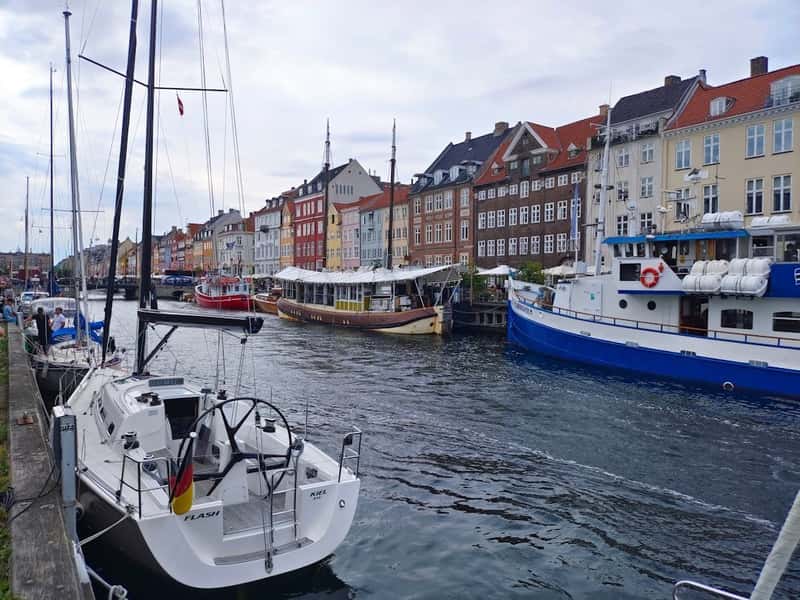
The Danish model of work represents another exemplary approach to balancing professional and personal life. Amongst the EU countries, the Netherlands had the shortest working week (32.1 hours), followed by Denmark, Germany and Austria (with approximately 33-35 hours). Denmark’s consistent ranking among countries with shorter work weeks reflects its commitment to employee well-being.
Denmark, which also ranks as one of the happiest countries in the world. Located in Northern Europe, Denmark is known for creating the concept of “hygge,” pronounced “hoo-gah,” which the country’s tourism portal describes as “creating a warm atmosphere and enjoying the good things in life with good people.”
Germany and Austria: Central European Efficiency

Both Germany and Austria have achieved remarkably similar work week lengths, demonstrating that Central European nations value efficiency over extended hours. Among EU countries, the Netherlands typically has the shortest working week, followed by Austria, Germany and Denmark with similar hours. These countries have successfully maintained high productivity while allowing workers more personal time.
Germany and France have the shortest working weeks, with 35.3 and 36.0 hours, respectively, while 9 Member States – Croatia, Greece, Italy, Luxembourg, Malta, Portugal, Slovakia, Slovenia and Sweden – match the statutory maximum of 40 hours German efficiency extends beyond manufacturing to work scheduling, proving that quality output doesn’t require excessive hours.
Norway: Nordic Excellence in Work Balance

Norway rounds out this exclusive group of nations with exceptionally short work weeks. Norway ranks 3rd country in Europe with the shortest workweek in 2023 with 33.9 hours according to Eurostat. Norway ranks 7th happiest country in the world in 2024. The Nordic country’s approach reflects broader Scandinavian values that prioritize individual well-being alongside economic productivity.
Norway, another OECD country with a short workweek (and one of the world’s best Human Development Index scores), is also seeking tech professionals such as software engineers and hardware developers, as well as engineers who specialize in the energy sector (oil & gas, wind, hydropower).
The Global Context and Implications

It is likely that work weeks in the low-income and least-developed countries are the longest of all, at least for those people who can find work, but reputable data are often difficult to obtain. OECD countries are often at the forefront of quality-of-life and worker efficiency innovations, and often blend short workweeks with high productivity. This disparity highlights how economic development enables countries to prioritize work-life balance.
Across Europe, the trend of reduced working hours is evident, with median hours worked per employee remaining below 37 hours per week. This decline reflects a long-term trend dating back to the 19th century, with working hours in developed economies steadily decreasing.
Productivity Versus Hours: The New Paradigm

The correlation between shorter work weeks and higher productivity challenges traditional assumptions about work efficiency. A longer working week doesn’t necessarily result in higher levels of productivity. For example, workers in Mexico typically work longer annual hours, but their GDP per hour productivity is lower. As productivity increases, working hours decrease. For example, employees in Luxembourg and Ireland work relatively shorter hours but maintain high GDP per hour productivity.
These five countries have demonstrated that sustainable economic growth doesn’t require sacrificing employee well-being. Their approaches offer valuable lessons for nations seeking to improve work-life balance while maintaining competitive economies.
The evidence from these pioneering countries suggests that shorter work weeks aren’t just a luxury for wealthy nations, yet also a strategic approach to enhancing productivity and societal well-being. As more countries examine four-day work week trials and flexible scheduling, these five nations continue to lead by example, proving that less can indeed be more when it comes to working hours. What would you choose: longer hours or better balance?