The pitch for retiring in Mexico is easy to repeat: warm weather, a short flight home, and a monthly budget that looks gentle next to a US one. Counts of how many North Americans have already made the move vary a lot. One guide puts the number of Americans living there at about 600,000[1], while another cites roughly 1.5 million Americans and Canadians[2].
The pitch leaves out a good deal, and several of the details have shifted in the last two years. Visa thresholds rose, the peso strengthened, and the safety picture varies sharply from one state to the next. Here is what matters before you pack a single box.
There Is No Retirement Visa, Only Residency
Many people assume Mexico has a dedicated retirement visa. It doesn’t. Retirees use the same residency visas as everyone else.[3]
The two main options are temporary and permanent residency. Temporary residency is valid for one to four years, while permanent residency has no expiry and needs no renewal.[3] Most retirees start with the temporary card and move up later.
What the 2026 Financial Thresholds Look Like
The numbers climbed this year. Mexico raised the income requirements for residency visas effective January 1, 2026.[3] The bar is tied to an inflation indexed unit called the UMA, which is why temporary residency now calls for monthly income of MXN 79,771, about US$4,432, and permanent residency calls for MXN 133,733, about US$7,430[4].
Savings offer another way in. Temporary residency can be supported by balances totaling at least about US$74,000 over the last 12 months.[5] Keep in mind that some consulates ask for 12 months of income history rather than six[5].
Why Your Consulate Matters
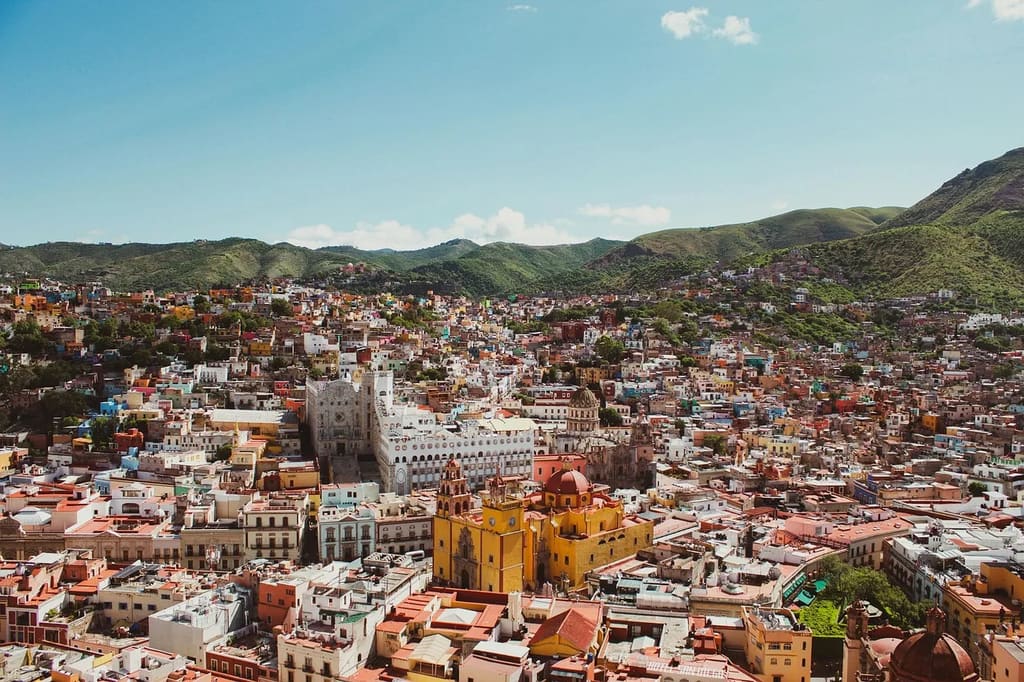
The same peso requirement turns into different dollar figures depending on where you apply. San Diego listed US$4,510 a month for temporary residency, while Las Vegas listed US$4,630.[6] Savings thresholds differ in the same way.
Permanent residency on financial grounds is stricter still. The monthly income for that route has to come from a pension.[6] Call or email your specific consulate before gathering bank statements, since the paperwork rules and the exchange rate they use can differ.
Social Security Alone May Not Clear the Bar

Social Security does count as income. Eligible US citizens can generally receive their benefits while living in Mexico.[7] The trouble is the size of the check.
The average retired worker benefit in 2026 is roughly US$2,000 a month, well below the income line.[4] That’s why many modest retirees use the savings route instead[8]. Couples don’t double the requirement[8], so two people can often qualify more easily, per person, than one.
The Strong Peso Has Changed the Math
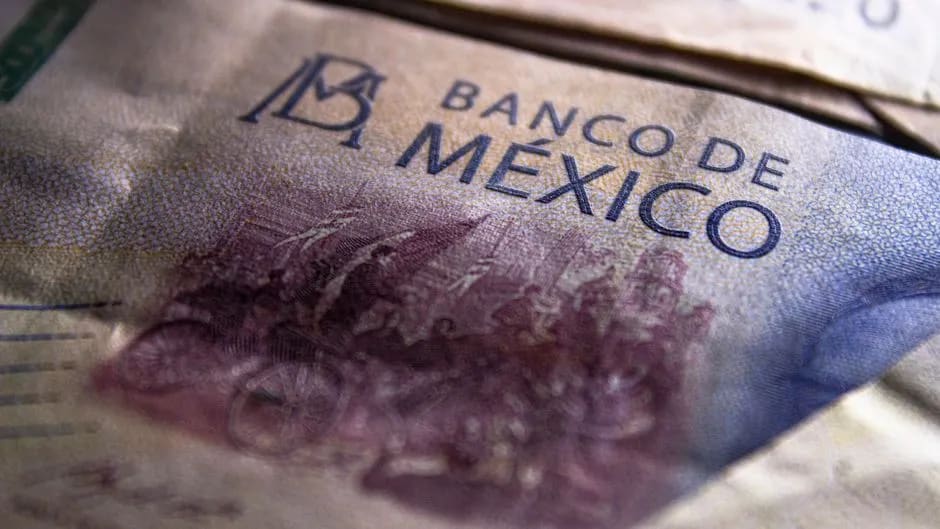
A few years ago, a weaker peso stretched every dollar. That cushion has thinned. One analysis notes a single retiree still needs between US$1,000 and US$2,500 a month, but the margin has narrowed on peso strength[9].
Exchange rates also move the visa goalposts. The income threshold rose from about US$4,432 at 18 pesos to about US$4,705 at a rate near 17.[9] Sources disagree slightly on the recent rate, with one citing about 17.2 pesos to the dollar in late September[10] and another using 18.19 on October 2[7]. Treat any conversion as a snapshot.
What Daily Life Costs by Town
Mexico is still cheaper than most American towns, though not uniformly. One 2026 visa guide lists monthly costs of $1,500 to $1,900 in Mérida, $1,900 to $2,500 in Puerto Vallarta, and $1,400 to $1,800 in Oaxaca City.[4] Housing drives most of the gap.
Where you settle can matter as much as how you live. The difference between a modest inland colonial city and an expat heavy tourist zone like Puerto Vallarta can reach $1,500 to $2,000 a month for a similar quality of life.[1] Rent and electricity are the lines that swing budgets most, especially on the coast with air conditioning running.
Medicare Stops at the Border
This is the surprise that catches the most people. Original Medicare usually does not cover care in Mexico, except in limited statutory situations.[11] You will need another plan for everyday medical needs.
Dropping Part B is tempting, but it has a cost later. Part B is $202.90 a month in 2026[12], and one analysis estimates that a decade abroad would double the premium to $405.80 if you returned and enrolled again[12]. Talk to a Medicare adviser before you cancel anything.[13]
IMSS and Private Insurance
Legal residents can join the public system. IMSS runs a voluntary program called Seguro de Salud para la Familia for an annual fee.[14] Reported prices vary widely, so check the current table with your local IMSS office. One source lists MXN 20,600 for ages 60 to 69[11], while others quote far lower dollar ranges.
Private coverage is the other path. IMSS is the cheapest option and good for emergencies, but expect long wait times, limited coverage, and language barriers.[15] Private plans buy faster service, and premiums rise with age, so it pays to lock in a policy early before new health conditions get excluded[12].
Related Stories From Travelbinger



Safety Depends on the State
The national headline is only part of the story. The State Department reissued its Mexico advisory on May 29, 2026, and the country overall remains at Level 2, Exercise Increased Caution.[16] Each state carries its own rating.
Six states sit at Level 4, Do Not Travel: Colima, Guerrero, Michoacán, Sinaloa, Tamaulipas, and Zacatecas.[16] Yucatán and Campeche are at Level 1, the lowest level.[17] Jalisco, where Guadalajara is located, is at Level 3.[18] Since many retirees consider Lake Chapala and Guadalajara, read the state and city detail before committing.
Property and Taxes Need Real Advice

Buying a home carries its own rules. Foreigners can’t hold land directly within about 50 kilometers of the coast or 100 kilometers of the border, so beach and border area purchases typically go through a bank trust called a fideicomiso. Also note that owning property only counts toward the temporary resident visa, and very few consulates will accept it even then[6].
Taxes follow you, too. Americans keep filing US returns on worldwide income, though the US and Mexico tax treaty is described as preventing double taxation on pensions[19]. Because Mexican residency can create separate local obligations, a cross border tax professional is worth the fee.
Before You Book the One Way Flight

Rent for a few months in your target town before buying anything. Confirm the current income or savings figure with the exact consulate you will use, and compare at least two health insurance quotes. Check the State Department advisory for your specific state.
The groundwork is dull, though it separates retirees who settle comfortably from those who scramble. Many people do well in Mexico on a careful budget, a proper visa, and a health plan sorted out in advance.