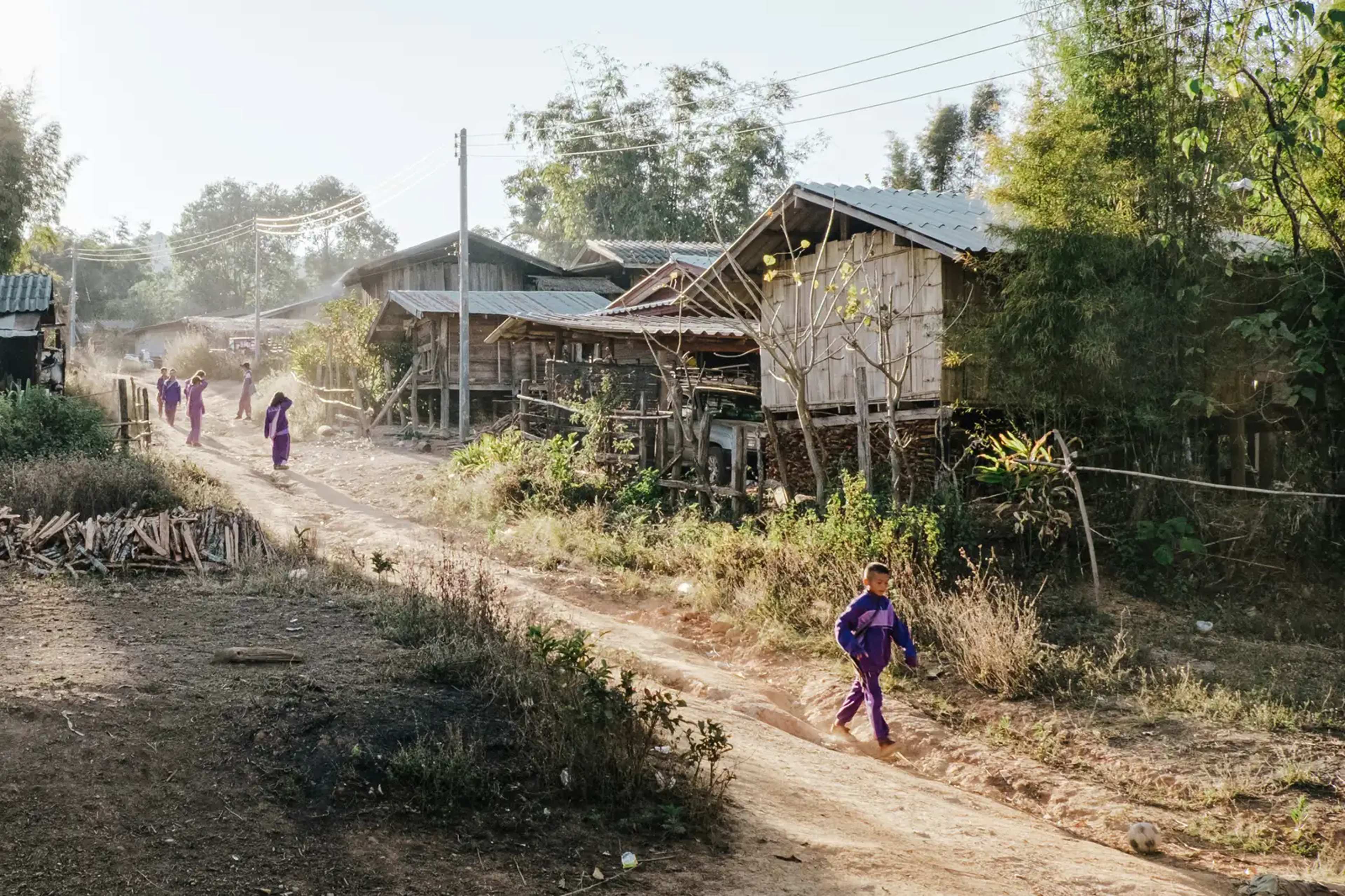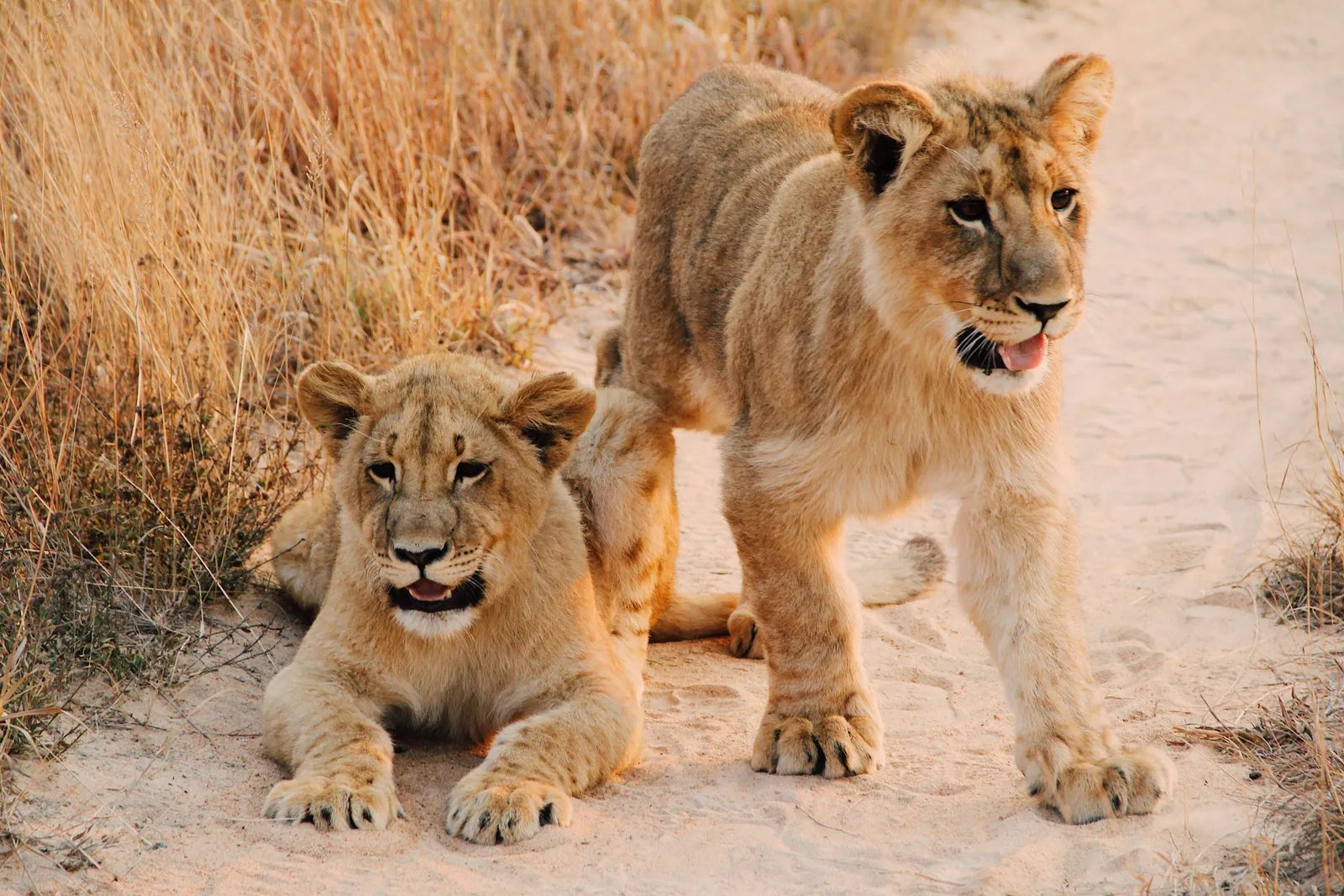
When lions move toward cattle pens at night, the loss can wipe out a household’s savings in a single raid. Retaliation has often followed, and it has put pressure on lion populations across Africa. In northern Zimbabwe, a conservation group is testing a different response that relies on people who live in the same villages as the farmers. The work is described in a recent Mongabay [1] interview with Moreangels Mbizah, a conservation biologist and founder of Wildlife Conservation Action. ([1])
Six years, two wards, and a measurable drop
Wildlife Conservation Action began its work six years ago in two wards of Nyaminyami Rural District. According to Mbizah, conflict incidents in those wards have fallen by 98 percent since then. Across the neighboring districts of Mbire and Binga, the group reports a 53 percent decline. An independent account put the figure at up to 98% in at least two rural wards, though the broader numbers still come from the organization’s own tracking.
The results are notable because the region is a hotspot for conflict. Woodlands and forests in the district are being rapidly converted to farmland, which brings people, livestock and predators into closer contact.
Why the guardians are trusted
The core of the program is a group of locally recruited workers called Batabilili. The word means “protectors” in the local language, Tonga, and its meaning cuts both ways: the guardians protect people and their livestock from lions, and lions from people.
Mbizah argues that the guardians’ credibility comes from their origins. Because they come from the same communities, she says, they are part of what she calls “the community fabric,” which gives their views weight when decisions about lion conservation are made. Their duties are practical and spread across the day and night. Their work includes:
- Helping farmers keep livestock in raised kraals
- Monitoring where lions are moving
- Warning farmers when lions enter their farming areas
- Installing solar-powered flashing lights to deter nocturnal raids by lions
- Organizing community meetings to share information and concerns
Some of the work happens early in the morning. The Batabilili guardians begin their work at dawn, tracking lion movements through footprints and droppings to provide early warnings to farmers about approaching predators and elephants. When a collared lion heads toward homes, the community guardians will rally the communities and then chase that lion back into the protected area and prevent the conflict.
Support after a loss
Mbizah says the program also addresses something that traditional conservation often overlooked. Farmers who lost animals to lions, she explains, had little support. Few people came to see what had happened, and fewer offered emotional or psychological help after an incident. Her organization set out to change that, and she believes the approach has contributed to fewer retaliatory killings of lions. Because a familiar neighbor handles the concern directly, villagers are less likely to feel that wildlife agencies care only about animals.
Recognition, expansion, and what could come next
The work has drawn international attention. Zimbabwean conservationist Moreangels Mbizah has earned international recognition after receiving the 2026 Whitley Award, which is valued at £50,000 and will allow Wildlife Conservation Action to expand into additional rural wards, recruiting more community guardians and strengthening coexistence strategies between people and predators. One report says the expansion would reach three additional rural wards affecting approximately 4,800 people, including training six new community guardians.
Related Stories From Travelbinger


The wider context remains difficult. Numbering fewer than 25,000, lions remain vulnerable to extinction. These big cats have suffered catastrophic declines and today occupy roughly 6% of their historical range. Habitat loss is also a concern, since expansion of farms into wildlife migration corridors worries Mbizah and her team. Even supporters are cautious about the model’s limits. One account describes the guardians program as not a panacea, but it has significantly helped reduce conflict between lions and people.
For travelers drawn to Zimbabwe’s wildlife areas, the story offers a useful perspective. Safari experiences depend on healthy lion populations, and those populations depend in part on the people who live beside them. Whether the Batabilili model can hold its results as it grows into new districts will be the next test.