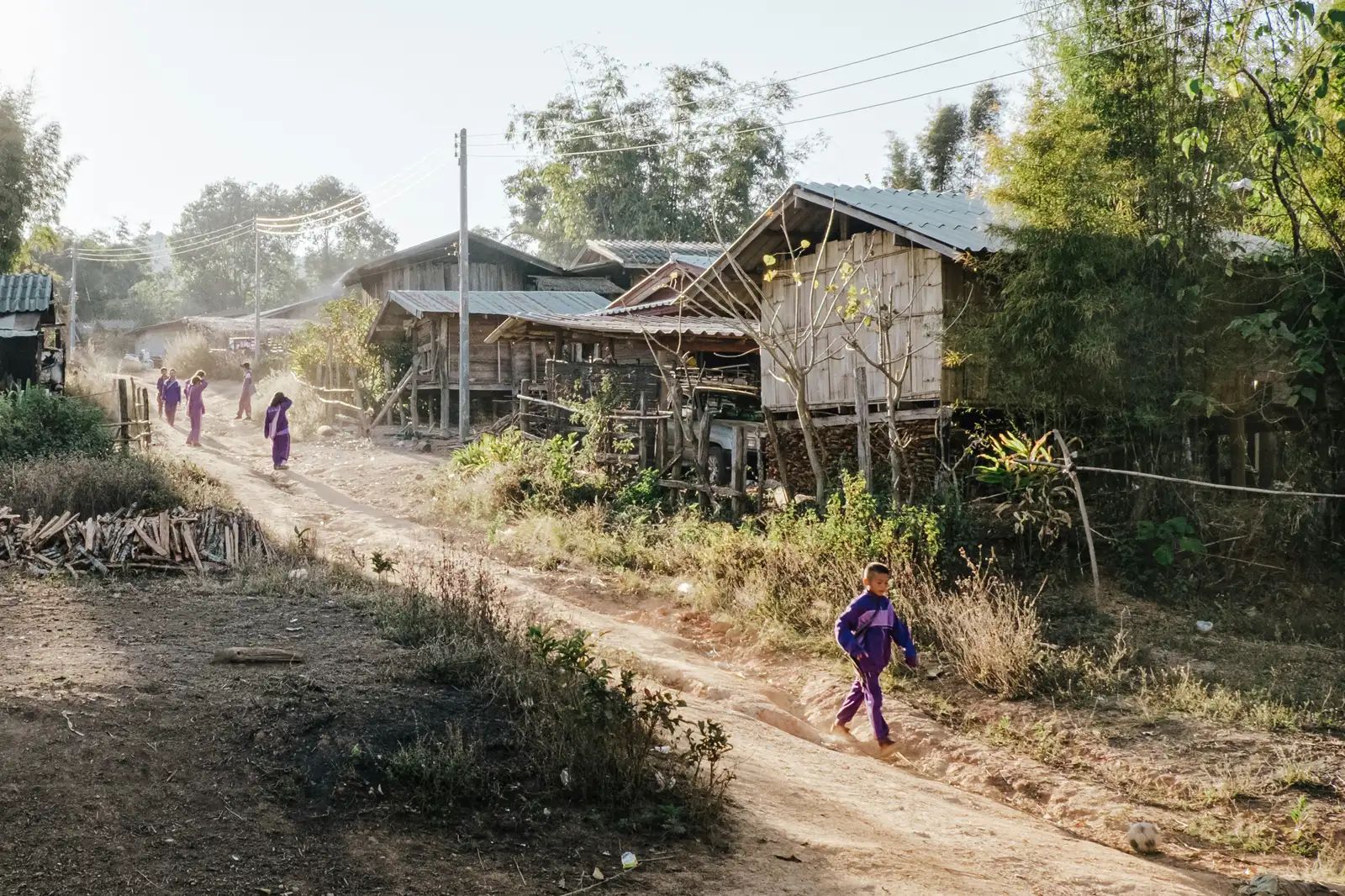
On November 16, roughly 20 members of the Awá people, who live in voluntary isolation, walked up to an Indigenous Guajajara village in Maranhão state in northeastern Brazil. Such direct contact is uncommon, and it has drawn attention from Indigenous groups and activists who see the Awá as one of the most vulnerable peoples anywhere. The story was first reported by Mongabay ([1]), and it has raised questions about how the group is faring far from the outside world.
Concern over the visitors’ health
The Guajajara who met the group noticed that several members looked severely malnourished, especially children and older adults. Community leaders voiced their worry in accounts and images that Indigenous organizations shared on social media. The villagers offered food and other items, and the Awá stayed only briefly before going back into the forest.
The reason for the visit is still unknown. Nothing in the accounts so far explains why the group chose to approach, and much of what is publicly known comes from posts by Indigenous groups rather than from an independent assessment.
How the government is responding
Funai, Brazil’s Indigenous affairs agency, told Mongabay that its technical teams are monitoring the situation. The agency said it has activated a contingency plan so that relevant bodies can respond to any change, with attention to the health and safety of the people involved. Funai also stated that the group’s right to self-determination will continue to be respected, a point that matters because the Awá have chosen to remain apart from outside society.
Sarah Shenker, director and senior researcher at Survival International Brazil, described the episode as highly unusual. Other isolated peoples make contact fairly often, she said, but the Awá of the Arariboia Indigenous Territory have not appeared in this way, or made such close contact, in decades. She added that the appearance is a cause for concern.
A people under constant pressure
Survival International has long described the Awá as the world’s most threatened tribe. The Guajajara live in the same region and have regularly patrolled the area to protect the Awá ([2]). Earlier footage shows how carefully the group avoids outsiders. A short clip filmed by a Guajajara hunter in 2019 captured an Awá man in the woods, apparently unaware of the camera, and the filmmaker said the video showed the group did not want contact, even with the Guajajara.
Indigenous activists have used the latest encounter to press for stronger public policies. Their argument is that any measures must place the lives and safety of these peoples first, and that protecting them means guaranteeing their right to remain in their territories and keep their way of life.
Related Stories From Travelbinger



What to watch in the coming weeks
The next stage will show whether the response on the ground matches the commitments made so far. Several points deserve attention:
- Whether Funai’s teams can check the health of the group without disrupting their movements or territory.
- How the contingency plan is applied in the Guajajara villages nearest the forest.
- Whether the Awá return to the area, and how neighboring communities respond if they do.
- Whether protection efforts in Maranhão expand in the way activists have requested.
The visit lasted only a short time, and the group walked back into the forest without any clear answers. Still, the image of children and elders appearing at the edge of a village has made the Awá’s precarious situation harder to ignore. How authorities and Indigenous communities respond in the weeks ahead will determine whether this brief meeting becomes a turning point or a warning that passes unheeded.