Most road trip maps are drawn around the same famous names. The national parks, the big coastal cities and the postcard streets get all the attention, and the places in between get a glance through the windshield.
Yet some of the most memorable stops in the country sit a short detour from the main route. These twelve towns have real history, odd landmarks and plenty to do, and most never reach the usual lists.
Eureka Springs, Arkansas: A Victorian Village Stacked on a Hillside
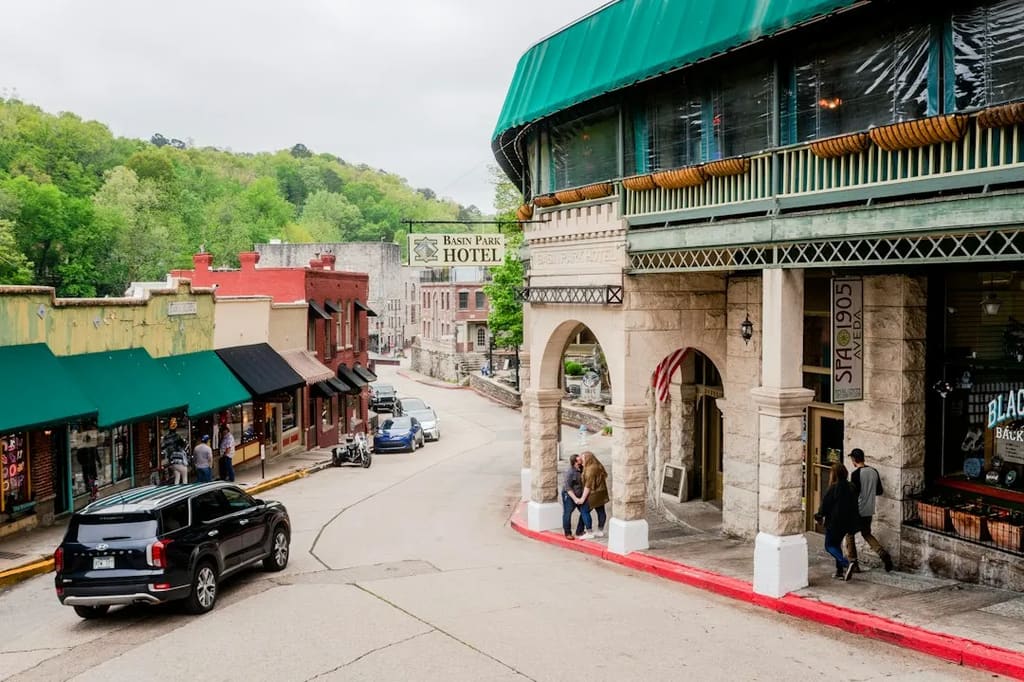
Eureka Springs climbs through the Ozarks on steep, winding streets. Nearly the entire downtown was placed on the National Register of Historic Places in 1970.[1] The Basin Park Hotel, built in 1905, sits over the spring that gave the town its name.[1]
Plan for hills. Streets are steep and parking is limited in the historic core, so the trolley can be more useful than moving a car again and again.[2] If your trip lands in early December, the 45th annual Christmas Tour of Homes is set for December 5, 2026.[3]
Bisbee, Arizona: Underground in a Copper Camp
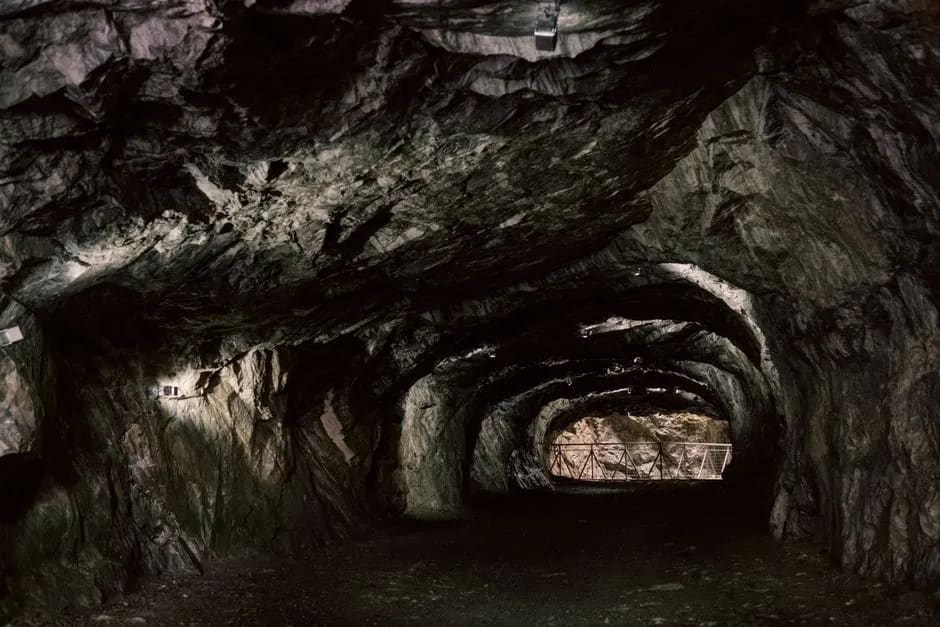
Bisbee sits in the Mule Mountains of southeastern Arizona, at roughly 5,500 feet, so it stays cooler than Tucson or Phoenix.[4] The Copper Queen Mine began operating in 1877 and became one of the richest copper mines in the world.[5]
The Queen Mine Tour is the easiest way to feel that history. It opened in 1976 to preserve jobs for laid off miners.[6] Tours last about 75 minutes[7], and reservations are required[4], so book ahead.
Mineral Point, Wisconsin: The Most Cornish Town in America

Lead drew settlers to southwestern Wisconsin in the 1820s. By 1845, roughly half of Mineral Point’s population had Cornish ancestry.[8] Mineral Point became the most important lead producing region in the nation during the mid 19th century.[9]
That heritage is still easy to find. Downtown centers on a historic district that was the first in Wisconsin to be listed on the National Register of Historic Places.[10] The Red Rooster Café on High Street serves Cornish pasties and figgyhobbins[10], and Pendarvis, owned by the Wisconsin Historical Society, is a museum of early lead mining.[11]
Natchez, Mississippi: Old River History Without the Crowds
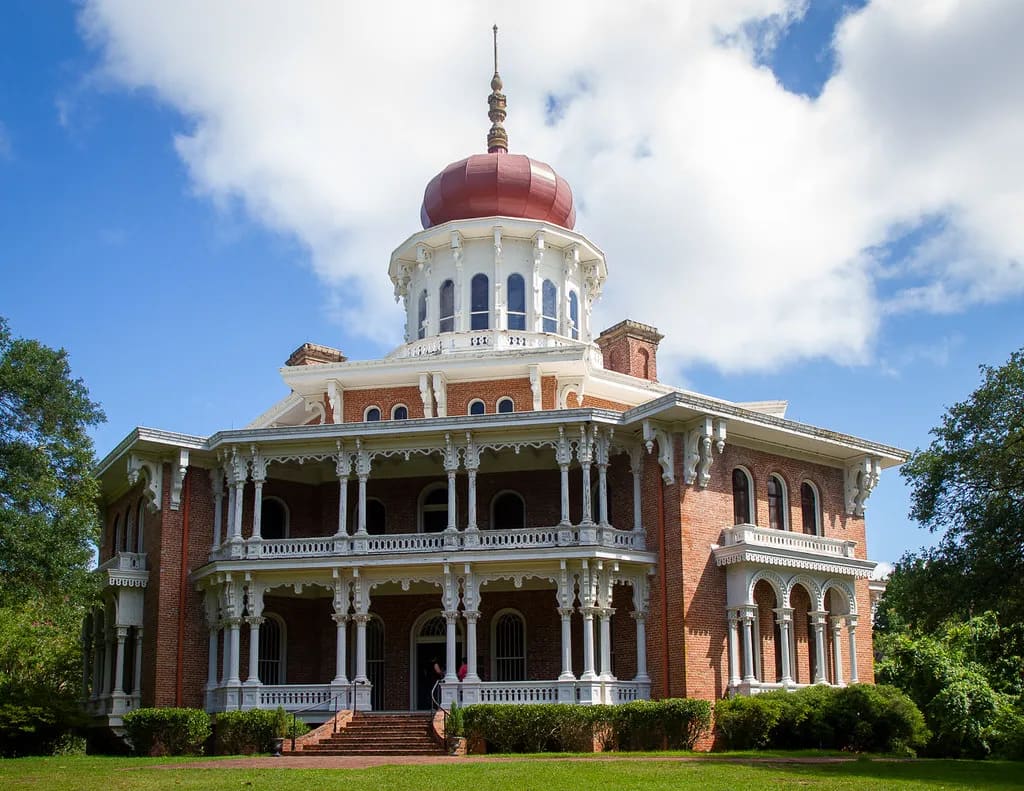
Founded in 1716 by French colonists, Natchez is the oldest permanent European settlement on the Mississippi River.[12] It’s a quiet bluff town where the main attraction is the architecture.
One road trip guide says it gets roughly 300,000 visitors a year, a fraction of New Orleans[12], which sits several hours to the south. The same guide claims it holds more antebellum mansions than any city in America.[12] That ranking is hard to verify, but the mansion tours are the reason most people stop.
Helper, Utah: Mining History with a Retro Streak
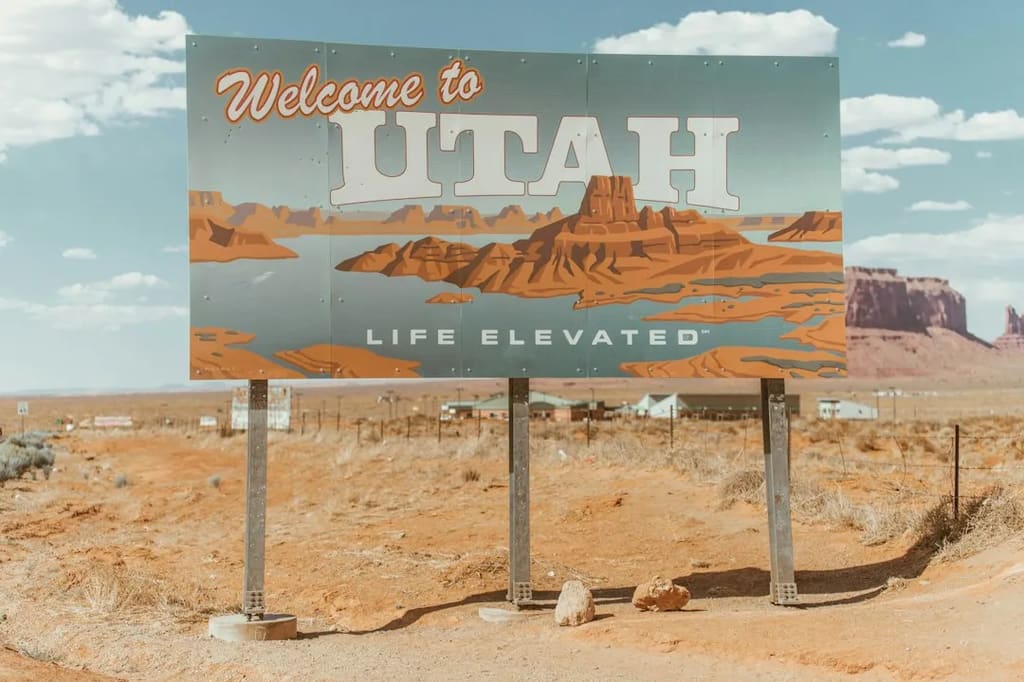
Most travelers in Utah are headed to the red rock parks. Helper is named after the helper engines that pushed coal trains up steep cliffs toward Salt Lake City, and it blends mining history with an arts scene.[13]
The main street feels like a movie set. There are restored Conoco and Sinclair gas stations, a collection of neon signs, and an 18 foot coal miner statue known as Big John.[13] It makes a good break from canyon country driving.
Santa Rosa, New Mexico: A Desert Swimming Hole on Route 66
Santa Rosa sits on the old Mother Road, and most travelers take the highway straight past it. Its Blue Hole is a natural artesian spring that stays a crisp 62 degrees year round.[14]
The clear, deep pool attracts swimmers and scuba divers who practice in its water.[14] After a long, dry stretch of driving across eastern New Mexico, it’s a surprisingly welcome stop. Check current access rules before you go, since conditions at swimming spots can change.
Jim Thorpe, Pennsylvania: Little Switzerland in the Poconos
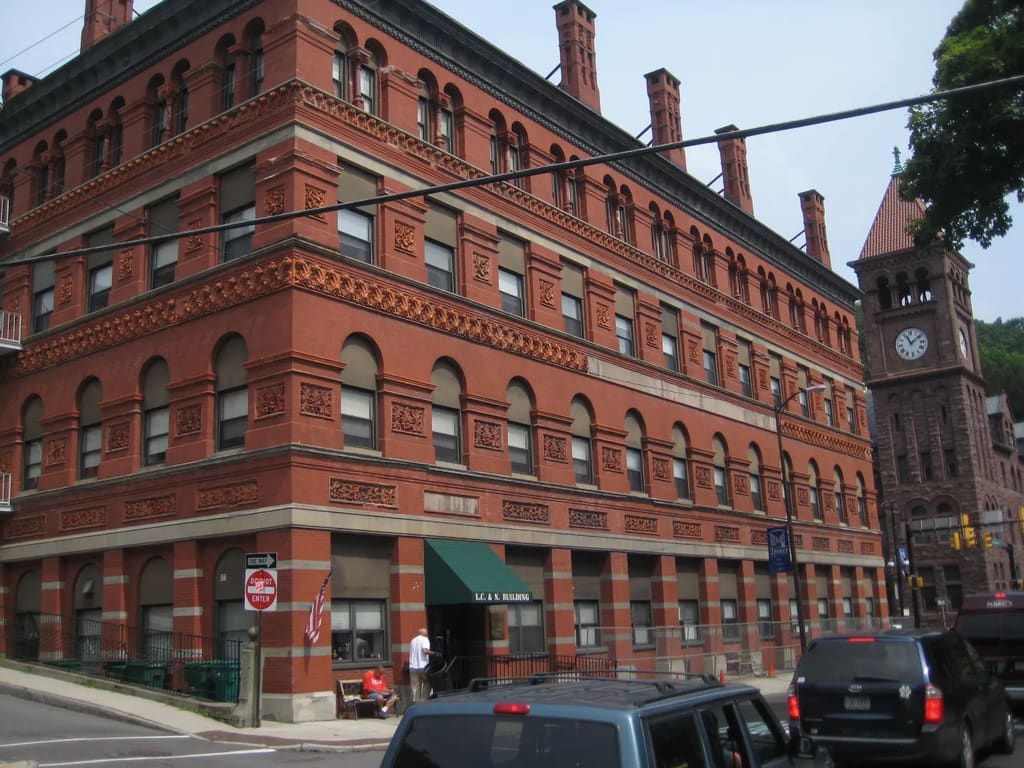
Jim Thorpe is tucked into the Poconos of eastern Pennsylvania and carries the nickname Little Switzerland because of its European style buildings, a scenic railway and steep topography rising from the valley floor.[15] The town was once called Mauch Chunk before taking the name of the Olympic athlete in 1954.
It works well as a short stop on a northeastern drive. One travel roundup calls it the most compact and charming weekend escape on its list, with gorge recreation and year round access.[15] Bring comfortable shoes, because the streets are steep.
Astoria, Oregon: A River Mouth Town Beyond the Beach Crowds
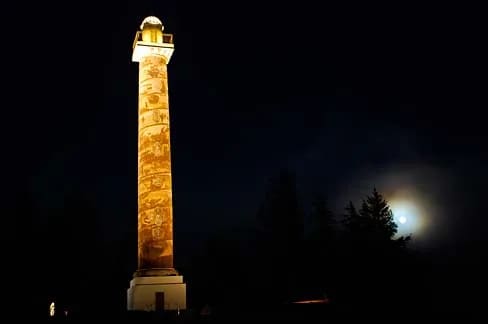
Astoria sits where the Columbia River meets the Pacific, a good distance from the busiest stretches of the Oregon coast. The Astoria Column is a 125 foot painted concrete tower on Coxcomb Hill with a 360 degree view of the river mouth.[12]
Nearby Cannon Beach is 26 miles south[12] and draws far bigger crowds. Astoria’s working waterfront and hillside streets give you a calmer feel. Fog and rain are common, so pick your viewing day carefully.
Natchitoches, Louisiana: The State’s Oldest City
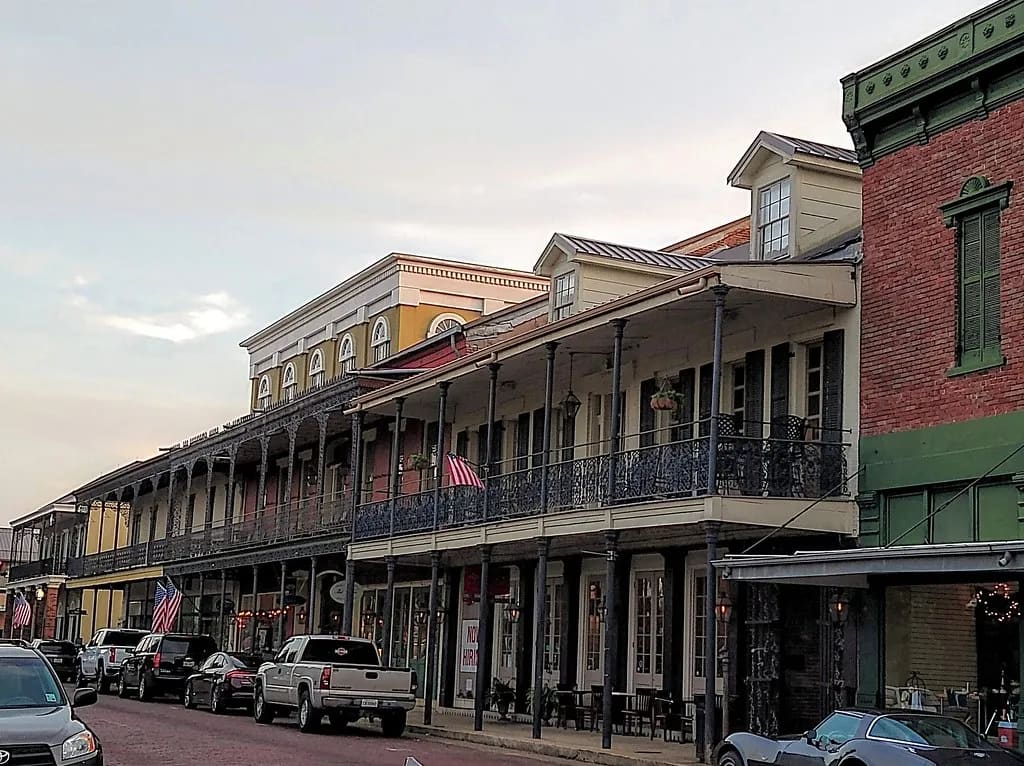
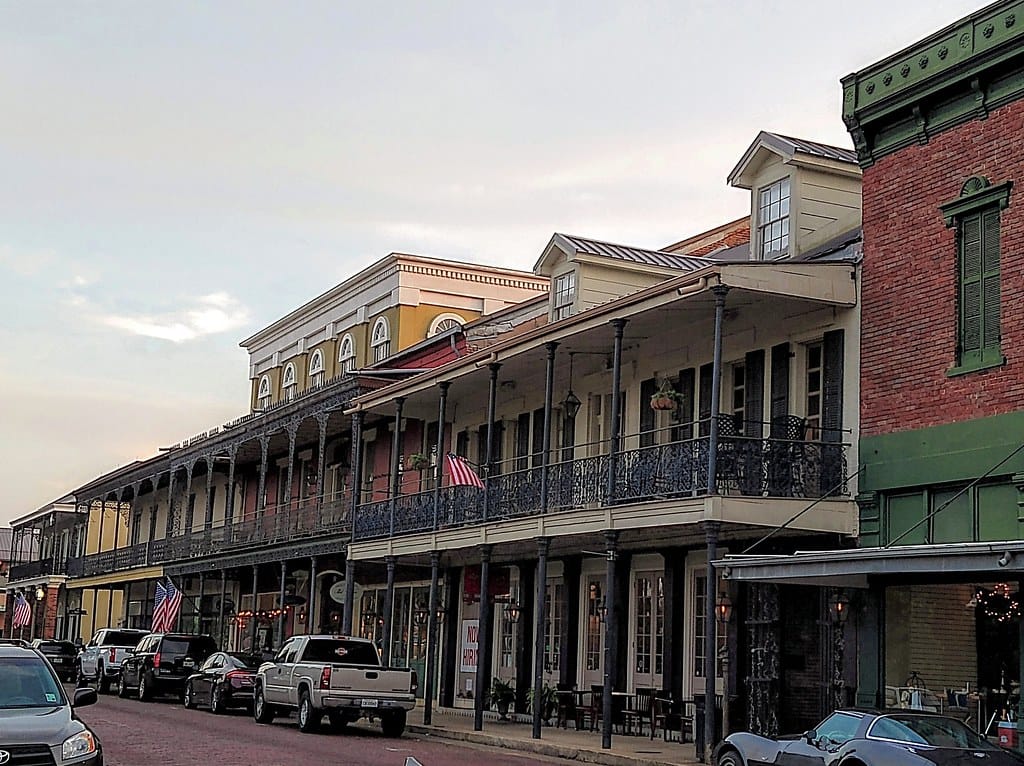
Natchitoches is the oldest city in Louisiana.[16] It was founded in 1714 along the Cane River, and its brick paved downtown faces a long waterfront on Cane River Lake.
Film fans may recognize it from Steel Magnolias, which was shot here in the late 1980s. The town is also known for its meat pies and for a December lights festival that has run for generations. Check the festival dates if you want to time a winter visit.
Related Stories From Travelbinger

Berea, Kentucky: A College Town That Runs on Craft

Berea sits about fifty miles south of Lexington on Interstate 75, with a population of roughly fifteen thousand.[12] It’s long been known as the folk arts and crafts capital of Kentucky.
Berea College, founded in 1855, anchors the town, and many students work in campus craft programs. Weavers, potters and woodworkers show their pieces in studios and shops around the college and the old railroad district. It’s an easy, low stress stop between the Bluegrass and the Appalachian foothills.
Marfa, Texas: Art and Big Sky in the High Desert
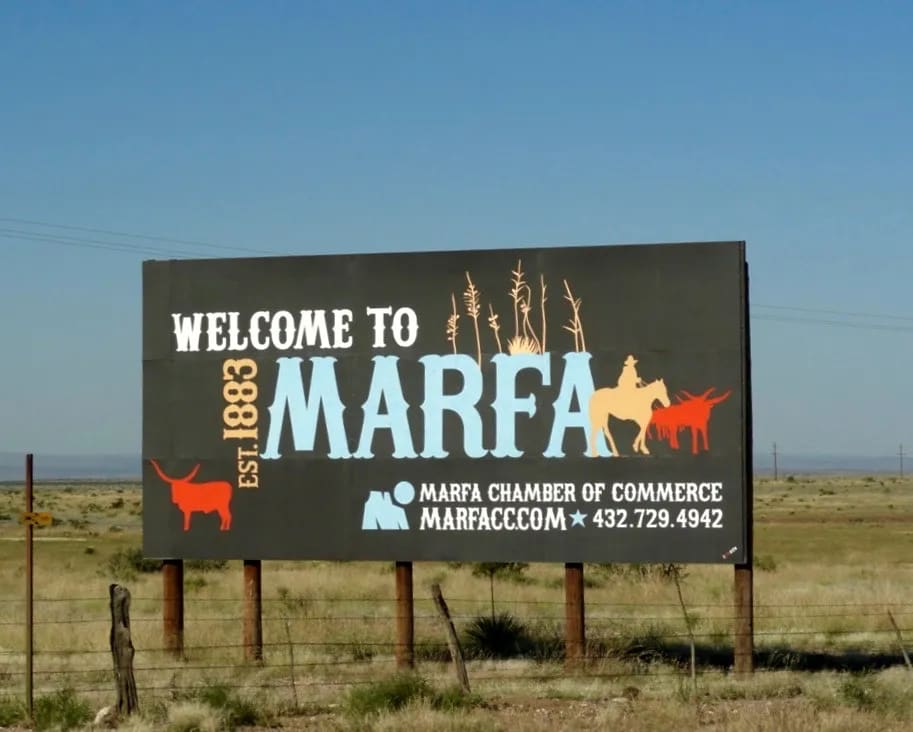
Marfa is small. One road trip guide lists its population at 1,752 and its elevation at 4,688 feet.[12] It’s best known for contemporary art, including installations from the Chinati Foundation.
It isn’t a casual detour. The same guide warns that Marfa and Big Bend need more preparation, because of extreme heat, long distances between services and limited pediatric medical access.[12] Fill the tank, carry water and book lodging early.
Hood River, Oregon: Mountain Views and Gorge Winds
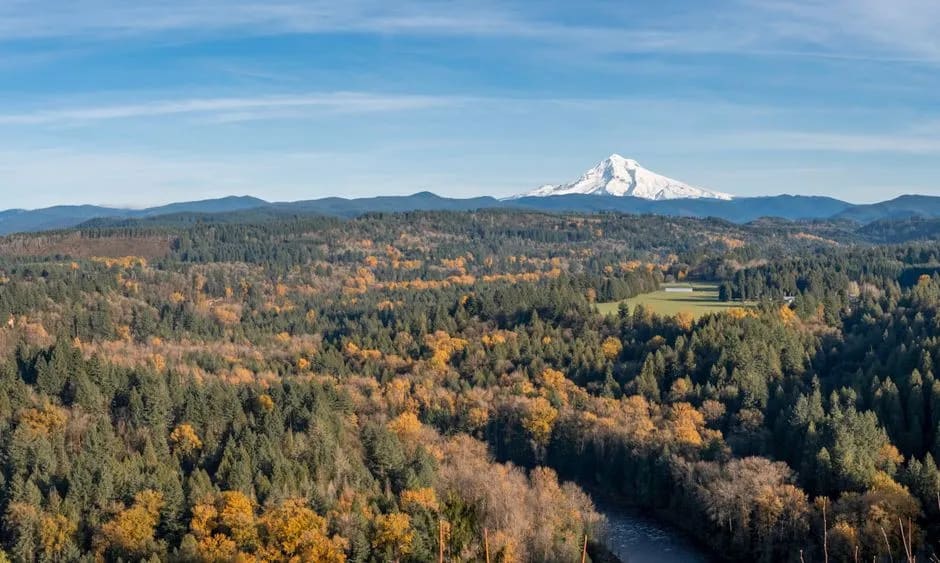
Hood River is described as Oregon’s only mountain and beach town.[17] It sits just over an hour’s drive from Portland.[17] It’s a good base for windsurfing, orchards and Columbia River Gorge views.
For a slower option, the Mount Hood Railroad takes passengers through vineyards and forests near the base of Mount Hood.[17] Pair it with a loop through local orchards and tasting rooms. Check the railroad’s current schedule before you plan your day around it.