All five of the newest countries on the map came into being in the twenty first century, and none of them has had long to build a travel industry. That shapes the visit in practical ways, from border paperwork to how much infrastructure you can count on.
Some are easy to reach and welcoming, while one is a place most governments tell their citizens to stay away from. Here is what a trip to each looks like, starting with the youngest.
South Sudan, the Youngest of All
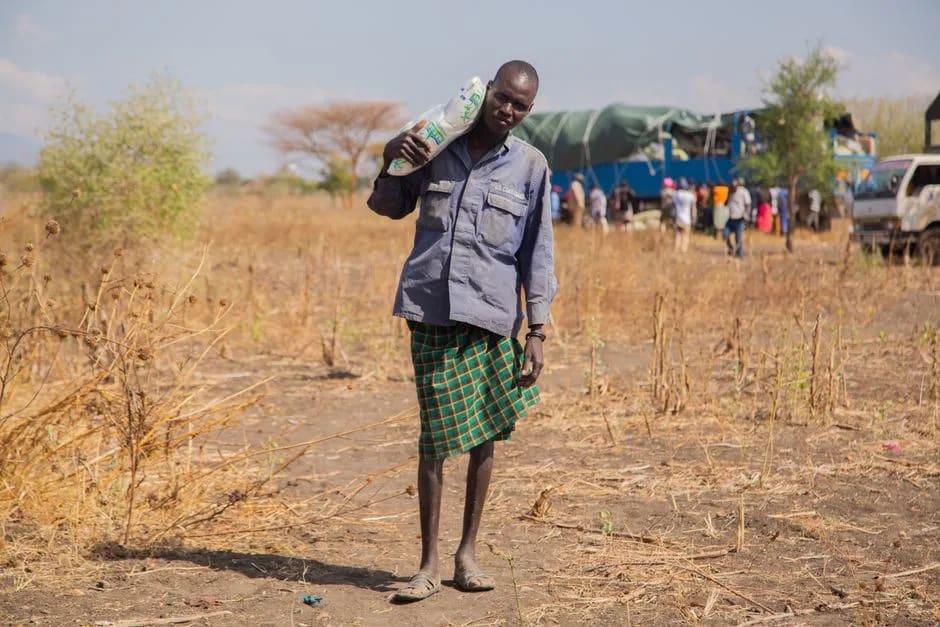
South Sudan became independent on July 9, 2011, after a referendum in which nearly all voters chose separation from Sudan.[1] It became the youngest country in the world when it joined the United Nations in 2011.[2] Its capital is Juba, on the White Nile.
Visiting is a different matter from reading about it. The US State Department last issued its advisory on May 17, 2026, at Level 4, which means do not travel for any reason.[3] The UK Foreign Office also advises against all travel to the entire country.[4] Violent crime is common, including carjackings, shootings, ambushes and kidnappings.[3] The country has no travel circuit in the normal sense.[4]
Kosovo, Europe’s Newest Contested State
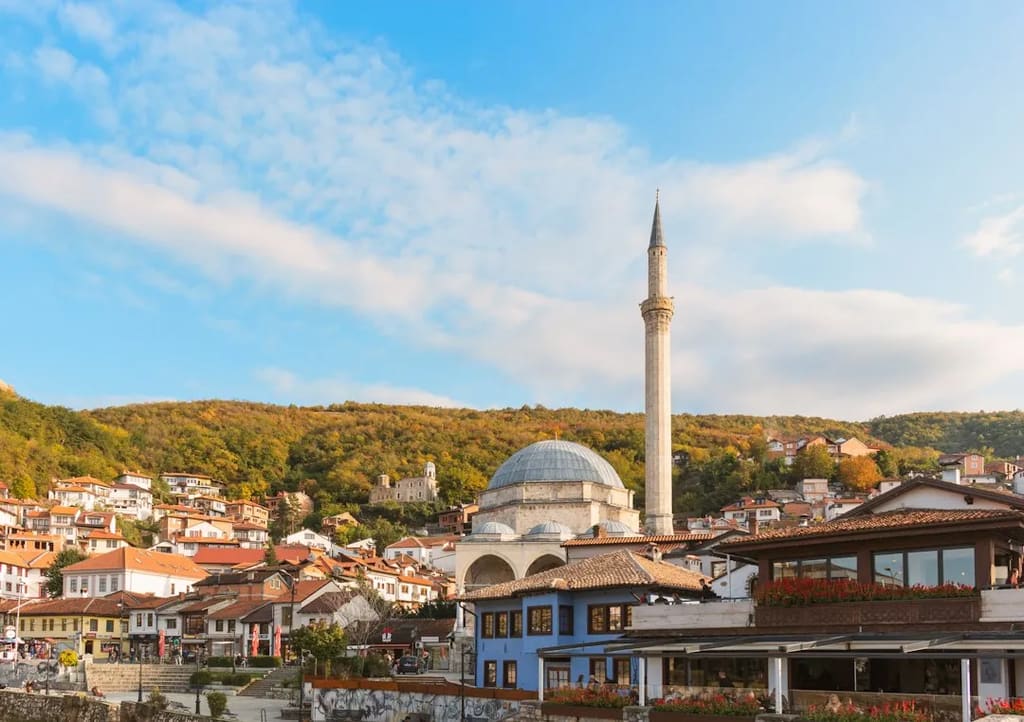
Kosovo declared independence from Serbia on February 17, 2008.[5] More than 100 countries recognize it, though it isn’t a UN member.[6] Serbia and Russia are among those that refuse to acknowledge it.[7] For a visitor, that political split mostly shows up at borders.
Getting in is simple for many nationalities. Americans need a valid passport and no visa for visits under 90 days within a six month period.[8] Kosovo isn’t part of Schengen, so your days there are counted separately.[9] Authorities began reinforcing registration requirements for foreigners on March 15, 2026.[8] Carry proof of accommodation and onward plans, and confirm passport validity rules, since sources differ on how long it must remain valid.
Montenegro, Small, Coastal and Fairly Easy
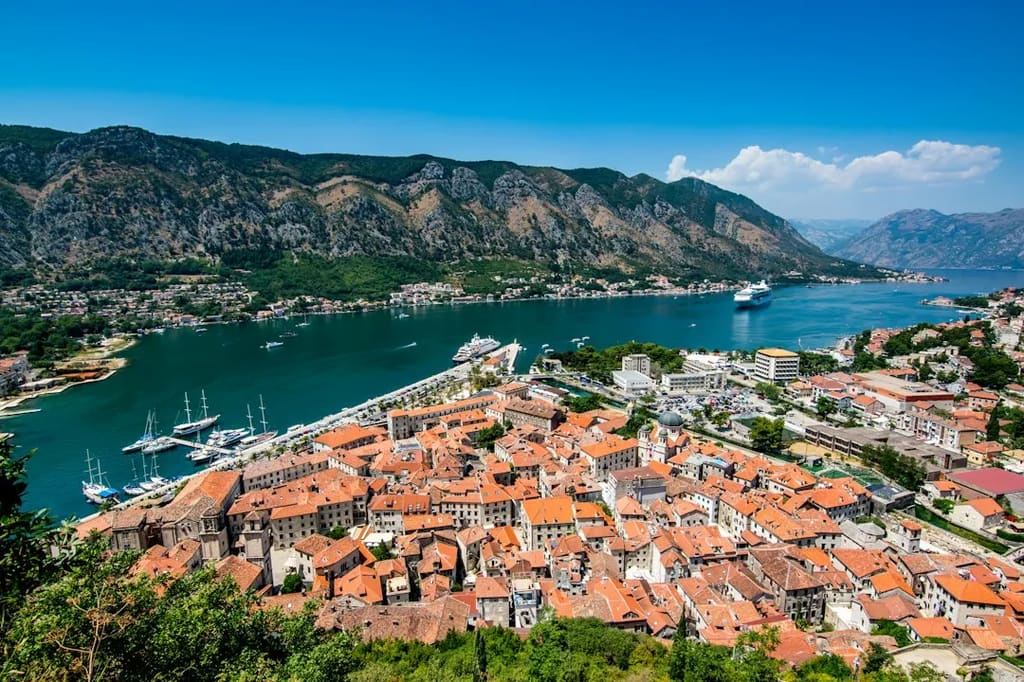
Montenegro became independent on June 3, 2006.[10] The referendum barely cleared the 55 percent threshold required.[1] The country joined NATO in 2017 and is a candidate for EU membership.[1] It’s known for its Adriatic coastline and mountainous terrain, and tourism has been growing.[10]
The entry rules are fairly relaxed. Citizens of the EU, UK, US, Canada, Australia and many other countries can enter without a visa for up to 90 days in any 180 day period, with a passport issued within the last ten years and valid three months beyond departure.[11] ETIAS isn’t needed to visit Montenegro.[12] The EU’s Entry/Exit System became fully operational on April 10, 2026, but Montenegro isn’t part of it.[13] Visitors must register their place of stay within 24 hours of arrival in each municipality.[13] One guide also flags a visa change from November 1, 2026, so check your nationality before booking.
Serbia, Two Days Younger Than Its Neighbor
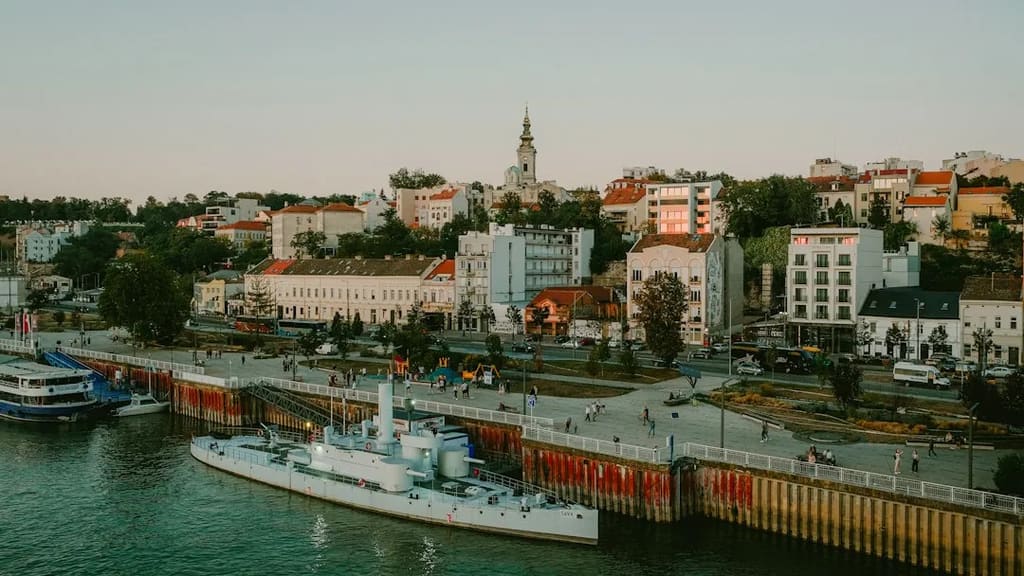
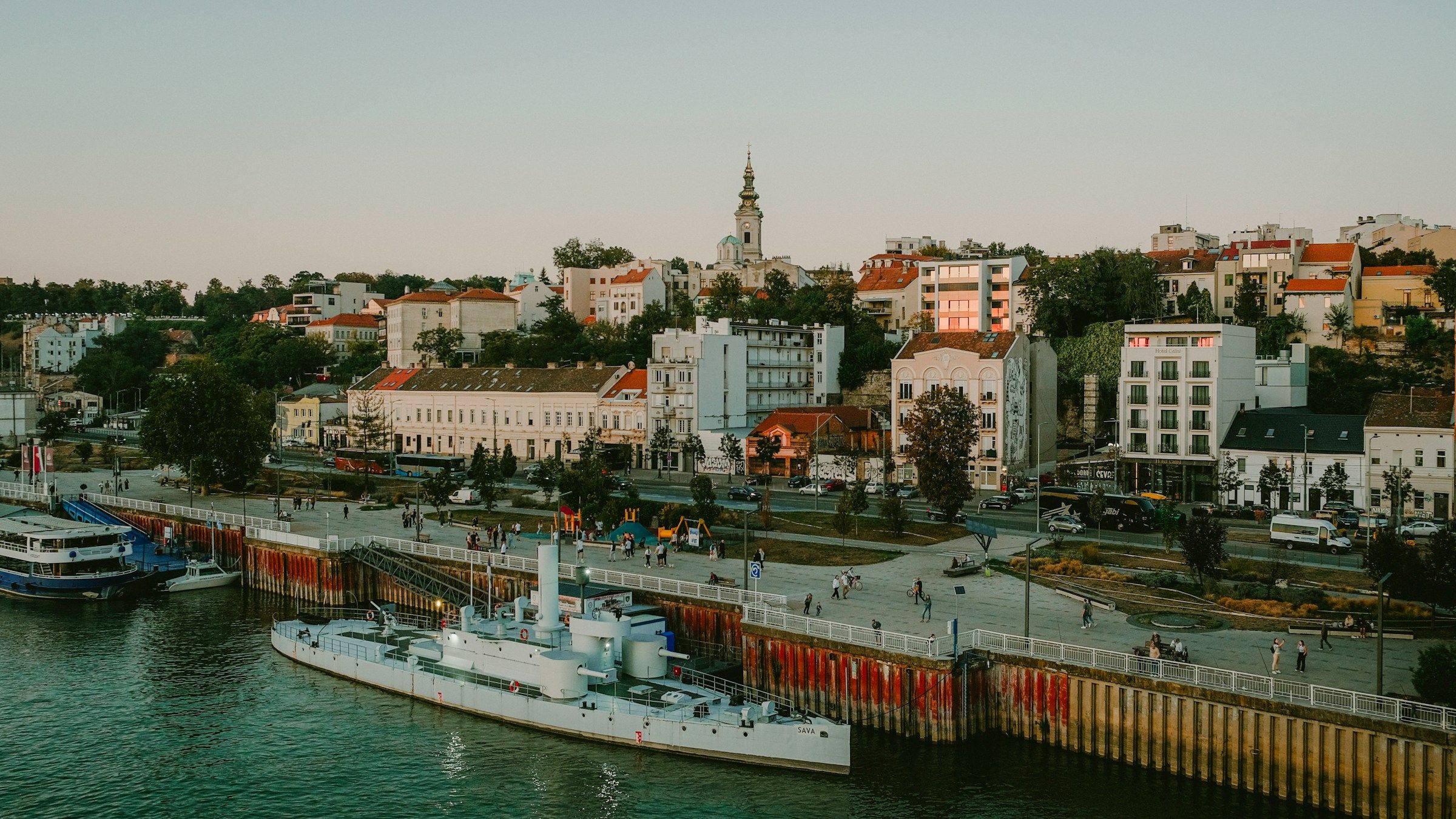
Serbia became independent on June 5, 2006, following Montenegro’s secession.[10] It is the legal successor of the State Union of Serbia and Montenegro.[10] The country has a much longer history than its modern statehood suggests, with Belgrade as the obvious starting point for most visitors.
Serbia isn’t in Schengen, so travelers connecting through Belgrade don’t need ETIAS.[12] Entry conditions depend on your passport, so confirm them with Serbian authorities. The bigger practical issue involves Kosovo. Border guards have denied foreign nationals entry to Serbia when their passports carried Republic of Kosovo stamps.[14] If both countries are on your list, this affects the order you visit them in.
East Timor, Asia’s Youngest Country
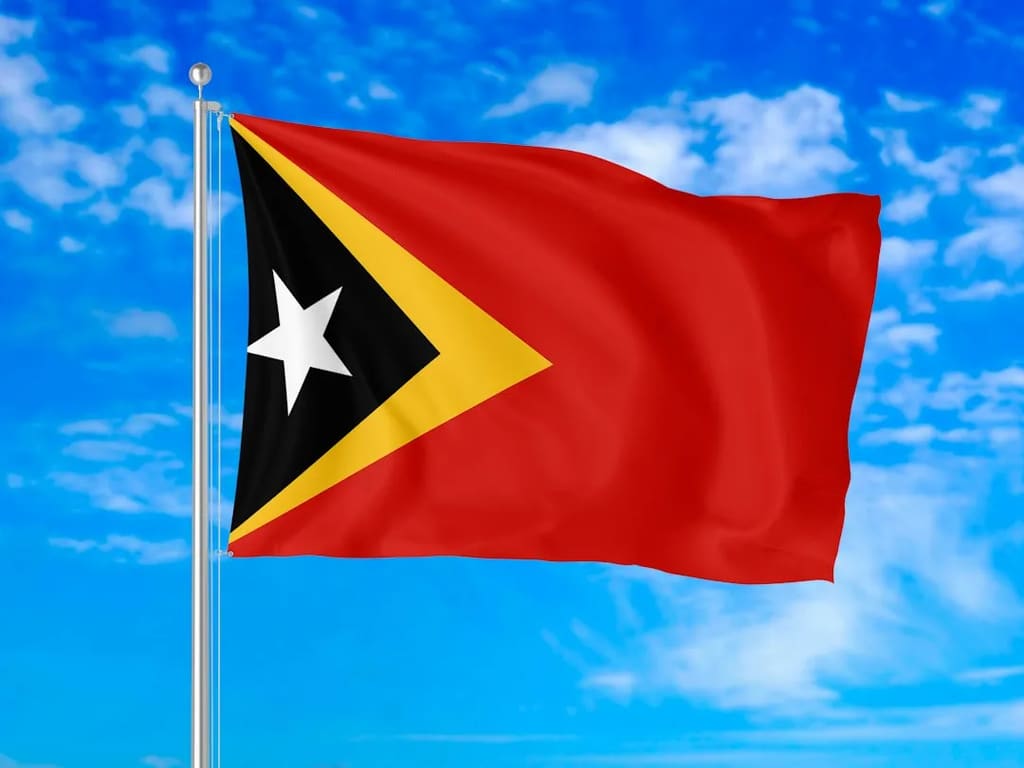
East Timor, officially Timor Leste, became a sovereign nation on May 20, 2002.[7] It was under Portuguese control from the 16th century until 1975.[15] Independence from Indonesia followed a 1999 referendum supervised by the United Nations.[6] It occupies the eastern half of an island just north of Australia.
It’s also one of Asia’s poorest nations[1], so expect simple facilities outside the capital, Dili. The country became the eleventh member of ASEAN in October 2025, which may gradually improve regional links. Visa terms depend on nationality, so confirm them with an East Timor embassy before you book flights.
Planning the Order of Your Route
The Balkan trio fits neatly into one itinerary. Visit Serbia before Kosovo, or enter Kosovo from Albania, North Macedonia or Montenegro, to avoid the stamp problem. Travelers heading from Kosovo to Serbia are likely to be refused entry without a valid Serbian entry stamp.[14]
If you’re driving from Croatia, remember that crossing into Montenegro counts as a Schengen exit that EES records, and coming back is a new Schengen entry.[16] Before any trip, check your own government’s latest advisory for each country. For South Sudan, that advisory is currently the deciding factor.