


Booking a flat for a long weekend in Lisbon or Barcelona used to feel like a simple decision. In 2026 it comes with more context than most travelers expect. New EU rules took effect in May, and in September Brussels proposed another set of measures aimed at the same problem.
Behind those rules is a long argument about who gets to live in the centers of Europe’s most visited cities. The details differ from country to country, and some of them changed only in the past few months. Here is what’s actually going on, and what it means if you’re about to click “reserve.”
Why Holiday Lets Became a Housing Issue

Residents in many popular destinations blame short term lodgings for depriving locals of apartments for long term rental and pushing up prices.[1] Vacation rental providers dispute that.[1] So the starting point is a disagreement, not a settled fact.
The European Commission’s housing plan takes a cautious position. It argues that in cities, islands and tourist destinations with constrained housing markets, homes used mainly for short stays can reduce the stock available to long term residents.[2] Platforms and property owners have challenged the claim that holiday accommodation is a major cause of the crisis.[2]
Protests Put the Issue on the Street

The shortage of affordable housing linked to the surge in holiday rentals has pushed residents, especially young Europeans, to take to the streets.[3] In Spain, the water gun became a recognizable symbol of the overtourism demonstrations, which started in July 2024 with a rally held by a small activist group.[4]
Tourism numbers help explain the frustration. A record 94 million foreign tourists visited Spain in 2024.[5] Housing problems have other roots too. In Portugal, the crisis traces back to a chronic shortage of affordable and social housing, made worse by wealthy foreigners arriving on the promise of tax breaks.[6]
Barcelona’s 2028 Deadline for Tourist Apartments

Barcelona has taken the hardest line of any major European city. Mayor Jaume Collboni announced that the City Council won’t renew any licences for short term tourist accommodation once they expire in November 2028.[7] More than 10,000 legally registered flats are affected.[7]
The policy survived a legal test. In March 2025, Spain’s Constitutional Court rejected the appeals and confirmed the city’s authority to enforce it.[8] It isn’t a ban on the website itself, though. Hotels, hostels and other licensed lodgings will keep operating and may still appear on platforms.[9] The city’s reasoning is rooted in prices: Collboni has said renting in Barcelona has risen by 68 percent over the past decade.[10]
Spain’s Push to Delist Illegal Listings

Spain’s national government has gone after the platforms directly. The Ministry of Consumer Affairs ordered Airbnb to delist 65,935 holiday rental ads that allegedly ignored regional housing laws.[11] The ministry later said Airbnb had withdrawn about 65,000 listings, and that it had identified nearly 55,000 more.[12]
The financial consequences followed. Spain’s fine against Airbnb equals six times the profits the company made between the warning and the removal of the listings.[5] Booking.com was also ordered to remove more than 4,000 illegal listings in June 2025.[5] Separately, authorities removed more than 53,000 illegal tourist flats from official registers, mostly in Andalusia, the Canary Islands, Catalonia and Valencia.[5]
The Spanish Registry That Was Struck Down

Spain’s national registration system had a short life. The registry, created under Royal Decree 1312/2024, became mandatory on 1 July 2025.[13] On 21 May 2026, Spain’s Supreme Court struck it down.[14]
That doesn’t mean anything goes. Existing regional rules are still in place.[14] One 2026 guide notes that the national number lost its legal basis in May 2026, so the regional tourism register is the one that counts.[15] For travelers, the practical lesson is that Spanish rules now depend heavily on the region.
What the EU Regulation Changed in May 2026

Regulation (EU) 2024/1028 began applying across the bloc on 20 May 2026. It requires platforms to display and verify a registration number on listings in any member state that runs a registration scheme, and to suspend listings that lack one.[16] Platforms must also report activity to the authorities every month.[17]
It’s easy to overstate what this does. It doesn’t legalize or ban short term rentals anywhere, and it doesn’t create an EU wide licence.[16] Whether a property has to be registered at all is still decided by the country, region or municipality.[18] In short, the regulation is mostly about data and verification.
The Affordable Housing Act Proposal

On September 9, 2026, the European Commission presented its Affordable Housing Act.[19] The text would give cities and countries a clearer legal basis to restrict holiday lets. It would apply in areas deemed under housing stress, and it could also cover the purchase of property for short term rental.[1]
There are guardrails built in. Authorities would have to show that short term rentals had a significant adverse effect on housing affordability or availability for at least three years.[1] Restrictions would need to be based on evidence, limited to the affected areas and not retroactive.[3] They wouldn’t apply to individuals renting out their primary residence.[19] Keep in mind that the act is still a proposed regulation[19], and industry groups have already criticized parts of it.
Registration Numbers Across Other Countries

Spain isn’t alone in demanding paperwork. A 2026 overview lists a 13 digit Declaloc number in France, the CIN in Italy, the RNAL in Portugal and the AMA in Greece.[16] The names differ, but the idea is the same: a listing should be traceable to a registered unit.
Related Stories From Travelbinger



Portugal and Greece show how local the details get. In Portugal, the Alojamento Local number has been permanent and transferable since November 2024, and Lisbon’s containment zones close new registrations.[17] In Greece, short term rentals surged in 2024, with available beds in rental units overtaking beds at the country’s hotels[6], which prompted Athens to limit them.
What It Means for Your Booking
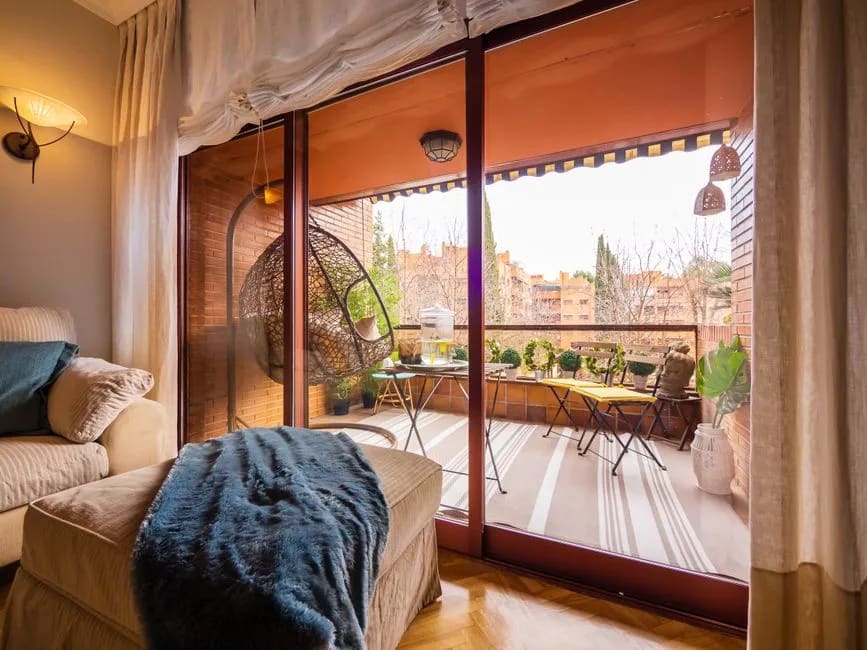
For most visitors, the biggest practical change is a listing that might vanish. In Spain, if a registration number is officially revoked, the listing is removed within 48 hours.[20] A missing or invalid number is a reason to be careful, since in places that require one a listing without a valid number cannot stay up.[16]
It’s sensible to look for the registration number on the listing page and compare it with the rules of that city or region. If it’s absent where one is required, ask the host or choose something else. Supply may tighten too: one travel commentary expects that a shrinking pool of legal tourist apartments in Barcelona will mean fewer options and higher prices.[21] That’s a forecast, not a measured result.
Where Things Stand Now
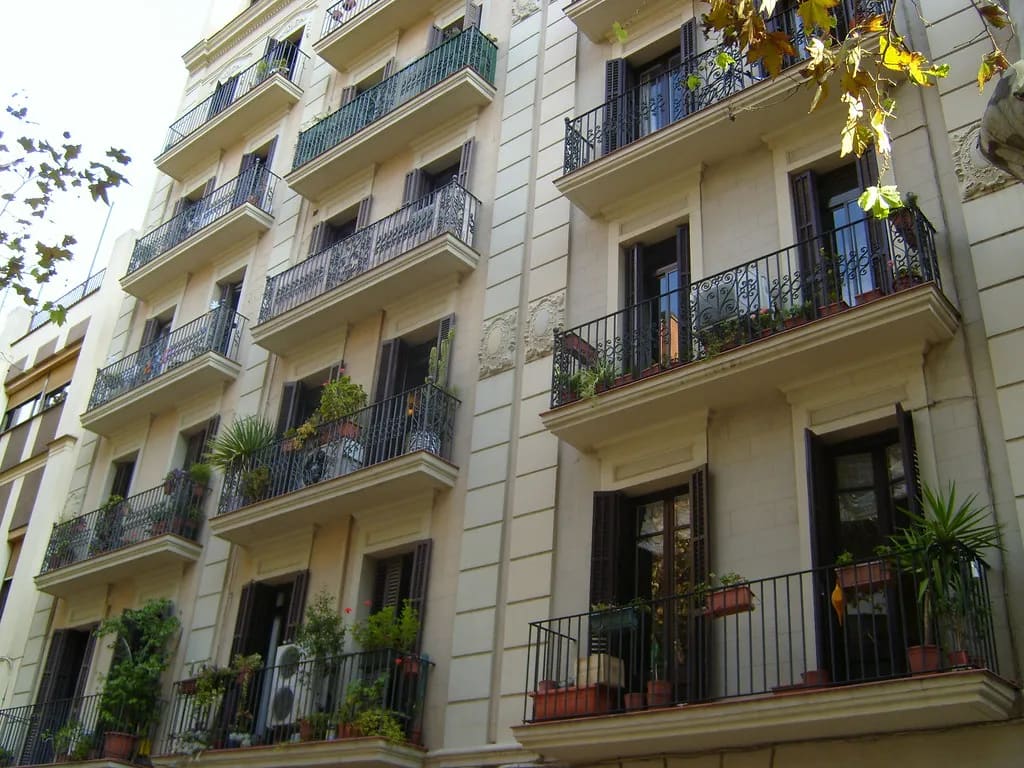
The EU registration and data rules have applied since 20 May 2026, but each country still decides whether registration is required. Barcelona’s licences for roughly 10,000 tourist apartments run out by November 2028. Spain’s national registry has been struck down, while regional rules remain in force.
The Affordable Housing Act is a proposal and has not become law. If it does, cities in areas under housing stress would have a clearer legal route to limit short term rentals, subject to evidence and the exemption for primary residences.