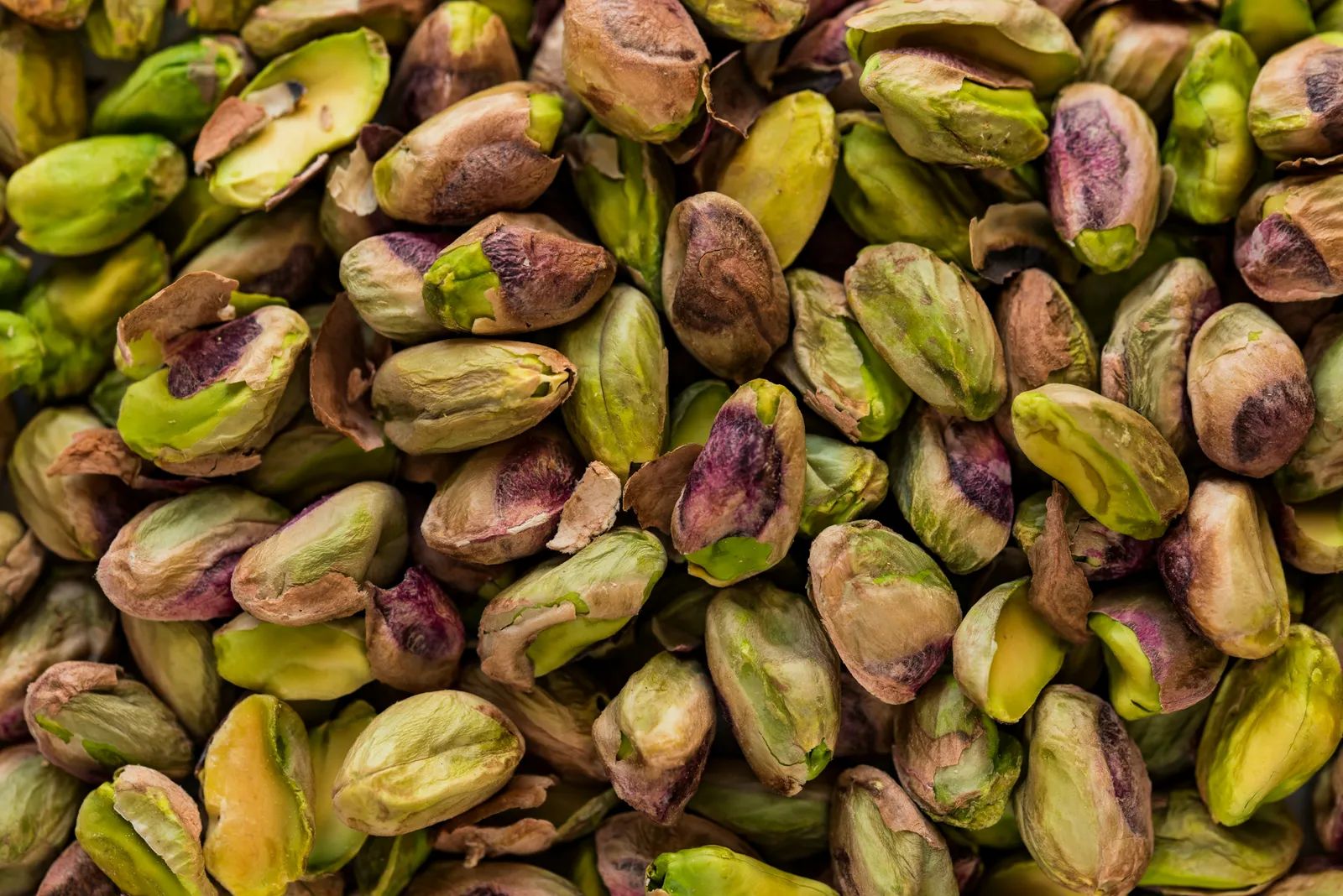
A forgotten bag of pistachios tucked in the pantry often raises a simple question about whether the nuts remain safe and enjoyable to eat. The answer depends less on any fixed expiration and more on how they have been stored since purchase. Credible guidance from university extensions shows that proper cold storage dramatically extends their usable life while room-temperature conditions accelerate quality loss.
Storage Times That Surprise Most People
University of California consumer guidance places pistachios, whether in the shell or shelled, at roughly one year in the refrigerator and up to three years in the freezer when kept sealed. The same source notes that nuts maintain quality for only a few months at room temperature, with warmer conditions speeding the breakdown of their natural oils. Kansas State and North Dakota State University extensions offer slightly different pantry estimates for nuts in general, ranging from a few weeks once opened to several months unopened, yet both recommend refrigeration after opening to slow further decline. These figures represent quality benchmarks rather than strict safety limits, and actual results vary with initial freshness and packaging.
Why Rancidity Becomes the Main Concern
Pistachios contain oils that oxidize when exposed to air, heat, and time, producing the stale or sour notes associated with rancidity. The University of California guide explains that room-temperature storage hastens this process and can also encourage insect activity, particularly in nuts harvested at home. Rancid nuts are not considered unsafe according to the same research, but their flavor suffers enough that most people prefer to discard them. Refrigeration or freezing slows oxidation significantly, preserving the fresh taste far longer than pantry conditions allow.
Recognizing When to Discard a Batch
Visible mold is the clearest signal to throw pistachios away, a step the USDA explicitly recommends for nuts and similar products. Other indicators include an off odor, insects or webbing inside the container, or a soft, shriveled texture. A normal appearance or smell cannot rule out harmful bacteria, so any doubt about storage history favors caution. USDA guidance also stresses that product dates reflect quality expectations, not safety guarantees, meaning a past “best by” date alone does not automatically make the nuts unsafe if they show no spoilage signs.
Practical Steps for Longer Freshness
Transfer opened pistachios to a clean, dry container with a tight lid to limit moisture and odors. Place the container in the refrigerator for everyday use or the freezer for longer keeping, and label it with the opening date. Keep in-shell nuts dry, since added moisture can promote mold or bacterial growth. Avoid washing them in the shell for the same reason. These simple habits align with the university recommendations and turn a few months of pantry life into a year or more of reliable quality. Pistachios stored this way remain a reliable snack or ingredient long after most people would have tossed them, provided they stay sealed and cold. The difference between a few months and several years comes down to temperature control rather than any special treatment.