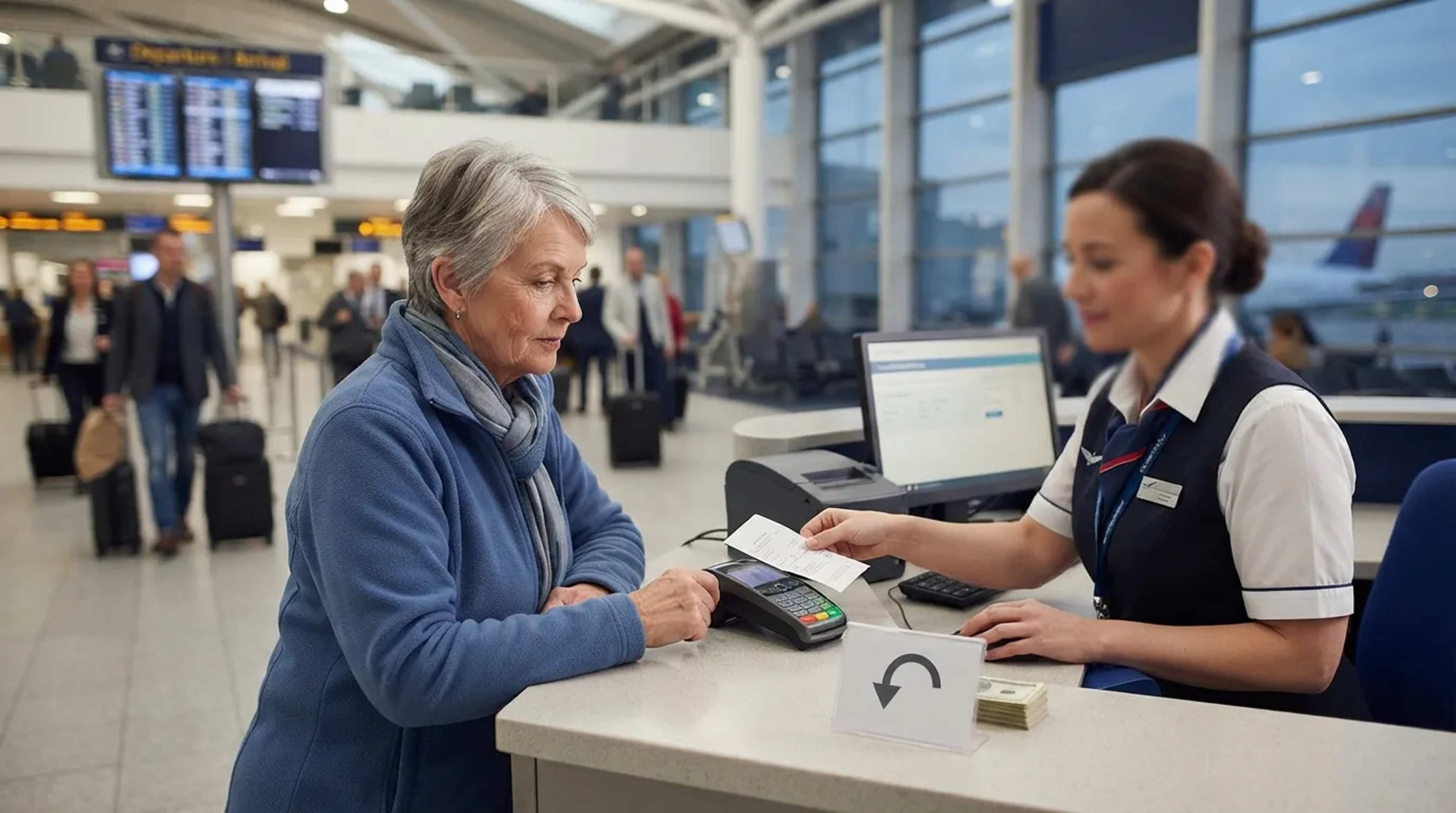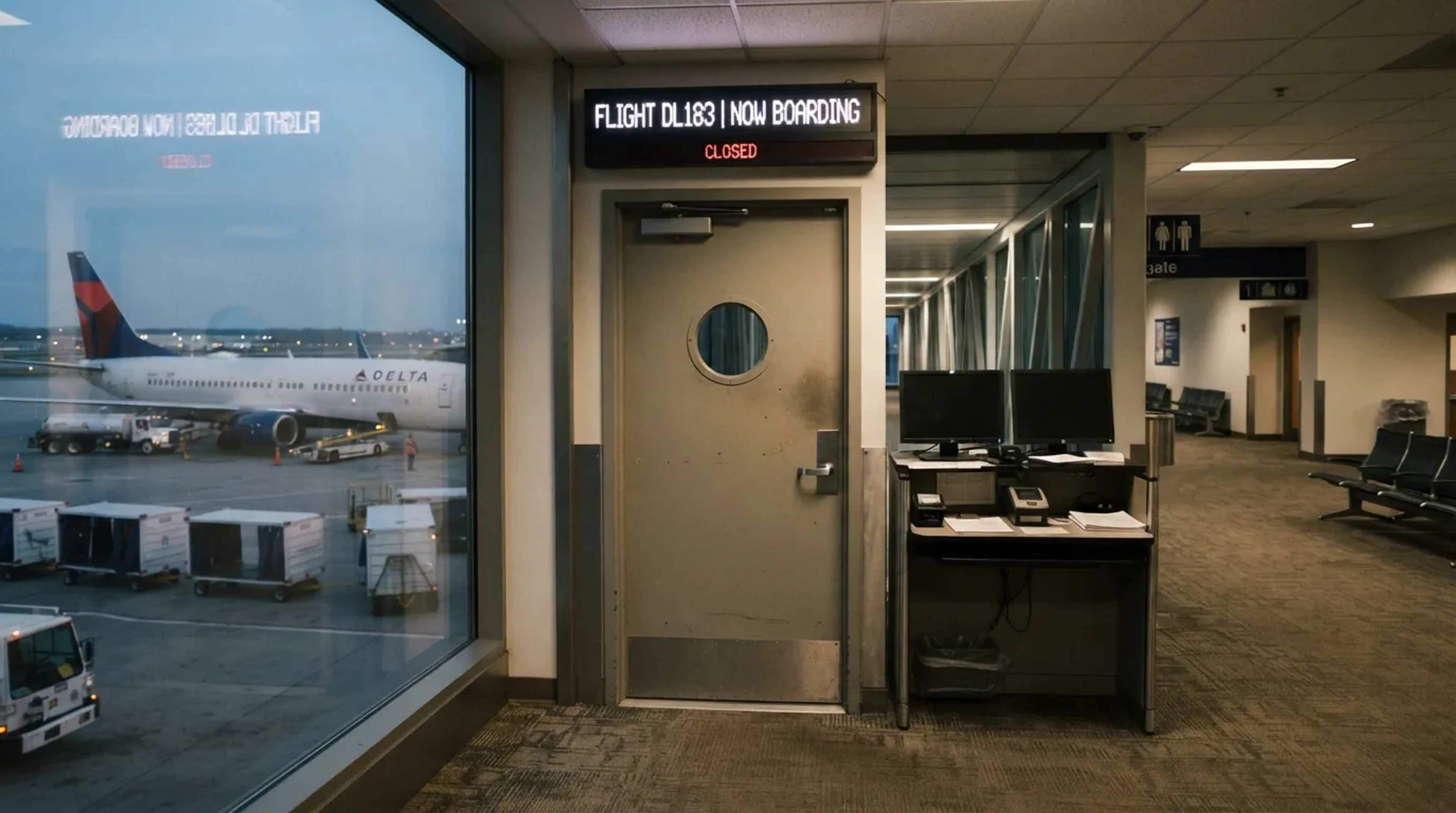
The text arrives at 9:40 p.m. Your morning flight now leaves five hours earlier. For travelers over 60, that is rarely a small hiccup. It can scramble the ride to the airport, the medication schedule, the tight connection, and the hotel booked around the old time. Here are 15 things a ticket desk can actually fix when that happens.
Most people assume the agent can only slide them into another seat. The real list is longer, stranger, and in a few cases worth real money, including one fix that works even on a ticket stamped "non-refundable." Some of these rest on federal refund rules that took effect in 2024, and the rules around meals and hotels shift again on October 19, 2026. None of it is tied to age, but it matters more when your day has less slack.
#15 – The Free Rebooking That’s a Promise, Not a Favor

The first thing a desk agent can do is put you on a different flight at no extra charge. DOT’s customer service dashboard shows every airline it currently displays committing to free rebooking on its own flights. That commitment covers disruptions the airline controls, such as crew problems or mechanical trouble. It is a published promise from the airline, not a favor from the agent.
You can also ask for the flight that fits your body, not just the first one open. A late-night departure may look fine on screen. It’s a real problem if you’re exhausted, taking medication on a schedule, or being picked up by a relative who goes to bed at nine. Ask for the earlier, calmer option and let the agent tell you what’s actually available.
#14 – The Seat Swap That Saves Your Aisle (and Your Travel Partner)

A schedule change can quietly wipe out the seats you picked months ago. A new flight can mean a new aircraft, and a new aircraft can mean a new seat map. Couples sometimes learn they’ve been split across rows only when they reach the gate.
The desk can often pull up the new seat map and try to rebuild your arrangement. Aisle seats, bulkhead rows, and seats near the restroom are the usual requests, and success depends on what’s open. Seat requests are one of the few fixes that cost nothing to ask for. Ask before you leave the counter, not at the gate when the plane is nearly full.
#13 – The Wheelchair Request That Doesn’t Always Follow You
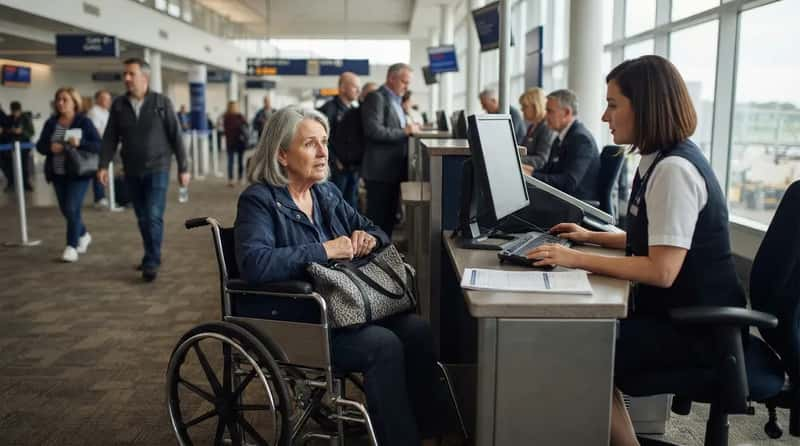
If you booked help getting through the airport, a changed flight can leave that request attached to the old one. A note on a canceled flight doesn’t always carry over cleanly. Some travelers have reached a new gate to find nobody waiting with a chair.
The desk can re-attach the service note to your new itinerary. Say exactly what you need: curb-to-gate help, a chair for connections, or help boarding. Confirming the note on the new flight takes one sentence and can prevent a long wait at the gate. Ask the agent to read it back to you.
#12 – The Tight Layover Rebuilt Before It Becomes a Sprint

A one-hour schedule change can turn a comfortable layover into a terminal-to-terminal dash. For many travelers over 60, the question isn’t whether the connection is legal. It’s whether they can physically make it with a carry-on and a bad knee. Booking systems rarely weigh that, but a person at the desk can.
Ask the agent to look for a routing with more time between flights. A long layover may sound boring, but a long wait is almost always easier on the body than a missed connection. Telling the agent you’d rather wait than run is a reasonable request, and agents hear it often.
Quick Compare
- Tight connection: the shortest trip on paper, but a sprint with a carry-on.
- Longer layover: more hours, but time to walk slowly, sit, eat, and take medication on schedule.
- Missed connection: the costliest outcome, since the next open seat may not be until tomorrow.
#11 – The TSA Myth About Turning 75
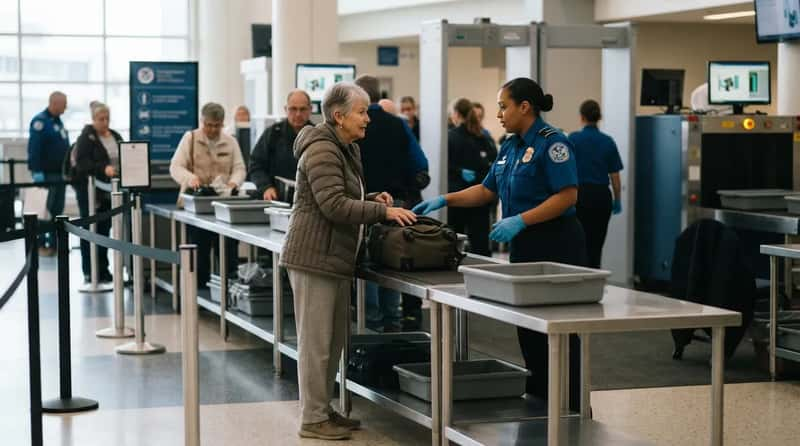
When your flight time moves, your security plan moves too. Plenty of older travelers believe a birthday unlocks special treatment at the checkpoint. TSA says passengers 75 and older can receive some form of expedited screening. That is not the same as skipping security, and it doesn’t start at 65.
The old shoes-on perk for older travelers is gone too, but only because it went universal. TSA ended its shoe-removal requirement nationwide on July 8, 2025. If you need extra help, you can ask at the checkpoint for a Passenger Support Specialist. A ticket desk won’t arrange that for you. It’s the next stop after the counter.
#10 – The Schedule Change That Isn’t "Significant" Enough
Not every change qualifies for a refund, and this is where the frustration starts. Under federal rules, a domestic flight must depart 3 or more hours earlier or arrive 3 or more hours later than scheduled to count as significant. Anything smaller is just a schedule change. Plenty of travelers feel that bar is set too high.
A change of 2 hours 45 minutes falls just short. In that case, your only recourse is the airline’s own voluntary policy, which varies by carrier. Fifteen minutes can be the difference between a legal right and a polite request. That’s when a patient, specific conversation with the agent matters most.
#9 – The Delayed-Bag Refund Nobody Mentions
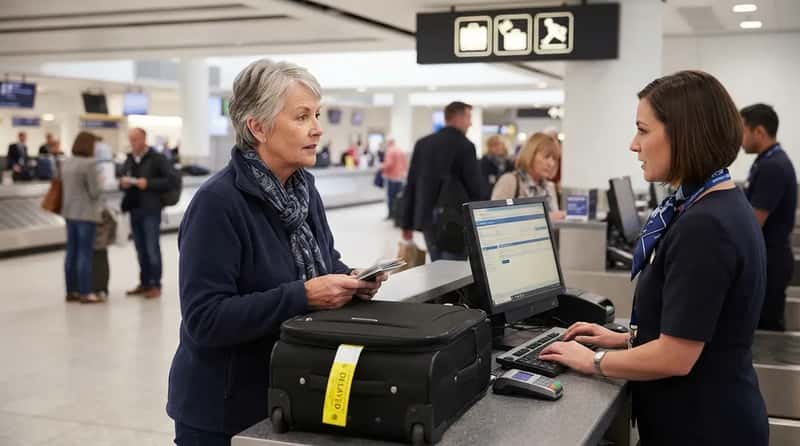
When flights get reshuffled, bags can end up in the wrong city. The refund for a delayed bag isn’t automatic. DOT says you must file a mishandled baggage report, and the bag must fail to arrive within 12 hours of a domestic flight reaching the gate.
International thresholds are longer, at 15 or 30 hours depending on flight length. If the bag doesn’t show, go to the baggage desk before leaving the airport. Skipping that report can mean losing a refund you were owed. Ask for a copy or a reference number, and keep it with your travel papers.
Fast Facts
- The refund isn’t automatic. A mishandled baggage report comes first.
- Domestic clock: 12 hours after your flight reaches the gate.
- International clock: 15 or 30 hours, depending on flight length.
- File before you leave the airport and keep the reference number.
#8 – The Meal Voucher That Depends on Who Caused the Delay
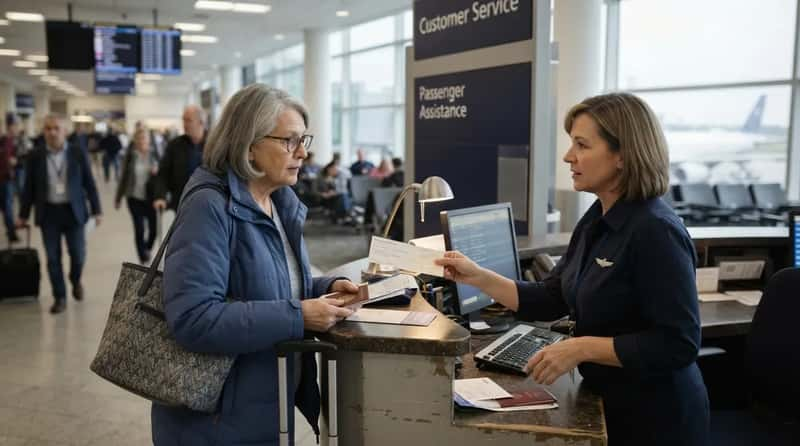
Long waits are hard on travelers who need regular meals. On the DOT dashboard, major U.S. carriers commit to meals when a controllable disruption causes a wait of three hours or more. That sounds simple. The catch is that these are voluntary airline commitments, not federal law.
So the desk can only hand out a voucher if the delay falls under the airline’s own promise. Weather usually doesn’t qualify. A crew shortage usually does. The same three-hour wait can earn you a meal or nothing at all, depending on the cause. Ask the agent how the airline classified your delay.
#7 – The Partner-Airline Escape Hatch

Sometimes your own airline has nothing until tomorrow, while another carrier has a seat tonight. Whether the desk can send you there depends on the airline. In DOT’s review, six of 10 airlines guaranteed fee-free rebooking on a partner or another airline for controllable cancellations.
That means four of the 10 did not. It can feel maddening to see the other airline’s open seat and be told it’s off limits. The answer can differ by carrier, so a "no" at one counter isn’t universal. Ask politely whether your airline has any agreement that could get you out tonight.
#6 – The Overnight Hotel Question

An overnight cancellation is hardest on travelers who can’t sleep upright in a gate chair. In DOT’s review, nine of the 10 airlines guaranteed hotel accommodation and ground transportation for passengers affected by controllable overnight delays and cancellations. So a hotel can be on the table. It also means one airline’s plan said otherwise.
Lines at the counter can run long, and people often give up and book a room themselves. Paying first can complicate a request for reimbursement later. Ask the agent before you book, and get the answer in writing if you can.
#5 – The October 2026 Rule That Changes Who Pays
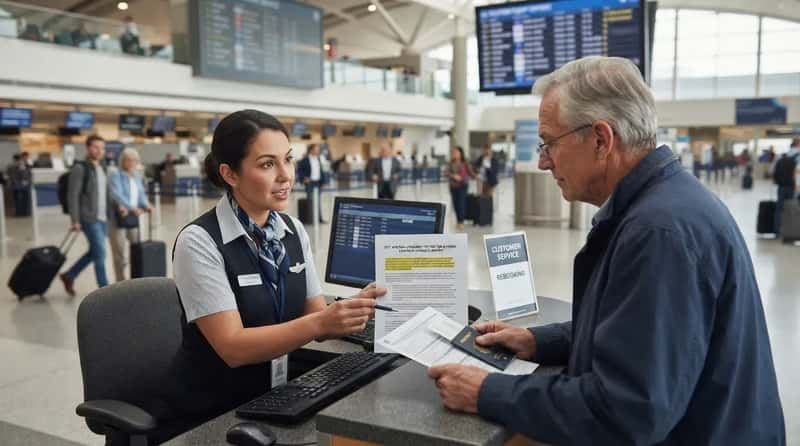
This one is recent, and plenty of travelers haven’t heard about it. Starting October 19, 2026, ten types of disruption move out of the reporting category that triggers most airline promises of meals, hotels, and rebooking. The rule implements a 2024 law. It does not directly rewrite any airline’s promises.
But the effect may be real. DOT says the change is expected to reduce the total value of amenities and compensation airlines provide. Some passenger advocates see it as a step backward, while airlines point out that Congress ordered it. A delay’s label can now decide whether you get a hotel voucher or a seat at the gate.
#4 – The Airport Swap That Counts as a Big Change
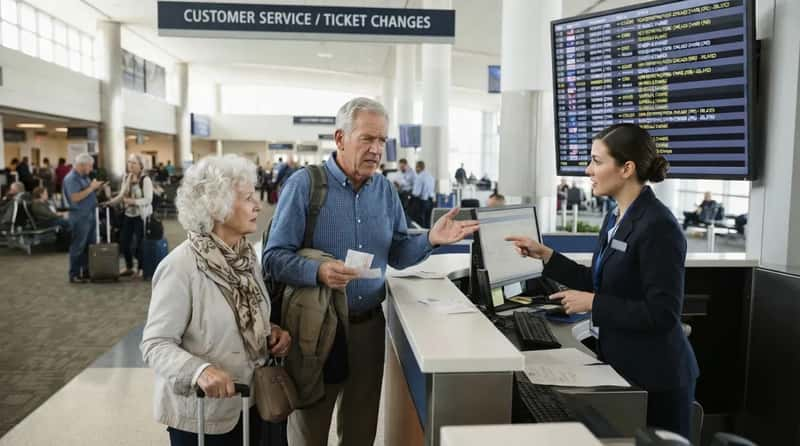
Sometimes the schedule doesn’t move much. The airport does. A new airport can mean a longer drive for the person picking you up. A new connection can mean an extra stop for someone who struggles with long walks.
These count too. A change of departure or arrival airport, an added connection, or a downgrade in class of service can all be significant changes. You don’t have to wait for a three-hour shift to get a refund. If the new plan doesn’t work for you, tell the agent exactly which change it is.
At a Glance
- A different departure or arrival airport can count as significant.
- An added connection can count too.
- So can a downgrade in class of service.
- Time shifts alone need 3+ hours domestic or 6+ hours international.
#3 – The Aircraft Switch That Can Void Your Plans

Aircraft swaps can look harmless on a screen. For a traveler who uses a mobility device or needs specific accessibility features, a switch can be a serious problem. Federal rules list a switch to a less-accessible aircraft for a passenger with a disability as a significant change.
It’s a quiet protection, and it rarely makes headlines. If your new plane can’t meet your needs, the desk should treat it as more than a hassle. A change that affects accessibility can give you the same refund right as a long delay. Tell the agent clearly what the new plane lacks.
#2 – The Refund That Shouldn’t Require a Phone Call
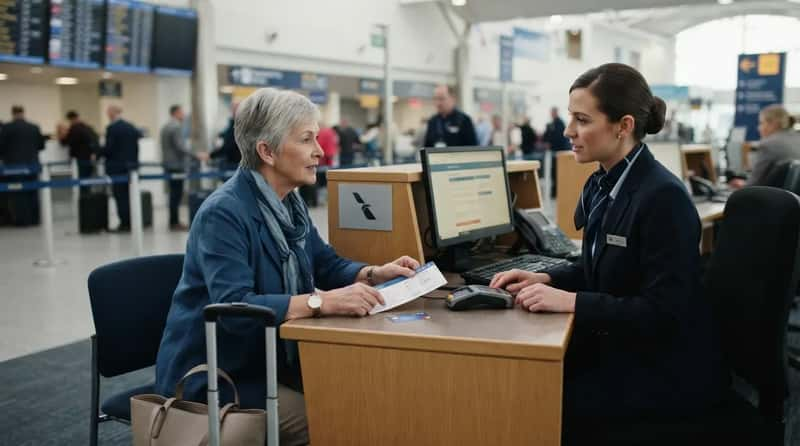
Many travelers over 60 remember when getting money back meant long calls and paperwork. Since October 28, 2024, U.S. airlines have had to automatically refund the original ticket price in cash when a flight is canceled or significantly changed and you don’t accept the alternative. The rule moved the burden from passengers to airlines.
Timing matters too. For credit card purchases, the deadline is 7 business days. If a refund doesn’t arrive, bring up the rule. Many people still take a voucher because they assume cash isn’t an option. It is, as long as you decline the alternative.
Worth Knowing
- The automatic refund rule has applied since October 28, 2024.
- The money goes back to your original form of payment, not a voucher.
- Credit card refunds are due within 7 business days.
- Other payment types have a 20-calendar-day deadline.
- You only qualify if you decline the airline’s alternative.
#1 – Cash Back on a "Non-Refundable" Ticket
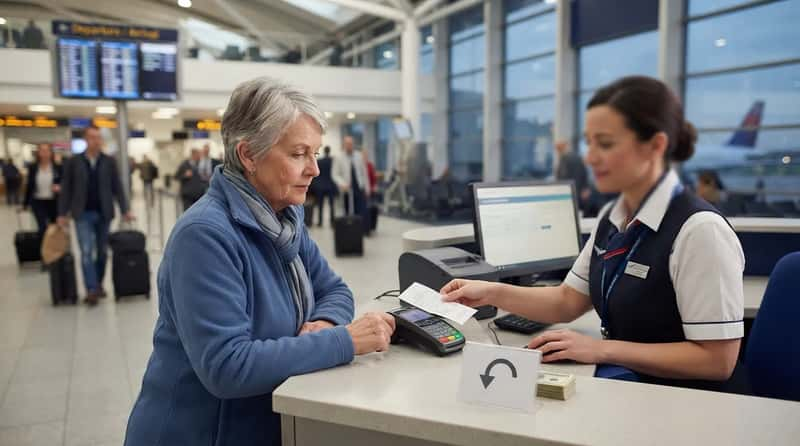
This is the one that surprises people most. A domestic flight shifted by 3 or more hours, or an international flight shifted by 6 or more hours, can trigger a cash refund even on a non-refundable ticket, as long as the passenger declines the airline’s alternative. The words "non-refundable" don’t override that.
The key is saying no. Take the rebooking and you generally keep a seat but give up the refund. Declining the alternative is what unlocks the cash. If the trip no longer works for your health, your family, or your budget, ask the agent to process a refund to your original payment method.
A sudden schedule change feels like losing control. But the ticket desk holds more cards than most travelers expect: rebooking, seats, assistance notes, baggage reports, and sometimes meals and hotels.
The biggest card is cash back when a change crosses the federal threshold. Little of it happens unless you ask, and some of it hinges on what the airline says caused the problem. So ask early, ask specifically, and don’t leave the counter until you’ve heard every option.