That six-character code in your confirmation email feels like the whole booking. It is closer to the cover of a very thick folder. The moment you pay, the airline opens a file that can hold your legal name, birth date, phone number, card details, seat, bag count, meal request and a running log of every change.
Most of it is routine. A few entries are not what people expect, and on international trips one of them can sit in a government database for up to fifteen years after your plane lands. Start with the code on the cover, because the file gets a lot more personal from there.
#11 – The Six-Character Code That Is Only the Cover of Your File
The code on your confirmation is the record locator, the label the reservation system uses to pull up your file. Each airline creates its own booking record with its own locator.1 A trip on two carriers can therefore come with two codes for one journey, and a code that works on one airline’s website may return nothing on the other’s.
The PNR, or Passenger Name Record, is the whole file. The locator is one data field inside it. In everyday talk, though, people often say “PNR” when they mean the six-character code itself.
The code finds the record, but what the record says about you starts with your name, and the system is strict about how it is spelled.
#10 – Your Name, Spelled the Way Your ID Spells It
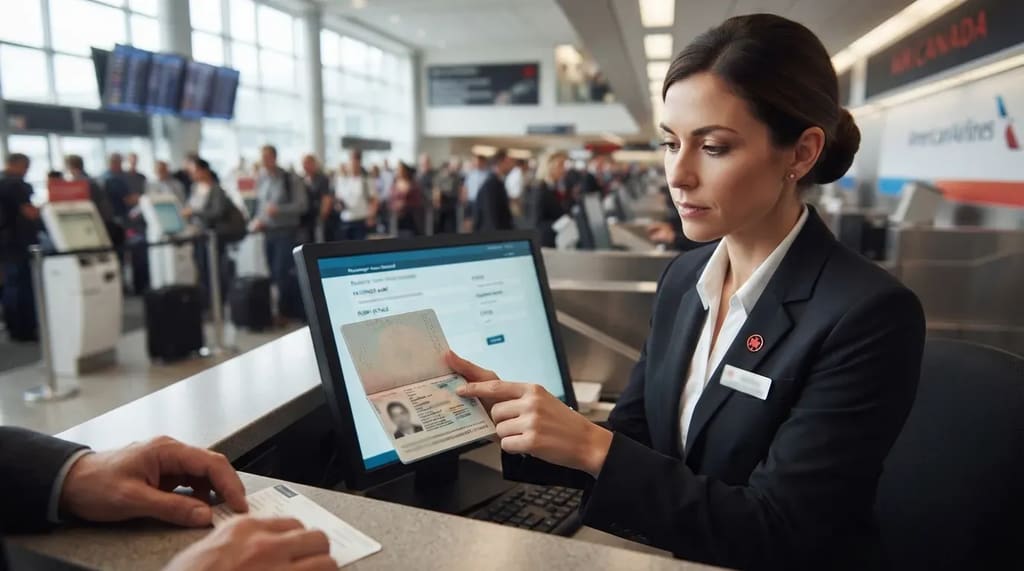
The name element holds each passenger’s full legal name and title. Air Canada tells passengers on U.S.-bound flights to enter the name exactly as it appears on the passport: first name, any middle names, and last name.2 For flights within the United States, American Airlines asks for the name as it appears on the photo ID used for travel.3
The reason is practical. Airlines transmit name and passport data to border authorities, and a mismatch can mean denied boarding or a paid name correction. A nickname or a transposed letter is the kind of small gap that shows up at the counter, not on the booking page.
Worth Knowing
- Air Canada, U.S.-bound: first, middle and last name exactly as printed on the passport.
- American, domestic: the name on the photo ID you plan to travel with.
- U.S. Department of Transportation rules: you can hold a reservation for 24 hours or cancel within 24 hours without penalty, if you book at least seven days before departure.4
That 24-hour window is the cushion, so use it. Many airlines will also fix a small typo for free, though policies vary. A quick check of your ID against the screen on day one costs nothing, and the repair after ticketing may come with a fee.
The name is one of three items the TSA insists on, and the other two are more personal.
#9 – Birth Date and Gender, Required Before You Can Fly
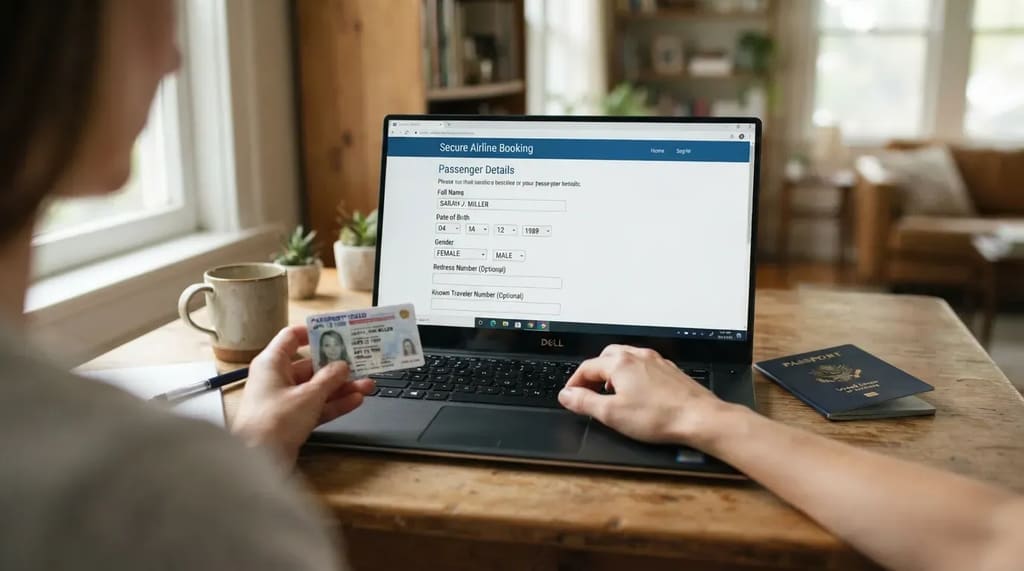
Passengers must give airlines their full name, date of birth and gender so the TSA can run watch list matching through its Secure Flight program. The airlines are also told to ask for a redress or Known Traveler number, but that part is optional. The timing is firm. American says the full set must be in your reservation at least 72 hours before departure, and when you book inside that window it must be provided at booking.3
Gender is entered as indicated on your government-issued ID, so there is little room for improvising. ANA warns that leaving out the name, birth date or gender may result in denial of transport.5 If a relative buys your ticket for you, that relative needs your exact birth date, and a guess is a poor idea.
Two optional numbers can ride along with those details, and they do very different jobs.
#8 – Two Optional Numbers: Known Traveler and Redress
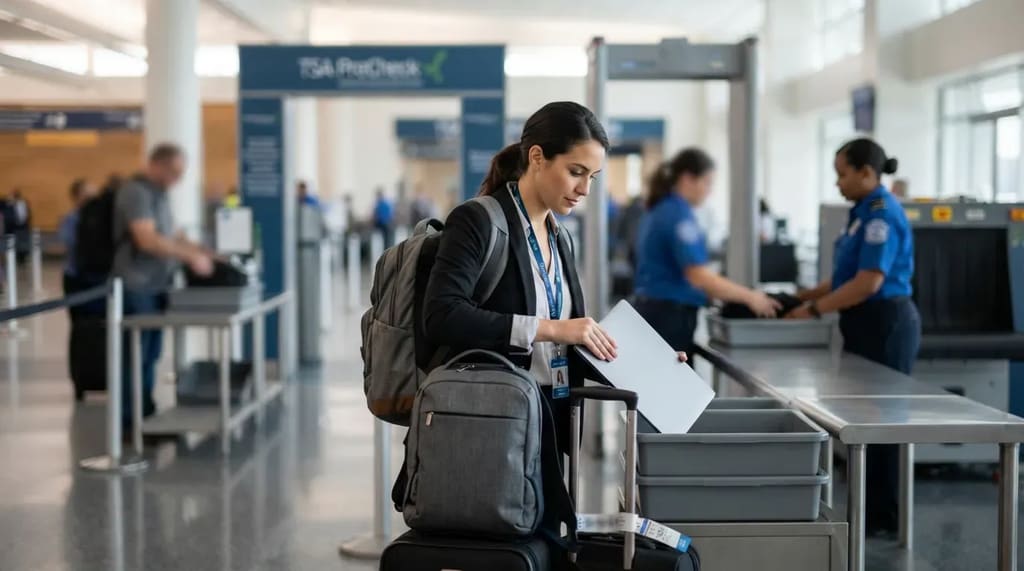
A Known Traveler number covers programs such as Global Entry, SENTRI, NEXUS and TSA PreCheck.6 If you have paid for one of those programs, putting the number in the booking is how the airline learns about it. Leave the field blank and you may have paid the fee for a perk the airline never sees.
A redress number is a different thing. The Department of Homeland Security issues it to travelers who have had repeated trouble at screening, often because their name resembles one on a watch list. Secure Flight uses the results of the redress process in its matching, which helps prevent future misidentifications.6
For most travelers it is a fix for a problem they have never had. If you have been stopped over a name match, the number can spare you a repeat. If you have not, there is nothing to repair.
Both numbers sit in the record next to your phone and email, and the airline depends on those two fields when plans change.
#7 – A Phone Number and Email That May Belong to a Stranger
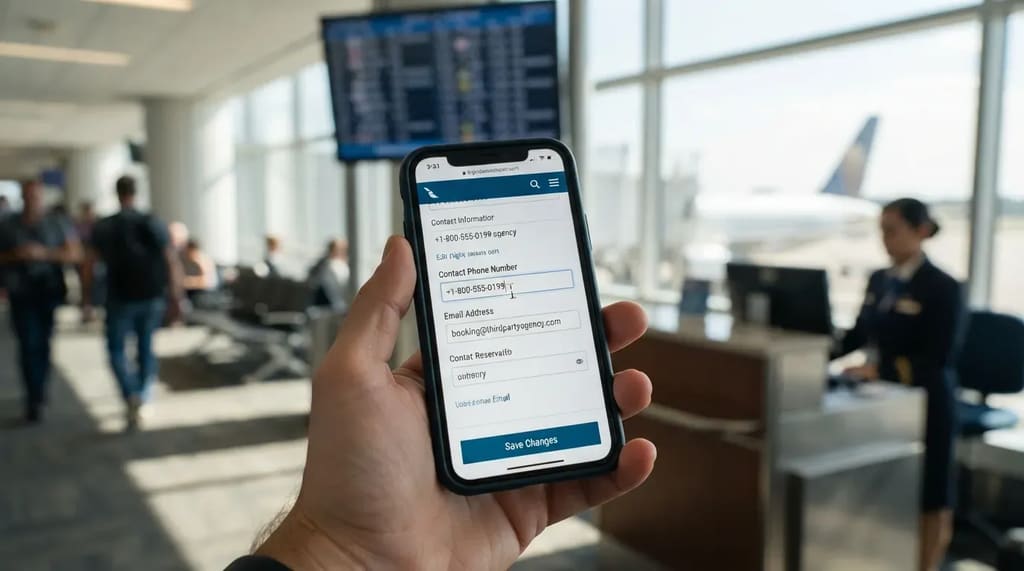
Contact information in a PNR can be the passenger’s phone and email or the travel agency’s. The record requires a phone number, either the traveler’s or the travel agent’s. Book through an agency or a third-party site, and the number the airline holds may belong to the agency.
A schedule change or gate alert can then land in someone else’s inbox while you wait for a message that never comes. The airline can only notify what is written in the record, and a cancellation is a bad moment to learn it has the wrong address.
Contact details are only half of the administrative picture, because the record also notes how you paid.
#6 – Your Card, Your Fare and the Class You Bought
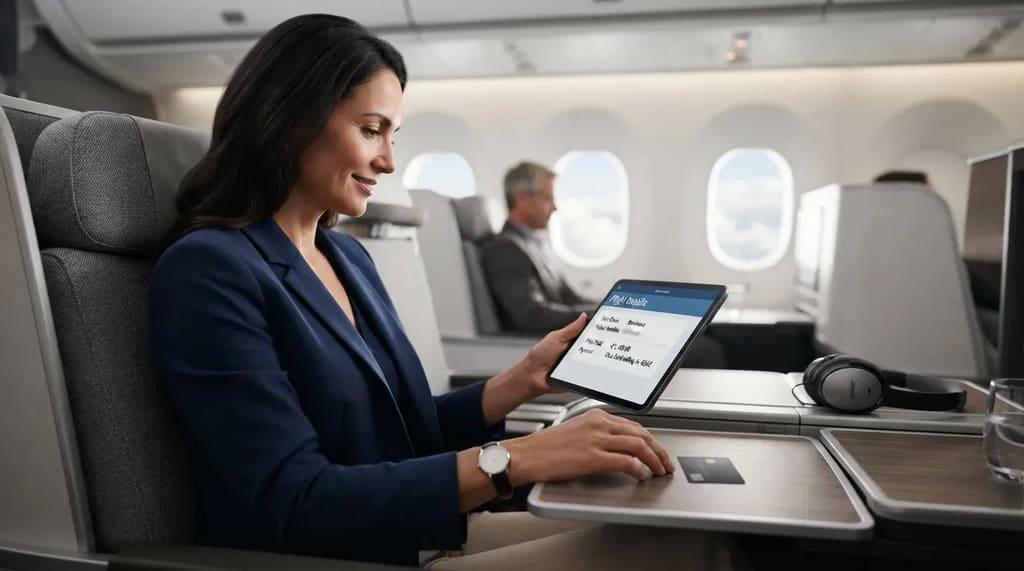
A PNR typically includes credit card details. It also carries the fare you paid, the booking class, such as economy or business, and the actual ticket numbers. Two travelers in neighboring seats can have very different entries, because the record keeps the price and class each one bought.
Who sold the ticket is recorded too. The travel agency is among the listed items, and agency service fees can appear as optional elements. If you booked through an agency, its details are written into your file alongside your card.
At a Glance
- Ticket number: a 13-digit string, issued per passenger.
- First three digits: identify the issuing airline, such as 001 for American, 006 for Delta and 016 for United.
- Booking class: economy, business and so on, tied to the fare you bought.
- Seller: the agency that sold the ticket, plus any service fees it added.
Payment information is one of the categories that CBP lists among the data it may receive. That matters mainly for international trips, a point that comes back at the end of this list.
#5 – Frequent Flyer Number, Seat and Bag Count
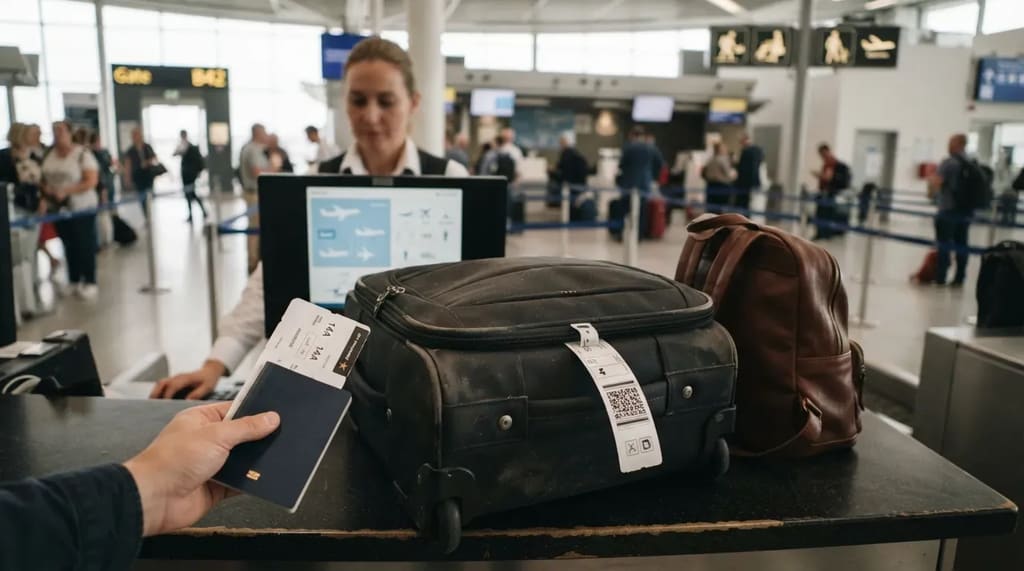
Frequent flyer data is part of the record, and it is there so the miles land in the right account. Adding the number costs nothing, so it is worth entering whenever the airline offers a field for it, even on a fare you chose for price alone.
Seats and luggage get logged as well. The record holds your seat allocation or the type of seat you requested, and the itinerary details include seat number and number of bags.7 A bag count entered at check-in becomes part of the same file as your name and birth date.
None of this is secret, though it looks like trivia until you realize the same record gets passed around. Who else sees it depends partly on who traveled with you.
#4 – The Travel Companions Written Into Your File

A PNR can hold the itinerary for one passenger or for a group traveling together. If you and a friend book on one reservation, you share a file. Researchers note that appearing in the same PNR suggests people booked together, or that someone such as a tour guide booked for them.
The record also shows who made the booking or the latest change. One element, “received from,” identifies the person or office behind the reservation or its last edit. Privacy groups have warned that a PNR can reveal where you’re from, where you went with whom, for how long, and at whose expense. That is a lot to read off a booking you made in five minutes.
Companions show up in the file without anyone asking for them, but the requests you make for your own comfort or health go in on purpose.
#3 – Meal Orders and Wheelchair Requests That Say More Than You Meant

Special service requests, called SSRs, cover meals, wheelchair help, unaccompanied minors and passport data. Behind the scenes, they are short four-letter industry codes. WCHR flags a passenger who needs help on the ramp, and KSML marks a kosher meal. Airlines use these lines to arrange the service, which is why they exist.
They can also be revealing. PNRs can contain religious meal preferences and requests describing physical and medical conditions, categories that have special protected status in the European Union.1 In the United States, the same sources say, PNRs are generally treated as commercial transaction data, not given the protection of medical or financial records.
The trade-off is real, but the request still does its job. If you need a wheelchair at the gate or a particular meal, the airline cannot provide it from a record that is silent. Say what you need, and keep it to what the airline needs to act on.
A request line is one entry, but the record keeps adding lines for as long as anyone touches the booking.
#2 – Call Center Notes and Every Change Since You Paid

The record does not freeze when you pay. Additions, changes, cancellations, seat assignments and special needs requests can all be added to the PNR, including a history of changes to the record. The airline’s own system writes to it as well, since vendor remarks are generated automatically and include replies to special requests and advice on ticketing time limits.
Related Stories From Travelbinger


People write in it too. A journalist who asked for his own file learned that every notation made by an airline call center employee, such as seat changes or special needs requests, can stay in the permanent file kept by DHS. The agent who typed a quick line while you sat on hold may be part of a file that outlasts the trip.
There is an upside. When you ring an airline to rebook after a cancellation, you can ask the agent to add a note about what was promised, such as a credit or a rebooking. That note lives in the same record that holds your seat and your meal.
A file that grows that long is not discarded when the flight lands.
#1 – The Copy the Government Can Keep for Up to Fifteen Years
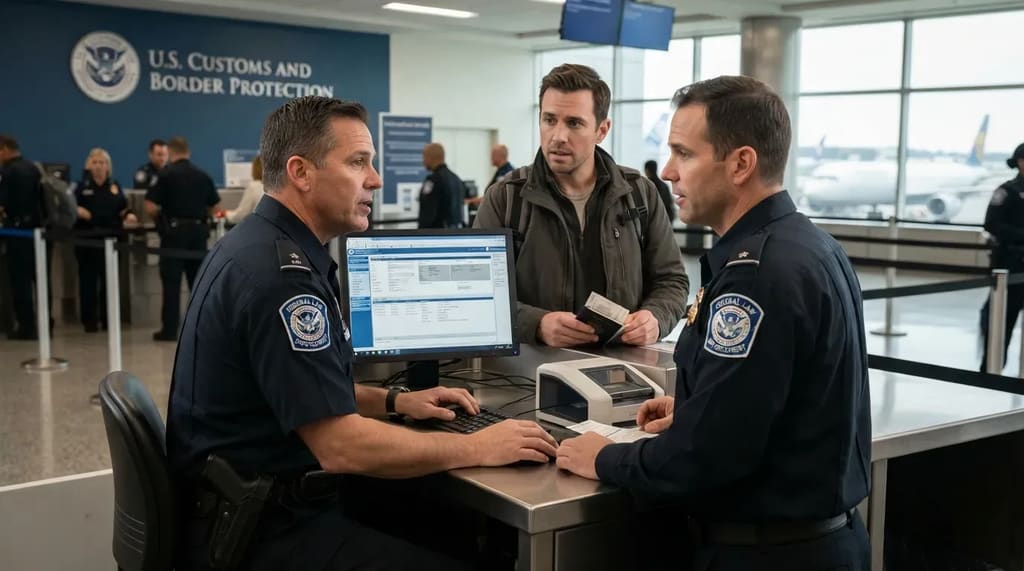
For flights that touch the United States, the record leaves the airline. U.S. law requires carriers on flights to, from or through the country to give DHS and CBP certain passenger reservation data. A reporter was told that domestic PNRs exist too, but only international travel is routinely given to CBP. CBP says it uses the data to decide which travelers need additional inspection at the port of entry.
The timeline is long, and it runs in stages. There is also one notable exception: PNR data linked to a specific enforcement record is kept until that record is archived.
Fast Facts
- First six months: names and contact information are masked after this point.7
- Years one to five: the record stays in an active file.
- Up to ten more years: it moves to a dormant database that needs additional approvals to open.8
- Overall limit: the retention period does not exceed fifteen years, with exceptions.7
Put that next to the rest of this list. CBP names payment information, seat, baggage, special service requests and the full change history among the categories it may receive. A meal request or a call center note from an international trip booked today could therefore linger in a masked, dormant copy until around 2040.
The confirmation email is the receipt. The record behind it is the file, and several hands keep adding to it: you, your agent, the airline’s computers and the person who answers the phone.
The easiest time to look at it is right after you buy, when a wrong spelling or phone number costs nothing to fix. Log into the airline’s site, read what it shows, and correct what you can.
When you last opened a booking after buying, what was on the record that you had not typed in yourself?
- Passenger Name Record Overview: https://en.wikipedia.org/wiki/Passenger_name_record
- Air Canada Secure Flight: https://www.aircanada.com/us/en/aco/home/plan/travel-requirements/secure-flight-program.html
- American Airlines Secure Flight: https://www.aa.com/i18n/travel-info/security/secure-flight.jsp
- DOT Refunds Guidance: https://www.transportation.gov/individuals/aviation-consumer-protection/refunds
- TSA Secure Flight Q&A: https://www.tsa.gov/blog/2009/08/12/secure-flight-qa-ii?page=1
- Secure Flight Passenger Data FAQs: https://pro.delta.com/content/agency/ca/en/policy-library/government-tsa/secure-flight-passenger-data–sfpd–faqs.html
- CBP Passenger Name Record: https://www.cbp.gov/travel/clearing-cbp/passenger-name-record
- Federal Register ATS Retention: https://www.federalregister.gov/documents/2012/05/22/2012-12396/privacy-act-of-1974-us-customs-and-border-protection-dhscbp-006-automated-targeting-system-system-of