
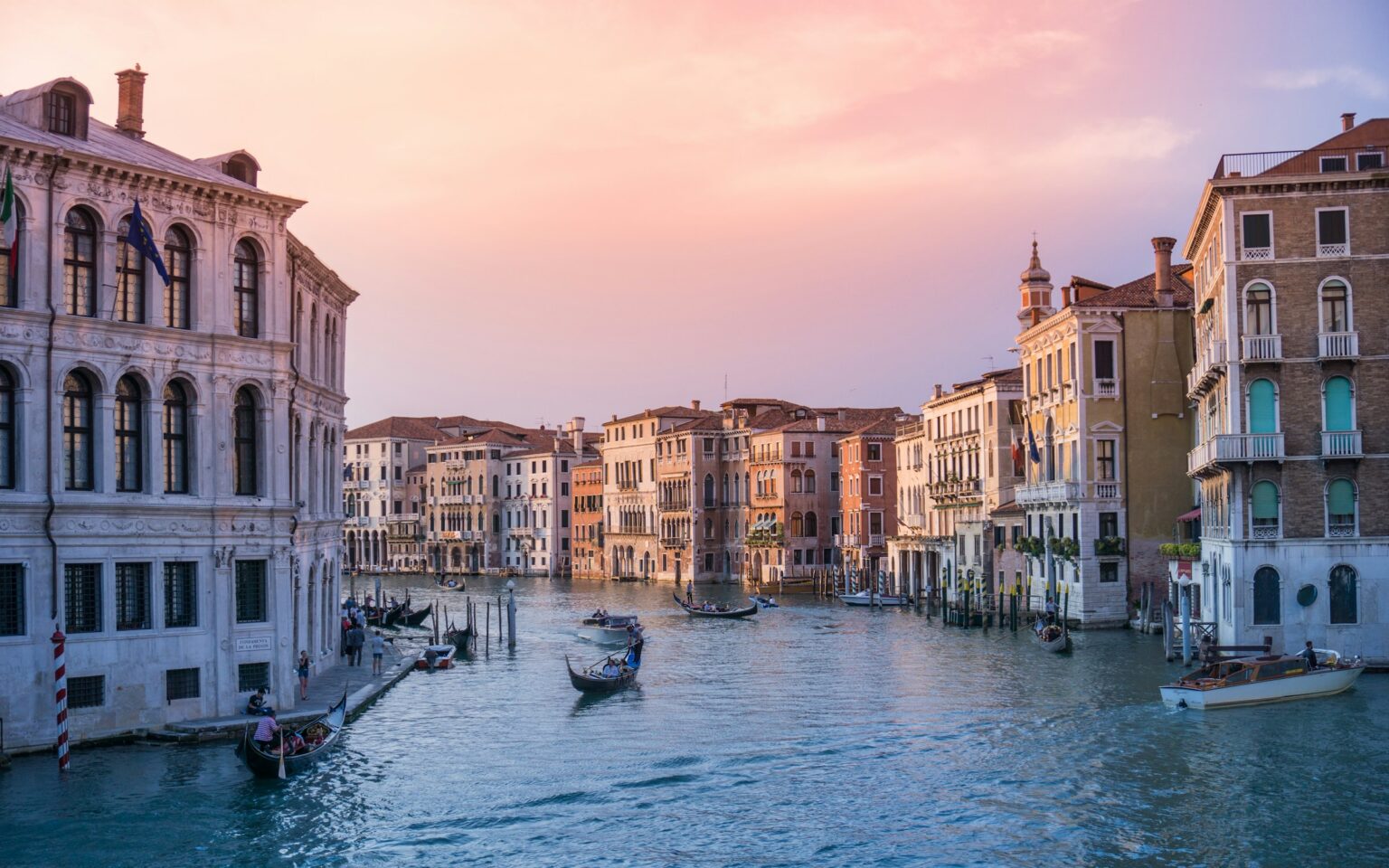
Venice now charges some visitors just to walk in. The city introduced its Contributo di Accesso in 2024 as a limited pilot, then expanded it for 2025 and 2026.[1] That alone says a lot about how the city sees its own popularity.
The good news is that northern Italy is full of towns with canals, arcades, mosaics, and excellent food. Many of them sit within an hour or two of the lagoon, and most get a small fraction of the foot traffic. Here are eight that deserve a place on your itinerary.
Why Venice Feels So Full Right Now
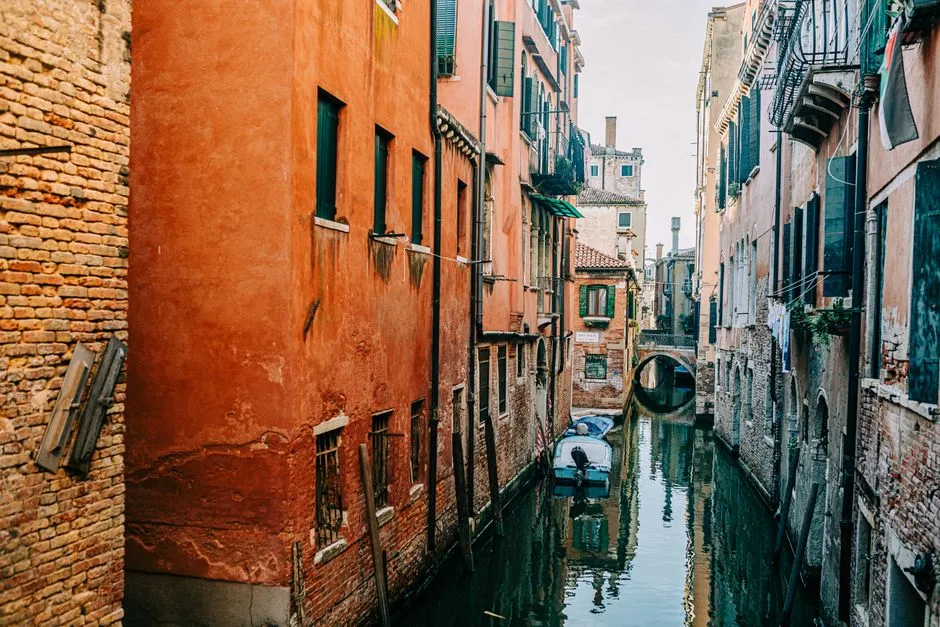
The municipality of Venice recorded about 5.86 million arrivals and 12.93 million overnight stays in 2025.[2] At the end of 2025 the historic centre had 70,241 tourist beds, against 48,489 residents at the end of 2024.[2] Visitors have more beds than locals do.
Day trippers add to that load. Roughly 30 million people visit Venice each year, many of whom don’t stay overnight,[3] according to Time Out. The 2026 access fee costs 5 euros if booked online in advance and 10 euros on the day.[1]
Treviso, the Practical Swap
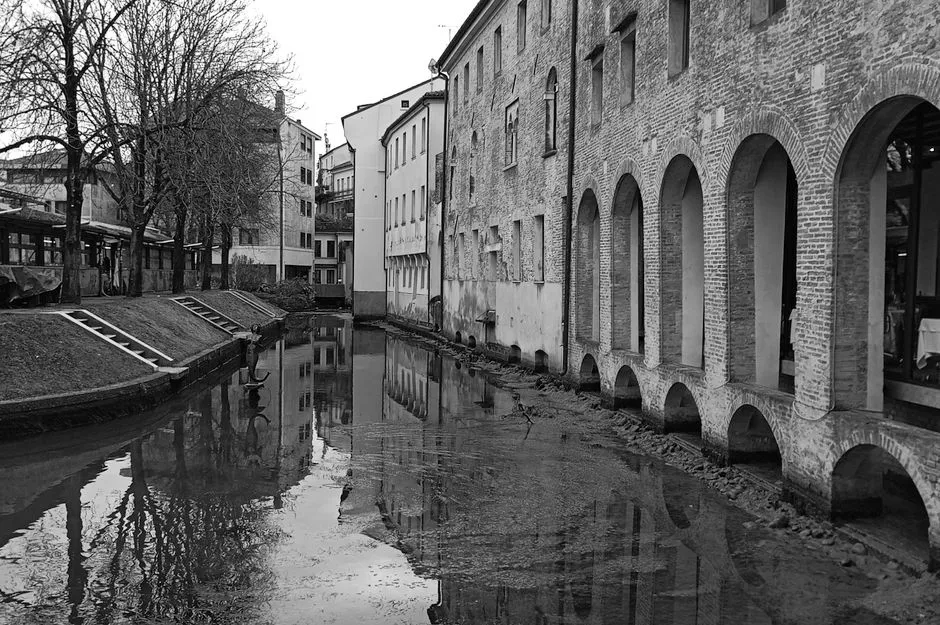
Treviso is the alternative that comes up most often, and for good reason. Venice is around 30 minutes away by train, and Treviso Airport is nine minutes by car.[4] The city is often called a city of art and water, thanks to the branches of the Botteniga river running through its centre.[5]
Walk the porticoes along the Buranelli canal, then head to the cathedral. Inside you’ll find Titian’s Annunciation, and Piazza dei Signori is good for people watching.[6] Treviso is also where tiramisu is said to have originated.[5] Expect many shops to close around midday for riposo.[4]
Chioggia, the Working Lagoon Town
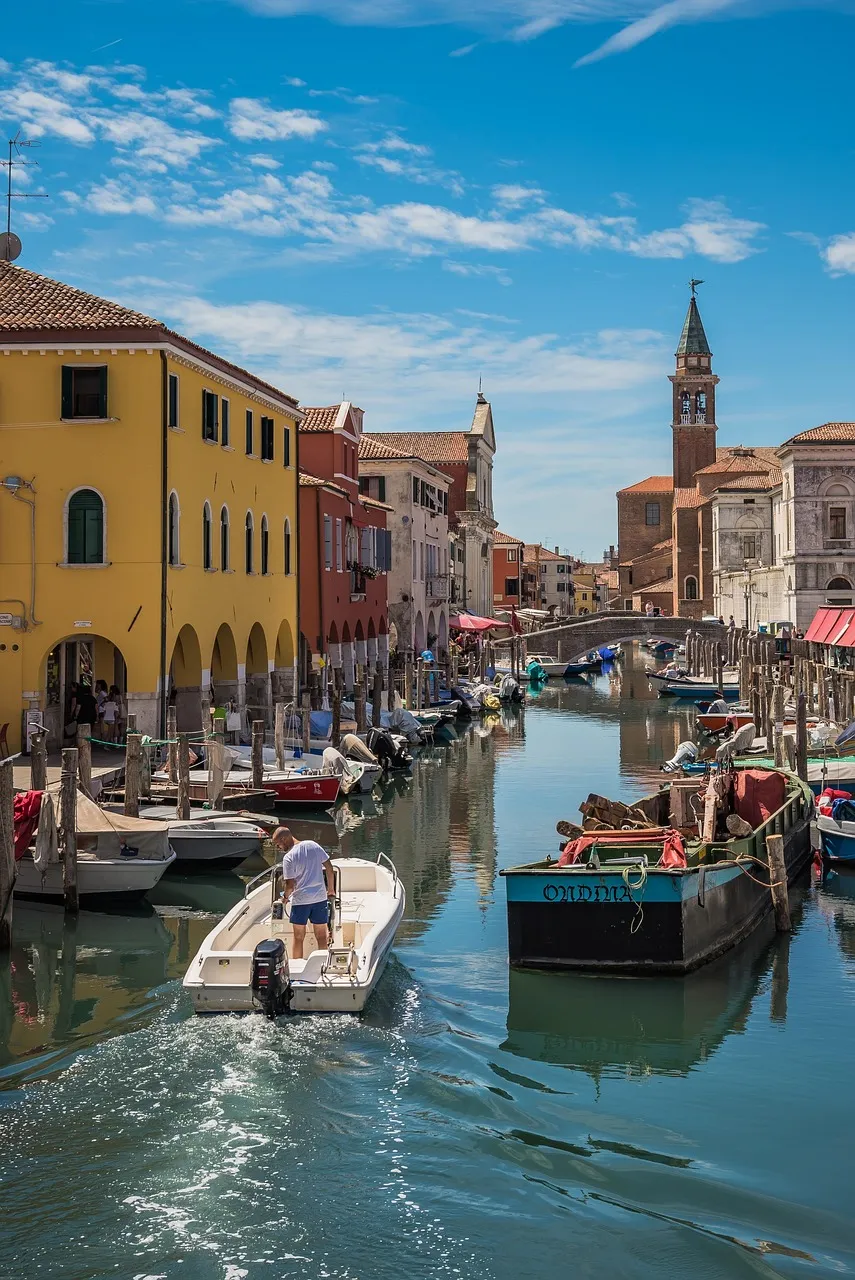
Chioggia sits at the southern end of the Venice lagoon and is far sleepier than Venice.[7] Like Venice, it’s a cluster of islands linked by bridges.[8] The tone is different, though.
Where Venice has an elegant feel of decay, Chioggia is a living, working town,[8] as Lonely Planet puts it. An ACTV bus runs from Piazzale Roma, and the trip takes about an hour.[9] There’s also a golden stretch of sand nearby, which Venice’s historic centre can’t offer.[7]
Comacchio, a Quiet Little Floating City
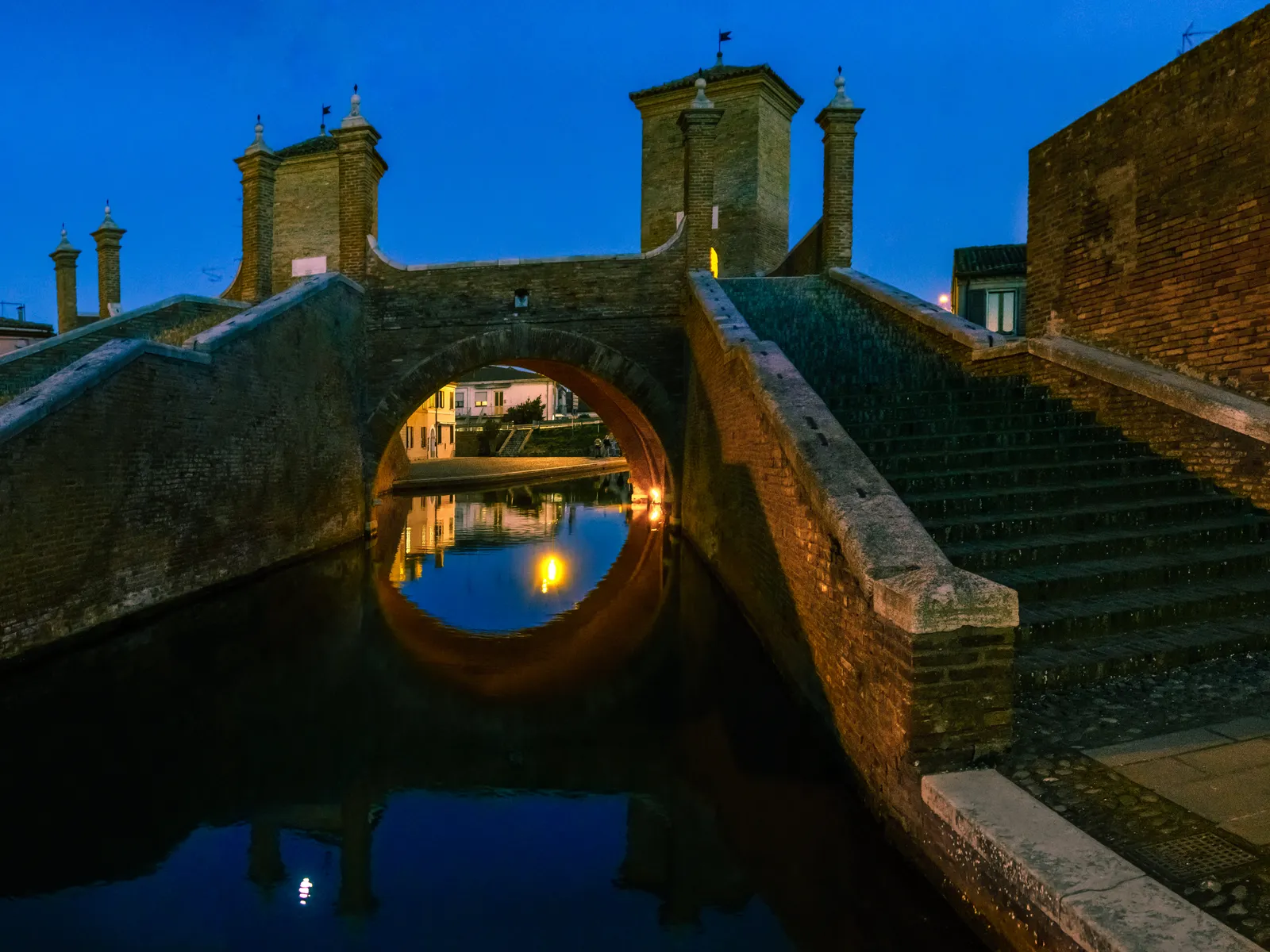
Like Venice, Comacchio was built on a series of islands in a lagoon, in this case 13 islands in the Po Delta.[10] The Trepponti bridge, with its staircases and two towers, is the town’s symbol.[10] It’s compact, so you can see most of it on foot in a morning.
Instead of gondolas, you’ll find batane, flat bottomed boats, with tours running from March through October.[10] Eel is a historic delicacy here, celebrated with annual festivals.[11] The Po Delta Park, with the Comacchio Lagoons, is close by.[11]
Padua for Art and Student Energy
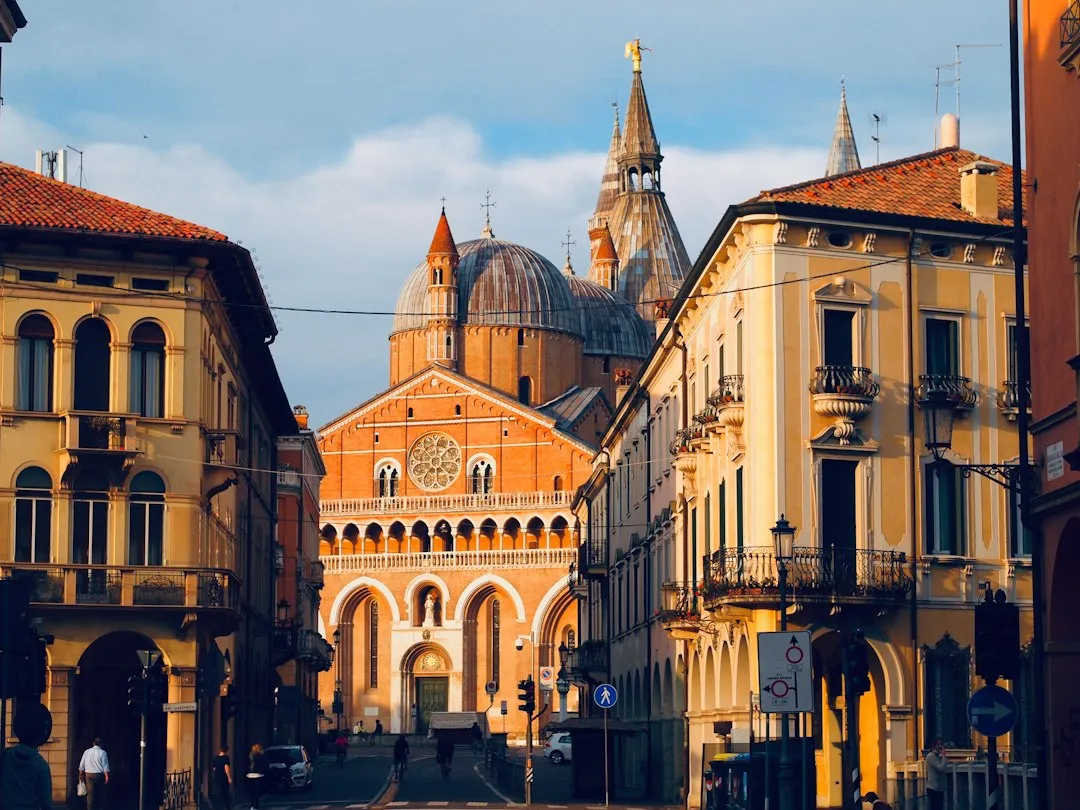
Lonely Planet says that if Padua weren’t so close to Venice, it would be one of northern Italy’s most feted cities.[8] The Scrovegni Chapel holds frescoes by Giotto.[12] Book a timed entry ahead of your visit, since the chapel controls how many people go in at once.
The Basilica di Sant’Antonio holds the remains of Saint Anthony, and Prato della Valle is possibly Europe’s largest square.[8] Padua is also a college town and is easy to reach by train.[12] That gives it a livelier, more everyday feel than a postcard city.
Trieste, Italy’s Most Surprising Port
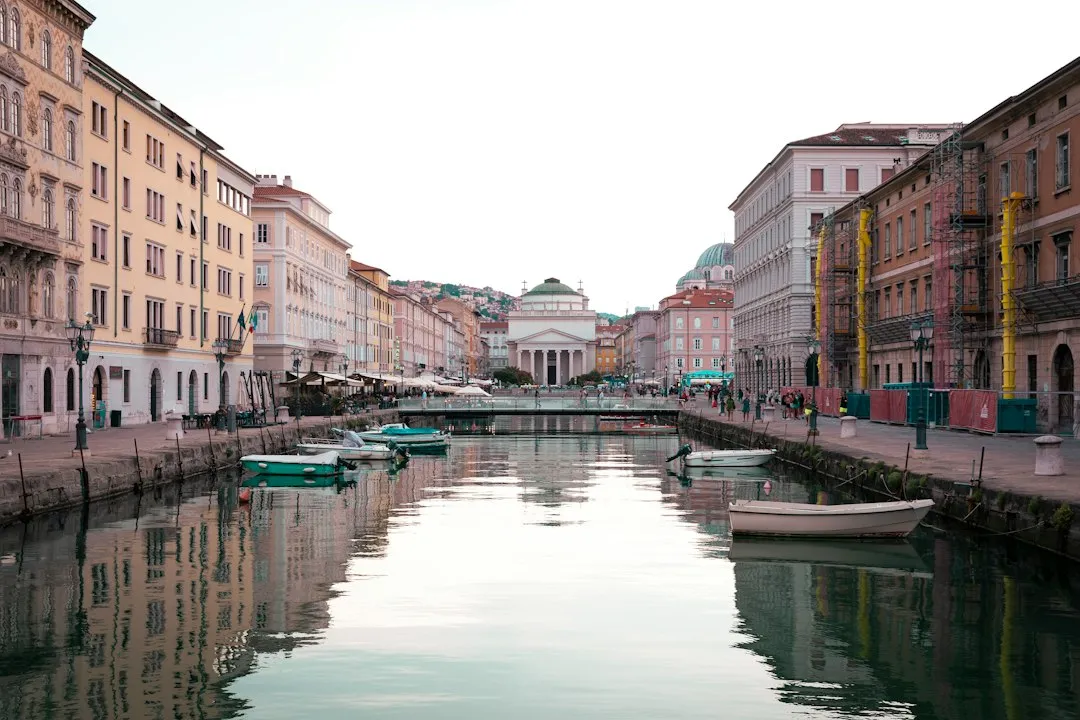
Trieste sits at Italy’s northeastern edge on the Slovenian border, with Habsburg architecture, a coffee culture and an Adriatic waterfront.[13] Italian travel writers describe it as literary and underrated, with historic cafes and a centre unlike any other Italian city.[14] It feels more Central European than Mediterranean.
Plan on a slow morning in a grand cafe, then a walk along the seafront. Trieste also works well if you want to combine Italy with a short hop into Slovenia. It’s a trip for people who like atmosphere more than checklists.
Ravenna, Where the Mosaics Win
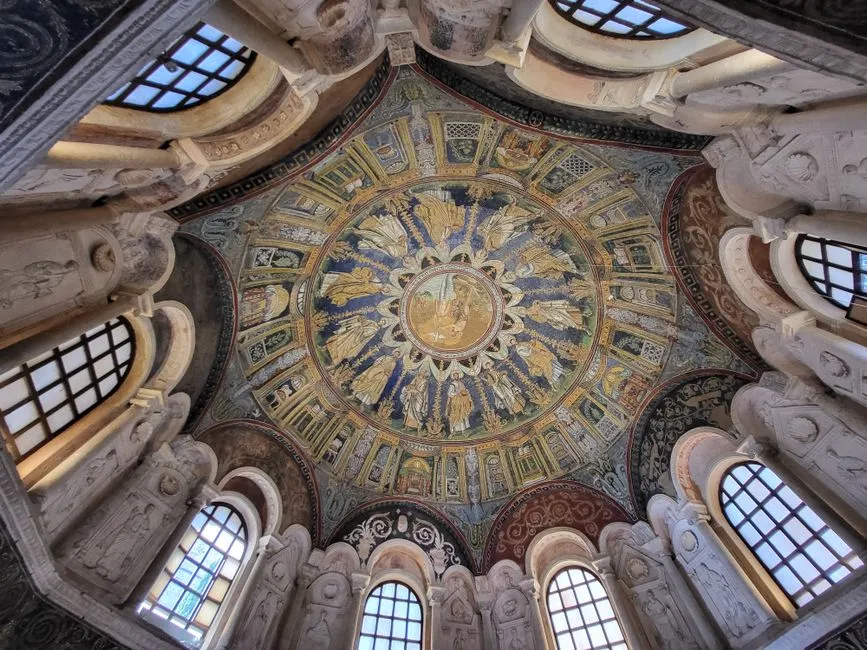
Ravenna has no canals to speak of, yet it competes on something Venice is famous for. St. Mark’s Basilica is known for its Byzantine mosaics, but Ravenna is known for having the best Byzantine mosaics outside of Istanbul.[12] The Basilica of San Vitale is the showpiece.[12]
Early Christian monuments in the city are on the UNESCO World Heritage list. The Ravenna Music Festival runs from June through July every year.[12] For water, head to Marina di Ravenna, a seaside resort town where you can eat fresh fish while watching regattas.[12]
Vicenza, Palladio’s Compact City
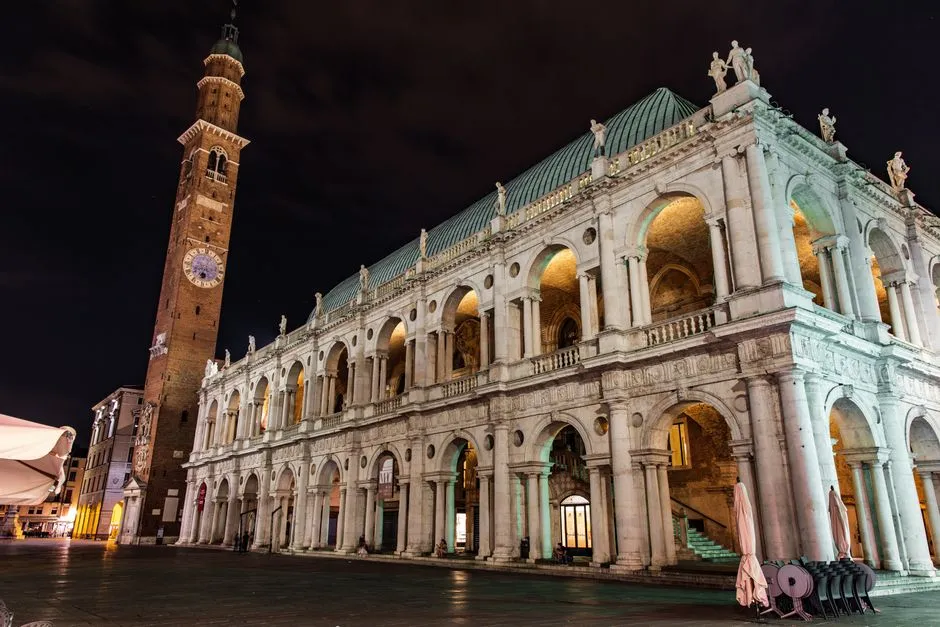
Lonely Planet calls Vicenza the overlooked sibling of Verona.[8] Fast trains from Venice take as little as 44 minutes, or it’s a 50 minute drive.[8] That makes it an easy day out, or a smart base.
Related Stories From Weather Fox


The city is tied to the architect Andrea Palladio, whose buildings shaped the look of the centre. Its theatre and basilica are the best places to start. The streets stay pleasantly manageable even in high season.
Ferrara, a Renaissance City by Rail
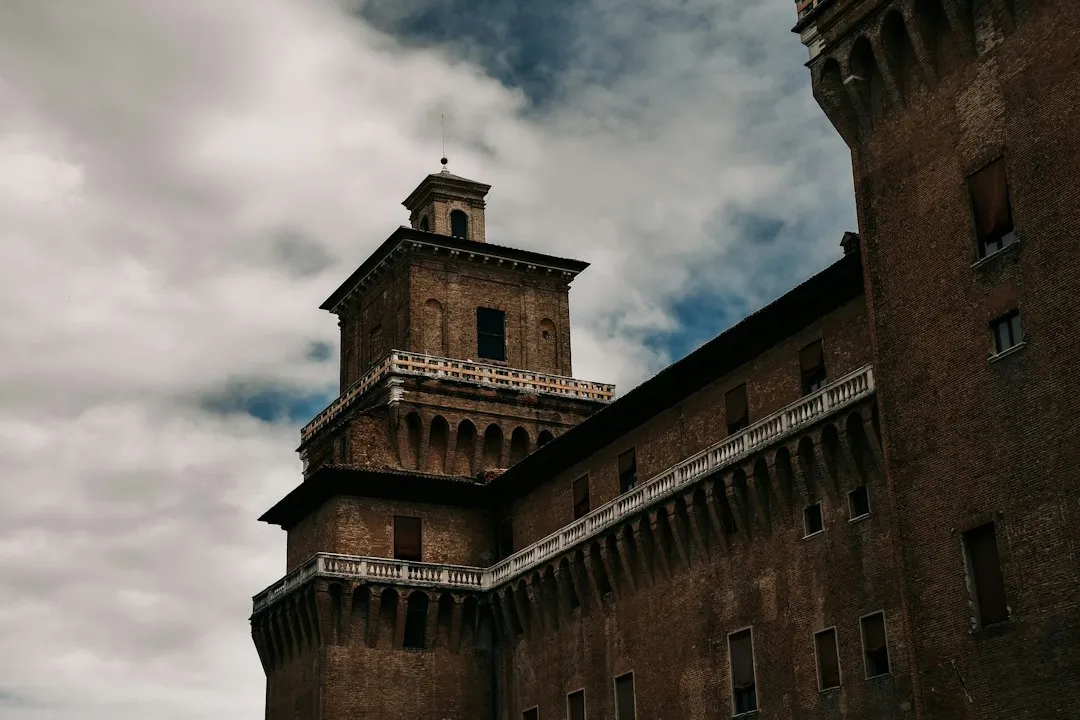
Lonely Planet notes that Ferrara is easiest to reach from Venice by rail.[8] It’s a walled Renaissance city, dominated by the moated Castello Estense. The historic centre is a UNESCO World Heritage site, and bikes are a common way to get around.
Ferrara also pairs naturally with other stops. Comacchio is about an hour from Ravenna, Bologna, and Ferrara, making it a good base for a longer northern Italy trip.[11] Combine two or three of these and you’ll have a route most visitors never take.
Before You Go
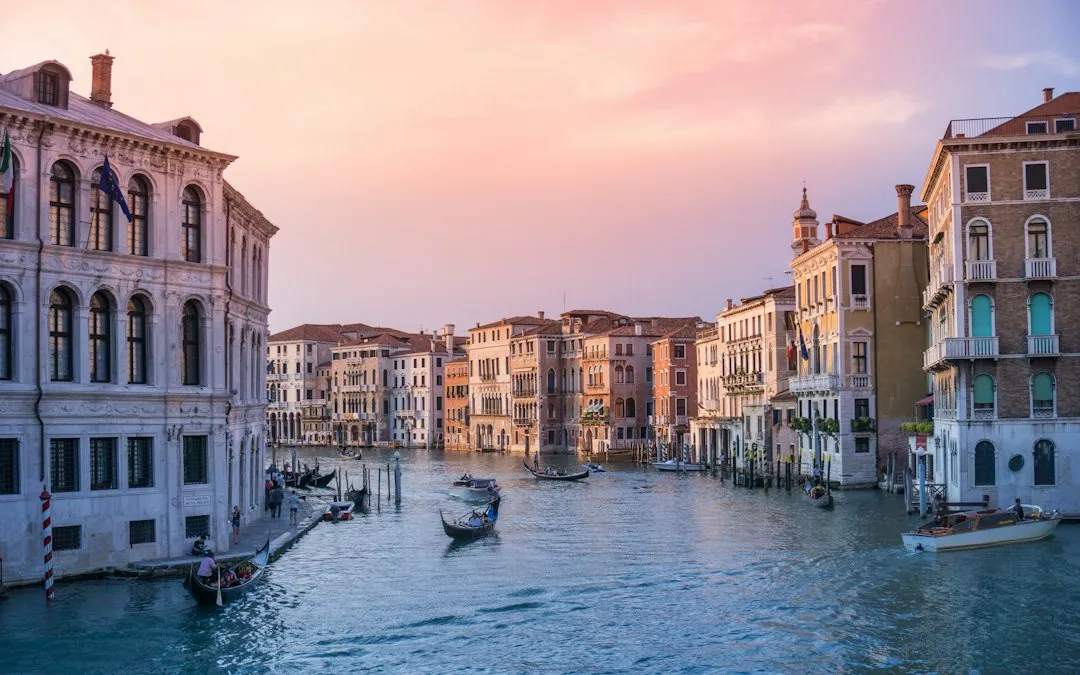
The 2026 access fee applies on around 60 peak days between roughly April 3 and July 26, from 8:30 to 16:00.[1] Locals, overnight guests, and people in town for work or study are exempt.[3] If you still want Venice, an overnight stay avoids the fee.
One catch is worth knowing. If you lodge elsewhere, such as Padua, and commute in, each day visit requires the fee on applicable dates.[15] Base yourself in one of the towns above and the fee never comes into it.